Vermont Senior Hunting License Discounts
For many of us who've spent a lifetime in the woods, the thought of hanging up our gear as we age is just… unthinkable. But let's be honest, hunting can be an expensive pursuit, and as income changes later in life, every little bit helps. The good news is that Vermont recognizes the dedication of its seasoned hunters and offers some much-appreciated relief. This guide will walk you through the specifics of Vermont's senior hunting license discounts, ensuring you can keep chasing those Green Mountain adventures without breaking the bank.
Understanding Vermont's Senior Hunting License Discounts: Eligibility and Benefits
It’s a common frustration across the country: you’ve paid into the system for decades, but when you reach retirement age, the savings aren't always clear. Thankfully, Vermont has a pretty straightforward approach to honoring its older resident hunters. The state understands that hunting isn't just a pastime; it's a way of life, a connection to the land, and a vital part of many communities. That's why they offer a reduced rate on various licenses for eligible seniors.
Who Qualifies for Senior Rates
The primary qualification for these discounts revolves around your age and residency status. To be eligible for senior hunting license discounts in Vermont, you must be a resident of the state and typically be 65 years of age or older. This isn't just a nicety; it's a recognition of the contributions older hunters have made throughout their lives, both to conservation and to the hunting heritage of Vermont. It’s important to remember that these reduced rates are almost exclusively for residents. Non-residents, even if they are seniors, usually pay the standard, higher non-resident fees. This is a common practice across states, prioritizing their own tax-paying citizens.
It’s always a good idea to confirm the exact age requirements with the Vermont Fish and Wildlife Department directly, as rules can occasionally see minor adjustments. You might find that some specific permits or tags have slightly different age stipulations, though the base hunting license usually follows the 65+ rule. Think of it as a small thank you from the state for your years of dedication, providing a tangible benefit as you continue to enjoy the beautiful Vermont outdoors.
The Financial Relief and Other Perks
The most obvious benefit of Vermont's senior hunting license discounts is the significant cost savings. Instead of paying the full adult resident price for a hunting license, which can add up, eligible seniors get a substantial reduction. For example, a standard Resident Hunting License might cost one price for a general adult, but for a senior, that same license could be a fraction of the cost, sometimes as low as $8 or $10. This difference can truly add up, especially if you also enjoy fishing or other outdoor pursuits that require additional licensing.
Imagine the relief of knowing you can still afford your annual license without cutting into other retirement necessities. These savings can free up funds for other essential hunting expenses, like new gear (maybe those comfortable boots you’ve been eyeing, or a new pair of binoculars to help with glassing a clear-cut for a bull moose), or even just gas money for trips to your favorite hunting spots in the Northeast Kingdom. Beyond the direct financial benefit, securing a senior discount license can also streamline the renewal process. Often, once you're in the system as a senior, future renewals are simpler, confirming your eligibility rather than having to re-qualify each year. It’s about making it easier for you to stay engaged and active in the hunting community.
Navigating the Application Process: How to Secure Your Reduced-Rate License
Getting your senior hunting license in Vermont isn't overly complicated, but like any official process, it requires attention to detail. The state has made strides to make it accessible, whether you prefer the convenience of online applications or the traditional route of visiting a local vendor. The key is to be prepared with the necessary documentation and to understand the various options available to you.
Step-by-Step Guide to Applying
Applying for your Vermont senior hunting license is much like applying for any other hunting license, but with the added step of proving your age and residency. Here's a general breakdown of the process:
- Confirm Eligibility: Double-check the current age requirement for senior discounts (typically 65 for residents). Ensure your residency status is clear—you must be a permanent resident of Vermont.
- Gather Documentation: You'll need valid proof of residency (like a Vermont driver's license or state ID) and proof of age (which your driver's license will usually cover). If you’ve taken a hunter education course in Vermont or another state, have that certificate handy. New hunters, even seniors, are still required to complete Vermont Hunter Education Requirements.
- Choose Your Application Method:
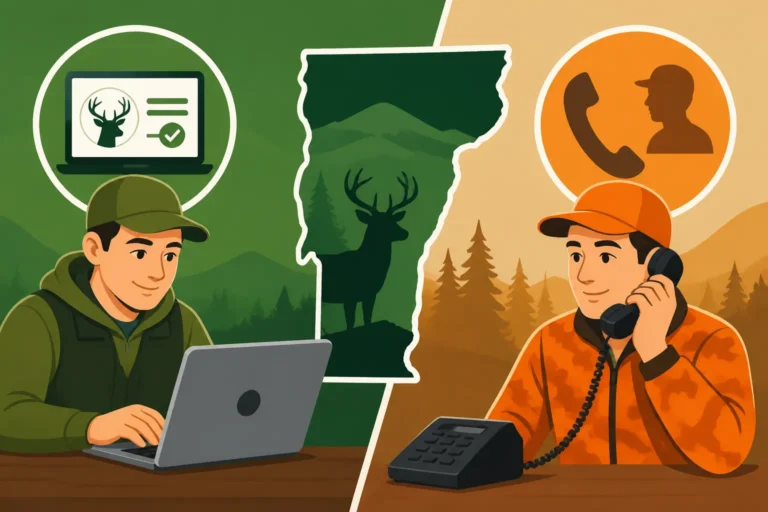
- Online Portal: The easiest way for many is through Vermont's online licensing portal. You can create an account, select the "Resident Senior Hunting License" (or a combination license), upload any necessary documents, and pay with a credit card. This method is fast and allows you to print your license immediately. This is also where you would apply for things like the Vermont Moose Lottery Application Process if you're still chasing larger game.
- Authorized License Agent: Most sporting goods stores, bait shops, and town clerks serve as authorized license agents. You can walk in, fill out the application, present your ID, and receive your license on the spot. This is a great option if you prefer face-to-face interaction or need assistance.
- Mail: While less common now with online options, you can usually download a form from the Vermont Fish and Wildlife Department website, fill it out, and mail it in with a check. Be aware this takes longer to process.
- Purchase Add-on Permits: Once you have your base hunting license, you can then purchase any additional permits or tags you need, such as for deer, bear, or turkey. The senior discount generally applies to the base license, but check current regulations for discounts on additional permits like a Vermont Early Bear Permit Cost or Spring Turkey Permit Rules.
- Carry Your License: Always carry your license and any required permits with you while hunting. Vermont's regulations require you to present them upon request by a warden.
Even seasoned hunters appreciate tools that make planning easier. Online platforms like GoHunt can be incredibly helpful for researching seasons, regulations, and even identifying potential hunting areas on public land. While you'll still need to buy your license directly from the state, GoHunt offers robust mapping features that can assist in planning your next outing once your license is in hand.
Understanding License Expiration and Renewal
Vermont hunting licenses typically operate on an annual cycle, usually expiring at the end of the calendar year or on a specific date in the summer (e.g., December 31st or August 31st). It's crucial to be aware of the exact Vermont License Year Start Date and expiration to avoid accidentally hunting without a valid license.
Renewing your senior hunting license is generally simpler than the initial application. If you purchased online, your account will likely save your information, making future renewals a matter of a few clicks. If you buy from an agent, they will also have your previous year's information on file. It's a good habit to set a reminder on your calendar each year, perhaps in late summer or early fall, to ensure you renew your license before the upcoming hunting seasons, whether it's for early archery or the much-anticipated November Rifle Season. Staying on top of renewals means more time in the woods and less time worrying about paperwork.
Beyond the Base License: Additional Tags and Permits for Senior Hunters
While the base hunting license is essential, many of us pursue specific game species that require additional permits or tags. Understanding how these apply to senior hunters in Vermont is key to a successful and legal season. The state often offers combination licenses that bundle hunting and fishing, which can be a great value for those who enjoy both pursuits.
Deer, Bear, and Turkey Tags
For big game like white-tailed deer, black bears, and wild turkeys, specific tags are required in addition to your base hunting license. The good news is that once you have your discounted resident senior hunting license, you're usually on equal footing with other resident hunters for purchasing these additional tags.
- Deer Tags: Vermont allows for a certain number of deer tags, often including antlered and antlerless permits. For instance, during the Vermont's New Archery-During-Rifle Overlap Rule, you'll need the appropriate archery tag. Many seniors still actively participate in these seasons. While the base hunting license is discounted for seniors, the individual deer tags themselves typically cost the same for all residents, regardless of age. This ensures fair management of the deer herd. However, the overall cost of your hunting season is still significantly reduced by the discounted base license. Keep an eye out for opportunities like the Vermont's Dual Antlerless Permit Rule, which can allow for increased harvest opportunities.
- Bear Tags: Vermont's Long Bear Season Explained provides ample opportunity. To hunt bear, you'll need a bear tag. Similar to deer, these tags usually cost the same for all resident hunters.
- Turkey Tags: Vermont offers both spring and fall turkey seasons. The Vermont's Resident-Only Two-Bird Turkey Limit for spring is a great incentive. You'll need a turkey permit, and again, these typically carry the same cost for all residents once the discounted base license is secured.
It’s always prudent to consult the latest Vermont Hunting Regulations guide or the Vermont Fish and Wildlife Department website for the most current information on tag costs and requirements. GoHunt also provides excellent resources for staying up-to-date on regulations, which can be a real time-saver.
Combination Licenses and Other Offerings
If you're a multi-sport outdoor enthusiast, Vermont's combination licenses are an excellent option. A "Resident Combination Hunting and Fishing License (65+)" provides a discounted rate for both activities in one convenient package. This can be a significantly better deal than purchasing separate hunting and fishing licenses at senior rates.
Here's a simple comparison of typical resident license costs, showing the potential savings:
| License Type | Regular Adult Resident Cost (Approx.) | Resident Senior (65+) Cost (Approx.) |
|---|---|---|
| Hunting License | $26 | $8 |
| Fishing License | $26 | $8 |
| Combination H+F License | $44 | $10 |
| Annual Savings | N/A | Significant |
Note: These are approximate values based on recent past data. Always check the official Vermont Fish and Wildlife Department website for current, precise pricing.
Beyond hunting and fishing, seniors might also be interested in other outdoor activities. For instance, if you're still agile enough, you might consider something like Trapping Vermont Furbearers, which requires a separate license. The senior discount primarily applies to the base hunting, fishing, or combination licenses. Always verify costs for specialized permits.
Maximizing Your Senior Hunting Experience in Vermont: Tips and Considerations
Hunting as a senior comes with its own unique set of considerations. While the passion for the outdoors might burn as brightly as ever, the physical demands can sometimes be a bit more challenging. Vermont’s diverse terrain, from the steep Green Mountain ridgelines to the dense woods of the Northeast Kingdom, requires careful planning. But with smart strategies and the right approach, senior hunters can continue to enjoy productive and rewarding seasons for years to come.
Adapting Your Hunting Strategies
As we get older, it's wise to adapt our hunting methods to suit our current physical capabilities, rather than trying to push ourselves too hard. This doesn't mean less success; it just means smarter hunting.
- Choose Your Terrain Wisely: While climbing to a Green Mountains High-Elevation Bench might have been a regular feat in your younger days, consider hunting more accessible areas now. Focus on terrain that offers good cover and game movement without excessive physical strain. This could mean hunting closer to roads or focusing on flatter areas like the Champlain Valley Dairy Farm Edge, where the deer sign is often abundant.
- Embrace Still-Hunting and Ground Blinds: Instead of long, strenuous treks, still-hunting through familiar woodlots at a slower pace can be incredibly effective. Pay attention to wind and thermals in steep Green Mountain terrain. Using a Ground Blind on Public Land or Brushing In a Blind on a Field Edge allows you to stay comfortable and concealed for longer periods with less physical exertion.
- Focus on Key Times: Early mornings and late evenings are often the most productive, but also the coldest. Dress in layers, using good quality base layers for a cold September sit and insulated layers for a December Muzzleloader Hunt. Don't feel pressured to stay out all day if the conditions are too harsh or you're feeling fatigued. Quality over quantity.
- Scouting and Intelligence: Utilize modern tools. Even if you're not physically able to cover vast distances, using satellite imagery on platforms like GoHunt and checking resources like Vermont Deer Harvest Records can help you identify high-probability areas from the comfort of your home. Focus your efforts on reading a Green Mountain Deer Yard or understanding Late-Season Food Sources for Vermont Whitetails.
Staying Safe and Comfortable in the Field
Safety and comfort are paramount, especially as a senior hunter. Vermont’s weather can be unpredictable, and being prepared is not just about success, but about well-being.
- Visibility is Key: Always adhere to Vermont Blaze Orange Requirements, especially during rifle season. Even when bowhunting during Vermont's Rifle Season, wearing blaze orange or pink is legally required and incredibly important for safety.
- Buddy System: Consider hunting with a friend or family member. Not only does it make the experience more enjoyable, but having someone else along provides an extra layer of safety in case of an accident or medical emergency. This is particularly true if you are hunting remote areas or dealing with difficult game recovery situations like Recovering a Deer From a Steep Ravine.
- Appropriate Gear: Invest in good quality gear that aids comfort and safety. Best Boots for Green Mountain Ridge Terrain offer crucial support. A reliable GPS and Mapping Apps for Vermont Public Land can prevent getting disoriented. A comfortable seat cushion for long treestand sits, a thermos for hot drinks, and quality hand warmers for an all-day sit can make a world of difference.
- Health First: Prioritize your health. Make sure you're physically up to the hunt you're planning. Bring any necessary medications, stay hydrated, and don't hesitate to cut a hunt short if you're not feeling well. Remember, the game will still be there tomorrow.
By leveraging Vermont's senior hunting license discounts and employing smart hunting strategies tailored to your experience and current physical state, you can continue to enjoy the rich tradition of hunting in the Green Mountain State for many years to come.
Disclaimer
Please note that hunting regulations, license fees, and season dates are subject to change. Always consult the official Vermont Fish and Wildlife Department website or the current year's hunting regulations booklet for the most accurate and up-to-date information before planning your hunt. This guide is for informational purposes only and should not be considered legal advice.