Hunting a Ridge Above a Farm Valley
Vermont ridge to valley deer hunting strategies explain deer movement patterns, smart scouting, and effective setup locations.
Find ground you can hunt.
National forest, BLM, and state land — WMAs, walk-in programs, unit boundaries, access rules, and how to get permission on private ground.
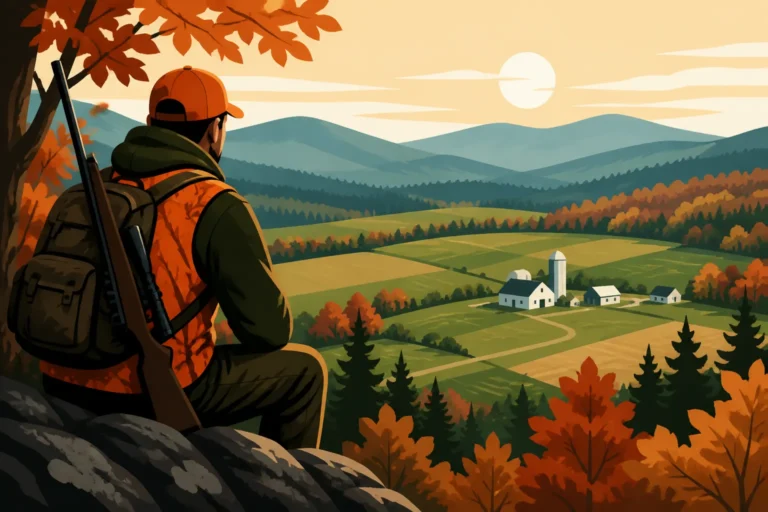
Vermont ridge to valley deer hunting strategies explain deer movement patterns, smart scouting, and effective setup locations.
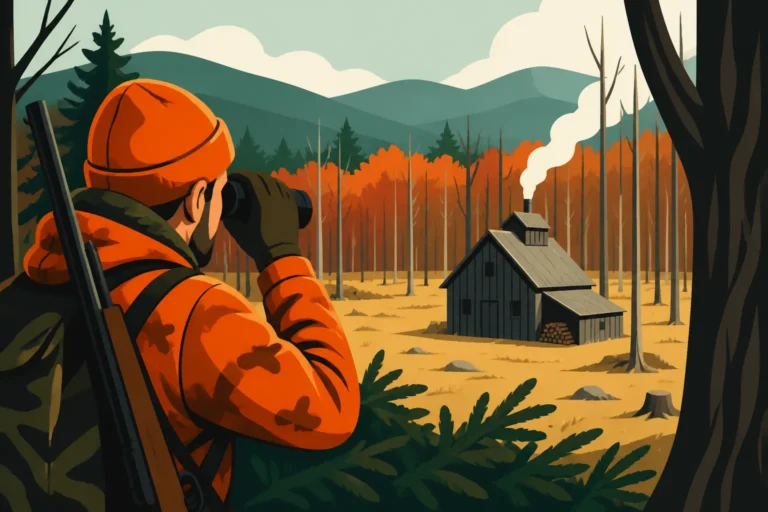
Vermont sap house clearings attract white-tailed deer with clover, old apple trees, and seasonal cover for hunting.
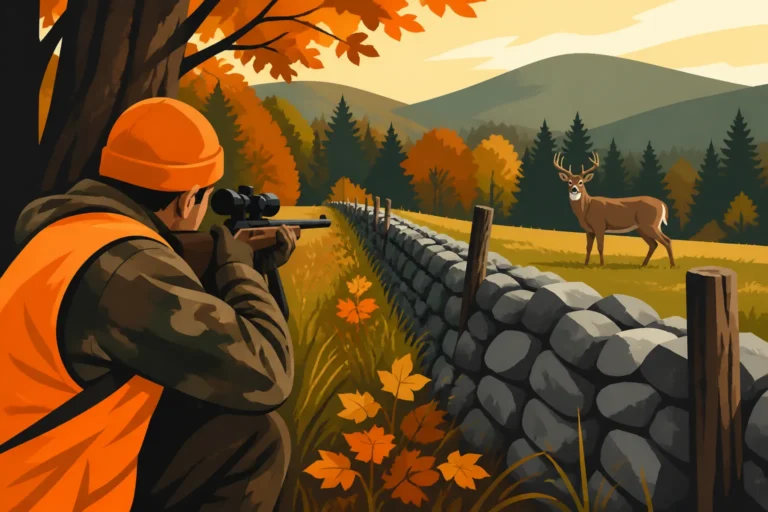
Vermont stone walls function as natural travel corridors and edge habitat, guiding deer movement between bedding and feeding areas.
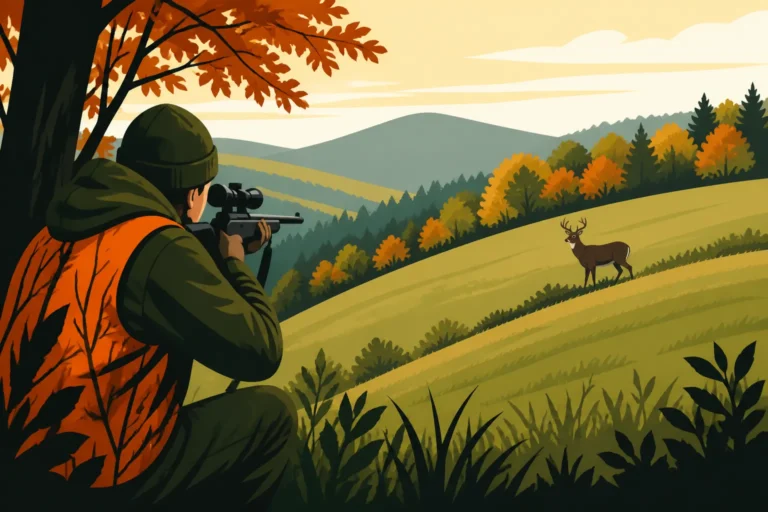
Vermont hillside pasture edges offer deer food, security, and travel corridors, explaining predictable whitetail movement patterns.
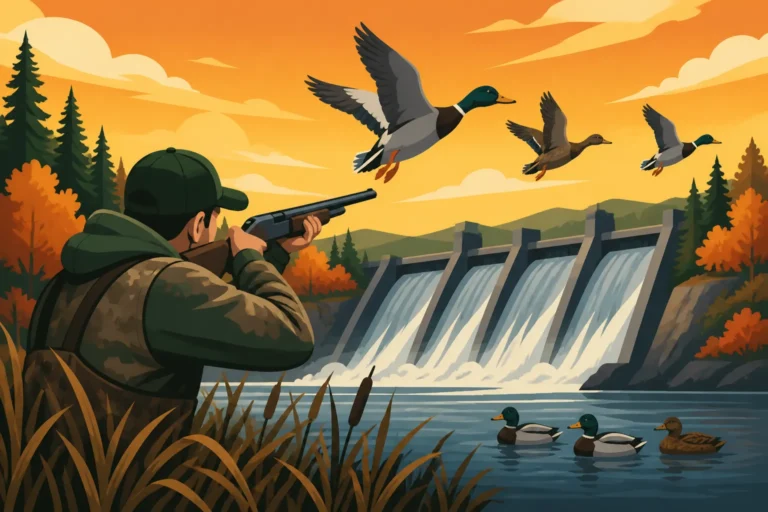
Vermont dam spillways provide waterfowl hunters reliable open water and food sources during late fall and early winter freezes.
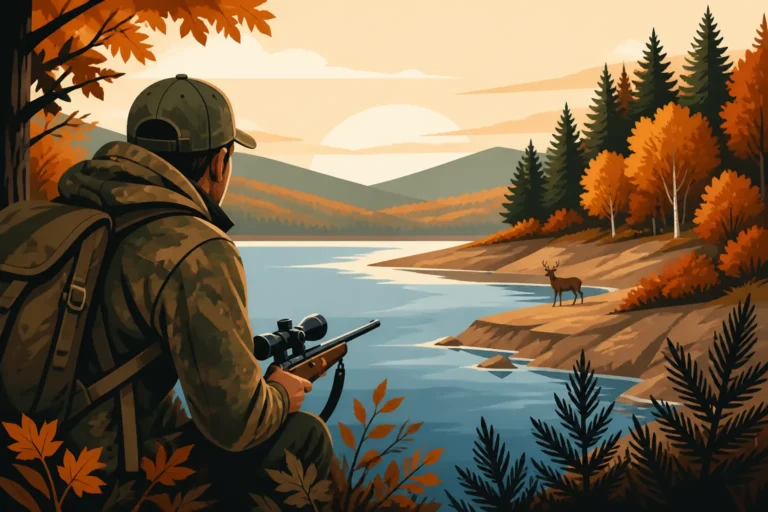
Vermont reservoir shorelines provide overlooked hunting grounds where water, food, and cover converge for deer, waterfowl, and furbearers.
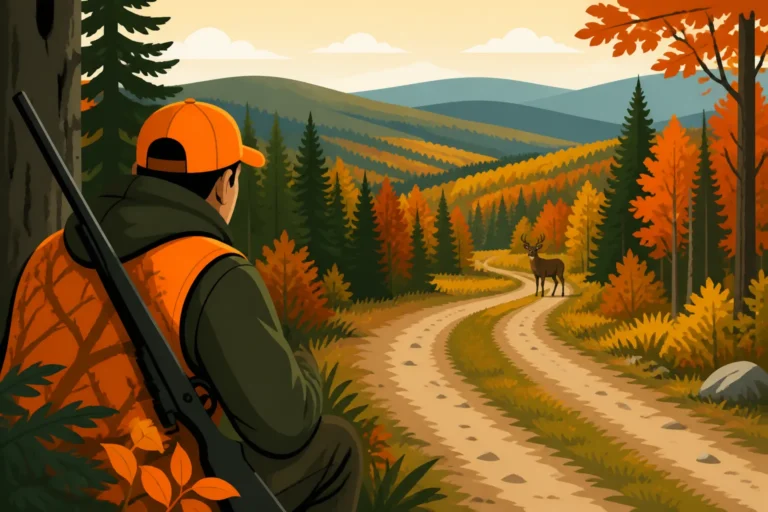
Vermont state forest fire roads provide hunters access to deer, bear, and turkey using rugged historic logging routes.
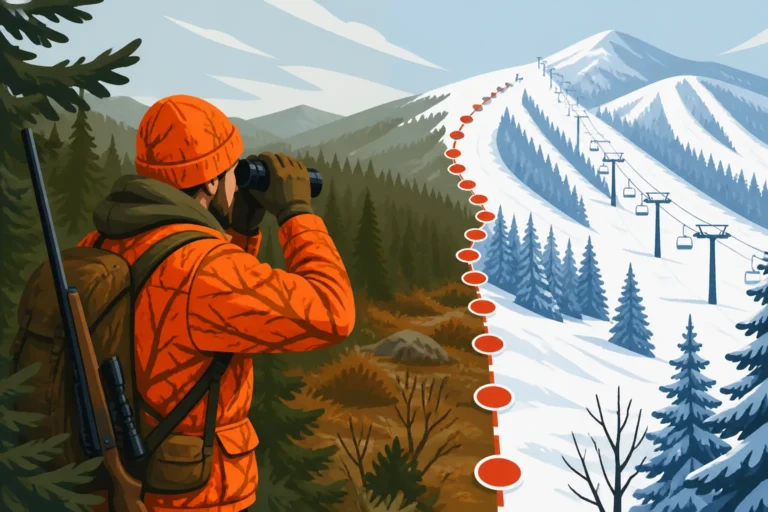
Vermont ski resort boundaries offer deer, bear, and turkey hunting opportunities near public and private lands.
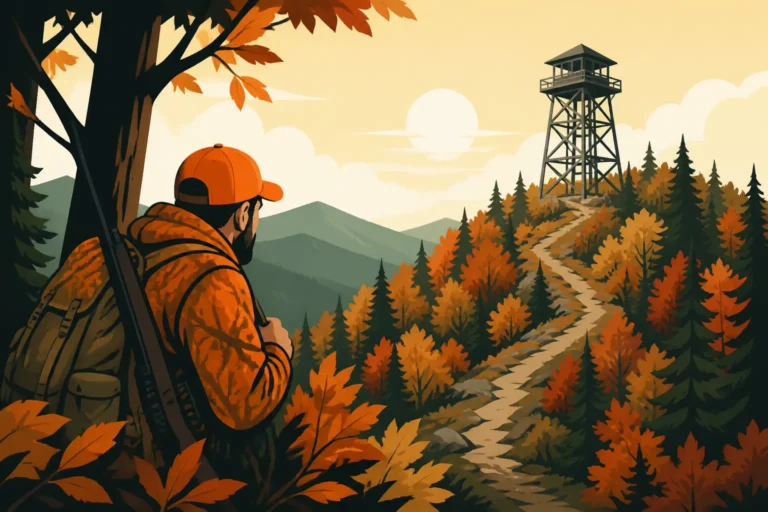
Vermont fire tower trails provide deer, bear, and turkey hunting strategies across steep high elevation habitats and changing zones.
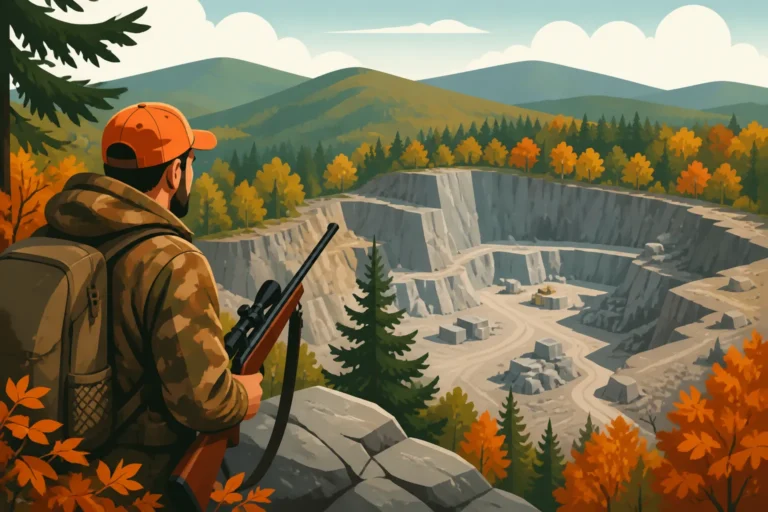
Vermont granite quarry backcountry hunting terrain features, offering strategies to find unpressured deer hiding in rugged, steep rock landscapes.