Hunting a Covered Bridge Crossing
Vermont covered bridge crossings act as natural wildlife funnels and travel corridors that create predictable hunting opportunities.
Find ground you can hunt.
National forest, BLM, and state land — WMAs, walk-in programs, unit boundaries, access rules, and how to get permission on private ground.
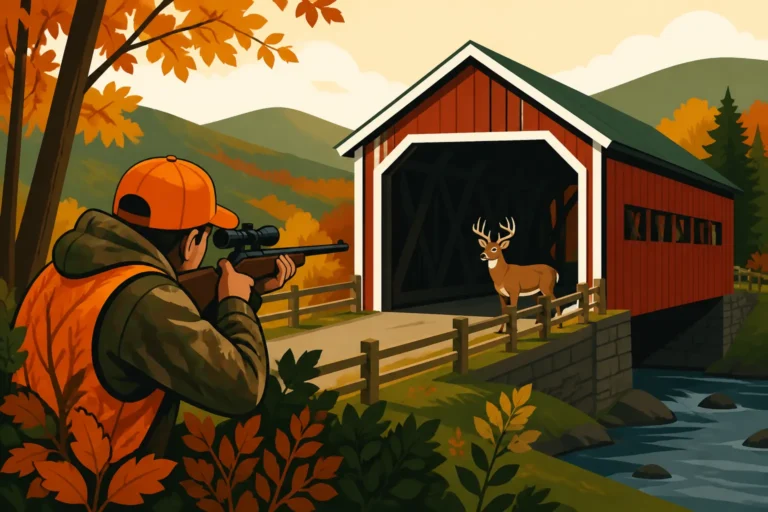
Vermont covered bridge crossings act as natural wildlife funnels and travel corridors that create predictable hunting opportunities.
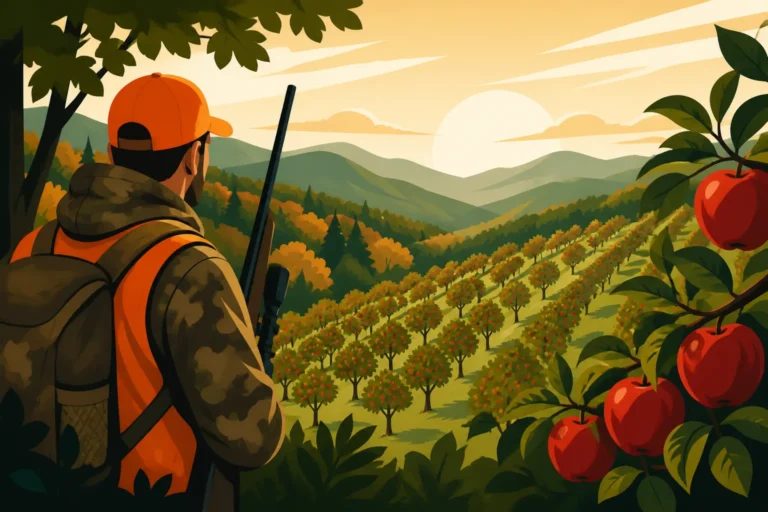
Vermont apple orchards provide whitetail deer with sweet carbohydrates, serving as an energy source that attracts them through autumn.
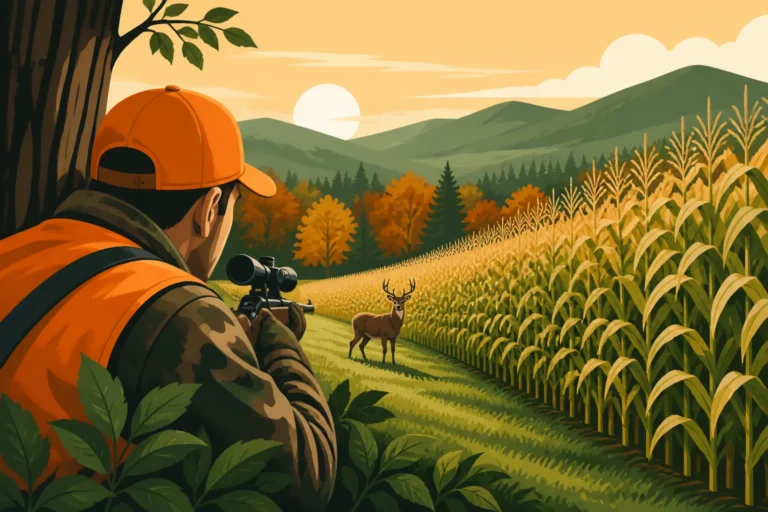
Vermont corn silage field edges offer inconsistent deer hunting unless you understand seasonal whitetail movement and travel routes.
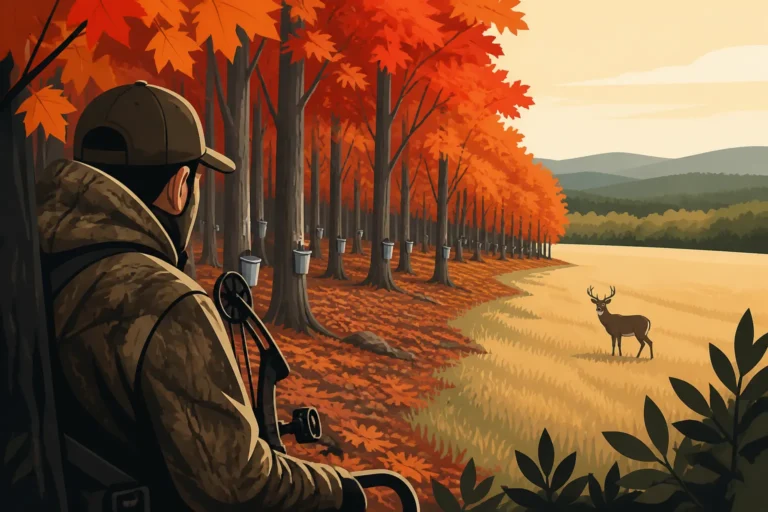
Maple sugarbush edges in Vermont act as deer magnets by providing food sources, thermal cover, and natural travel funnels.
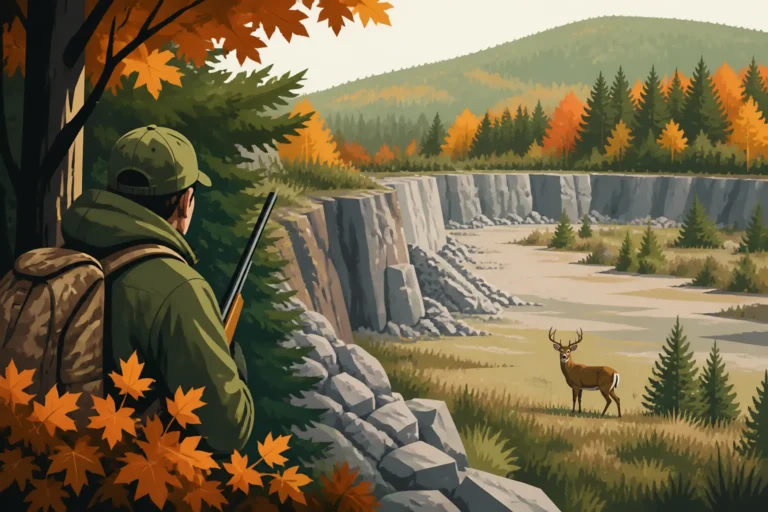
Reclaimed quarry edges in Vermont provide deer hunting spots with elevation changes, water sources, and thermal advantages.
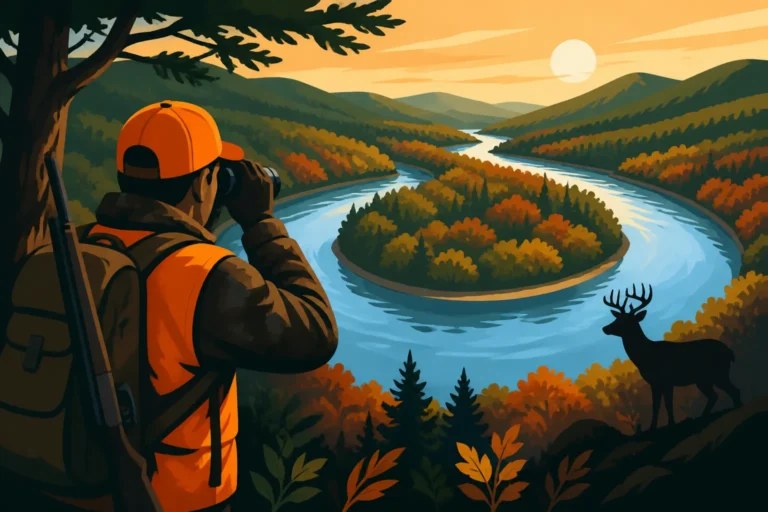
Connecticut River oxbows in Vermont offer hunting for ducks, geese, deer, rabbits, and grouse near dense cover and water.
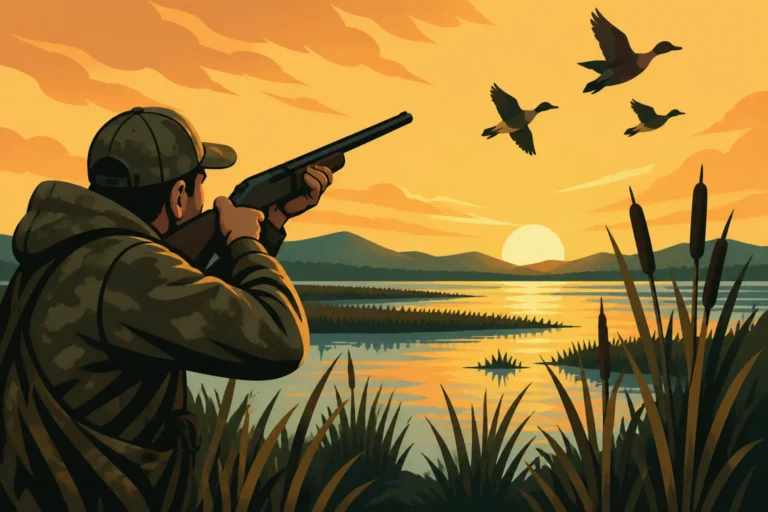
Waterfowl hunting on Lake Champlain marshes requires planning, scouting, and understanding bird behavior and dynamic wetland ecosystems.
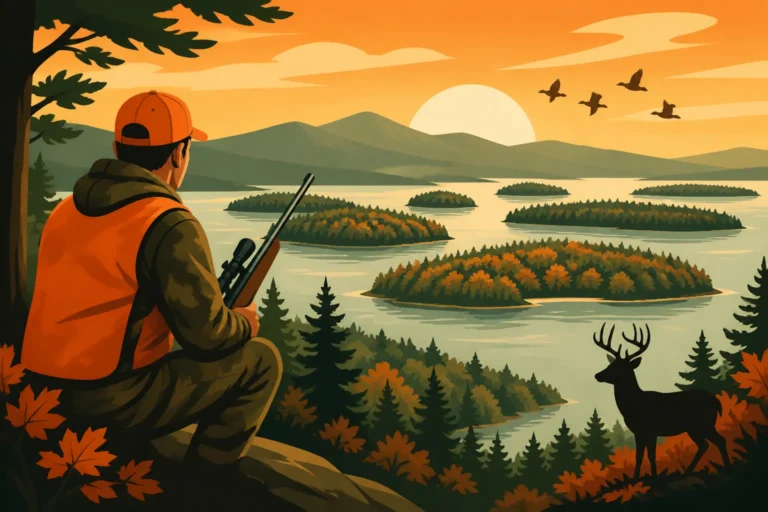
The Champlain Islands offer Vermont hunters agricultural fields and shoreline cover, requiring private land access and specific tactics.
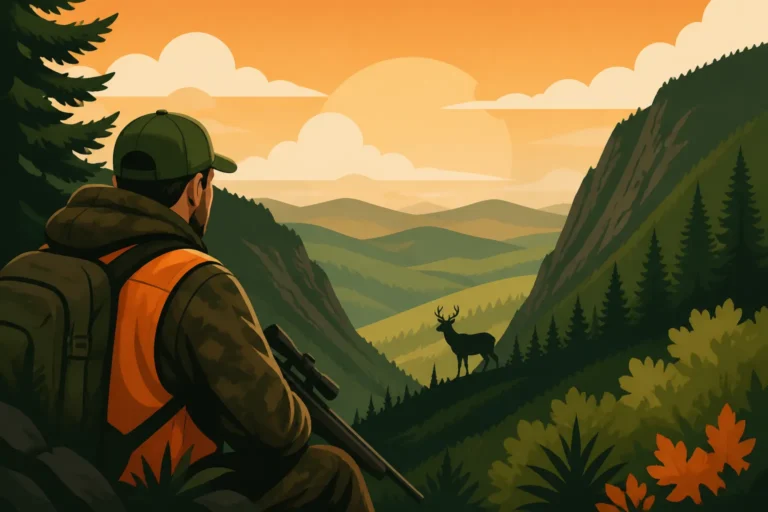
Green Mountain notch passes serve as deer travel corridors, escape routes, and thermal hubs during seasonal migrations.
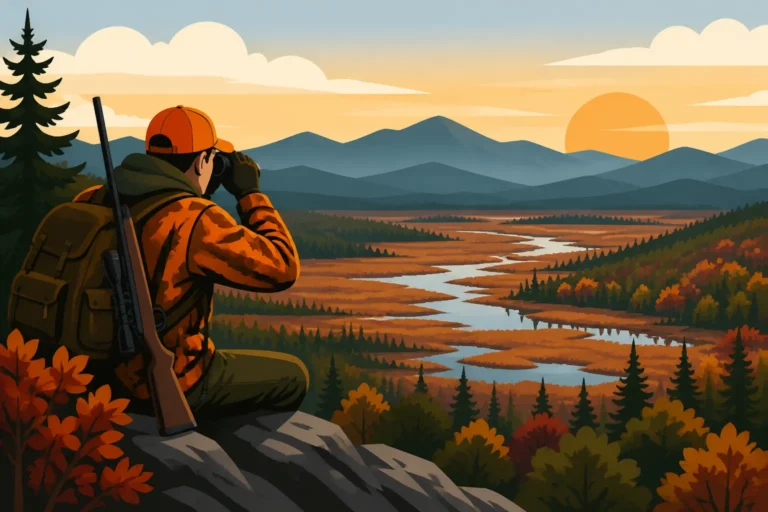
Vermont deer and moose hunters learn how ridges near Northeast Kingdom bogs offer dry ground, food sources, and escape routes.