Hunting a Reclaimed Quarry Edge
Hunting a reclaimed quarry edge in Vermont might sound a bit niche, even a little off the wall, but trust me, these often-overlooked spots can be absolute magnets for deer and other wildlife. Many hunters drive right past them, seeing nothing but rock and old machinery, never realizing the prime habitat waiting just beyond the obvious. This guide is all about peeling back those layers, showing you how to identify these forgotten gems, understand how game uses them, and develop strategies to successfully hunt their unique contours.
Unpacking the Allure of a Reclaimed Quarry Edge
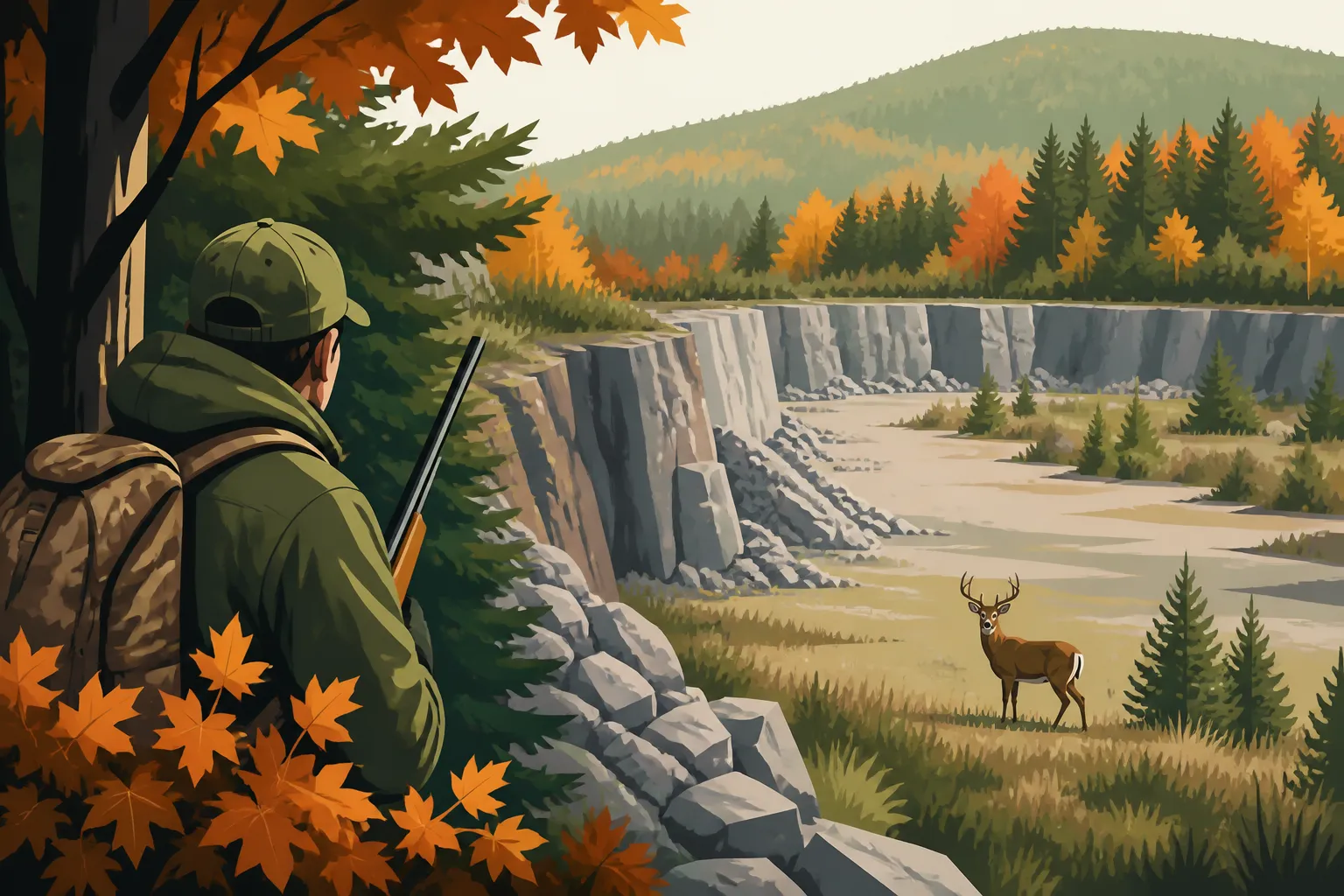
When you hear "quarry," you probably picture a dangerous, active industrial site. But in Vermont, over decades, many old quarries have been abandoned, nature slowly reclaiming them. The "edge" is the key here – the transition zone where the man-made excavation meets the natural forest or field. This isn't about rappelling into a pit; it's about understanding the subtle ways deer and other animals exploit these unique features. They create micro-habitats that can be surprisingly productive.
Understanding the Unique Habitat Features
A reclaimed quarry edge is a fascinating mix of geology and regrowth. You'll often find dramatic elevation changes, steep rock faces, and perhaps even deep, clear water at the bottom if it’s a water-filled pit. The soil on the edges can be mineral-rich, leading to different plant growth than the surrounding forest. Think about the thermal advantages: those rock faces absorb and radiate heat, creating warm pockets in colder weather or shaded, cooler spots in early season. Over time, pioneer species colonize these disturbed areas – certain grasses, shrubs, and young trees that might be especially palatable to deer.
Deer often use these edges for security cover, especially if there's thick brush growing along the lip or down into the less accessible parts. They can gain elevation quickly, offering a vantage point, or drop out of sight in an instant. The hard rock offers little scent retention for predators, making it a safer travel corridor. It’s not uncommon to find a well-worn deer trail running right along the tree line where the quarried land meets the unbroken woods, serving as a natural travel funnel.
Why Deer and Other Game Gravitate to These Spots
Deer are creatures of efficiency and security. A quarry edge, with its abrupt changes in elevation and diverse vegetation, offers both. Imagine a buck needing to cross an open field to get from one woodlot to another. If there's a quarry edge running along that field, he might hug that edge, using the slight depression or the thicker screen of brush for concealment. It's a natural corridor, often less disturbed by human traffic who might see it as "unhuntable."
Beyond deer, you might find other game making use of these areas. Wild turkeys might dust themselves in dry, sandy spots or roost in the taller trees along the edge. Coyotes will certainly use these edges as travel routes, especially if they know deer are frequenting them. The water-filled pits can attract waterfowl or provide a water source during dry spells. It's a localized ecosystem, compressed into a smaller, often overlooked footprint.
Scouting a Reclaimed Quarry Edge for Success
You can't just drive up to any old quarry and expect to find a honey hole. Effective scouting, both digitally and on the ground, is crucial to unlocking the potential of these unique hunting areas. Patience and a keen eye will pay off.
Digital Scouting: Maps, Imagery, and Topography
Before you ever set foot near a quarry, spend serious time with your digital maps. Tools like onX Hunt are absolutely invaluable here. Start by identifying historical quarries or gravel pits in your chosen hunting zones. Look for the distinct, often stark, lines of excavation on satellite imagery. Pay attention to how these features interact with the surrounding terrain:
- Connectivity: Does the quarry edge connect two larger blocks of timber? Does it run parallel to a known deer travel corridor like a creek bottom or a ridge line?
- Vegetation: Zoom in. Can you see areas of dense, darker green growth that might indicate thicker cover? Are there lighter areas that suggest open rock or younger regeneration?
- Topography: Switch to the topo map view. Those tight contour lines indicating steep drops are obvious, but look for subtle benches or less severe slopes that might offer deer easier access points into and out of the quarry. A slight ridge or saddle leading down to the edge could be a prime crossing point. Reading Aerial Photos for Green Mountain Deer can really help you visualize these transitions from your couch.
You’re looking for the "soft" spots, the transitions where deer can easily get from point A to point B without expending too much energy or feeling exposed. Consider where these edges might funnel deer toward known food sources or bedding areas.
Boots-on-the-Ground Scouting: Finding the Sign
Once your digital scouting has narrowed down some promising locations, it's time for boots on the ground. This is where you confirm your theories and find the hard evidence.
- Perimeter Checks: Walk the entire perimeter of the quarry edge. Look for worn trails, particularly where the natural forest meets the quarried area. Deer will often create parallel trails here, one slightly higher, one slightly lower, for different wind conditions or levels of security.
- Rub Lines and Scrapes: Bucks use these travel corridors, especially during the rut. Look for rubs on saplings along the edge or scrapes where they stop to communicate. A well-used scrape line along a logging road or field edge that abuts a quarry can be a prime sign.
- Bedding Areas: Deer love security. Look for thickets, blowdowns, or dense cedar growth that might offer ideal bedding cover, especially on a slight rise overlooking the quarry. These could be small, sheltered pockets that are difficult for predators to approach unseen. Where Vermont Bucks Bed in Thick Cover will often be in places with good escape routes, and a quarry edge certainly provides that.
- Feeding Opportunities: Are there any mast-producing trees (oaks, beech) or browse (young saplings, multiflora rose) growing along the edge or in the reclaimed areas? Deer will feed heavily in these pockets.
- Entry and Exit Points: Look for places where deer are clearly entering or exiting the quarry itself, if it's accessible. These might be less steep ramps or natural breaks in the rock face.
| Quarry Edge Feature | How Deer Use It | Scouting Evidence to Look For |
|---|---|---|
| Steep Rock Face | Security cover, thermal advantages (shade/warmth) | Few trails, but potential for hidden bedding. |
| Overgrown Lip/Brush | Concealment, travel corridor | Rubs, scrapes, worn trails, droppings. |
| Water-Filled Pit | Water source, thermal regulation | Tracks near water, wallows in muddy areas. |
| Gentle Slopes/Ramps | Primary entry/exit points | Heavily used trails, tracks. |
| Diverse Vegetation | Browse, soft mast (berries, young shoots) | Browsed plants, droppings, fresh rubs. |
Don't forget to consider wind direction and thermals. The abrupt changes in elevation around a quarry can create tricky wind currents, making it essential to scout under various conditions. Wind and Thermals in Steep Green Mountain Terrain are critical for successful stand placement.
Hunting Strategies for a Quarry Edge
Once you've identified a promising reclaimed quarry edge, the real fun begins: planning your hunt. The unique characteristics of these areas demand a tailored approach.
Stand Placement and Approach
Setting up a stand or ground blind around a quarry edge requires careful thought about wind, access, and visibility.
- High Ground Advantage: Often, the best spot will be slightly above the main travel corridor, offering a good view into the edge itself and any trails running parallel to it. This allows you to observe deer without being easily detected.
- Wind Direction: The swirling winds around steep terrain can make traditional wind strategies challenging. Focus on identifying prevailing winds and setting up on the leeward side of the quarry lip. You might need to adjust your setup based on daily conditions. Always ensure your scent is blowing away from the anticipated deer travel route.
- Cover and Concealment: Use the dense regrowth, thickets, or mature trees along the edge for concealment. If you're using a ground blind, brush it in thoroughly to blend it with the environment. Brushing In a Blind on a Field Edge is an art form, and it's even more important when dealing with the sparse, broken cover often found around quarries.
- Silent Approach: Your entry and exit routes are paramount. Plan your approach to avoid pushing deer out of the area or alerting them to your presence. Utilize natural features like creek beds, logging roads, or thick brush to cover your movement. This also means minimizing noise, so check your gear for rattles and squeaks before heading out.
Hunting Different Seasons
The effectiveness of a quarry edge can change throughout the hunting seasons in Vermont.
- Early Archery (September/October): Deer are often still on a fairly consistent pattern, moving between food and bedding. Focus on edges that offer easy access to early-season food sources like acorns, apples, or tender browse. The shade provided by the rock faces might offer a cooler bedding spot during warmer days. This is a great time to implement your digital scouting using tools like
GoHuntto pinpoint potential food sources. Hunting Vermont's Expanded Archery Zones in September might see deer using these edges for travel to and from orchards. - The Rut (November): During the peak of the rut, bucks are constantly on the move, scent checking and cruising for does. Quarry edges, acting as natural funnels and security corridors, become prime cruising lanes. Set up on pinch points where the edge narrows or where trails converge. Rattling and grunting can be highly effective in drawing a buck out of the dense cover that often grows along these edges. Rattling and Grunting Vermont Bucks can really make a difference.
- Late Season (December Muzzleloader): As temperatures drop and snow covers the landscape, deer will be focused on finding whatever accessible food sources remain and seeking thermal cover. South-facing quarry edges that absorb sunlight can be crucial for warmth, and any lingering browse or hard mast will be heavily utilized. A thick stand of pines or cedars on the edge of a quarry can serve as a vital deer yard, providing shelter from harsh winds and deep snow. Late-Season Food Sources for Vermont Whitetails are key, and these unique micro-climates can hold them.
Safety and Environmental Considerations
Hunting a reclaimed quarry edge isn't without its challenges, and safety must always be your top priority. These aren't your typical flat woodlots, and the unique terrain demands extra caution.
Navigating Hazardous Terrain
The inherent nature of quarry edges means you're dealing with unstable ground, steep drops, and potentially slick surfaces.
- Footing: Loose rock, gravel, and crumbling earth can make walking treacherous, especially in wet or icy conditions. Wear sturdy boots with excellent ankle support and good traction. Consider using trekking poles for added stability.
- Steep Drops: Always be aware of your surroundings. A sheer drop-off might be hidden by vegetation. Never assume the ground is stable. Use extreme caution when approaching any edge, and never climb or descend rock faces without proper equipment and training.
- Abandoned Equipment: Some older quarries might have remnants of abandoned machinery. While often rusted and overgrown, these can still pose hazards. Be mindful of sharp edges, unstable structures, and potential hidden pitfalls.
- Water Features: If the quarry contains water, be aware of its depth and the stability of the shoreline. The edges can be undercut and extremely dangerous. Never assume ice on a quarry pond is safe.
Before you go, inform someone of your exact hunting location and your expected return time. Carry a fully charged phone, a map and compass (or your trusted onX Hunt app with offline maps downloaded), a first-aid kit, and enough water and food.
Respecting the Environment and Landowner Relations
Even though quarries are man-made, they are still part of Vermont's natural landscape.
- Leave No Trace: Pack out everything you pack in. Avoid leaving trash, spent casings, or any other debris. The goal is to leave the area better than you found it.
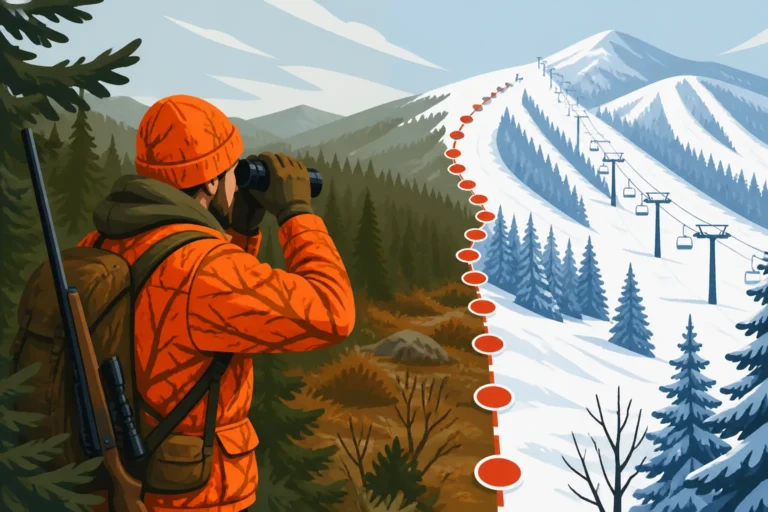
- Property Lines: Reclaimed quarries can sometimes straddle public and private land. Always know exactly where you are. Use your mapping app to identify property lines and ensure you have permission if you're on private land. Do You Need Written Permission in Vermont? is a question you should know the answer to before ever stepping foot on private property. Respect posted signs and landowner wishes without exception.
- Consider Other Users: Some reclaimed quarries might be used by hikers, rock climbers, or other outdoor enthusiasts. Be mindful of their presence, wear ample blaze orange, and share the space responsibly. How Much Blaze Orange Vermont Requires is a good refresher, especially when hunting in areas that might see other recreational users.
- Wildlife Disturbance: While hunting inherently involves disturbance, strive to minimize your impact. Avoid unnecessary noise or activity that could stress wildlife beyond your immediate hunting efforts.
Hunting a reclaimed quarry edge offers a unique challenge and a potentially rewarding experience for those willing to put in the effort. By understanding the terrain, scouting diligently, and prioritizing safety, you might just discover a hidden gem that many other hunters overlook.
Disclaimer
This article is for general informational purposes only and does not constitute professional advice. Laws, prices and regulations vary by location and change over time. Consult a qualified professional for guidance on your specific situation.