Getting Private Land Permission in Vermont
One of the biggest hurdles many hunters face, especially here in Vermont, isn't finding deer sign or mastering a call; it's simply finding a place to hunt. With public land often concentrated in specific regions and sometimes seeing significant pressure, securing access to private property can unlock incredible opportunities. This guide is all about giving you the tools, strategies, and confidence to approach landowners and respectfully gain permission to hunt their ground, opening up a whole new world of possibilities in the Vermont woods and fields.
Understanding Vermont's Private Land Landscape
Let's be honest, the thought of knocking on a stranger's door to ask for permission can feel pretty daunting. But here in Vermont, private land makes up a significant portion of our landscape, from rolling dairy farms in the Champlain Valley to vast timber tracts in the Northeast Kingdom. Understanding this reality is the first step toward expanding your hunting horizons beyond the usual public access points.
The Reality of Land Ownership and Access
While we're fortunate to have places like the Green Mountain National Forest and various Wildlife Management Areas, they don't cover everything, and they certainly don't always hold the most accessible or productive hunting grounds. Many of Vermont's prime deer habitats, especially those crucial late-season food sources like cornfields or apple orchards, are on private holdings. This means that if you're serious about consistent success or just looking for a less pressured experience, engaging with private landowners is almost a necessity for many hunters. Think about those beautiful, untouched woodlots you drive past, or those secluded hayfields tucked behind a farmhouse – they're often teeming with wildlife, but they're off-limits without a conversation.
The mosaic of land ownership in Vermont is incredibly diverse. You have everything from small, family-owned plots that have been in the family for generations, to larger agricultural operations, to timber companies and even residential subdivisions. Each type of landowner will have different priorities, concerns, and willingness to allow access. A farmer might be dealing with deer depredation on crops and welcome hunters, while a homeowner near a small town might be more concerned about safety and noise. Understanding these nuances is key to tailoring your approach.
Why Private Land Matters for Vermont Hunters
Hunting private land often offers a completely different experience than public ground. For starters, pressure can be significantly lower, leading to more natural deer movement and less skittish animals. You might find bucks that are less educated, or turkeys that haven't been called to incessantly. On private parcels, you also have the potential to implement longer-term strategies, like planting small food plots (with permission, of course!) or placing stands that you can leave up for an entire season without worrying about others using them. This kind of consistency can really pay off in terms of understanding deer patterns and ultimately, success.
Beyond the practical hunting advantages, gaining private land access often fosters a deeper connection to the land and the community. You might learn about local history from the landowner, discover hidden springs or old logging roads, or even get involved in small habitat projects. It’s about building a relationship, not just getting a permit. This kind of connection is invaluable, and it truly makes the hunt more meaningful than simply parking on the side of a road and heading into the woods with no prior contact. It's a chance to become a part of the local fabric, even for just a season.
Vermont's Posted Land and Trespass Laws
Before you even think about approaching a landowner, it's absolutely crucial to understand Vermont's laws regarding private property access. Ignorance of the law is never an excuse, and making a mistake here can quickly burn bridges. In Vermont, if land is not "posted," it is generally considered open for recreational use, unless it's cultivated land (like active crop fields, gardens, or orchards). However, many landowners choose to post their land, and in that case, you absolutely need explicit permission to enter.
"Posted" land means signs are clearly visible, marking the boundaries. These signs might say "No Trespassing," "No Hunting," "Private Property," or similar warnings. Even if a landowner hasn't explicitly posted their entire property, if you encounter their home, outbuildings, or active farm operations, you should assume it's off-limits without a conversation. Always err on the side of caution. If you're unsure if a piece of land is posted or not, or if you're close to a residence, the safest bet is always to seek permission first. Remember, Vermont is generally an "implied permission" state for unposted undeveloped land, but that doesn't mean you can just wander anywhere. When in doubt, ask. You can read more about the specifics of Vermont Posted Land Rules.
Preparing for Your Permission Request
You wouldn't just walk into the woods blindly and expect to find a mature buck, right? The same principle applies to seeking private land permission. Preparation is paramount. A well-researched, thoughtful approach significantly increases your chances of success and demonstrates respect for both the landowner and their property. This isn't just about showing up; it's about showing up right.
Researching Land Ownership and Boundaries
Before you even think about knocking on a door, you need to know whose door you're knocking on and what land they own. This is where modern technology becomes an invaluable tool. Applications like onX Hunt or even municipal tax parcel maps (often available online through town clerk offices) are game-changers for this process. With onX Hunt, you can zoom in, see property lines, identify the landowner's name, and even find their mailing address or sometimes contact information. This information allows you to confirm that the land you're interested in is indeed private, and more importantly, allows you to address the landowner by name.
Beyond just identifying the owner, study the parcel itself. What kind of habitat does it offer? Are there obvious pinch points, food sources, or bedding areas? Does it border public land, or is it isolated? Knowing these details demonstrates that you've done your homework and are serious about hunting their specific piece of ground, not just looking for any old place. It also helps you articulate why you're interested in their property, making your request more personal and less generic. Don't be afraid to utilize tools like Google Earth or other satellite imagery to get a lay of the land before you ever step foot on it. You can learn a lot about potential entry points, water sources, and cover from an aerial view.
The Importance of First Impressions and Hunter Ethics
When you approach a landowner, you're not just representing yourself; you're representing all hunters. A sloppy appearance, an aggressive demeanor, or a lack of respect can quickly sour a potential opportunity for not just you, but for other hunters who might come along later. Dress neatly, but appropriately – clean casual clothes are usually best, not your full camo setup. Remove your hat when speaking to them. Make eye contact, offer a firm handshake (if appropriate), and speak clearly and politely.
Beyond your appearance, your ethical standing is crucial. Be prepared to explain your hunting philosophy. Emphasize safety above all else – your own, the landowner's, and their family's. Mention your commitment to following all game laws, respecting property, and leaving no trace. If you have hunter education certification, it's not a bad idea to mention it or even have a copy handy. A landowner wants to know you're responsible and won't cause them problems. They're often worried about fences being cut, gates left open, litter, or unsafe shooting practices. Proactively addressing these concerns can go a long way. This is your chance to really shine and show that hunters are good, responsible stewards of the land.
What to Have Ready Before You Knock
Preparation isn't just about research; it's about having tangible items that can bolster your request. Here's a quick checklist of things to consider:
- A simple, handwritten note or letter: If the landowner isn't home, or if you prefer a written introduction first, having a polite note with your contact information, the specific parcel you're interested in, and a brief explanation of why you're asking can be very effective.
- A printed map of their property: Use onX Hunt or a town map to print out their property with their name clearly marked. This shows you've done your homework and helps clarify what land you're talking about. You can even mark potential access points you've identified.
- Your hunting license and any relevant permits: While they might not ask to see them immediately, having your valid Vermont hunting license, and perhaps a copy of your hunter education card, signals legitimacy.
- References: If you've hunted other private land successfully, ask those landowners if you can use them as a reference. A positive word from another local landowner can be incredibly powerful.
- A small token of appreciation: This isn't about bribery, but a small gesture like a local farm product, a gift certificate to a local store, or offering to help with a small chore on their property can leave a positive impression. Don't lead with it, but if the conversation goes well, it can be a nice touch. For instance, offering to help mend a fence or clear a downed tree can be more valuable than any store-bought gift.
| Item | Purpose | Why it helps |
|---|---|---|
| Printed Property Map | Identifies specific land, shows research | Clarifies your intent, demonstrates respect and seriousness |
| Identification/License | Proves you're a legal, licensed hunter | Builds trust, addresses safety concerns |
| Contact Information | Allows landowner to reach you | Essential for follow-up, shows you're accountable |
| Brief Written Introduction | Leaves a lasting impression if they're not home | Ensures your message is conveyed, offers a clear way for them to respond |
| References | Endorsement from other trusted landowners | Credibility, social proof, eases landowner's concerns |
| Small Token/Offer to Help | Shows appreciation, willingness to contribute | Creates goodwill, makes the relationship more reciprocal |
Making the Initial Contact: Approaches That Work
So, you've done your research, you're looking presentable, and you have your materials ready. Now comes the moment of truth: making the contact. This is often the most intimidating part, but with the right approach and a respectful attitude, you can turn a potentially awkward encounter into a positive interaction. Remember, patience and persistence are key – not every "no" is permanent, and not every landowner is ready to say "yes" on the first try.
The Face-to-Face Approach: The Gold Standard
There's simply no substitute for a direct, in-person conversation. It allows for immediate connection, helps build rapport, and demonstrates your sincerity. Pick a time when the landowner is likely to be home but not busy – mid-morning or late afternoon, avoiding meal times or busy farm hours, is usually best. When you arrive, park respectfully and approach the house or barn confidently, but not aggressively.
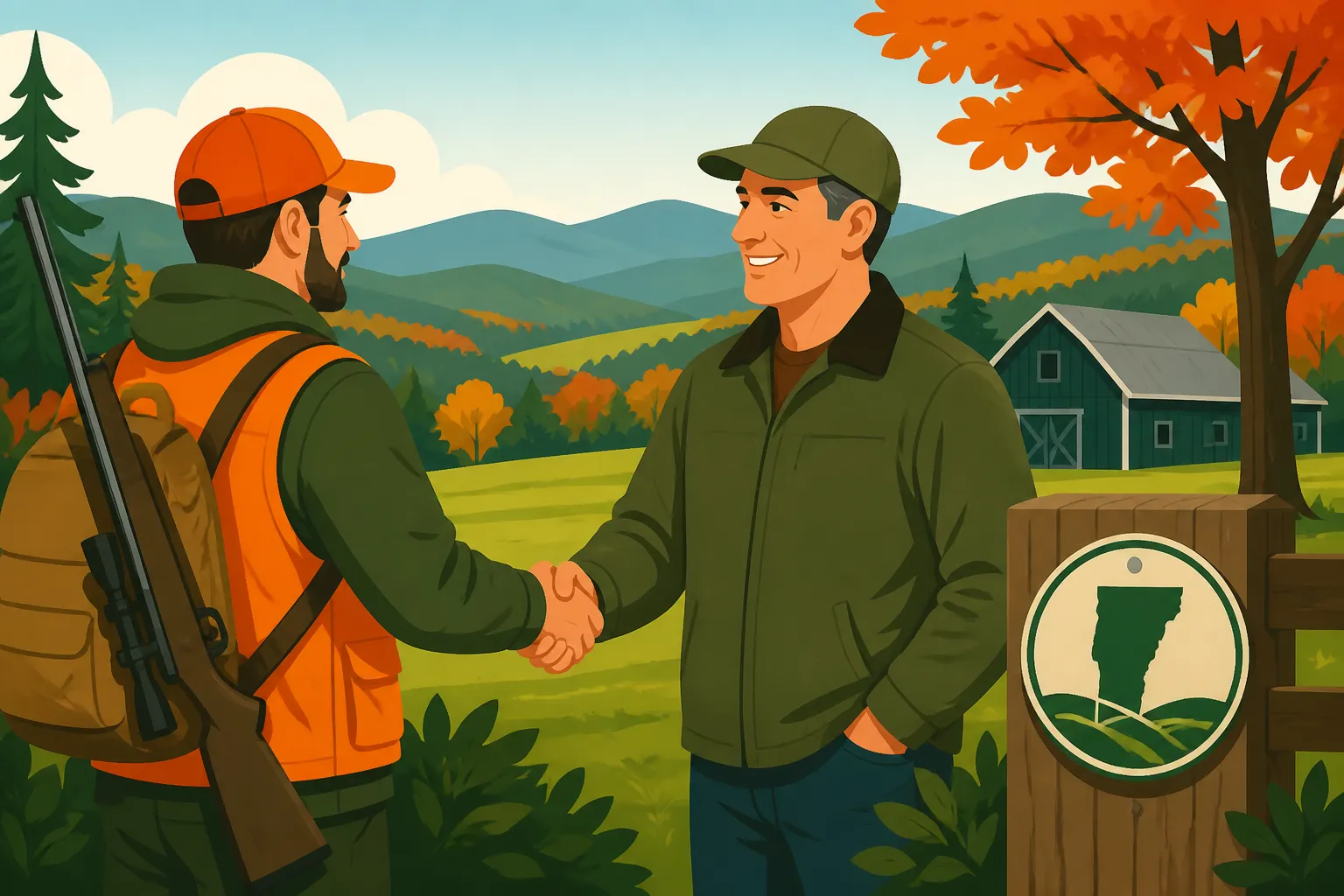
Start by introducing yourself by name and stating your purpose clearly and concisely: "Hello, my name is John Smith, and I live over in [your town]. I was hoping to speak with you for a few minutes about the possibility of hunting deer on your property." Be prepared for any response, from an immediate "yes" or "no" to a request for more information. Listen intently to their concerns, acknowledge their perspective, and be ready to answer questions honestly. This personal interaction is vital for building the trust that Vermont landowners value. Often, they're more likely to grant permission to someone they've met and had a genuine conversation with. When you can look them in the eye and shake their hand, it makes a huge difference.
Writing a Compelling Letter of Introduction
Sometimes, a face-to-face meeting isn't possible, or perhaps you prefer to make initial contact in writing, especially if you're approaching multiple landowners. A well-crafted letter can serve as an excellent introduction and open the door for a future conversation. Your letter should be polite, professional, and to the point. Include your full name, contact information, where you live, and clearly state your interest in hunting their specific parcel.
In the letter, briefly explain your commitment to ethical hunting, safety, and respect for their property. Mention that you've identified their land (perhaps including the onX Hunt map you printed) and explain why you're interested in it (e.g., "I've noticed your property has excellent deer cover and access to water, and I'm keen to help manage the local deer population"). Offer to meet in person at their convenience to discuss it further. End with a respectful closing and your signature. Sending a letter gives them time to consider your request without feeling pressured, and it shows you're serious and organized. It's often a great follow-up to an initial unsuccessful in-person visit, or a way to lay the groundwork for a call later on.
Leveraging Local Connections and Community Engagement
Sometimes, the best way onto private land isn't a cold call, but a warm introduction. If you know people in the area – perhaps through work, church, local clubs, or even other hunters – don't be afraid to ask if they know any landowners who might be open to granting permission. A mutual acquaintance can vouch for your character and significantly ease a landowner's concerns. "You know Farmer Jones? He knows me, and I hunt his back twenty. He'd tell you I'm a good, safe hunter." That kind of endorsement is priceless.
Beyond direct introductions, immersing yourself in the local community can naturally lead to opportunities. Patronize local businesses, attend town events, or volunteer for local causes. The more you're seen as a positive, contributing member of the community, the more trust you build. Landowners are often more inclined to grant access to someone they recognize or someone who has been vouched for by a trusted neighbor. Sometimes, simply talking to people at the general store about your hunting passion can lead to an unexpected lead. For instance, if you're looking for prime Hunting a Champlain Valley Dairy Farm Edge, local farmers or even neighbors might have insights or be able to connect you.
Building Trust and Maintaining the Relationship
Getting permission is just the first step; maintaining that permission, and potentially turning it into a long-term hunting opportunity, is about building and nurturing a relationship. This requires ongoing effort, respect, and a genuine appreciation for the access you've been granted. Think of it as a partnership, where both parties benefit.
Respecting Boundaries and Property Rules
This might sound obvious, but it's where many hunters inadvertently burn bridges. Once you have permission, clarify the exact boundaries of where you can and cannot hunt. Ask about specific no-go zones (e.g., "Please don't hunt within sight of the house," "Stay out of the back pasture where the horses graze"). Understand any restrictions on vehicle access, gate protocols (always close gates, even if they appear open), and where you can park. If the landowner has livestock, be extra vigilant about closing gates and not disturbing animals.
Beyond explicit rules, use common sense. Don't litter, pack out everything you pack in (and maybe a little extra trash you find). Avoid driving off designated roads, even if it seems like a shortcut. If you see something amiss on their property – a downed fence, suspicious activity – report it to them. Show them that you're a responsible visitor who cares about their land. Remember, this is their home, their livelihood, or their sanctuary. Treating it with anything less than utmost respect is a surefire way to lose your access. It goes a long way to show them that you're not just there for the hunt, but that you respect their investment and peace of mind.
Offering Assistance: Beyond Just Hunting
One of the most powerful ways to solidify your relationship with a landowner is to offer help that extends beyond the hunting season. Farmers often need an extra hand with chores – stacking firewood, mending fences, clearing brush, or even just helping to retrieve a runaway cow. Offering to help with these tasks, even for a few hours, can demonstrate your appreciation and create a sense of reciprocity. "If you ever need a hand with anything around the place, just give me a call" is a great line.
For landowners who don't farm, simple gestures like dropping off a portion of your venison, sharing fresh garden produce, or offering to plow their driveway after a big snowstorm can be incredibly meaningful. These acts of kindness show that you value the relationship and aren't just there to take. Many landowners appreciate having an extra set of eyes on their property, so simply offering to keep an eye out and report anything unusual can also be a valuable service. It transforms you from "hunter asking for a favor" to "trusted friend and helper."
Communicating Throughout the Season and Beyond
Good communication is the bedrock of any strong relationship. Keep the landowner informed. Let them know when you plan to be on their property, and check in with them periodically. If you harvest an animal, inform them immediately, and if they're interested, offer to show them. "Just wanted to let you know I'll be in the back woodlot Saturday morning, and I'll be out by noon," or "Got a nice doe yesterday morning, thank you again for the permission!" These small updates can prevent misunderstandings and reinforce your transparency.
Even after the season closes, don't let the relationship go cold. A simple thank-you card after the season, or a friendly wave if you see them in town, keeps the connection alive. If you plan to hunt there again next year, touch base well before the next season starts to renew your permission. Consistency and thoughtful communication demonstrate that you're reliable and truly appreciate the privilege of hunting their land. Some hunters even make a point to call them just to say hello and see how they're doing, entirely unrelated to hunting. This level of personal touch is what turns a one-time permission into a lasting hunting spot.
Navigating Common Landowner Concerns
Landowners often have very valid concerns when considering allowing strangers onto their property. Many have had negative experiences in the past, or have heard stories that make them wary. Your ability to understand, acknowledge, and proactively address these concerns will greatly increase your chances of securing permission. It’s about empathy and reassurance.
Addressing Safety and Liability Worries
Without a doubt, safety is often the number one concern for landowners. They worry about stray bullets, accidental injuries, and their own liability if someone gets hurt on their property. Be prepared to discuss your commitment to safe firearm handling, identifying your targets and backstops, and always knowing what's beyond your shot. If you're bowhunting, explain the inherently shorter range and quiet nature of archery equipment. You can highlight the fact that you will only be on their property during specific, agreed-upon times.
Regarding liability, Vermont law generally offers some protection to landowners who allow free public recreational use of their land, but many are still understandably nervous. You can assure them that you carry proper insurance as a responsible hunter, and that you understand and accept the inherent risks of hunting. Sometimes, a simple written agreement (which we'll discuss next) can help put their minds at ease, even if it's not strictly legally binding for every scenario. What they really want to know is that you're not reckless and won't put them or their property at risk.
Dispelling Misconceptions About Hunters
Unfortunately, not everyone understands hunting, and some landowners may hold misconceptions. They might associate all hunters with poaching, irresponsible behavior, or even a lack of respect for nature. This is where your actions and demeanor become incredibly important. You are an ambassador for the entire hunting community. Emphasize that you are a legal, ethical hunter who respects wildlife and the land.
You can explain how regulated hunting contributes to wildlife management and conservation, helping to keep deer populations healthy and balanced. If they have concerns about deer eating their garden or damaging crops, you can present yourself as part of the solution. Some landowners might even enjoy hearing about your hunting experiences or seeing pictures of a harvested animal, turning a potential skeptic into an interested observer. By being a positive example, you can slowly chip away at negative stereotypes and build a more accurate perception of responsible hunters. For instance, if you're interested in Hunting After a Poor Acorn Year, you can explain how deer might be impacting local crops due to a lack of natural forage, positioning your hunt as a beneficial act.
Understanding the "No" and What It Means
Despite your best efforts, sometimes the answer will be "no." It can be disheartening, but it's important to accept it gracefully and not take it personally. A "no" doesn't necessarily mean they dislike hunters or even you specifically. There could be many reasons:
- Past negative experiences: They might have had a bad encounter with a hunter years ago that made them close off their land permanently.
- Safety concerns: They might have small children, pets, or livestock, and hunting activity simply doesn't align with their comfort level.
- Current arrangements: They might already have family or friends who hunt their property, and they don't want to over-pressure the land.
- Personal philosophy: Some people simply don't believe in hunting, and you're unlikely to change their mind.
- Timing: You might have caught them at a bad time, or they're just not ready to make that decision.
When you receive a "no," thank them politely for their time and consideration. You can even ask, "I understand completely. Would it be alright if I checked back with you next year, or perhaps left you my contact information in case anything changes?" This leaves the door open without being pushy. Remember, a polite "no" today doesn't mean a "no" forever. Leave them with a positive impression, and you might find that door opens down the road. Never argue or try to guilt-trip a landowner. Your grace in rejection is a reflection of your character.
Formalizing Permission: Agreements and Considerations
While many hunting permissions in Vermont are granted with a simple handshake, having a more formal understanding, even if it's just a basic written agreement, can benefit both parties. It clarifies expectations, reduces misunderstandings, and provides a clear record of what was agreed upon. This isn't about legal battles; it's about clear communication.
The Value of Written Permission (Even if Not Required)
In Vermont, for unposted land (and even for some posted land depending on the specific posting), written permission isn't always legally mandated to hunt. However, having it is always a good idea. A simple written note, signed by both you and the landowner, outlining the terms of your access can save a lot of headaches down the road. It ensures that everyone is on the same page regarding the scope of the permission.
Think of it as a formal record of your conversation. It confirms that permission was explicitly granted, and it outlines any specific limitations. This can be invaluable if questions arise from neighbors, other hunters, or even law enforcement. It provides peace of mind for both you and the landowner, knowing that the terms are clear and documented. For example, if you're Holding Two Antlerless Permits in Different WMUs, having clear written permission for each property helps you manage your hunting strategy and avoids confusion. While Do You Need Written Permission in Vermont? is often debated, taking the initiative to formalize it shows a high level of professionalism.
Key Elements of a Simple Hunting Agreement
A hunting agreement doesn't need to be a complex legal document. A simple, one-page letter or form can suffice. Here are some key elements to include:
- Parties Involved: Your full name and the landowner's full name.
- Property Description: Clearly identify the property by address, parcel number, or a general description (e.g., "the woodlot behind the barn at 123 Main Street"). A map attached can be very helpful here.
- Type of Hunting: Specify what you're permitted to hunt (e.g., "deer hunting," "archery only for deer and turkey").
- Dates of Permission: The specific season dates or a general statement (e.g., "for the duration of the 2024 deer archery season").
- Specific Restrictions/Rules: Any agreed-upon limitations, such as:
- No vehicle access beyond a certain point.
- Specific entry/exit routes.
- No hunting within X feet of buildings.
- No overnight camping.
- Requirement to notify landowner before each hunt.
- Any specific game to be harvested (e.g., "antlerless deer only").
- Liability Waiver (Optional but Recommended): A statement that the hunter acknowledges the inherent risks and releases the landowner from liability (consult a legal professional for specific wording here).
- Signatures and Date: Both parties sign and date the agreement.
Keeping it simple and clear is the goal. The idea is to prevent misunderstandings, not to create a legal battleground.
The Benefits of Long-Term Relationships
The ultimate goal with private land access is to cultivate long-term relationships. A landowner who trusts you and has had positive experiences with you over multiple seasons is far more likely to grant continued access, and potentially even expand it. This consistency is invaluable for a hunter, as it allows you to truly learn a piece of land, understand deer patterns, and invest your scouting and stand placement efforts with confidence.
Long-term relationships mean you don't have to start from scratch every year. It means you might get a call from the landowner telling you they saw a big buck in a specific area, or that a new clear-cut has opened up access. It builds a sense of camaraderie and mutual respect. Some of the best hunting spots in Vermont are on private land, secured not by money, but by years of trust, good behavior, and a genuine appreciation for the landowner's generosity. This is the kind of access that can truly make a difference in your hunting success and overall enjoyment of the sport.
Alternative Avenues to Private Land Access
While directly knocking on doors is a time-honored tradition, it's not the only way to gain access to private land. There are other avenues worth exploring, each with its own set of considerations and benefits. These options can broaden your opportunities, especially if you're struggling to secure direct permission.
Hunting Clubs and Leasing Opportunities
Hunting clubs are groups of hunters who pool resources to gain access to private land, often through a lease agreement. This can be an excellent option for accessing larger tracts of land that might otherwise be unavailable or cost-prohibitive for an individual hunter. Joining a Vermont Hunting Club can provide not only access but also camaraderie, shared knowledge, and resources like established treestands, food plots, or even cabins. Club dues typically cover the lease cost, property taxes for the landowner, and sometimes habitat improvements.
Leasing land directly is another option, although it's generally more common for larger parcels and can be quite expensive, especially in prime hunting areas. Lease agreements are formal contracts between the landowner and the hunter (or group) that grant exclusive hunting rights for a specified period, usually a year. This guarantees access and often comes with more control over land management, but it requires a significant financial commitment. The Vermont Hunting Lease Costs can vary wildly depending on location, acreage, and game potential. Both clubs and leases require careful consideration of the terms, responsibilities, and financial implications.
Vermont's Landowner Deer Permit Program
Vermont has specific rules regarding landowners and deer permits. If a landowner owns at least 25 contiguous acres and primarily resides on that property, they may be eligible for a special landowner deer permit, which typically allows them to take an antlerless deer during certain seasons, regardless of the general antlerless permit lottery. While this permit is for the landowner themselves to use, it creates a potential connection point.
Understanding the Vermont Landowner Deer Permit Rules can be useful in your conversations. A landowner who isn't a hunter themselves but is eligible for such a permit might be open to having a trusted hunter help manage the deer population on their property, especially if they're experiencing deer damage. You could offer to help them utilize their permit, or simply highlight how your hunting efforts can benefit their property by keeping deer numbers in check. This program doesn't directly grant you permission, but it can provide common ground and a shared interest in deer management that opens the door to a discussion about hunting access.
Conservation Easements and Managed Lands
Beyond typical private landowners, there are other types of private lands that might offer hunting opportunities. Conservation easements, held by land trusts or state agencies, often have specific provisions for public access, including hunting. These lands remain privately owned but have permanent restrictions on development to protect their natural resources. The access rules can vary significantly from one easement to another, so it's essential to research each property specifically.
Similarly, some large timber companies or private estates might have managed hunting programs or offer limited access through permits or small fees. These opportunities are less common for the average hunter, but they do exist, particularly in areas like the Northeast Kingdom where large tracts of timberland are common. Checking with local land trusts or state agencies about properties under their protection or management can sometimes reveal these hidden gems. While you might not be Hunting a Land Trust Easement Property on every outing, these properties can provide additional avenues for access that are distinct from traditional public lands or single-owner private parcels. You might even find opportunities to hunt Hunting a Utility Corridor Right-of-Way that crosses private land where the utility company has an easement, though you'd still need to confirm permission from the underlying landowner.
Disclaimer
This article is for general informational purposes only and does not constitute professional advice. Laws, prices and regulations vary by location and change over time. Consult a qualified professional for guidance on your specific situation.