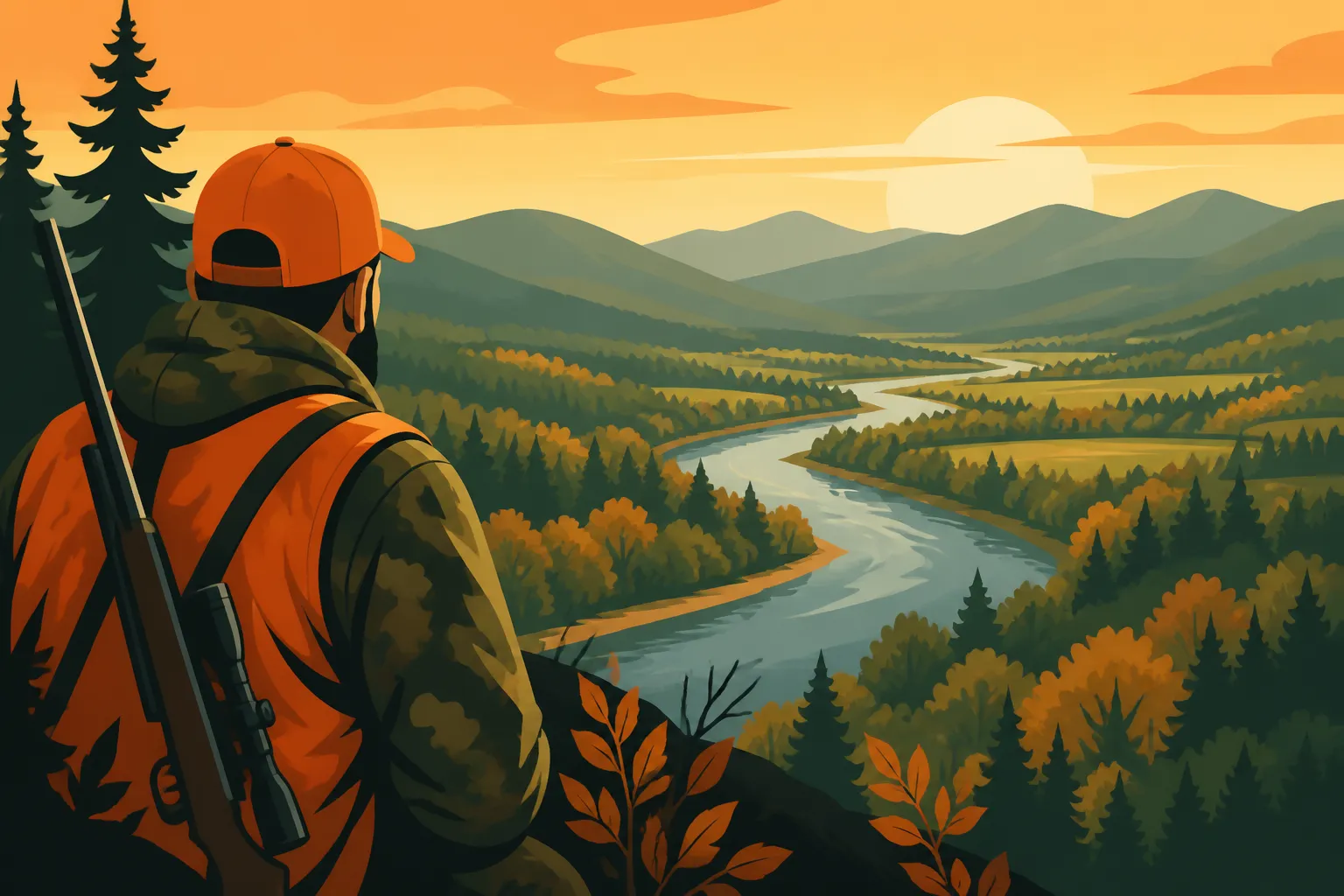
Hunting the Winooski River Valley
Hunting the Winooski River Valley presents a truly unique set of challenges and opportunities for the Vermont sportsman. Unlike the vast, uninterrupted timber of the Green Mountains or the expansive agricultural fields of the Champlain Valley, the Winooski River meanders through a fascinating tapestry of urban development, suburban fringe, sprawling farmlands, and dense riparian corridors. This guide will walk you through understanding this complex landscape, identifying the game that thrives here, and navigating the critical access issues to make your hunt successful.
Understanding the Winooski River Valley's Unique Habitat
The Winooski River Valley, cutting across central Vermont from the mountains to Lake Champlain, creates a distinct habitat that attracts a variety of game. This isn't your typical big-woods hunt or open-field decoy spread; it's a dynamic mix that demands adaptability and keen observation.
The Interplay of Water, Agriculture, and Development
The river itself is the lifeblood of this corridor, carving out fertile bottomlands that are prime for agriculture. You’ll find extensive cornfields, hay meadows, and dairy pastures right up against the riverbanks, often interspersed with pockets of mature hardwoods and dense brush. This rich agricultural bounty provides an irresistible food source for deer, turkeys, and even resident waterfowl.
However, the Winooski also flows through increasingly developed areas, particularly around Burlington and Montpelier. This means you're dealing with a landscape where wildlife is accustomed to human presence, and hunting opportunities often exist on the very edges of residential zones. The deer in these areas are often incredibly cagey, used to seeing people but highly sensitive to overt hunting pressure. Turkeys might roost in suburban woodlots but fly down to feed in nearby corn stubble. Waterfowl will utilize both the main river channel and smaller oxbows or flooded fields. Understanding how these elements—water, agriculture, and development—interact is key to predicting game movement. It’s a constant puzzle, but when you crack it, the rewards can be significant.
Riparian Corridors and Woodlot Edges
The narrow strips of timber and brush that line the Winooski River, known as riparian corridors, are absolute magnets for wildlife. These areas offer crucial cover, bedding opportunities, and travel routes for deer, especially as they move between agricultural feeding areas and more secluded bedding locations. Think of them as natural highways for game. These corridors can sometimes extend for miles, providing continuous, if narrow, patches of security cover.
Beyond the immediate riverbanks, you'll also find smaller woodlots scattered throughout the valley, often surrounded by fields or residential properties. These woodlots, even if relatively small, can hold significant numbers of deer and turkeys, particularly if they offer thick undergrowth for bedding or mast crops like acorns and beech nuts. The edges where these woodlots meet agricultural fields are classic ambush points, especially during the early morning and late afternoon hours. Pay close attention to these transitional zones, as they are where the action often happens. Hunting a Funnel Between Two Woodlots is a concept that applies perfectly here, as deer often use these constricted areas to move through the landscape.
Species You'll Find and How to Hunt Them Here
The Winooski River Valley supports a surprising diversity of huntable game, each requiring a slightly different approach tailored to this unique environment.
Deer Hunting in a Fragmented Landscape
Hunting deer in the Winooski River Valley means adapting to an environment where cover and food are abundant but often fragmented. Deer here tend to be masters of using small pockets of cover, thick hedgerows, and the aforementioned riparian corridors to their advantage. They'll often bed down in dense brush just yards from a busy road or feed quietly in a cornfield adjacent to houses.
Successful deer hunting in this area often revolves around:
- Scouting for Travel Routes: Look for pinch points, ditch crossings, and subtle funnels within the riparian zones or between small woodlots and fields. Deer will consistently use these routes to move between bedding and feeding areas. Reading Vermont Mud for Fresh Deer Movement can be incredibly insightful here, as tracks will tell you exactly where deer are concentrating their travel.
- Utilizing Elevated Stands: Treestands or elevated ground blinds can be invaluable, offering a better vantage point over dense cover or across open fields. They also help keep your scent above the primary travel lanes of deer. However, always be mindful of local regulations, especially if you're near residential areas.
- Understanding Pressure: Deer in the Winooski Valley are often pressured. They might become nocturnal very quickly once the season opens, especially if they sense human intrusion. Being in your stand well before first light and staying until after dark is crucial. Hunting Pressure on Vermont Public Land can give you a broader understanding, but the principles apply even more intensely in these mixed-use zones.
Turkey Hunting Opportunities
The Winooski River Valley is a fantastic place for wild turkeys. The blend of mature hardwoods for roosting, open fields for feeding, and dense undergrowth for security creates ideal turkey habitat. Both spring and fall seasons can be productive here.
- Spring Gobblers: In spring, you'll find gobblers strutting in hayfields and pastures, often near the edges of woodlots or along river bends. Listening for gobblers on the roost before dawn can pinpoint their locations. Setting up on a field edge and calling aggressively can often draw a bird in. Remember, Vermont residents have a Vermont's Resident-Only Two-Bird Turkey Limit in the spring, offering more opportunity.
- Fall Flocks: Fall turkey hunting often involves locating flocks feeding in corn stubble or hardwood stands. Breaking up a flock and then calling the scattered birds back together can be incredibly effective. Shotgun seasons in specific WMUs are available, but the statewide archery window for fall turkeys is a great option in the valley. Fall Turkey Hunting Vermont's Statewide Archery Window allows you to pursue these birds with different tactics.
Waterfowl Along the River
While not as renowned as Lake Champlain or the Connecticut River, the Winooski River itself offers surprising waterfowl opportunities, especially for puddle ducks like mallards and wood ducks, and often Canada geese.
- Jump Shooting: Small stretches of the river, especially those with dense bankside cover, can be excellent for jump shooting. Stealthily approaching bends and oxbows can often flush birds at close range.
- Decoying Small Ponds/Flowages: If you find oxbows, flooded low-lying fields, or smaller beaver flowages off the main river channel, setting up a small decoy spread can be highly effective. Early morning is prime time. The principles for Decoying Ducks on Lake Champlain can be adapted to these smaller, more intimate water bodies.
- Field Hunting Geese: If you have access to cut cornfields or hayfields near the river, geese will often come to feed, especially later in the season. A layout blind and a spread of full-body goose decoys can lead to fantastic hunts.
Winooski Valley Game and Habitat Overview
| Species | Primary Winooski Habitat | Key Hunting Strategy |
|---|---|---|
| White-tailed Deer | Riparian corridors, woodlot edges, corn/hay fields, thickets | Elevated stands, scouting travel routes, adapting to pressure |
| Wild Turkey | Hardwood ridges, field edges, riparian roosts | Calling in spring, breaking flocks in fall, field edge setups |
| Waterfowl (Ducks/Geese) | River bends, oxbows, flooded fields, corn stubble | Jump shooting, small decoy spreads, field blinds for geese |
| Eastern Coyote | Field edges, woodlots, deer travel corridors | Calling, ambushing along established routes |
| Squirrel | Mature hardwoods, riverbottom timber | Still-hunting, slow walks through nut-bearing trees |
Small Game and Predator Pursuits
Don't overlook the small game and predators of the Winooski Valley. Squirrels are abundant in the mature river bottom hardwoods, offering a fun and accessible hunt. Squirrel Hunting Vermont Hardwoods can be a relaxing way to spend a fall day. Coyotes are also prevalent, often following deer trails and preying on smaller animals. Coyote Calling Vermont Farm Country can be very effective in this mixed agricultural and wooded landscape, especially during winter when deer are concentrated.
Navigating Access and Permissions Along the River
Access is arguably the biggest hurdle when hunting the Winooski River Valley. With the mix of private land, fragmented public parcels, and encroaching development, knowing where you can legally hunt is paramount.
The Critical Need for Private Land Permission
Much of the prime hunting ground along the Winooski River is privately owned, whether by farmers, individual landowners, or businesses. This means gaining explicit permission is not just a courtesy but a legal necessity. Vermont law requires permission to hunt on private land.
- Asking for Permission: Don't be shy, but always be respectful. Approach landowners well in advance of the season, preferably in person. Be neat, polite, and explain your intentions clearly. Offer to help with chores, share some of your harvest, or provide your contact information. Many landowners are receptive, especially if deer are causing damage to their crops. The guide on Knocking on Doors in Champlain Valley Farm Country offers invaluable advice that applies directly to the Winooski Valley. Remember, Vermont Trespass and Permission Law is clear on the need for consent.
- Building Relationships: A single "yes" can open up years of hunting opportunity. Being a good steward of the land, respecting boundaries, and following through on any promises (like closing gates or not driving on wet fields) will go a long way in maintaining that relationship.
Utilizing Mapping Tools Like onX Hunt and GoHunt
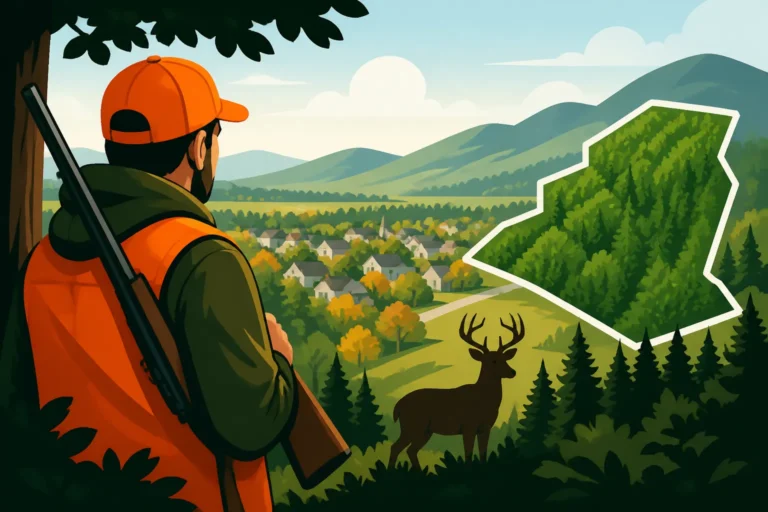
In a fragmented landscape like the Winooski River Valley, digital mapping tools are absolutely indispensable. Services like onX Hunt and GoHunt provide detailed satellite imagery overlaid with property ownership information, public land boundaries, and topographic maps.
- Identifying Public Access: These apps allow you to quickly identify state lands, Wildlife Management Areas (WMAs), or other public parcels that might be available for hunting. Sometimes, a small sliver of public land, often overlooked, can be the key to accessing a larger block of private property with permission.
- Defining Boundaries: Knowing precisely where property lines lie is crucial, especially when hunting close to residential areas or on private land with permission. You can clearly see where your permitted hunting area ends and where a neighbor's property begins, preventing accidental trespassing. This is particularly useful for avoiding issues with Vermont Posted Land Rules.
- Scouting from Afar: You can use these apps to scout potential access points, identify natural funnels, pinpoint bedding areas, and locate food sources without ever setting foot on the ground. This saves valuable time and ensures you're maximizing your efforts when you do go afield.
Essential Gear and Strategies for River Valley Hunting
Hunting the Winooski River Valley means being prepared for a dynamic environment. Your gear and strategies need to be versatile enough to handle everything from thick river bottom brush to open agricultural fields.
Footwear and Clothing for Varied Terrain
The terrain along the Winooski can be wet, muddy, and rugged, even if not steeply vertical. You'll likely encounter swamps, deep mud, thick tangles of multiflora rose and briars, and potentially shallow water.
- Waterproof Boots: Absolutely essential. A good pair of knee-high rubber boots or waterproof hiking boots will keep your feet dry when crossing small streams, navigating muddy edges, or pushing through dew-soaked grass. Boots for Green Mountain Ridge Terrain might be overkill for elevation, but the waterproof aspect is critical.
- Durable Clothing: Your outer layers need to be tough enough to withstand pushing through heavy cover without tearing. Briar-resistant pants or chaps can save you a lot of discomfort and extend the life of your gear.
- Layering for Variability: Even in the valley, Vermont weather can change quickly. Layering is always a smart choice, allowing you to adapt to temperature swings from chilly pre-dawn hours to warmer midday sun. Layering for Vermont's Long Hunting Season offers excellent advice.
Stealth and Stand Placement
Given the potential for higher hunting pressure and the proximity to human activity, stealth is paramount.
- Quiet Movement: Minimize noise as you approach your stand or still-hunt. Avoid snapping twigs, dragging your feet, or rustling clothing. Deer in these areas are highly attuned to unnatural sounds.
- Scent Control: While no scent control product is a magic bullet, taking steps to reduce your scent profile can give you an edge, especially on pressured deer. Showering, washing hunting clothes in scent-free detergent, and storing them properly are good practices.
- Strategic Stand Locations: Focus on the edges of fields where they meet woodlots, tight funnels within riparian zones, and areas with fresh sign between bedding and feeding. Consider entry and exit routes that minimize disturbance to the hunting area. Hanging a Stand on a Champlain Valley Field Edge provides relevant insights that can be applied along the Winooski.
Optics and Other Key Gear
Good optics and a few other essential items will significantly enhance your hunting experience in the Winooski Valley.
- Binoculars: Even though shots might be closer in denser cover, binoculars are invaluable for scanning open fields, identifying movement in distant woodlots, and confirming what you see in thick brush. A good pair of 8x or 10x binoculars are perfect. Best Binoculars for a Northeast Kingdom Bog might be for a different habitat, but the principle of good quality glass applies.
- Rangefinder: With shots potentially ranging from close quarters in brush to across a hayfield, a rangefinder ensures you make an ethical shot by knowing your exact distance.
- Headlamp: Crucial for navigating to and from your stand in the dark, especially when crossing unfamiliar terrain or private land with permission.
- First Aid Kit: Even on a short day hunt, accidents can happen. A basic first aid kit is a must-have for any outdoor excursion.
- Game Bags: If you're successful, having quality game bags will protect your venison from dirt and insects, especially if you have a bit of a haul back to the truck.
Hunting the Winooski River Valley is a rewarding experience that demands a nuanced approach. By understanding the unique blend of habitat, focusing on specific game strategies, meticulously managing access, and bringing the right gear, you can unlock some truly exceptional hunting opportunities close to Vermont's population centers.
Disclaimer
This article is for general informational purposes only and does not constitute professional advice. Laws, prices and regulations vary by location and change over time. Consult a qualified professional for guidance on your specific situation.