Hunting the White River Valley
For many hunters, the mention of Vermont conjures images of rugged Green Mountain peaks or sprawling Champlain Valley farm fields. But nestled in the heart of the state, the White River Valley offers a distinctly different, yet equally rewarding, hunting experience that can feel overlooked. It’s a place where the river carves through a diverse landscape of rolling hills, dense timber, and small agricultural pockets, creating unique challenges and abundant opportunities for those willing to learn its rhythms. This guide will walk you through what makes the White River Valley special, how to approach its varied terrain, and strategies to find success in this often-misunderstood region.
Understanding the White River Valley's Unique Hunting Landscape
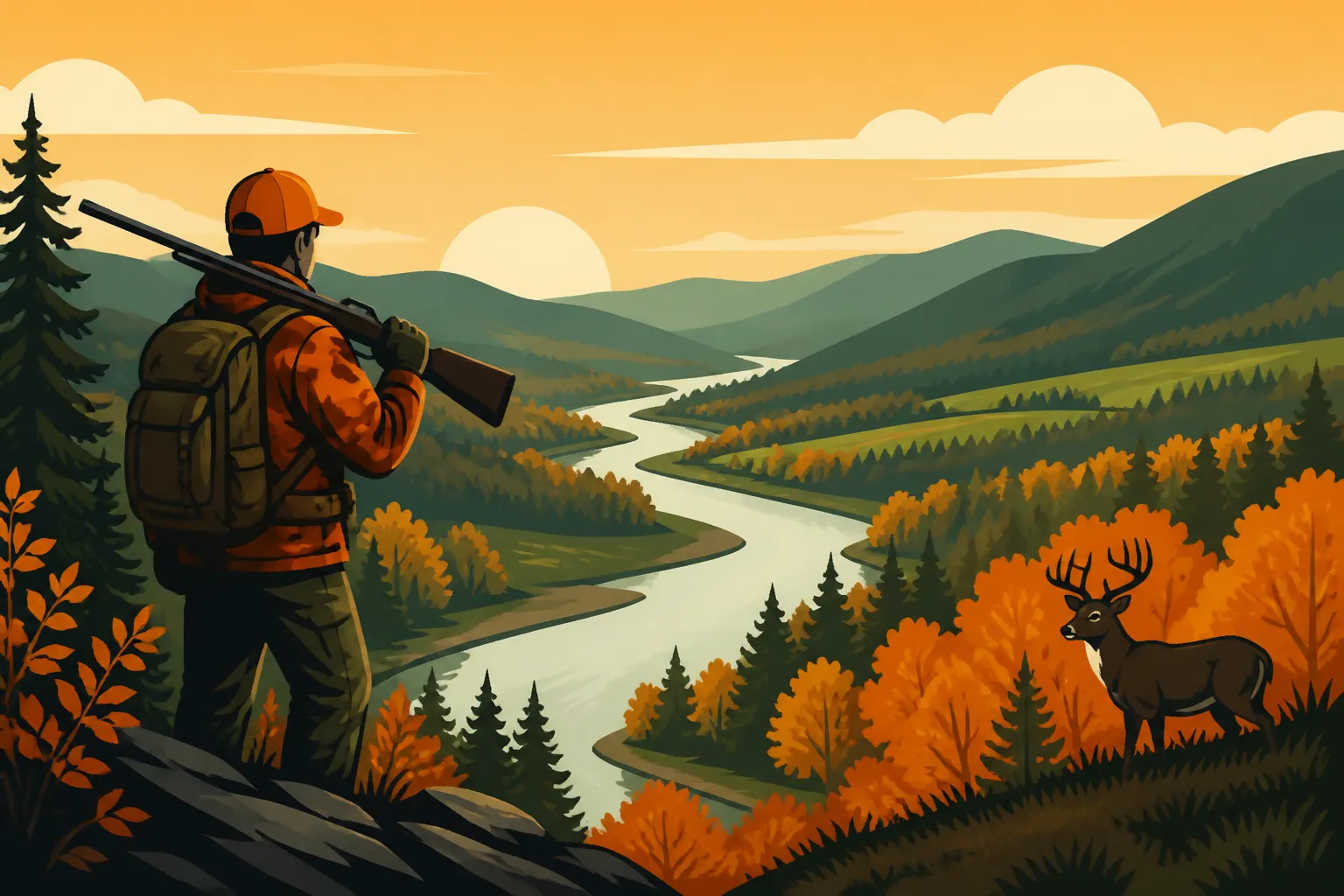
The White River Valley isn't just one type of terrain; it's a dynamic tapestry woven from different habitats. The White River itself, a major tributary of the Connecticut River, dictates much of the geography, carving out bottomlands and influencing the surrounding hillsides. This creates a fascinating mix of deciduous forests, pockets of evergreens, old fields transitioning to new growth, and occasional working farms right along the river corridor. It’s this diversity that makes hunting here both challenging and incredibly rewarding, as deer, turkeys, and even bears use these varied zones for different purposes throughout the seasons.
You'll encounter steeper slopes and benches as you move away from the river, especially towards the higher elevations that border the Green Mountain National Forest lands to the west. Down in the valley floor, however, the terrain is often gentler, characterized by agricultural fields—hay, corn, or even old apple orchards—that often butt right up against dense woodlots. This kind of mixed habitat is a magnet for deer, especially during the colder months when food sources become critical. Understanding these transitions is key to unlocking the valley's potential, as game animals will move between these areas based on food, cover, and hunting pressure.
Key Hunting Strategies for White River Valley Whitetails
Deer are, without a doubt, the primary draw for many hunters in the White River Valley. Unlike some of the vast, unbroken wilderness areas, the valley’s whitetails are often accustomed to living in closer proximity to human activity, albeit often elusive. This means your approach might need to be a little different than a deep woods hunt.
Focusing on River Bottoms and Agricultural Edges
The river bottomlands themselves are critical travel corridors and feeding grounds. Deer will often utilize the cover along the riverbanks, moving under the canopy of mature trees or through thick brush. During the early archery seasons, these areas can be exceptionally productive, especially if there are mast crops like acorns or apples dropping nearby. As the season progresses into rifle and muzzleloader periods, these riverine corridors remain important, particularly for bucks scent-checking for does. You might find great success by focusing your efforts on these natural funnels. Hunting a Funnel Between Two Woodlots is a concept that applies beautifully here, especially where woodlots neck down near the river or a field edge.
However, don't overlook the agricultural edges. Those corn fields, even if cut, still offer residual food and cover, and the deer often browse the edges or travel along them from bedding to feeding areas. Setting up on a field edge, particularly one that transitions into a thick woodlot, can be incredibly effective. Consider using mapping apps like onX Hunt to identify these transition zones and pinpoint likely travel routes or pinch points where deer might cross. Remember that deer in these areas are highly sensitive to pressure, so stealthy entry and exit routes are paramount.
Navigating the Valley's Varied Topography for Deer
While the river bottoms are important, the hillsides leading up from the valley floor also hold significant numbers of deer. These slopes, often a mix of hardwoods and some scattered conifers, provide excellent bedding cover. Deer will frequently bed on benches or slight rises that offer them a good vantage point to detect predators, utilizing the wind and thermals to their advantage. Wind and Thermals in Steep Green Mountain Terrain are crucial factors to consider here. In a valley setting, thermals will typically rise in the morning as the sun heats the ground and fall in the evening as the air cools. This means your approach and stand placement might need to change from morning to evening to keep your scent out of a deer's nose.
Look for signs of deer activity on these slopes: rubs, scrapes, and well-used trails. Pay particular attention to areas where different types of cover converge, such as where an old clear-cut is growing back, offering thick browse, meeting mature timber. Hunting a Clear-Cut Regrowth Edge can be incredibly effective, as these areas are often magnets for deer seeking food and cover.
Beyond Deer: Turkey and Small Game Opportunities
The White River Valley isn’t just for deer hunters. Its diverse habitat also provides excellent opportunities for other game, particularly wild turkeys and a variety of small game species.
Chasing Gobblers in the Spring and Fall
The mix of mature hardwoods for roosting, open fields for strutting, and dense undergrowth for security makes the White River Valley prime turkey habitat. Spring turkey hunting here can be fantastic, with gobblers often roosting on the valley's higher slopes and then flying down to fields or open timber patches at first light. Positioning yourself strategically between their roosting area and their likely morning feeding ground can lead to some exciting encounters. Calling an Early May Gobbler Off the Roost is a classic strategy that can pay dividends here.
Fall turkey hunting also offers unique opportunities. Instead of calling in a lovesick gobbler, your strategy shifts to breaking up a flock and then calling the scattered birds back together. The dense woodlots and varied topography of the White River Valley provide ample cover for this tactic. Working a Fall Flock Apart Statewide With a Bow is a rewarding, albeit challenging, way to fill a fall tag. The key is knowing where the birds are, scattering them effectively, and then patiently calling them back in using soft hen yelps and clucks.
Small Game and Furbearer Pursuits
For those who enjoy a brisk walk through the woods with a shotgun or a .22, the White River Valley holds plenty of small game. Squirrels are abundant in the hardwood forests, especially in areas with a good mast crop. Snowshoe hares can be found in the denser softwood thickets and swamps, offering a fast-paced hunt, often with hounds. Ruffed grouse, while their numbers fluctuate, can still be found in pockets of young, regenerating timber and along old logging roads, providing exciting wing-shooting opportunities.
Furbearers like coyotes are also present throughout the valley. Their numbers tend to be strong, and their adaptability means they can be found in agricultural areas, along river corridors, and deep in the timber. Calling coyotes, particularly in the colder months when their fur is prime and they are actively looking for food, can be a thrilling pursuit. For more comprehensive information, you might look into Small Game and Predator Hunting in Vermont.
Accessing Land in the White River Valley
One of the biggest questions any hunter faces is "Where can I hunt?" In the White River Valley, the answer is a combination of public and private lands, each with its own considerations.
Public Land Opportunities
While not as dominant as in some other regions, the White River Valley does have accessible public lands, including various State Forests and smaller Wildlife Management Areas (WMAs). These lands are open to public hunting and offer a fantastic resource. Some State Forests, like Downer State Forest in Sharon or Coolidge State Forest near Plymouth, encompass significant acreage that can be highly productive. Always check the Vermont Fish and Wildlife Department's website or use a hunting app to confirm specific regulations and boundaries for any public land you plan to hunt. Public Hunting Land in Vermont provides a broader overview of these opportunities.
When hunting public land here, be prepared to walk. While some areas have old logging roads, getting off the beaten path is often key to finding less pressured animals. Using tools like onX Hunt or GoHunt to scout aerial photos and topographical maps before you even set foot in the woods can give you a massive advantage. These apps allow you to identify potential bedding areas, travel corridors, and even specific stand locations from the comfort of your home. They can also clearly delineate property lines, which is crucial for staying legal and avoiding trespass. Reading Aerial Photos for Green Mountain Deer is a great way to start planning your public land excursions.
| Public Land Type | Typical Habitat | Primary Game Opportunities | Notes |
|---|---|---|---|
| State Forests | Mixed hardwoods, some softwoods, old growth | Deer, Turkey, Bear, Squirrel, Grouse | Larger tracts, often with interior road systems |
| Wildlife Management Areas | Varies greatly: wetlands, fields, timber | Deer, Waterfowl (near water), Turkey, Small Game | Often managed for specific habitat/species. Check specifics. |
| Class 4 Town Roads | Connects private/public, often overgrown | Deer, Turkey (travel corridors) | Legal access, but always be mindful of private land nearby |
| Green Mountain National Forest (edges) | Steep hardwoods, conifers, high elevation | Deer, Bear, Moose (rarely), Turkey | Some parts of the White River watershed touch GMNF land |
Navigating Private Land and Gaining Permission
Much of the White River Valley is privately owned, comprising residences, working farms, and timber tracts. Gaining permission to hunt private land can dramatically expand your opportunities and often leads to less pressured hunting. The key is respect, good manners, and a clear understanding of the landowner's wishes. Getting Private Land Permission in Vermont is an invaluable resource for this.
Start by identifying properties that look promising from aerial maps, particularly those with good habitat or adjacency to public land. Then, and this is the most crucial step, knock on doors. Introduce yourself, explain your intentions clearly, and be willing to offer assistance with chores or share your harvest. Many landowners appreciate responsible hunters who are respectful of their property. Be prepared for "no," but remember that a polite request can sometimes open doors to incredible hunting experiences. Sometimes, even if they don't allow hunting, they might point you towards a neighbor who does.
Practical Considerations for Hunting the White River Valley
Hunting in the White River Valley, like anywhere in Vermont, requires thoughtful preparation and an understanding of local conditions.
Gear Up for Diverse Conditions
The terrain here can be deceptive. While river bottoms are relatively flat, the climbs up the hillsides can be steep and rugged. You'll want good, supportive boots that can handle both wet, muddy conditions along the river and rocky, uneven ground on the slopes. Boots for Vermont's Steep Terrain are a must-have. Layering your clothing is also critical, as morning temperatures in the valley can be significantly cooler than midday, and conditions can change rapidly. A base layer, mid-layer, and a good waterproof/windproof outer shell will serve you well.
Navigation is another key. While cell service might be spotty in some of the deeper pockets of the valley, having a reliable GPS unit or a mapping app like onX Hunt with downloaded offline maps is essential. This helps you keep track of property lines, mark important sign, and navigate safely, especially when hunting after a cold front or in low light.
Scouting and Adaptability
The White River Valley rewards the adaptable hunter. Game movements, especially deer and turkey, can change based on food availability, weather patterns, and hunting pressure. Regularly scouting, both before and during the season, will give you an edge. Look for fresh tracks, droppings, rubs, and scrapes to indicate recent activity. Pay attention to what food sources are available – is it an apple year? Are the acorns falling early? These factors will influence where animals are concentrated.
Being able to adjust your strategy on the fly is important. If the deer aren't moving along the river corridor, perhaps they've shifted to a higher bedding area on a hillside bench. If the turkeys aren't responding to calls in the open fields, maybe they're holding tight in a dense softwood stand. The White River Valley is a place of constant subtle change, and the hunter who can read and react to these changes will find the most consistent success.
Disclaimer
This article is for general informational purposes only and does not constitute professional advice. Laws, prices and regulations vary by location and change over time. Consult a qualified professional for guidance on your specific situation.