Hunting the West River Valley
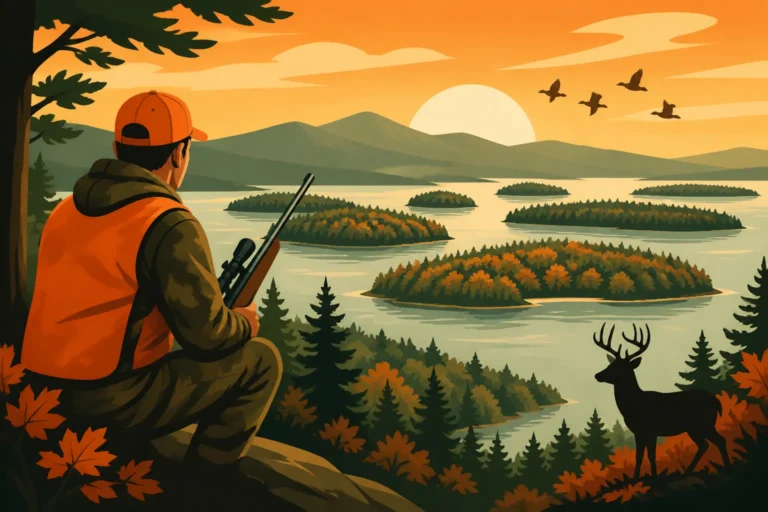
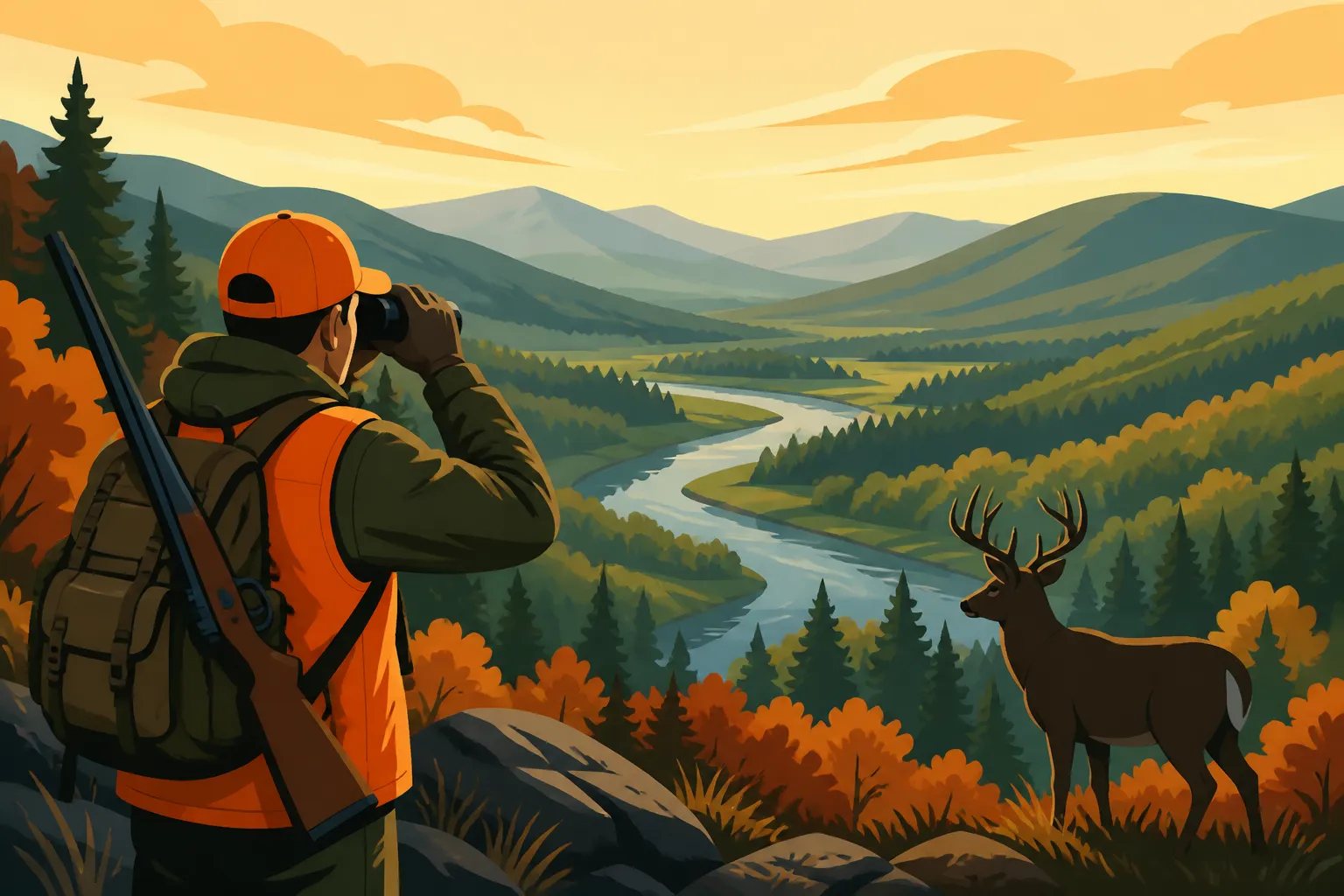
The West River Valley, nestled in southeastern Vermont, presents a unique and sometimes challenging landscape for hunters. It's not always the wide-open, easy-to-read terrain you might find elsewhere. Instead, hunters often face a mix of dense hardwoods, winding waterways, and steep hillsides that can make understanding deer movement and finding prime hunting spots feel like cracking a secret code. This guide aims to demystify hunting in the West River Valley, providing insights into its diverse habitat, the game animals that call it home, and practical strategies to increase your chances of a successful hunt in this beautiful, yet often overlooked, part of Vermont.
The Lay of the Land: Understanding the West River Valley's Unique Habitat
The West River Valley is a distinct geographic feature in Vermont, characterized by the West River itself, which flows roughly south through towns like Londonderry, Jamaica, Wardsboro, and Townshend before emptying into the Connecticut River. This isn't just a river corridor; it's a dynamic ecosystem shaped by elevation changes, water features, and varied timber stands. Understanding these elements is crucial for any hunter looking to consistently find game here.
River Features and Bottomland Dynamics
The West River itself and its numerous tributaries create a network of bottomlands, floodplains, and riparian zones. These areas are often prime real estate for deer, turkeys, and even bears, especially during certain times of the year. The rich soils here support lush vegetation, offering crucial browse and cover. Think about those winding creek bottoms or the flatter stretches where the river meanders; these spots can act as natural travel corridors, drawing deer from higher elevations down to feed or seek shelter. Hunters often find success by focusing on the edges of these floodplains, where thickets provide bedding cover adjacent to more open feeding areas. The river itself, or its larger tributaries, can also be a barrier, forcing game into predictable crossings, creating choke points that are perfect for a well-placed stand.
During periods of high water, the dynamics shift. Game might be pushed to higher ground, making areas that are typically productive less so. Conversely, as waters recede, new food sources might emerge on the exposed banks. It's always a good idea to observe how water levels influence game movement in your chosen hunting area. Knowing the topography and anticipating how deer will react to changes in the river's flow can give you a significant advantage. This intimate knowledge of local water features is a game-changer.
Steep Hillsides and Diverse Timber Stands
Beyond the river bottoms, the West River Valley quickly transitions into a landscape of steep hillsides and mountains, covered in a mosaic of hardwood and softwood forests. You'll find expansive sugar maple and beech stands, providing critical mast crops in the fall, interspersed with pockets of hemlock, spruce, and pine that offer thermal cover during the colder months. These diverse timber types create varied habitats, each appealing to different game species or supporting deer at different times of the season.
The elevation changes here mean that understanding wind and thermals is absolutely paramount. Air currents in the mountains can be tricky, often flowing uphill in the morning as the sun warms the slopes and downhill in the evening as the air cools. A slight breeze in the valley floor might be a roaring gust on a ridge. Wind and Thermals in Steep Green Mountain Terrain is a crucial topic to master if you plan to hunt these higher elevations. Deer often bed on benches or saddles high on these hillsides, where they can watch their backtrail and smell anything approaching from below. Scouting these areas for old logging roads, natural funnels created by terrain, or pinch points between thick cover and more open woods can reveal consistent travel routes. This is where a robust mapping application like onX Hunt becomes invaluable, allowing you to visualize elevation contours, identify potential bedding areas, and mark promising travel corridors before you ever step foot in the woods.
Hunting Opportunities: Deer, Turkey, and More in the West River Valley
The West River Valley is not just scenic; it's also teeming with wildlife, offering excellent opportunities for various game species. While deer and turkey tend to be the stars of the show for many hunters, bears and even small game can provide thrilling pursuits.
Whitetail Deer: Adapting to the Landscape
Whitetail deer are the primary draw for many hunters in the West River Valley. The deer herd here is healthy, though deer densities can vary significantly depending on the specific habitat. You'll often find bigger-bodied deer in the agricultural fringes of the valley, where food sources are plentiful, while the deer in the steeper, more remote sections might be a bit smaller but incredibly wary. During the early archery season, deer are often still on predictable summer patterns, frequenting apple orchards, oak ridges, and established feeding areas. Hunting a Standing Apple Orchard is a classic strategy in these parts, as deer will hammer fallen fruit.
As the season progresses into late October and November, the rut becomes the driving force. Bucks start cruising, actively seeking does, and their movements become less predictable but often more aggressive. Focusing on pinch points, saddles between ridges, and thick cover near known doe bedding areas can be incredibly effective. Consider how Hunting a Ridge-Top Saddle for Rutting Bucks could pay off big time when the deer are on the move. Later in the season, when snow blankets the ground and temperatures plummet, deer will often congregate in wintering yards, typically dense softwood thickets that offer thermal protection and a reprieve from deep snow. Finding and understanding these yards is key to late-season success.
Wild Turkeys: Roosting and Ranging
The West River Valley also boasts a robust wild turkey population, offering both thrilling spring gobbler hunts and challenging fall pursuits. In the spring, the valley's mix of open fields, mature hardwoods, and dense riparian areas provides ideal turkey habitat. Birds will often roost in tall trees along the river or on prominent ridge lines, fanning out into fields or open woods to feed after flydown. Calling a May Gobbler Off the Roost is an exhilarating experience, and understanding the terrain of the West River Valley can help you set up perfectly.
Fall turkey hunting presents a different challenge. Flocks are often larger and more wary, and the goal is often to "break up" a flock and then call individual birds back in. The mast crop – especially beechnuts and acorns – greatly influences where turkeys will be feeding in the fall. If it's been a poor acorn year, for instance, they might be concentrating on other food sources or ranging more widely. Working a Fall Flock Apart Statewide With a Bow is an effective tactic that works perfectly in the varied terrain of the West River Valley, whether you're using a bow or a shotgun. The extensive timber in this region gives you plenty of room to maneuver and get ahead of scattered birds.
Black Bears and Small Game
While not as targeted as deer or turkey, black bears are increasingly common in the West River Valley and offer an exciting challenge. Bears will often be found in areas rich with natural food sources, like berry patches in late summer or oak and beech ridges during the fall mast crop. Scouting for scat, overturned rocks, and claw marks on trees can indicate bear activity. Early season bear hunting can be particularly productive near these abundant food sources. Spot-and-Stalk Bear Hunting a Beech Ridge can be a great way to encounter a bear in this area.
For those looking for a different kind of outdoor adventure, the valley's diverse forests also support healthy populations of small game. Squirrels are abundant in the hardwood stands, especially during good mast years, providing fast-paced hunting opportunities. Squirrel Hunting Vermont Hardwoods can be a fantastic way to spend a crisp autumn day. Snowshoe hare can be found in denser conifer thickets and swamps, offering a fun hunt, particularly when snow blankets the landscape.
Strategic Access and Effective Hunting Tactics
Hunting the West River Valley effectively requires a blend of diligent scouting, smart access planning, and adaptable hunting strategies. This region offers a mix of public and private lands, each with its own nuances.
Public Land Opportunities
The West River Valley region benefits from a significant amount of public land, including sections of the Green Mountain National Forest and various Vermont Wildlife Management Areas. These lands are open to hunting and provide excellent opportunities, especially for those willing to put in the effort to get away from roads and popular access points.
- Green Mountain National Forest (GMNF): Portions of the GMNF extend into the western parts of the West River Valley. This means vast tracts of forested, mountainous land are available. Hunting here often involves longer walks, steeper climbs, and a commitment to venturing into true backcountry. But for those who embrace the challenge, it can yield solitude and unpressured game. Hunting Vermont's Green Mountain National Forest often means finding old logging trails, remote benches, and high-elevation saddles where deer feel safe. Be sure to understand camping and vehicle rules for the specific area you plan to hunt.
- Vermont Wildlife Management Areas (WMAs): Several WMAs are either within or easily accessible from the West River Valley. These managed lands are designed to provide wildlife habitat and public recreation. Each WMA might have slightly different characteristics, from river bottomlands to dense upland forests. For instance, the Jamaica State Park WMA or Townshend State Park WMA often offer excellent access to varied habitats. Always check the specific regulations for any WMA you intend to hunt, as some may have unique rules regarding ATVs, camping, or stand placement. Vermont Wildlife Management Areas are fantastic resources, but they do see pressure. Using mapping apps like onX Hunt to identify less-traveled sections and property boundaries is essential.
Here's a quick look at general habitat and game in different sections of the valley:
| Section of West River Valley | Typical Habitat | Primary Game Species | Access Considerations |
|---|---|---|---|
| Upper Valley (Londonderry/Jamaica) | Steep hardwoods, mixed softwoods, mountain streams | Deer, Bear, Turkey, Grouse | More GMNF access, remote logging roads |
| Mid-Valley (Wardsboro/Townshend) | Mixed hardwoods/softwoods, river bottomlands, farms | Deer, Turkey, Bear, Squirrel | State forests, WMAs, private farm edges (with permission) |
| Lower Valley (Newfane/Dummerston) | River floodplains, agricultural fields, broken timber | Deer, Turkey, Waterfowl, Hare | Public access points along river, private land |
Private Land Access
While public lands are abundant, a significant portion of the West River Valley is private. Gaining access to these private parcels, especially agricultural lands or large timber holdings, can provide exceptional hunting opportunities, often with less competition. Farmers often welcome hunters who are respectful and help manage deer populations that can damage crops.
The key to successful private land hunting lies in asking for permission respectfully and well in advance of the season. Asking a Vermont Landowner for Permission is a skill, a conversation, and an ongoing relationship. Be prepared to introduce yourself, explain your intentions, and offer to help with chores if appropriate. Always respect posted land and clearly understand the landowner's boundaries and any specific rules they might have (e.g., no vehicles, specific entry points). Using a mapping app like onX Hunt to show a landowner exactly where you'd like to hunt and to demonstrate how you'll respect their property lines can go a long way in building trust. You might even find that some landowners are already familiar with platforms like GoHunt for tracking game trends or understanding best practices, making your hunting proposal more credible.
Scouting and Stand Placement
Regardless of whether you're hunting public or private land, thorough scouting is non-negotiable in the West River Valley. The varied terrain and dense cover mean that deer don't always travel in obvious ways. Start your scouting long before the season opens, ideally in the spring after snowmelt or in late summer. Look for deer sign: tracks, rubs, scrapes, and bedding areas. Pay close attention to subtle terrain features that create natural funnels or pinch points, like a narrow strip of woods between two fields, a saddle between two peaks, or a creek crossing. Scouting Vermont Public Land Before Season is an invaluable use of your time.
When it comes to stand placement, flexibility is key. In the river bottoms, you might find success by setting up along a well-used travel corridor connecting bedding areas to feeding grounds. On the hillsides, consider benches or saddles where deer move along contours. Always play the wind, using mapping tools to understand prevailing winds and thermal currents. Don't be afraid to use ground blinds in areas where treestand placement is difficult or where cover is particularly thick. Using a Ground Blind on Public Land can be an effective tactic, especially in areas with dense undergrowth or along field edges. Remember that deer movement changes throughout the season, so be prepared to move your stand or blind as food sources shift and the rut progresses.
Seasonal Considerations and Advanced Tactics
The West River Valley truly transforms with each season, and successful hunters know how to adapt their strategies accordingly. What works in early fall might be completely ineffective during the cold, snowy days of December.
Early Season Adaptations
During the expanded archery and regular archery seasons, which often coincide with the early fall, deer in the West River Valley are highly attuned to food sources. This is when natural food plots like apple trees, soft mast, and lush green fields are magnets. Deer movement is often concentrated around dawn and dusk as they move from bedding to feeding and back. Understanding Hunting a Standing Apple Orchard is a prime example of an early-season tactic. Setting up downwind of these predictable food sources, especially those with good cover nearby, can be very productive.
It's also a time when bucks are still in bachelor groups or just starting to disperse, not yet fully engaged in rutting behavior. Focusing on their stomachs, rather than their desire to breed, is the wise play. Pay attention to oak ridges where acorns are dropping; deer will often gorge themselves on these high-energy morsels. Glassing clear-cuts or powerline cuts from a distance at last light can reveal where deer are coming out to browse, giving you intel for a morning setup.
The Peak of the Rut
Mid-November, during Vermont's popular rifle season, is often synonymous with the whitetail rut. This is a period of increased deer activity, as bucks are actively seeking does. In the West River Valley's varied terrain, this means bucks will be covering a lot of ground, often using natural funnels and ridge lines to travel efficiently. Hunting a funnel between two woodlots or a saddle connecting two ridges becomes incredibly effective. Hunting the Rut in Early-to-Mid November is a prime time for rattling and grunting, as bucks are more likely to respond to competition calls.
While the rifle season is short, it's intense. Hunters need to maximize their time in the woods and be prepared for less predictable deer movements. Don't overlook secondary travel corridors or areas of thick cover where a mature buck might be scent-checking for does. Remember, a deer's nose is its primary defense, so maintaining a clean scent profile and always playing the wind are non-negotiable.
Late Season Challenges and Rewards
As December rolls around, bringing the muzzleloader season and often deeper snow, hunting the West River Valley shifts again. Deer are focused almost entirely on survival, seeking out reliable food sources and thermal cover. This is when those dense softwood stands become critical wintering yards. Deer will conserve energy, moving less frequently and often bedding down close to their food. Late-Season Food Sources for Vermont Whitetails are paramount – think lingering acorns, browse in protected areas, or agricultural fields that haven't been completely picked over.
Still-hunting slowly through these cover-rich areas, paying close attention to tracks in the snow, can be very effective. Tracking a Deer in Fresh Green Mountain Snow becomes a viable, if challenging, tactic. Long sits in ground blinds or treestands near known late-season food sources, especially during cold snaps, can also pay off. Warm clothing and proper layering, as described in Layering for Vermont's Long Hunting Season, are essential for enduring the cold. It's a challenging time of year, but for those willing to brave the elements, it can offer unique and rewarding hunting experiences.
Disclaimer
This article is for general informational purposes only and does not constitute professional advice. Laws, prices and regulations vary by location and change over time. Consult a qualified professional for guidance on your specific situation.