Hunting the Rut in Early-to-Mid November
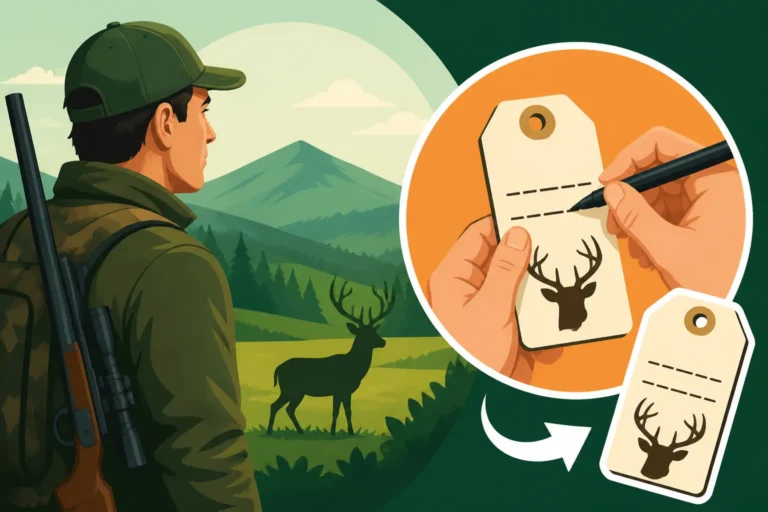
The crisp air of early November in Vermont brings with it a special kind of anticipation for deer hunters. It's that magical window when bucks, usually so cautious, start throwing caution to the wind, actively seeking out does. If you've ever felt frustrated by unpredictable deer movement or wondered how to truly capitalize on this intense period, this guide is for you. We'll delve deep into understanding and effectively hunting the whitetail rut in the Green Mountains.
Decoding the Vermont Rut in Early-to-Mid November
The deer rut is a critical time for reproduction, but for hunters, it's often described as the most exciting and dynamic period of the entire season. Bucks become more active, moving during daylight hours, expanding their home ranges, and displaying behaviors rarely seen at other times. In Vermont, this peak activity typically falls right in that sweet spot of early to mid-November, making it coincident with a significant portion of the state's rifle season.
The Science Behind the Madness
While some folks still swear by the moon phase or specific weather events, the primary driver for the rut is photoperiod – the decreasing amount of daylight hours. This natural cue triggers hormonal changes in does that bring them into estrus, and in bucks, it ramps up testosterone production, turning them into chasing machines. Most does in Vermont will come into estrus during this narrow window, ensuring that the majority of fawns are born in late May to early June the following year, which gives them the best chance of survival.
Understanding this biological imperative helps you realize why bucks become so singularly focused. They’re not thinking about food as much; their minds are on one thing: finding a receptive doe. This means their usual patterns of movement can be disrupted, leading them to traverse areas they might normally avoid, especially if a hot doe is leading the way. Knowing this, you can adjust your strategies from a more food-centric approach to one focused on travel corridors and doe family groups.
Vermont's Unique November Timing and Overlaps
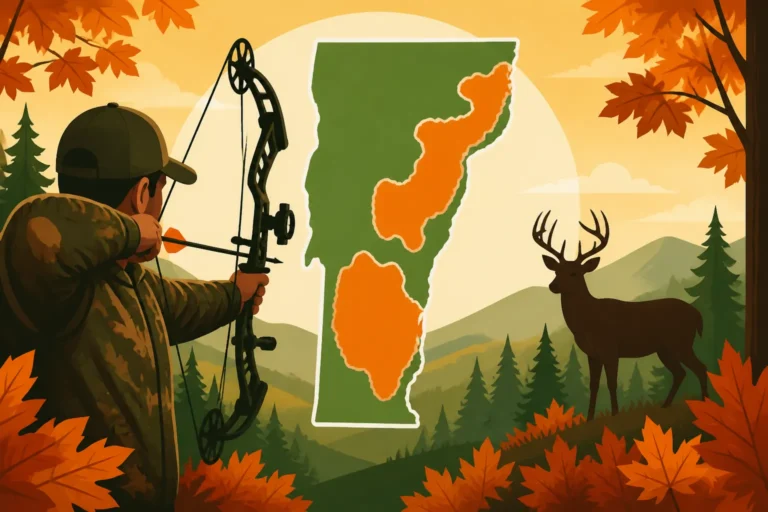
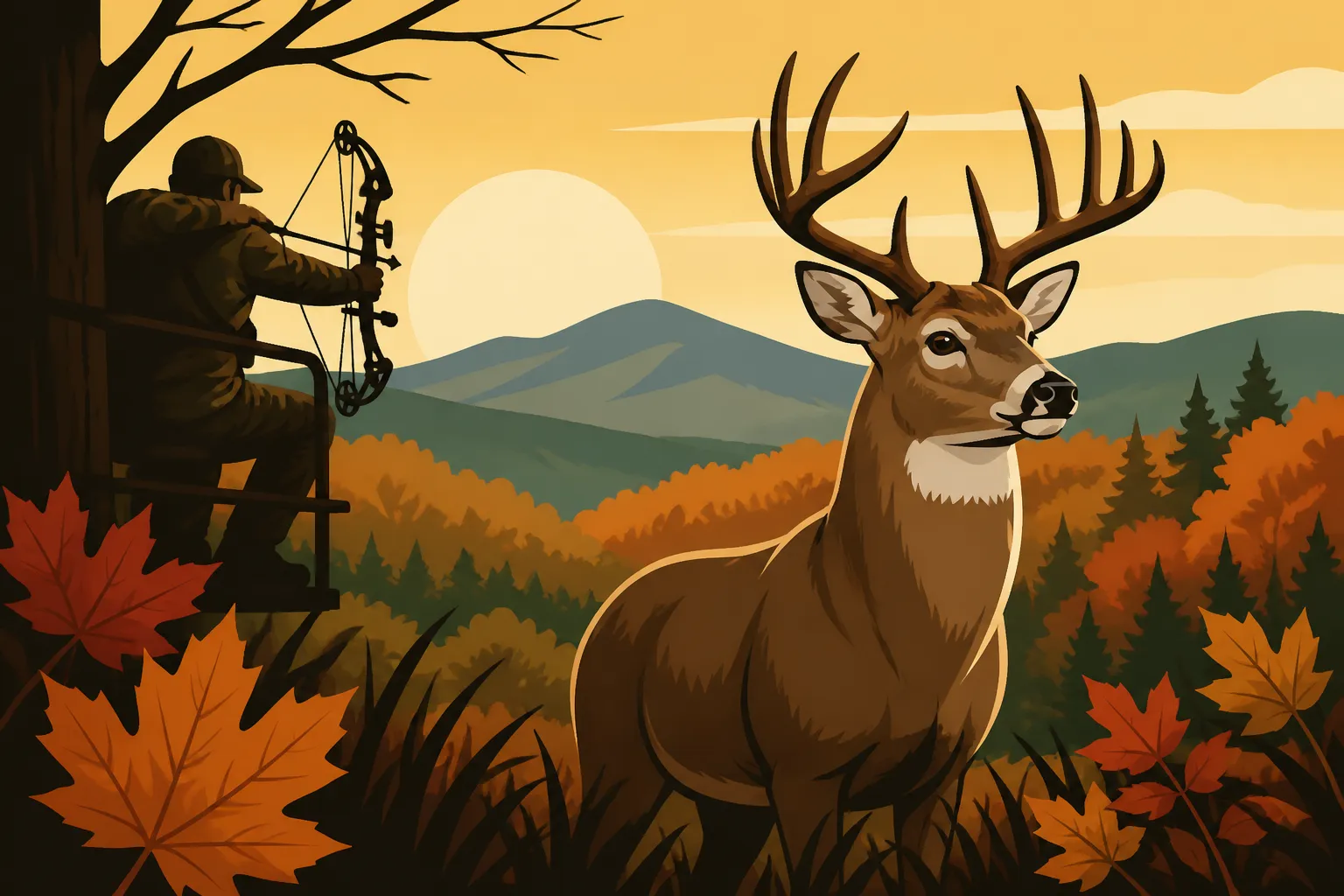
Vermont's deer season structure in November is a critical piece of the rut puzzle. The first two weeks of November are famously dedicated to Vermont's November Rifle Season, a time when many hunters flock to the woods. This intense hunting pressure, combined with the peak rut, creates a dynamic environment. Bowhunters have a unique opportunity during this time with Vermont's New Archery-During-Rifle Overlap Rule, allowing them to pursue deer with archery equipment even as rifle hunters are active. This overlap means hunters need to be extra vigilant about safety, wearing sufficient blaze orange, and being aware of other hunters in the woods.
The confluence of the rut and rifle season means deer are not only driven by biological urges but also by pressure. Bucks might be chasing does one moment and then seeking thick cover the next if they detect human presence. This adds another layer of complexity to rut hunting in Vermont, demanding adaptability and strategic thinking from hunters. It's not just about finding the deer, but anticipating how they'll react to both their internal clocks and external pressures.
Strategic Approaches for Peak Rut Success
Hunting the peak rut in Vermont requires a blend of aggression and patience. This isn't the time for casual sits; it's a window where consistent effort and smart tactics can pay huge dividends.
Locating High-Traffic Doe Areas and Funnels
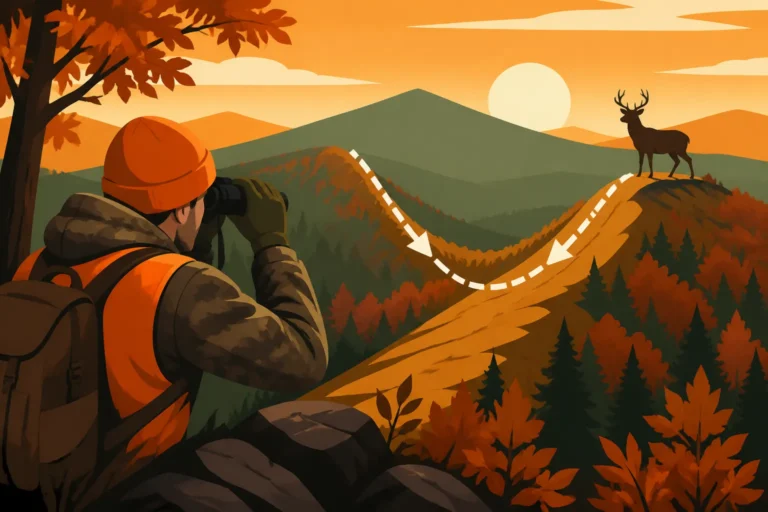
During the rut, bucks will be moving constantly to find does. Your best bet is to position yourself where does are likely to be, or where bucks are likely to travel between doe groups. This often means focusing on doe bedding areas and the travel corridors that connect them. Think about natural funnels in the landscape: a narrow strip of timber between two open fields, a saddle on a ridge, or a pinch point where thick cover forces deer into a smaller area. These are prime locations for an ambush.
Using mapping tools, like those found on GoHunt, can be invaluable for identifying these features before you even step foot in the woods. You can scout from home, marking potential pinch points, old logging roads, or thick clear-cuts where deer might bed. Pay close attention to terrain changes, elevation drops, and areas where different habitat types meet. Bucks will often cruise these edges, scent-checking for does. Remember, does might not move much during the peak breeding, but bucks will be covering ground, so you want to be in their travel path. This is also a fantastic time to implement Hunting a Ridge-Top Saddle for Rutting Bucks.
Aggressive Calling and Scrape Hunting
The peak rut is when calling can be most effective. Bucks are often eager to challenge rivals or find hot does. Rattling antlers can simulate a buck fight, drawing in curious or territorial bucks. Grunt tubes mimic the sounds of a buck or even a doe, enticing deer to investigate. The key is knowing when and how to use them.
Rattling and Grunting Vermont Bucks
| Rut Phase | Deer Behavior | Calling Strategy |
|---|---|---|
| Early Rut (Nov 1-7) | Bucks seeking does, some chasing, scrapes active | Aggressive rattling, grunt calls, doe bleats |
| Peak Rut (Nov 8-15) | Intense chasing, breeding, bucks less wary | Aggressive rattling and grunting, tending grunts |
| Late Rut (Nov 16-24) | Bucks worn out, still seeking unbred does | Less aggressive grunting, doe bleats, subtle rattling |
During the peak rut, don't be afraid to be aggressive with your rattling, especially in areas where you know big bucks frequent. A loud, drawn-out rattling sequence followed by grunts can often get a response. However, always be ready; a buck can come charging in quickly. Scrapes also become important signposts. While bucks make scrapes throughout the pre-rut, during the peak, they’re checking them frequently for scent. Setting up near an active scrape line, particularly one along a logging road or a field edge, can be incredibly effective. Look for fresh pawings and overhanging licking branches that have been worked recently.
Adapting to Conditions and Deer Behavior
The rut isn't a static event; it ebbs and flows with the individual estrus cycles of does and external factors like weather and hunting pressure. Being able to read the signs and adapt your approach is crucial for sustained success.
Reading Fresh Sign and Tracking Movement
During the rut, sign like rubs and scrapes tell a story. Fresh rubs, especially large ones on sturdy trees, indicate a buck marking his territory or venting frustration from chasing. A cluster of fresh rubs in an area suggests a buck has been active there recently. Scrapes, particularly those that are re-opened and wet with fresh urine, are essentially buck communication hubs. Observing these can give you clues about where bucks are traveling and when. Keep an eye out for Scrape Lines Along a Logging Road as these can be high traffic areas.
Sometimes, the best way to find a rutting buck is to become a "still-hunter." Instead of sitting in one spot, you move slowly and deliberately through the woods, pausing frequently to scan and listen. This is particularly effective in thicker cover where deer might be holding up or when you’re trying to locate a hot doe that a buck might be tending. Pay attention to every detail: a flick of an ear, a flash of white, or the sound of crunching leaves. Learning to "read the mud" for fresh tracks, especially larger, deeper ones indicating a mature buck, is another critical skill. Reading Vermont Mud for Fresh Deer Movement can provide valuable insights into recent activity.
The Impact of Weather and Hunting Pressure
November weather in Vermont can be wildly unpredictable. A cold front, especially one that brings fresh snow, can often kick deer activity into overdrive. Bucks, feeling the urge to breed, will move more to find does before the worst of the weather hits or to take advantage of the quiet conditions after a fresh snowfall. Conversely, warm, sunny days can slow down daylight activity, pushing buck movement into the cooler hours of dawn and dusk. Always check the forecast and dress accordingly; layering is key for Vermont's variable fall conditions. You'll want to review Layering for Vermont's Long Hunting Season to ensure you're prepared.
Hunting pressure, particularly during rifle season, will inevitably push deer into thicker, less accessible cover. If you're hunting public land, be prepared to walk further and deeper than other hunters. Utilize mapping apps, perhaps a GoHunt subscription, to find those overlooked pockets of cover, steep ravines, or dense softwood stands that most hunters avoid. These can become sanctuaries for pressured bucks and the does they're pursuing. Don't be afraid to hunt the uninviting spots; often, that's where the biggest bucks are hiding out.
Essential Gear and Safety Considerations
Hunting the rut in early-to-mid November in Vermont means dealing with colder weather, shorter days, and potentially more hunters in the woods. Being prepared with the right gear and a strong focus on safety is non-negotiable.
Staying Warm and Concealed
As mentioned, proper layering is paramount. Begin with a good wicking base layer to manage moisture, add insulating mid-layers like fleece or wool, and top it off with a waterproof, windproof outer shell. Your core temperature is vital, but don't forget extremities: quality insulated boots, warm gloves or mittens, and a sturdy hat are essential. Think about hand warmers for those long, cold sits on stand.
When it comes to concealment, your clothing choice matters. While blaze orange is legally required during rifle season, you'll still want effective camouflage for your other layers to break up your outline. Vermont's hardwood forests often call for patterns with a lot of browns and grays, mimicking tree bark, while areas with more softwoods or evergreens might benefit from greener patterns. Always prioritize staying warm and dry over absolute concealment; a shivering hunter won't last long, nor will they be an effective one.
Blaze Orange and Ethical Shot Selection
During Vermont's rifle season, wearing blaze orange is not just a suggestion; it's a legal requirement and a critical safety measure. Even if you're bowhunting during the overlap, you must adhere to the Blaze Orange Requirements for rifle season. This means wearing at least 400 square inches of solid blaze orange above the waist, visible from all sides. A bright orange vest and hat are common choices. This drastically reduces the chance of accidents by making you visible to other hunters. Always positively identify your target and know what's beyond it before taking a shot. Ethical shot selection is crucial, especially when deer are moving quickly. Wait for a clear, broadside shot if possible, aiming for the vitals. During the rut, deer can be so focused on each other that they present fleeting opportunities. Resist the urge to rush a shot that isn't ideal, as a wounded animal is a terrible outcome.
Post-Harvest Logistics in Chilly Conditions
Harvesting a deer during the cold weather of November can be a blessing and a curse. While the cold helps preserve the meat, dragging a deer out of a steep ravine or across frozen, uneven terrain is a monumental task. Consider having a game cart if you're hunting flatter ground, but for the Green Mountains, a good backpack frame might be more practical for quartering out an animal. If you're fortunate enough to tag a big buck, be sure to have a plan for getting it out. This might involve calling a buddy for help, especially if you're deep in public land after dark. Be mindful of Blood Trailing After Dark in Vermont rules and make sure you have powerful headlamps. Once out, get the deer field-dressed promptly and cooled down to protect the quality of the venison.
Disclaimer
Please remember that hunting regulations and seasons can change. Always consult the most current Vermont Fish & Wildlife Department regulations before heading into the field. This guide is for informational purposes and does not supersede official state hunting laws.