Hunting a Bow During the Rifle Season Overlap
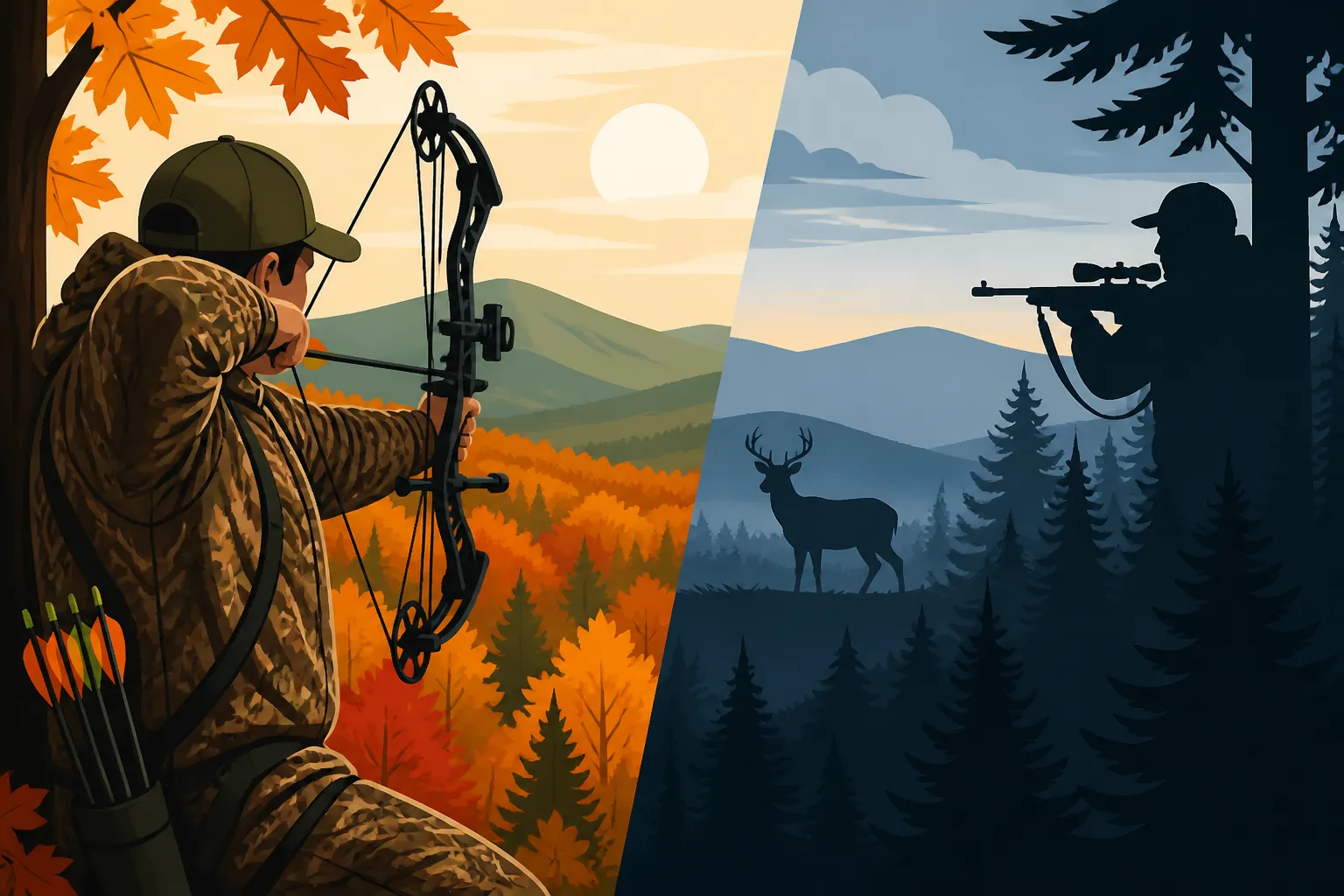
That chill in the November air in Vermont signals not just the peak of deer season, but also a unique challenge for bowhunters: the archery-rifle overlap. It's a time when the woods transform, bringing different dynamics and considerations for those of us who prefer the quiet challenge of the bow. This guide will walk you through everything you need to know to not only navigate but thrive during this specific, often high-pressure, window of Vermont's deer hunting calendar.
Understanding Vermont's Archery-Rifle Overlap
The Vermont hunting regulations have evolved, and what was once a strictly separate archery season now includes a significant overlap with the statewide rifle season. This change offers both opportunities and a new set of responsibilities for bowhunters. It's crucial to understand the specifics to ensure a safe and successful hunt.
The Specific Dates and Regulations
For many years, the bow season essentially paused when rifle season opened, forcing archers to put their bows away or strictly adhere to private land rules in specific expanded zones. However, recent amendments by the Vermont Fish & Wildlife Department have introduced an official period where both methods are legal. This means that during the heart of November, archers can continue to pursue deer alongside rifle hunters. This shift is a game-changer, allowing for continued engagement with the deer herd during a prime time of year, especially if you're holding an archery-specific tag. To dive deeper into how this came about and what it means for hunters, check out our comprehensive guide on Vermont's New Archery-During-Rifle Overlap Rule.
While this overlap expands opportunities, it doesn't mean a free-for-all. There are specific dates for the general deer rifle season, typically a two-week period in November, during which archery is also permitted statewide. Before you head into the woods, it's always wise to double-check the most current regulations on the Vermont Fish & Wildlife website or app, as dates can shift slightly year to year. Knowing these dates precisely will help you plan your hunts effectively and ensure you're always within legal parameters.
Mandatory Blaze Orange and Equipment
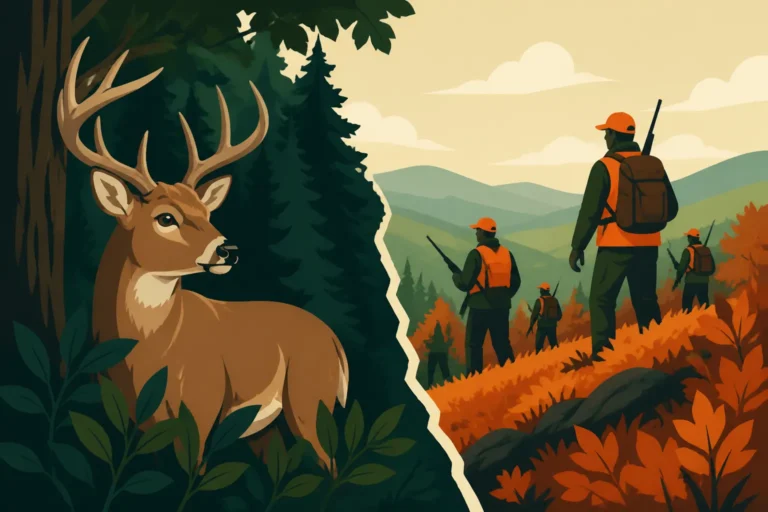
One of the most significant changes and critical regulations for bowhunters during the rifle season overlap is the mandatory blaze orange requirement. Unlike the regular archery season where camo is the norm, once rifle season opens, all hunters, including archers, are required to wear specific amounts of blaze orange or blaze pink. This is not a suggestion; it's a legal mandate designed to enhance safety for everyone in the woods. Failing to adhere to this can result in fines and, more importantly, puts you and others at risk.
The regulations typically specify a minimum amount of material, usually visible from all sides, worn above the waist. This could be a vest, hat, or both. It’s not just about meeting the minimum; it’s about being as visible as possible. Even though you're carrying a bow, other hunters will be using firearms, and visibility becomes paramount. For a full breakdown of what's required and suggestions for effective layering, our article on Blaze Orange Rules for Bowhunters in November offers practical advice to keep you safe and legal. Remember, your weapon remains your bow; you cannot carry a firearm if you are hunting on an archery tag during this period, even if it's open for rifles.
Strategic Shifts for Bowhunting Success
The presence of rifle hunters fundamentally alters deer behavior and the overall hunting environment. To succeed with a bow during this overlap, you need to think differently and adapt your strategies. It’s no longer just about reading deer; it’s about reading deer and human movement.
Adapting to Increased Hunter Pressure
When the rifle season opens, even typically quiet public lands can suddenly see a significant influx of hunters. This increased pressure causes deer to become more wary, nocturnal, and seek out the thickest, most difficult-to-access cover. Gone are the days of deer casually strolling through open hardwoods during daylight. Now, they'll often be locked down in swamps, dense softwoods, or steep, brushy ravines that most rifle hunters are less inclined to penetrate. This pressure can also push deer across property lines, leading to new movement patterns you wouldn't see in earlier seasons.
Your strategy needs to account for this. Instead of focusing on traditional feeding areas or open travel corridors, think about escape routes, bedding sanctuaries, and pinch points within those dense covers. Deer will use these areas as security, moving through them cautiously. Scouting tools like the ones offered by GoHunt, with their detailed satellite imagery and property line overlays, can be invaluable for identifying these overlooked pockets on public land or finding access to smaller, less pressured private tracts. Understanding Hunting Pressure on Vermont Public Land is key to finding those overlooked gems.
Targeting Deer in Security Cover
During the rifle season overlap, deer practically live in their security cover. They will emerge only under the cloak of darkness or during extremely quiet periods, often moving just enough to feed quickly before retreating. This means as a bowhunter, you need to position yourself deep within or right on the edge of these sanctuary areas. Think about setting up on the leeward side of a thick cedar swamp, a dense regenerating clear-cut, or a steep, gnarly hillside choked with blowdowns that most hunters avoid.
Focus on micro-features within this cover: a subtle ridge leading to a small pocket of acorns, a faint trail winding through thick spruce, or the edge of a beaver flowage. Deer will often skirt these edges, using them as travel corridors while staying out of sight. Rather than chasing them, anticipate their movements into and out of these safe zones. Your stand placement needs to be absolutely perfect, accounting for wind, thermals, and the deer's likely approach and escape routes. Patience is your greatest virtue here; expect longer, colder sits with fewer sightings, but potentially higher-quality opportunities.
The Importance of Scouting and Observation
You can't just walk into the woods during rifle season overlap and expect to find deer where they were a week or two prior. Effective scouting becomes even more critical. You need to identify fresh sign within or adjacent to dense cover: fresh tracks, rubs, and scrapes, especially those located off the beaten path. Look for areas where deer might feel secure moving during daylight, such as a thick funnel between two larger woodlots or a low-lying bog that human hunters tend to bypass. Our guide on Hunting a Funnel Between Two Woodlots has great insights into identifying these key movement paths.
Beyond traditional scouting, simple observation can tell you a lot. Watch for hunter parking patterns, listen for distant shots, and try to piece together how the pressure is influencing deer movement. Utilizing mapping software like GoHunt before you even step foot in the woods can help you pinpoint potential bedding areas, escape routes, and terrain features that offer natural security for deer. This pre-season and in-season intelligence is your best bet for finding the unpressured pockets where a wary buck might still move during legal shooting hours.
Gear and Tactical Considerations
Success during the archery-rifle overlap isn't just about strategy; it's also about having the right gear and executing precise tactics. This period often brings colder weather, potentially snow, and definitely more competition in the woods.
Optimizing Your Bowhunting Setup
Your bow setup needs to be dialed in for this late-season hunt. Accuracy is always paramount, but during this period, quietness becomes even more critical. Deer are on high alert, and any unnecessary noise from your gear can send them fleeing. Ensure your bow is perfectly tuned, your broadheads fly true with your field points, and all accessories are secured to prevent rattles or squeaks. Our article on Bow Setup for Hunting During Rifle Season offers detailed advice on getting your rig ready. Consider heavier arrows for better penetration, especially if you anticipate quartering shots on wary, thick-bodied deer.
Clothing choices are also essential. November in Vermont can be brutally cold and wet. Layering is key, with a focus on warmth and moisture-wicking properties. Waterproof outer layers are a must. Remember, you'll be wearing blaze orange over or as part of your outer layers, so plan your camo and insulation accordingly. Binoculars with good low-light performance are also critical, as deer movement will often be concentrated around dawn and dusk, when light is at its poorest.
Stand Placement and Access in Pressured Areas
Finding the right stand location is always a challenge, but during the overlap, it becomes an art form. You need to get into deep cover, or on the immediate edges of it, without alerting deer or interfering with other hunters. This often means long, quiet walks in the dark to reach your stand before first light. Consider portable stands like hang-ons or climbers, which allow for flexibility in choosing locations based on real-time sign and pressure. Avoid main trails and access points; deer will be giving these wide berth. Instead, look for less obvious routes or create your own silent path.
Focus on natural funnels, saddlebacks, and benches within dense timber, or pinch points along swamp edges. Deer will use these features to navigate security cover. For instance, a small, steep rise in the middle of a lowland swamp might be a natural travel lane for a buck trying to avoid human contact. Our piece on Hanging a Stand on a Champlain Valley Field Edge can give you ideas, though you'll be adapting these principles to much thicker, more remote terrain. Utilizing the topographical and satellite layers on mapping apps like GoHunt can help you identify these subtle terrain features that might concentrate deer movement away from human activity.
Reading Deer Movement and Hunter Activity
Successfully bowhunting during the rifle season overlap requires a keen understanding of both deer and hunter behavior. Deer, when pressured, often become almost entirely nocturnal, moving only under the cover of darkness. Your job is to find the exceptions to this rule – those short windows of movement around dawn and dusk, or during periods of reduced hunter activity (e.g., during inclement weather or mid-day lulls).
Pay close attention to where other hunters are parking and where you hear shots. This information provides clues about pressure points and potential deer movement. If a lot of activity is pushing deer from one side of a woodlot, they're likely to try to escape to the other side, often through the thickest cover available. Using mapping tools to visualize these pressure patterns in real-time can be incredibly helpful. For instance, after a big push or a morning of heavy shooting, deer will often seek refuge in areas perceived as safe, which might be a small, unhunted parcel of private land or an incredibly dense, overlooked corner of public ground. Learning how to effectively interpret aerial photos for deer sign, as discussed in Reading Aerial Photos for Green Mountain Deer, becomes an invaluable skill.
Here's a quick comparison of bowhunting during the general archery season versus the rifle season overlap:
| Feature | Regular Archery Season (Early-Mid Fall) | Rifle Season Overlap (Mid-November) |
|---|---|---|
| Hunter Pressure | Generally lower, more predictable deer movement. | Significantly higher, deer are on high alert and more nocturnal. |
| Blaze Orange | Not required (unless on certain lands), camo is standard. | Mandatory, significant amount required. |
| Deer Behavior | More active during daylight, following feeding patterns, pre-rut/rut. | Primarily nocturnal, holding tight in thick cover, reacting to pressure. |
| Primary Focus | Food sources, transition areas, early rut sign. | Security cover, escape routes, deep bedding areas, overlooked pockets. |
| Weapon | Bow/Crossbow only. | Bow/Crossbow only (if hunting on archery tag). |
| Weather | Milder, less extreme conditions. | Colder, potential for snow, rain, and freezing temperatures. |
| Tactics | Ambush feeding areas, calling during rut. | Patient sits in dense cover, still-hunting, micro-terrain analysis. |
Embracing the Challenge
Bowhunting during Vermont's rifle season overlap is undoubtedly more challenging than the earlier archery season. It demands a heightened sense of awareness, meticulous preparation, and a deep respect for both the game and fellow hunters. But for those willing to adapt, it can also be incredibly rewarding.
Prioritizing Safety and Hunter Etiquette
When you're out there with a bow during a time when firearms are prevalent, safety must be your absolute top priority. Beyond wearing the mandatory blaze orange, think about how you move through the woods. Walk deliberately, make noise if you're not actively stalking, and assume every rustle might be another hunter. Never assume you're the only one in an area, especially on public land. It's not about being timid, but being smart and respectful. This mindset is crucial for Staying Safe Bowhunting Alongside Rifle Hunters.
Hunter etiquette also plays a huge role. If you encounter other hunters, a friendly wave or a polite "good morning" goes a long way. Avoid setting up too close to someone else, especially if they were there first. If you've been working a specific area and see someone else moving in, consider shifting your plans. We're all out there to enjoy the woods and pursue game, and a little courtesy ensures everyone has a better experience.
Dealing with Wounded Game
The prospect of tracking a wounded deer is stressful enough, but during the rifle season overlap, it presents additional complexities. With more hunters in the woods, there's an increased chance of spooking your deer, or even worse, having another hunter unknowingly stumble upon and claim it. Therefore, accurate shooting and a calm, patient tracking approach are more important than ever. Always give a deer plenty of time after the shot before you start tracking, if the shot felt good.
If you hit a deer and need to track it, be methodical. Mark your last known blood or sign. If you feel you might be tracking onto private property or into an area with heavy hunter traffic, consider reaching out to the landowner or other hunters you've encountered to let them know your intentions. Our guide on Blood Trailing After Dark in Vermont provides excellent advice for tracking, but in this high-pressure environment, consider having a plan for daylight tracking as much as possible. A reliable GPS or mapping app is indispensable for marking your last sign and navigating back to it.
Ultimately, bowhunting during Vermont's rifle season overlap is a testament to dedication and adaptability. It’s a time when you truly learn to read the landscape, the deer, and the subtle shifts in the hunting environment. Embrace the challenge, stay safe, and you just might find it to be one of the most rewarding periods of the season.
Disclaimer
Please note that hunting regulations, dates, and requirements can change. Always consult the official Vermont Fish & Wildlife Department website or current year's hunting guide for the most up-to-date and accurate information before planning any hunting trip. This article is intended for informational purposes only and not as a substitute for official legal guidance.