Blaze Orange Rules for Bowhunters in November
It’s a crisp November morning in Vermont. You're set up high in your treestand, bow in hand, the woods just starting to wake up around you. You've scouted this area for months, you know this buck’s patterns, and the rut is heating up. But then you hear it – the distant crack of a rifle, then another. It's deer season, and suddenly, the quiet solitude you cherish as a bowhunter feels… shared. The biggest question on many bowhunters’ minds when the rifle season opens is this: do I still need to wear blaze orange? This guide is here to clear up that confusion and ensure you stay safe and legal while pursuing whitetails with your bow during Vermont’s bustling November firearm season.
Understanding Vermont's Blaze Orange Mandate
Hunting in Vermont is a privilege, and with that privilege comes a serious responsibility: safety. Our state takes hunter safety very seriously, and that's precisely why regulations like the blaze orange mandate exist. It’s not about hindering your hunt; it's about protecting every single person who steps into our beautiful woods, whether they're carrying a rifle, a muzzleloader, or a bow.
Why the Rules Exist: Safety First!
Let's be real for a moment. The woods during Vermont's November rifle season are, for lack of a better term, busy. You've got folks still-hunting, doing small deer drives, walking logging roads, and generally covering a lot more ground with firearms than during the quieter archery seasons. The primary goal of requiring blaze orange is incredibly straightforward: it makes you visible. Plain and simple. When visibility is high, the risk of a tragic hunting accident, like mistaking a person for game, drops dramatically. Nobody wants to be that statistic, and nobody wants to be responsible for one. These rules are a collective effort to keep our hunting heritage alive and well by making it as safe as possible for everyone involved. Vermont Hunter Education Requirements cover this basic principle extensively, highlighting the importance of clear identification.
General Requirements for Rifle Season
When the rifle season kicks off, the general rule is that anyone hunting deer must wear specific amounts of visible blaze orange. This usually means a minimum number of square inches of the bright color, prominently displayed on both the head and torso. We're talking about a hat or cap, and a vest or jacket. It's not about a little orange ribbon on your pack; it’s about making your human form unmistakable in the timber, especially during those low-light hours or in dense cover. The idea is that no matter which direction another hunter might be looking, or what angle they're viewing you from, a significant portion of blaze orange should be visible. While the specifics can sometimes feel a bit like reading legal jargon, resources like the Vermont Fish & Wildlife Department website, or even helpful apps and platforms like GoHunt, often provide excellent, easy-to-understand summaries of these critical regulations. They cut through the noise and give you the clear facts you need before you head out.
Blaze Orange Rules Specific to Bowhunters in November
This is where the rubber meets the road for many of us who love the quiet stealth of bowhunting. You spend months practicing, honing your skills, and investing in camouflage that makes you practically invisible. Then, November hits, and suddenly, you're being told to wear the brightest color possible. It can feel counterintuitive, even frustrating, but understanding why is key to embracing it.
The Archery-Rifle Overlap: A Unique Situation
Here's the absolute truth: during the November rifle season, if you are out hunting any species of big game in the deer woods, you must comply with the blaze orange requirements. Period. It doesn't matter if you have a bow in your hand, a muzzleloader on your shoulder, or a modern rifle. The state considers anyone pursuing big game during this period to be under the same safety umbrella.
This is a critical distinction many bowhunters sometimes miss. They think, "I'm not carrying a rifle, so the rifle season rules don't apply to me." But the law isn't weapon-specific during this particular window; it's season-specific. You are sharing the woods with rifle hunters, and their safety, and yours, depends on everyone being easily identifiable. This rule helps prevent scenarios where a rifle hunter might catch a glimpse of movement, make a quick, mistaken identification, and a terrible accident occurs. It’s a bitter pill for some bowhunters who have carefully cultivated their stealth, but the potential consequences of not adapting are far too grave to ignore. For a deeper dive into this, check out Vermont's New Archery-During-Rifle Overlap Rule.
What Constitutes "Sufficient" Blaze Orange for Bowhunters
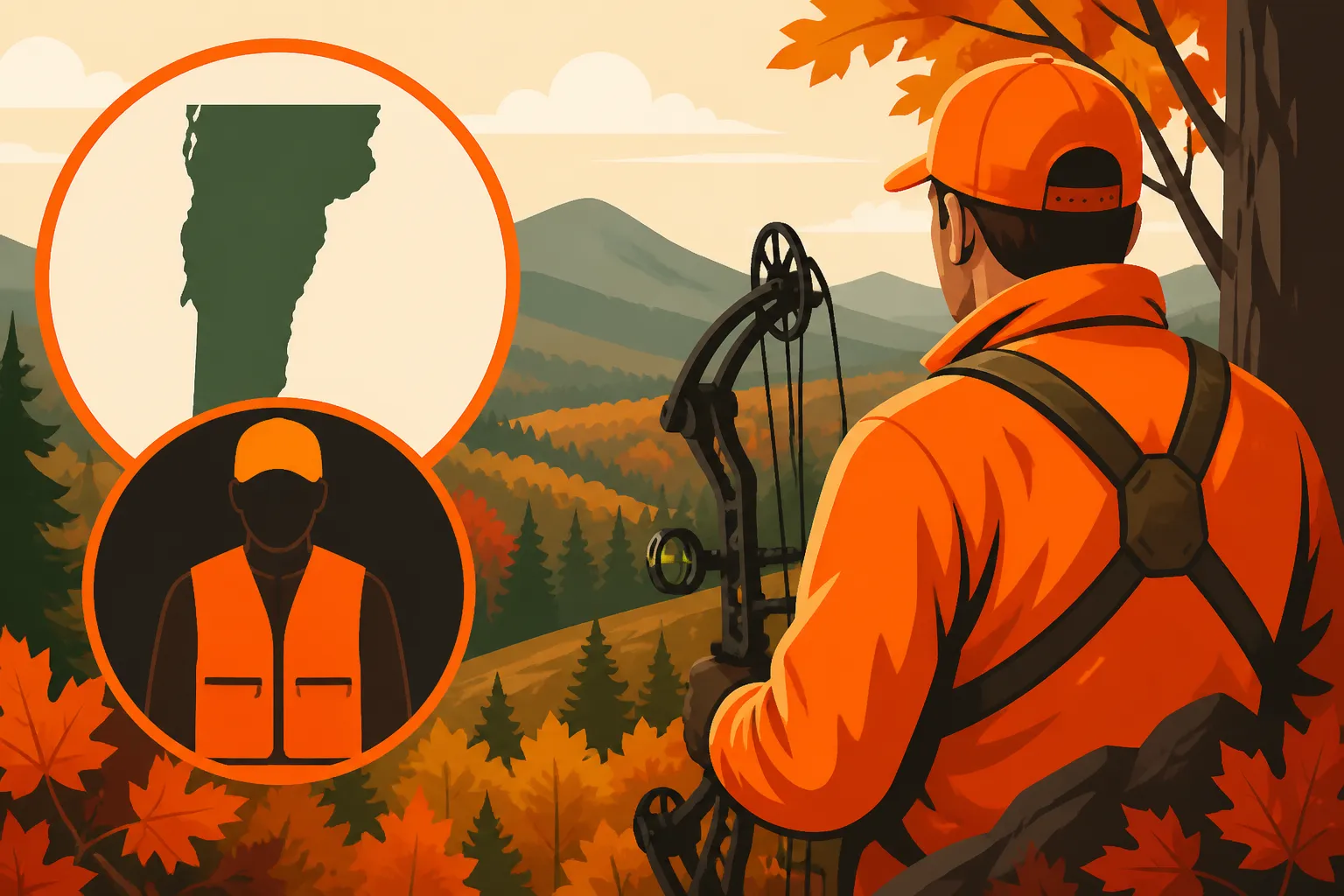
So, what exactly do you need to wear as a bowhunter during November? The legal requirements for blaze orange are generally the same for all deer hunters during the rifle season. This typically includes a solid blaze orange hat or cap, and an outer garment, like a vest or jacket, that covers a substantial portion of your torso and is visible from all angles. We're talking about more than just a small square sewn onto your backpack. It needs to be a prominent, easily visible piece of your outerwear.
Think about it this way: when you're still-hunting or sitting in a treestand, your body profile might be partially obscured by branches or your stand itself. A full blaze orange vest ensures that even if you're partially hidden, a significant portion of highly visible color is still showing. The goal is to break up your human outline in a way that screams "human!" to anyone else in the woods. There are many options out there, from simple, lightweight mesh vests that fit over your camo to more substantial insulated jackets designed with blaze orange panels. Even harness covers for treestand hunters are available in blaze orange, ensuring you're covered when aloft. The key is to check the current Vermont Fish & Wildlife regulations for the precise square inch requirements, but generally, a full vest and a hat will get you there. You can explore various ways to integrate this safety gear without compromising comfort or warmth in our guide on Blaze Orange Layering Options.
Practical Strategies for Bowhunting Safely with Blaze Orange in November
Alright, so we’ve established that blaze orange is non-negotiable for bowhunters during the November rifle season. Now, let’s talk about how to make it work for you, rather than against you. It's about finding that balance between safety and maintaining your hunting edge.
Integrating Blaze Orange into Your Bowhunting System
The good news is that gear manufacturers understand this dilemma. You don’t have to sacrifice comfort or quiet movement just to wear blaze orange. Many companies now make incredibly lightweight, silent blaze orange vests that can be worn over your existing camouflage. Some are designed specifically to integrate with harness systems, ensuring that even when you're buckled into your treestand, you're fully visible.
- Vests: A simple, high-quality mesh vest that slips over your outer layers is often the easiest solution. Look for ones with silent zippers or no closures at all, so they don’t make noise when you draw your bow.
- Hats: A blaze orange beanie or baseball cap is an easy addition. Make sure it fits snugly so it won't be easily knocked off.
- Harness Covers: If you hunt from a treestand, consider a blaze orange cover designed to go over your safety harness. This ensures maximum visibility even when your back is to the woods.
- Layering: This is crucial for November in Vermont. You'll likely be wearing several layers to stay warm. Your blaze orange piece should be the outermost layer, visible from all directions. Think of it as the top coat in your Layering for Vermont's Long Hunting Season strategy.
The trick is to try on your blaze orange gear with your full hunting setup at home. Draw your bow, shoulder your pack, twist and turn. Make sure it doesn't restrict your movement, interfere with your anchor point, or create any unnecessary noise. This practice will build your confidence and ensure you're ready when the moment of truth arrives. For more specific advice on combining your archery gear with safety requirements, refer to Bowhunting During Vermont's Rifle Season.
Situational Awareness and Other Safety Practices
Wearing blaze orange is a critical first step, but it’s just one piece of the safety puzzle. During the rifle season overlap, your situational awareness needs to be dialed up to 11. The woods are simply more active, and you're not just looking for deer anymore; you're also keenly aware of where other hunters might be.
- Scan Constantly: Whether you’re walking to your stand or sitting patiently, your eyes should be sweeping not just for deer sign, but for any indication of other human presence.
- Identify Your Target: This is the golden rule of hunting, and it’s even more paramount during busy seasons. Never, ever, take a shot unless you are absolutely, positively certain of your target and what’s beyond it.
- Communicate: If you encounter other hunters, a friendly wave or quiet greeting can go a long way. Let them know you’re in the area, and inquire about their plans if appropriate. Good communication helps everyone stay safe.
- Use Technology: Modern mapping apps, including the one often recommended by GoHunt, are invaluable. They allow you to view property boundaries, public land versus private, and even topographical features. Knowing exactly where you are and where others might be helps you plan your hunt to minimize accidental encounters. It’s an essential tool for Scouting With the Vermont Fish and Wildlife App. This becomes especially important given the increased Hunting Pressure on Vermont Public Land during November.
Even with blaze orange, remember that your stealth and careful movement are still important for actually getting a shot at a deer. Think of the orange as a safety net, not a replacement for good hunting practices. For more on keeping safe while still-hunting, our article on Staying Safe Bowhunting Alongside Rifle Hunters has some excellent tips.
Common Misconceptions and Compliance
Despite how clear the regulations are, especially around the November rifle season, there are still some common misunderstandings that can lead to problems. Let's bust a few myths and ensure you're fully compliant.
"I'm Bowhunting, So I Don't Need It" – The Dangerous Myth
This is perhaps the most dangerous misconception out there. As we've discussed, during Vermont's rifle season, the blaze orange requirement applies to all hunters pursuing big game, regardless of their chosen weapon. Thinking that because you're carrying a bow, you're somehow exempt from this safety rule is not only incorrect, but it puts you and others at severe risk.
The law doesn't make an exception for "stealthy bowhunters" during the rifle season. The goal is maximum visibility when the highest number of hunters and the most powerful weapons are in the woods. Ignoring this rule can lead to significant legal consequences, including fines and potentially the loss of your hunting privileges. It's simply not worth the risk, financially or morally. The spirit of the law is to make everyone safe, and as a responsible hunter, that's a commitment we all share.
Checking Current Regulations
Laws and regulations can change, even subtly, from year to year. While this guide provides comprehensive information, it is absolutely essential that you always consult the most current Vermont Fish & Wildlife Department regulations before heading into the field. Think of their annual digest as your hunting bible. It's readily available online, often at license vendors, and in print form.
Why is this so important? Because specifics, like the exact square footage of blaze orange required, can be updated. New interpretations or clarifications might be issued. Relying on outdated information is a recipe for non-compliance. Websites and apps like GoHunt are fantastic resources for quick look-ups and often feature up-to-date links to official state regulations. They make it easier than ever to double-check those crucial details. Before your boots hit the frosty ground in November, take a few minutes to confirm you're completely up to speed on Vermont Blaze Orange Requirements and any other relevant rules for the season. This vigilance is a hallmark of an ethical, responsible hunter.
| Season/Weapon | Blaze Orange Required | Notes for Bowhunters in November |
|---|---|---|
| Regular Archery Season (Outside rifle season) | No (But highly recommended for non-hunters/activity) | Bowhunters typically wear full camo for concealment. |
| Vermont Rifle Season (All big game hunters) | YES (Specific minimums apply for head and torso) | Bowhunters MUST comply with full blaze orange rules during this overlap period for safety. |
| Vermont Muzzleloader Season (Outside rifle season) | YES (Specific minimums apply for head and torso) | Blaze orange is required, often during colder weather, so plan layering carefully. |
| Youth and Novice Weekend | YES (Specific minimums apply for head and torso) | Both the youth/novice hunter and their mentor must wear blaze orange. |
| Small Game/Upland Bird (During rifle season) | YES (Same specific minimums as big game hunters) | If hunting small game while rifle season is active for deer, blaze orange is required. |
Disclaimer
This article is for general informational purposes only and does not constitute professional advice. Laws, prices and regulations vary by location and change over time. Consult a qualified professional for guidance on your specific situation.