Best First Aid Kit for a Remote Hunt
Stepping into the vast, beautiful, and often unforgiving wilderness of Vermont for a remote hunt is an experience unlike any other. However, the sheer distance from civilization, limited cell service, and rugged terrain mean that if something goes wrong, you are truly on your own for critical moments. A small cut can become a serious problem, a sprained ankle can turn into a dangerous stranding, and a more severe injury could become life-threatening without immediate intervention. This guide isn't just about stocking a box with bandages; it's about empowering you with the knowledge to assemble a first aid kit that genuinely prepares you for the unique challenges of a backcountry hunt in the Green Mountain State.
Why a Standard First Aid Kit Isn't Enough for Vermont's Backcountry
We all have that little red kit tucked away in the kitchen cabinet or under the car seat, right? It's great for scraped knees or a minor cut from a dull knife. But when you’re miles deep in the Vermont woods, perhaps chasing a big buck in the Hunting Vermont's Green Mountain National Forest or navigating tricky terrain in the Northeast Kingdom, that basic kit simply won't cut it. The stakes are higher, and the resources are non-existent.
The Reality of Remote Access and Delayed Help
Imagine this: you've scaled a steep ridge, found the perfect spot, and now you’re carefully climbing into your treestand before dawn. Suddenly, a branch gives way, and you take a nasty fall. You're hurt, maybe a leg is twisted awkwardly, or you've got a deep gash from a broken branch. Your phone has no service. Who do you call? How long will it take for help to arrive? The truth is, in many remote hunting areas of Vermont, even if you could get a signal, emergency medical services could be hours away. They need to locate you, navigate challenging terrain, and then safely extract you.
This isn't meant to scare you, but to instill a realistic understanding that in the backcountry, you are the immediate first responder. Every minute counts when it comes to severe bleeding, shock, or stabilizing a broken bone. Relying on someone else to bring the right supplies isn't an option. Your preparedness, starting with your first aid kit, directly impacts the outcome of an unexpected injury. Think of it as your personal trauma team, condensed into a manageable pack.
Common Hunting-Related Injuries Beyond Scrapes and Bruises
Hunting brings its own unique set of risks that go beyond the usual household mishaps. We're often dealing with sharp objects, heavy firearms, elevated positions, and sometimes, unpredictable wildlife.
Consider the common scenarios:
- Deep Lacerations: Field dressing a deer, a broadhead slipping while climbing, or a knife accident is unfortunately not uncommon. A deep cut can bleed profusely and quickly become serious. This isn't just a Band-Aid situation; you might need something to stop significant blood flow.
- Falls from Heights: Treestand accidents, though rare if proper safety precautions are followed, can lead to severe injuries like broken bones, spinal trauma, or internal bleeding. Even a fall on rocky terrain can result in a serious sprain or fracture.
- Gunshot Wounds (Self-inflicted or Accidental): While hopefully never encountered, accidental firearm discharges can happen. Having materials to manage a penetrating wound is a grim but vital consideration. This is why hunter education stresses firearm safety above all else.
- Animal Encounters: While Vermont's deer are generally not a threat, larger game like bears or even a territorial moose during Moose Hunting Vermont's Northeast Kingdom could lead to injuries requiring immediate care. Even smaller animals, if handled improperly after the shot, can inflict scratches or bites that can get infected.
- Environmental Hazards: Hypothermia from an unexpected drop in temperature or a dunk in a cold stream, severe allergic reactions to bee stings or plants, dehydration, or heat exhaustion can all turn into medical emergencies. Your kit needs to address these less direct, but equally dangerous, threats.
A standard kit simply doesn’t have the specialized items needed to tackle these types of situations. You need robust tools for bleeding control, stabilization, and prolonged care until professional help can reach you.
Essential Components for Your Vermont Remote Hunt First Aid Kit
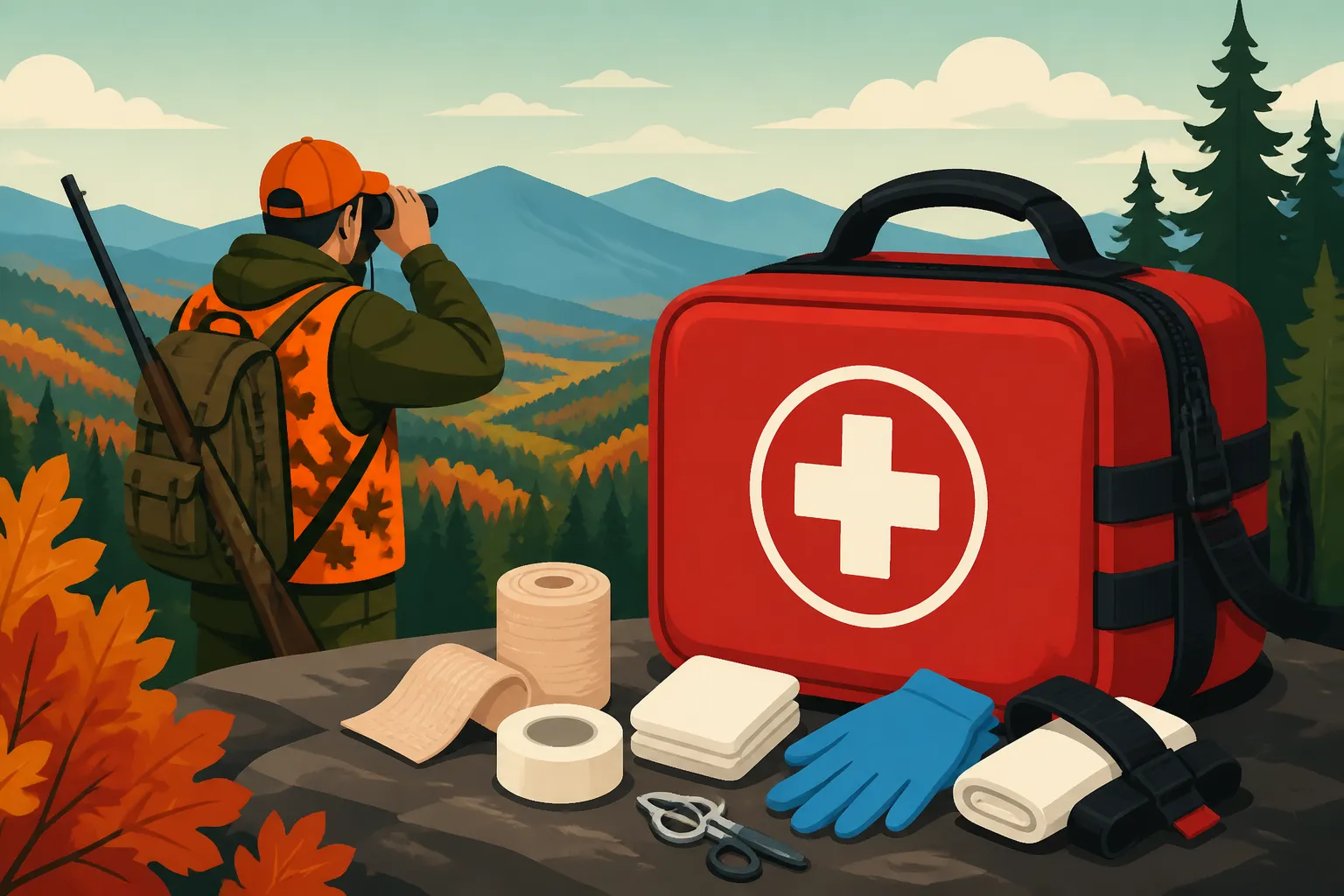
Building out a true backcountry first aid kit means thinking beyond the basics. It requires an inventory of items specifically designed to manage significant trauma and sustain someone for an extended period. Don't skimp here; your life, or a hunting partner's, could depend on it.
Trauma and Bleeding Control
This is where your remote hunting kit truly differentiates itself. Severe bleeding is a primary killer in traumatic injuries, and having the right tools for rapid control is paramount.
- Tourniquets: I'm not talking about a piece of rope here. Invest in at least one, preferably two, quality commercial tourniquets like a CAT (Combat Application Tourniquet) or SOF-T Wide. These are designed for rapid application and effective arterial occlusion. Practice using it with one hand on yourself. It sounds extreme, but a severing injury from a fall or a misplaced knife can lead to fatal blood loss in minutes.
- Hemostatic Gauze/Agents: Products like QuikClot or Celox are impregnated with agents that accelerate clotting. These are critical for deep wounds where a tourniquet cannot be applied effectively, such as the torso, neck, or groin. Pack several individual packets.
- Pressure/Compression Bandages (Israeli Bandage): These innovative bandages combine a non-adherent pad, a pressure applicator, and a self-closure device into one compact unit, making it incredibly effective for applying direct pressure to control moderate to severe bleeding.
- Sterile Gauze Pads (Various Sizes): For cleaning wounds, applying pressure, and covering. Bring plenty – 4×4, 5×9, and even larger abdominal pads.
- Medical Tape: Strong, waterproof medical tape to secure dressings and bandages. A roll of athletic tape can also serve multiple purposes, from securing a splint to wrapping a sprain.
Wound Care and Infection Prevention
After you've controlled any immediate, life-threatening bleeding, preventing infection and providing ongoing wound care becomes the priority. A minor wound in the backcountry can become a major problem if infection sets in.
- Antiseptic Wipes/Povidone-Iodine Swabs: Individually wrapped wipes are easy to use for initial wound cleaning. Povidone-iodine is a broad-spectrum antiseptic.
- Wound Cleanser/Saline Wash: Small bottles of sterile saline solution or a wound wash are invaluable for flushing out dirt and debris from cuts and scrapes. Don't use untreated stream water!
- Adhesive Bandages (Assorted Sizes): From small finger cuts to larger abrasions, you'll need a variety. Make sure they are durable and stay put even when wet.
- Butterfly Closures/Steri-Strips: For small, shallow cuts that need to be held closed to promote healing and reduce scarring.
- Moleskin/Blister Pads: Hours of walking in your Boots for Vermont's Steep Terrain can easily lead to blisters. Moleskin can prevent them or relieve pressure once they form.
- Antibiotic Ointment: Small tubes of Neosporin or similar to apply to clean wounds to prevent infection.
- Non-Adherent Pads: These won't stick to the wound, making dressing changes less painful.
- Roll Gauze: For wrapping and securing dressings, particularly around joints or limbs.
Sprains, Fractures, and Stabilization
A twisted ankle, a broken wrist, or even a rib injury from a fall needs to be stabilized before you attempt to move or evacuate. Improper movement can worsen the injury.
- SAM Splint: The SAM (Structural Aluminum Malleable) splint is incredibly versatile. It's lightweight, waterproof, reusable, and can be molded to fit any limb or joint for effective stabilization. Pack at least two different sizes.
- Elastic Bandages (Ace Wraps): Good for sprains, providing compression, and helping to secure splints. Bring a couple of different widths.
- Triangular Bandages: Multi-purpose items that can be used as slings, improvised tourniquets (though not ideal for severe bleeding), to secure splints, or as general wraps.
- Medical Shears/Trauma Scissors: Heavy-duty scissors capable of cutting through clothing, boots, or even thin leather to access injuries without causing further trauma. Trying to carefully peel off clothing when someone is in pain is just not practical.
Medications and Personal Items
Beyond external injuries, managing pain, allergic reactions, or pre-existing conditions is vital in a remote setting.
- Pain Relievers: Ibuprofen (anti-inflammatory) and Acetaminophen (pain and fever reducer). Pack enough for several days for at least two people.
- Allergy Medications: Antihistamines like Benadryl for mild allergic reactions. If you or a hunting partner has severe allergies, an EpiPen is absolutely non-negotiable and should be carried on your person, not just in the kit.
- Anti-Diarrheals: Loperamide (Imodium) can be a lifesaver if digestive issues strike far from facilities.
- Personal Prescription Medications: Anyone with chronic conditions (diabetes, heart conditions, asthma, etc.) must carry extra doses of their personal medications. These should always be kept on your person, not just in the main kit, in case you get separated from your pack.
- Insect Bite Relief: Antihistamine creams or hydrocortisone for bug bites, which can range from annoying to severely irritating.
- Electrolyte/Hydration Salts: Small packets that can be mixed with water to replenish electrolytes lost through sweating or if battling dehydration or illness.
- Sunscreen and Lip Balm (with SPF): Even in the woods, sun exposure can be significant, especially at higher elevations or on open water if you're Decoying Ducks on Lake Champlain.
Tools and Miscellaneous Essentials
These items round out your kit, providing utility for various situations, from hygiene to signaling.
- Nitrile or Latex Gloves: Protect yourself and the injured person from bloodborne pathogens. Always wear gloves when dealing with open wounds. Pack several pairs.
- CPR Face Shield/Mask: For administering CPR safely.
- Small, Durable Flashlight or Headlamp: Crucial for examining wounds in low light or operating after dark. Make sure it has fresh batteries, and pack spares.
- Small Mirror: Useful for checking your own face, throat, or for signaling.
- Tweezers: For removing splinters, tick removal, or small debris from wounds.
- Safety Pins: For securing bandages or making slings.
- Fire Starter: A small ferro rod and tinder can be crucial for signaling, warmth, or boiling water for sterilization (if truly desperate).
- Emergency Blanket (Mylar): Lightweight and compact, these reflective blankets are essential for treating shock and preventing hypothermia. Even in moderate weather, a person in shock can rapidly become dangerously cold.
- Small Notebook and Waterproof Pen/Pencil: To record vital signs, medication administration, time of injury, and any other relevant information for emergency responders. This information is gold.
- Whistle: For signaling for help if you're injured and cannot shout, or if you're trying to locate a hunting partner. Three short blasts is a universal distress signal.
| Category | Basic Home Kit Typically Includes | Remote Hunt Kit Must Add (or upgrade) |
|---|---|---|
| Bleeding Control | Band-Aids, small gauze pads | Tourniquets, Hemostatic Gauze, Pressure Bandages, Larger Gauze Pads |
| Wound Care | Antiseptic wipes, Band-Aids, antibiotic ointment | Wound cleanser, Steri-strips, Moleskin, Non-adherent pads, Roll gauze |
| Sprains/Fractures | None or basic elastic bandage | SAM Splint, Multiple Elastic/Triangular Bandages, Trauma Shears |
| Medications | Pain relievers, maybe allergy meds | Extra personal prescriptions, EpiPen (if needed), Anti-diarrheals, Electrolyte salts |
| Tools/Misc. | Tweezers, maybe scissors | Nitrile Gloves, CPR Mask, Headlamp, Emergency Blanket, Fire Starter, Whistle, Satellite Communicator (separate) |
Customizing and Packing Your Kit for Vermont Conditions
A first aid kit isn't a "one size fits all" item. What you pack for a short, easy hunt near a road will differ significantly from what you need for a multi-day trek into truly wild country.
Tailoring Your Kit to the Hunt and Environment
Before you even start buying supplies, think about your specific hunt:
- Day Hunt vs. Multi-Day Expedition: A day hunt might allow for a slightly smaller, lighter kit, but don't skimp on core trauma items. A multi-day hunt requires more of everything: more bandages, more medications, more ways to clean wounds, and perhaps even a dedicated water filter if you're relying on natural sources. When you're Packing for a Northeast Kingdom Moose Hunt, your kit will be considerably more robust than if you're just out for a quick morning Squirrel Hunting Vermont Hardwoods.
- Solo vs. Group Hunt: If you're hunting solo, you need to be able to access and apply every item yourself, potentially with one hand. If in a group, ensure at least one other person knows where the kit is and how to use key components. Consider carrying smaller, personal mini-kits in addition to a main group kit.
- Type of Game and Weapon: Bowhunting Vermont's Expanded Archery Season means specific risks from broadheads and elevated stands. Vermont's November Rifle Season brings different considerations with firearms. Factor these into your injury scenarios.
- Weather and Season: Hunting in early fall means different environmental risks (dehydration, insect bites) than hunting in late December (hypothermia, frostbite). Layering for Vermont's Long Hunting Season is crucial for comfort and safety, but your kit also needs to address cold weather emergencies with items like more emergency blankets or hand warmers.
- Specific Terrain: Are you in a relatively flat agricultural area near the Hunting a Champlain Valley Dairy Farm Edge, or are you climbing steep, rocky slopes where falls are a higher risk? Your kit might need more robust stabilization tools for the latter.
Remember to regularly check your kit. Items expire, bandages get used, and batteries die. Make it a habit to inspect your kit at the start of each season, and after any time you've dipped into it.
Proper Packaging and Accessibility
Having the best gear in the world won't help if you can't get to it or if it's ruined by the elements.
- Waterproof Container/Dry Bag: Vermont weather is notoriously unpredictable. Your kit must be waterproof. Use a durable, bright-colored dry bag or a hard-sided waterproof case. This not only protects the contents but makes it highly visible in an emergency.
- Organized Pouches: Don't just dump everything in. Use smaller, clear, resealable bags or color-coded pouches within your main kit to separate items. For example, all bleeding control in one bag, wound care in another, medications in a third. Label them clearly. This organization saves precious time when seconds count.
- Quick Access Placement: Your first aid kit shouldn't be buried at the bottom of your Best Pack for a Northeast Kingdom Moose Hunt. It needs to be in an easily accessible external pocket or the top compartment. If you're on a multi-day hunt, consider a smaller, "on-person" kit with critical items like a tourniquet and an EpiPen, in addition to your main pack kit.
- Consider a Trauma Pouch: Many experienced backcountry hunters carry a dedicated, small trauma pouch on their belt or shoulder strap, containing just the absolute essentials for severe bleeding (tourniquet, hemostatic gauze, pressure bandage). This is for immediate life-threatening injuries before you even get to your main pack.
Knowing How to Use It (The Most Crucial "Gear")
Here's the stark truth: having the best first aid kit is useless if you don't know how to use its contents. The most critical "item" in your kit is your knowledge and training.
- Hunter Education: Your initial Vermont Hunter Education Requirements course provides a baseline, but that's just the start.
- Basic First Aid and CPR: Take a standard Red Cross or similar first aid and CPR course. Knowing how to perform chest compressions, recognize shock, and handle common injuries is fundamental.
- Wilderness First Aid (WFA) or Wilderness First Responder (WFR) Courses: These courses are specifically designed for remote environments, focusing on prolonged patient care, improvisation, and making critical decisions when professional help is hours away. If you spend significant time in the backcountry, these are invaluable investments.
- Practice, Practice, Practice: Don't just read the instructions; practice applying a tourniquet, stabilizing a splint, or using pressure bandages. Do it under stress, do it with one hand. Get comfortable with the tools before an emergency forces you to.
- GoHunt Platform: Consider using resources like the GoHunt platform not just for planning your next adventure, but also for connecting with other hunters who might share their best practices for backcountry safety. Many online communities and forums, sometimes associated with platforms like GoHunt, offer discussions on gear and safety protocols for remote hunting.
Integrating Your First Aid Kit into Your Overall Vermont Hunting Strategy
Your first aid kit isn't a standalone item; it's a critical piece of a much larger safety strategy for hunting in Vermont. It needs to be part of your pre-hunt planning, your in-field routine, and your post-hunt review.
Communication and Emergency Protocols
Even with the best first aid kit, getting professional help is still the ultimate goal for serious injuries.
- Tell Someone Your Plan: Always inform a trusted person about your exact hunting location, your intended route, when you expect to return, and who to call if you don't check in. Be as specific as possible about the area, especially if you're venturing into vast areas like the Northeast Kingdom Versus Champlain Valley Deer habitat.
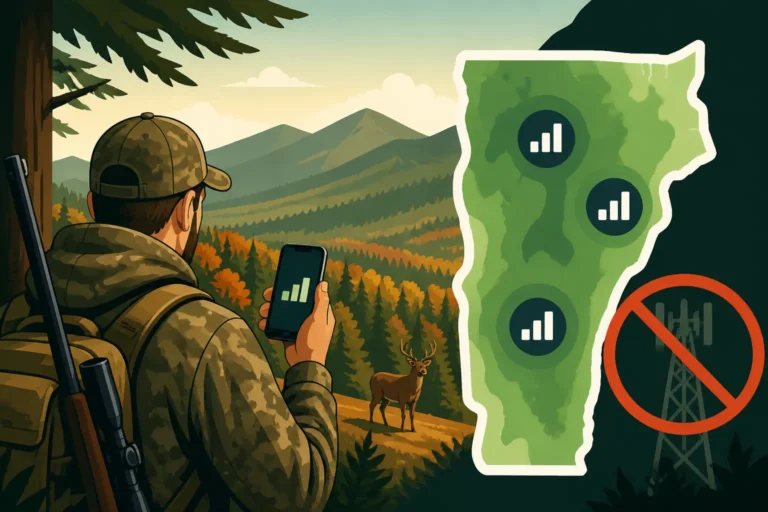
- Carry a Satellite Communicator: Given the spotty to non-existent cell service in much of Vermont's hunting country, a satellite messenger (like a Garmin inReach or similar) is not a luxury, it's a necessity for remote hunts. These devices allow you to send SOS messages to emergency services, communicate with loved ones, and share your location, even without cell signal. Look into options for Best Satellite Communicator for Northeast Kingdom Land before your next deep woods trip. Some platforms, like GoHunt, offer features that might integrate with tracking or emergency notifications, so check their offerings.
- Pre-Plan Rendezvous Points: If hunting with a partner, establish clear rally points and emergency communication plans in case you get separated or someone is injured.
- Know Local Emergency Numbers: While 911 is universal, sometimes having a direct number for local game wardens or sheriff's departments can expedite things, even if you just pass it along to your emergency contact.
Regular Checks and Maintenance
A neglected first aid kit is as good as no first aid kit.
- Expiration Dates: Medications, antiseptic wipes, and even some bandages have expiration dates. Go through your kit regularly (at least once a season) and replace anything that has expired.
- Replace Used Items: If you've used a Band-Aid, a gauze pad, or any other item, replace it as soon as you get home. Don't wait until the next hunt to restock.
- Check Batteries: Ensure your headlamp or small flashlight in the kit has fresh batteries.
- Seasonal Adjustments: In late fall or winter, consider adding more warming items (chemical hand warmers, extra emergency blankets) or adjusting medications for cold weather issues. In summer, focus more on insect bite relief and hydration.
- Integrate with GoHunt Planning: When using a platform like GoHunt to plan your scouting or hunting trips, make a note to check your first aid kit as part of your pre-trip checklist.
Learning From Others and Continuing Education
The world of first aid and backcountry medicine is constantly evolving. Staying current means staying safer.
- Share Experiences: Talk to other experienced hunters. What have they encountered? What have they learned? What do they carry in their kits? This collective knowledge is invaluable.
- Read Up and Stay Informed: Follow reputable wilderness medicine organizations, read articles, and stay abreast of new techniques or products.
- Attend Seminars/Workshops: Many outdoor organizations offer workshops on backcountry safety and first aid. Take advantage of them. Hunting is a lifelong pursuit, and so is learning how to do it safely. Tools on platforms like GoHunt can help you share information and learn from others in the community, fostering a safer hunting environment for everyone.
By taking the time to thoughtfully assemble, customize, and maintain a comprehensive first aid kit – and crucially, by learning how to use it – you’re not just preparing for the worst; you’re investing in your ability to enjoy the incredible hunting opportunities Vermont offers with greater confidence and peace of mind.
Disclaimer
This article is for general informational purposes only and does not constitute professional advice. Laws, prices and regulations vary by location and change over time. Consult a qualified professional for guidance on your specific situation.