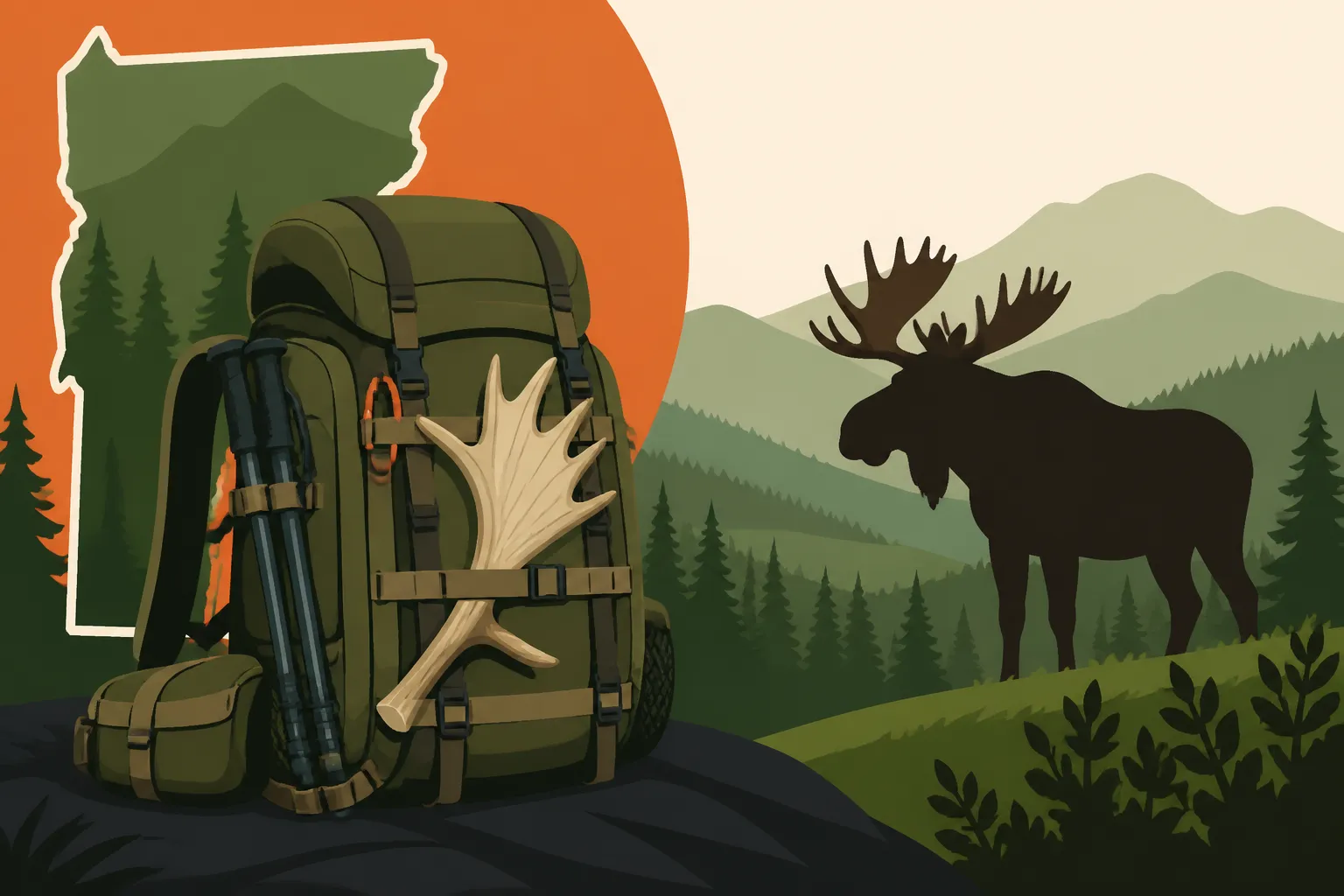
Best Pack for a Northeast Kingdom Moose Hunt
Oh, the sheer excitement and terror that washes over you when you finally draw that coveted moose permit for Vermont's Northeast Kingdom! It's a once-in-a-lifetime opportunity for many, but the reality of taking down an animal that can weigh well over a thousand pounds, often miles deep in rugged terrain, hits hard. One of the biggest challenges isn't just finding that bull or cow, but getting all that precious meat and hide out of the woods. This guide is all about helping you understand what makes a pack truly suitable for a Northeast Kingdom moose hunt, so you can make the right choice and haul your trophy home without breaking yourself in the process.
The Unique Demands of a Northeast Kingdom Moose Hunt
Hunting moose in Vermont, particularly in the sprawling, often untamed wilderness of the Northeast Kingdom, is a monumental endeavor. It's not like still-hunting a small woodlot in the Champlain Valley. The sheer scale of the animal, combined with the remote and challenging environment, means your gear needs to be up to an entirely different standard. We're talking about a hunt where success isn't just measured by a shot, but by your ability to pack out hundreds of pounds of meat, often through thick cover and over rough ground.
Rugged Terrain and Remote Access
Picture this: you've finally called in a bull, or perhaps your guide has helped you Hunting a Drawn Moose Zone in the Northeast Kingdom, but he's standing 3 miles deep in a spruce swamp, a good mile off any semblance of a logging road. The Northeast Kingdom is notorious for its dense softwood thickets, boggy lowlands, and steep, rocky ridges. Vehicle access is often limited to maintained roads, meaning you'll likely be hiking significant distances just to get to your hunting grounds. If you make a kill, that distance multiplies with every trip you make hauling meat. This isn't flat, open country where you can simply drag a deer to your truck. You'll be navigating blowdowns, crossing streams, and battling dense undergrowth, all while potentially carrying a substantial load. This unforgiving landscape is precisely why your pack choice is paramount.
The Sheer Scale of a Moose Harvest
Let's be blunt: a moose is enormous. Even a smaller cow moose can yield several hundred pounds of boned-out meat, not to mention the hide and skull if you're taking them. Unlike deer, which can often be dragged or quartered and carried out in one or two trips with a decent pack, a moose almost always requires multiple trips, even with a team of strong hunters. You'll likely be breaking the animal down into quarters, backstraps, tenderloins, neck meat, and rib slabs right where it falls. Each of those quarters alone can weigh 80-150 pounds, a staggering load for any single person. This is where the engineering of your pack truly comes into play – it needs to handle immense, awkward weight without failing and, crucially, without crushing your spirit (or your spine). Packing Out a Vermont Moose is a herculean effort, and your pack is your primary tool.
Variable Weather Conditions
Vermont weather, especially in the fall, is notoriously fickle. One day you might be enjoying crisp, cool sunshine, perfect for hiking. The next, you could be slogging through cold, driving rain, or even an early snowfall. A good pack for a moose hunt needs to be able to protect your gear from the elements, as well as stand up to being tossed around in mud and snow. You'll be packing essential survival gear, extra layers for warmth, food, water, and butchering tools. If your pack soaks through, or its zippers fail in nasty weather, your hunt can quickly go from challenging to dangerous. Think about the importance of keeping your spare socks dry when you're miles from camp and the temperature is dropping.
Key Features to Look for in a Moose Hunting Pack
When you're sifting through options for a moose hunting pack, you're not just looking for something to carry your lunch. You need a specialized tool, a workhorse designed to handle extreme weight and abuse in the backcountry. Let's dig into the crucial features.
Frame System: Internal vs. External
This is perhaps the most critical decision you'll make.
- External Frame Packs: These packs feature a rigid, often aluminum, frame that sits outside the main pack bag. The frame typically extends above and below the bag, providing attachment points for strapping on oversized or awkward loads directly to the frame. Many come with a "meat shelf" or designated space between the frame and the bag for securing quarters.
- Pros: Unmatched load-carrying capacity for heavy, awkward, and bulky items like moose quarters. The weight is distributed very effectively, often allowing for better ventilation against your back. You can often remove the main pack bag and use the frame as a dedicated hauler for meat, keeping your gear clean.
- Cons: Can be bulkier and sometimes catch on dense brush. The frame can sometimes feel less "part of you" than an internal frame, especially in highly dynamic movements.
- Internal Frame Packs: The frame is integrated within the pack bag, typically consisting of aluminum stays or a plastic sheet.
- Pros: Tends to hug the body more closely, offering better balance and maneuverability in thick timber or when scrambling. Generally more streamlined. Modern internal frames are incredibly robust.
- Cons: While high-capacity internal frames can carry heavy loads, they often struggle with the sheer bulk and awkwardness of large game quarters as efficiently as a dedicated external frame. Separating meat from your gear can be more challenging.
For a moose hunt, many seasoned hunters gravitate towards robust external frame packs or hybrid systems that offer the best of both worlds, primarily due to the unparalleled ability to haul massive, unwieldy loads. You can always check out resources like GoHunt for detailed reviews and comparisons of different frame systems and how they perform under extreme conditions.
Capacity and Compression
You'll need significant capacity for a multi-day hunt, carrying not just your personal gear but also potentially enough supplies for an unexpected night out, and certainly space for the initial load of meat.
- Volume: Look for packs in the 4,000 to 7,000 cubic inch range, especially if you anticipate multi-day trips or need to carry substantial amounts of gear in addition to the initial meat load. Remember, you might carry gear to the animal, then switch to carrying meat from the animal, with a smaller amount of essential gear.
- Compression Straps: These are absolutely essential. Once you've loaded a quarter of moose, you need to cinch it down tightly so it doesn't shift, bounce, or swing as you navigate challenging terrain. A load that shifts can throw you off balance and quickly drain your energy. Look for multiple strong compression straps on the sides, top, and bottom, designed to secure heavy, irregular shapes. These also help keep a partially empty pack tight and streamlined.
Material and Durability
Your pack is going to take a beating. It will be scraped against trees, dropped in mud, and potentially soaked.
- Rugged Fabrics: Prioritize durable, high-denier fabrics like Cordura nylon (500D to 1000D are common). These materials resist abrasion, tears, and punctures.
- Water Resistance: While fully waterproof packs are rare and often unnecessary, good water resistance is key. Look for packs with DWR (Durable Water Repellent) coatings, sealed seams, and robust zippers. Carrying a rain cover is always a good idea for added protection in a real downpour, or if you're trying to protect valuable gear inside while hauling meat on the outside.
- Hardware and Stitching: Examine the buckles, zippers, and attachment points. They should be heavy-duty, reliable, and easy to operate even with cold, gloved hands. All critical seams should be reinforced, double-stitched, or bartacked to prevent blowouts under extreme load. A cheap zipper failing miles into the backcountry is a disaster you want to avoid.
Comfort and Fit
Even the strongest pack is useless if it doesn't fit you well and causes unbearable discomfort.
- Adjustability: A good moose pack will have extensive adjustability in its torso length, shoulder strap positioning, and hip belt. This allows you to fine-tune the fit to your specific body shape and distribute the load optimally. Many packs offer multiple sizes (e.g., S/M, L/XL) for a more precise initial fit.
- Hip Belt: The vast majority of a heavy pack's weight should ride on your hips, not your shoulders. Look for a substantial, well-padded hip belt that can comfortably bear hundreds of pounds. It should contour to your body and have strong buckles that won't slip.
- Shoulder Straps and Load Lifters: While the hips take the brunt, shoulder straps keep the pack snug against your back. They should be well-padded and wide. Load lifter straps, which connect the top of the pack to the top of the shoulder straps, are crucial for pulling the top of the pack closer to your body, preventing it from leaning back and creating leverage that strains your shoulders.
- Trying it On: This is non-negotiable. Go to a reputable outdoor store, if possible, and try on packs with actual weight (they often have sandbags or weights). Walk around, bend, and simulate movements you'd make while hunting. This is the only way to truly assess comfort and fit under load. Don't be afraid to ask for help from staff in fitting the pack correctly. Resources like GoHunt often provide detailed guides on how to properly fit a hunting pack.
Types of Packs for Moose Hunting
Given the extraordinary nature of a moose hunt, not just any large backpack will do. We’re looking for purpose-built solutions that understand the unique challenges of hauling such immense game.
Dedicated External Frame Haulers
These are the titans of the pack world, specifically engineered to move heavy, awkward loads. Think of brands that specialize in backcountry hunting and expedition-grade gear. These often feature a sturdy, often rigid aluminum or carbon fiber frame that stands separate from the primary pack bag. The magic here is the integrated meat shelf or dedicated lashing system between the frame and the bag.
The primary advantage is structural integrity. When you lash a 100-plus pound moose quarter to one of these frames, it becomes part of the rigid system, minimizing shifting and maximizing your ability to carry the load efficiently. The frame's design often helps distribute the weight effectively to your hips, relieving your shoulders. Plus, the separation of meat from your personal gear means no blood, hair, or guts getting into your sleeping bag or extra layers. This kind of pack shines when you're facing a multi-trip scenario, where you might leave your main camp gear in the bag, and just use the stripped-down frame to haul meat. Brands like Mystery Ranch and Kifaru are well-regarded for their robust external frame systems, often appearing in detailed comparisons on sites like GoHunt. This category is specifically designed for situations where Packing Meat Out of a Steep Ravine or Getting a Moose Out on a Logging Road is a reality, not just a possibility.
Large Internal Frame Expedition Packs
While external frames excel at pure weight hauling, many modern internal frame packs have evolved to handle significant loads with remarkable comfort. These packs integrate their rigid support directly within the pack bag, usually through aluminum stays or a substantial framesheet. They are generally more streamlined and hug the body closer, which can be advantageous when you're still-hunting through thick timber or navigating really tight spots where an external frame might snag.
For a moose hunt, you'd be looking at expedition-grade internal frames—those with capacities often exceeding 6,000 cubic inches and a very robust suspension system. While they might not have a dedicated external meat shelf, many are designed with strong compression straps and expandability that allow you to lash quarters or deboned meat to the outside or within a dedicated meat compartment. The key is to find one with load lifters that truly work, a rock-solid hip belt, and a suspension system built for sustained heavy loads. These packs are often a good choice for hunters who prioritize a single, versatile pack for various types of backcountry hunts, not just moose. However, be realistic about the weight limit; pushing an internal frame beyond its intended capacity with an awkward moose quarter can quickly lead to discomfort or pack failure.
Hybrid Systems
This category offers a fantastic compromise, blending the best attributes of both external and internal frames. A hybrid pack typically features a robust internal frame that provides that close-to-body feel and maneuverability, but also incorporates an external load shelf or a "load sling" system. This means the main pack bag can be detached or cinched down, creating a space between the pack and the frame where you can secure large, awkward loads like a moose quarter directly against the frame.
These systems give you the versatility to use the pack as a traditional high-capacity backpack for your gear on the way in, and then convert it into a serious hauler for meat on the way out, all while maintaining good weight distribution. They allow you to keep blood and meat separate from your gear without needing two entirely different packs. For many Vermont moose hunters, this type of pack offers the ideal balance of comfort, versatility, and sheer hauling power required for Packing for a Northeast Kingdom Moose Hunt. When researching these options, looking at reviews and performance tests on platforms like GoHunt can provide invaluable insights into how these hybrids perform under real-world moose hunting conditions.
Field-Testing Your Pack and Packing Strategies
Buying the right pack is just the first step. To ensure success and minimize suffering on your moose hunt, you need to understand how to use it, pack it, and prepare yourself for the monumental task of hauling out a magnificent animal. Remember, What a Once-in-a-Lifetime Moose Tag Means is that you don't want to blow it on an avoidable gear or preparation mistake.
Pre-Season Training and Fit
You wouldn't run a marathon without training, and you shouldn't attempt to pack out a moose without preparing both yourself and your gear.
- Load Testing: Once you've purchased your pack, load it up! Don't wait until opening day. Use sandbags, weights, or even bags of cat litter to simulate heavy, awkward loads of 50, 75, or even 100 pounds. This will quickly reveal any hot spots, uncomfortable pressure points, or weaknesses in the pack's fit.
- Adjusting the Harness: Spend time meticulously adjusting every strap – the torso length, shoulder strap angle, sternum strap, and especially the hip belt. The goal is to have the majority of the weight riding squarely on your hips. If your shoulders are burning after 10 minutes, the pack isn't fitted correctly. Watch videos or consult the pack manufacturer's guides (many, including those reviewed on GoHunt, offer excellent fitting instructions).
- Long Hikes with Weighted Pack: Take your loaded pack for regular, extended hikes, simulating the kind of terrain you expect to encounter in the Northeast Kingdom. Climb hills, walk through dense brush, and practice moving with the pack on. This not only builds your physical endurance but also helps you get accustomed to the pack's feel and balance, allowing for further adjustments. This is also a good time to test your Boots for Green Mountain Ridge Terrain.
Meat Packing Considerations
The moment of truth arrives when you're standing over your harvested moose. The field dressing and quartering process is critical, but how you get that meat into and onto your pack is equally important.
- Game Bags: These are non-negotiable. Invest in sturdy, breathable game bags specifically designed for large game. They protect the meat from dirt, insects, and provide a clean barrier for transport. Having plenty of game bags, enough for all the quarters, straps, and smaller cuts, is crucial for preserving your harvest.
- Keeping Meat Clean and Cool: Your priority immediately after the kill is to get the animal field dressed, skinned, quartered, and the meat cooling as quickly as possible. This is particularly important in warmer early season conditions. Place game bags in shaded areas and elevate them off the ground for air circulation. The pack itself plays a role here; an external frame that keeps meat away from your back allows for better airflow around the meat.
- Distributing Weight Correctly: When loading meat, aim for even weight distribution. Place heavier items as close to your back as possible and centered horizontally. If you're using an external frame with a meat shelf, make sure the quarter is securely lashed down and balanced. If you're lashing quarters to an internal frame pack, ensure the load is high on your back and cinched tight to prevent swinging. A poorly distributed load will throw off your balance, cause fatigue, and increase the risk of injury. Remember, you're looking at multiple trips, so efficient packing for each load is vital. Many successful moose hunters carry only the absolute essentials on meat trips – water, a knife, and perhaps a headlamp if dusk is approaching.
| Feature | External Frame Pack (Ideal for Moose) | Internal Frame Pack (Large Expedition) | Hybrid Pack (Best of Both) |
|---|---|---|---|
| Primary Use Case | Dedicated heavy load hauling, especially awkward shapes | Versatile backpacking, good for heavy but compact loads | Versatile, converts from gear pack to heavy hauler |
| Load Capacity | Excellent for extreme weight (100+ lbs per trip) | Very good for heavy loads (up to 80-100 lbs comfortably) | Excellent for extreme weight with load shelf capability |
| Meat Separation | Typically excellent, often with dedicated meat shelf | Can be challenging, meat often in contact with pack bag or outside | Excellent, main pack bag can be detached/cinched for meat carry |
| Comfort w/ Heavy Load | Very good, weight distributed to hips effectively | Good to very good, if fitted perfectly and load is compact | Very good, combines comfort with heavy load distribution |
| Maneuverability | Can be bulky in dense cover | More streamlined, better for navigating thick terrain | Good, maintains streamlined profile when not hauling meat |
| Ventilation | Often superior, more airflow between pack and back | Can trap heat against back | Good, especially when using load shelf |
| Durability | Generally very high, built for abuse | High-end models are very durable | Very high, designed for rugged backcountry use |
| Cost | Can be higher due to specialized construction | Varies widely, expedition models are premium | Often in the premium range |
Disclaimer
This article is for general informational purposes only and does not constitute professional advice. Laws, prices and regulations vary by location and change over time. Consult a qualified professional for guidance on your specific situation.