What a Once-in-a-Lifetime Moose Tag Means
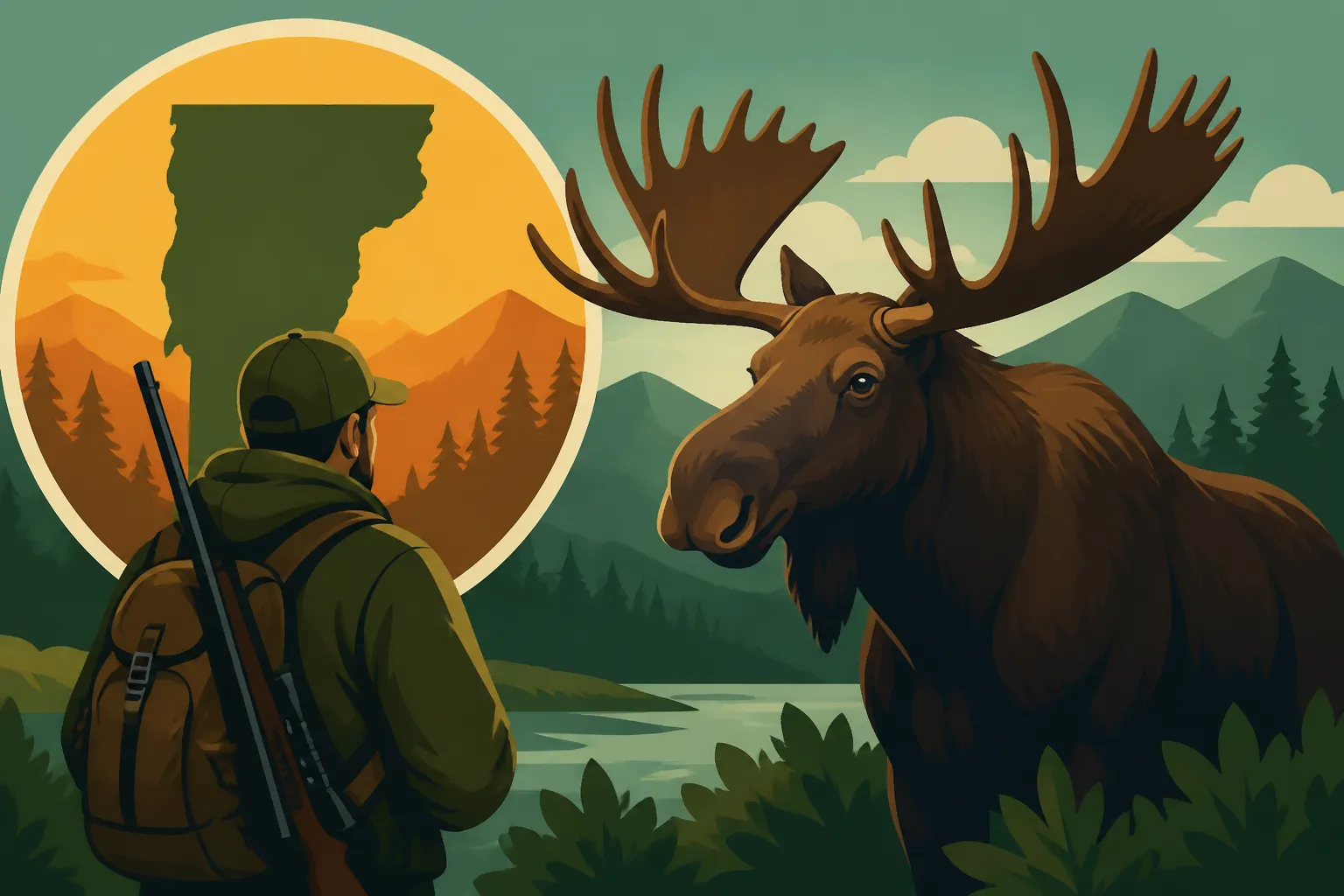
Drawing a Vermont moose permit isn't just about getting a piece of paper; it’s about winning a golden ticket to one of the most challenging and rewarding hunts in North America, a true test of skill and endurance that many hunters only dream of. The anticipation, the scouting, the sheer effort, and the memories forged are unlike any other pursuit in the Green Mountain State, making it an experience that truly defines "once-in-a-lifetime" for those lucky enough to draw a tag.
The Rarity and Rules Behind Vermont's Coveted Moose Permit
For many a Vermont hunter, or those looking to experience the state's wild side, the dream of a moose permit looms large. It's a highly competitive endeavor, a lottery system that only grants a precious few the opportunity to pursue one of North America's most magnificent big game animals. The reason it's called a "once-in-a-lifetime" tag isn't hyperbole; it's a reflection of stringent management designed to protect the moose population and distribute a very limited resource fairly among a passionate hunting community.
The Vermont Fish and Wildlife Department issues a remarkably small number of moose permits each year. For instance, in recent years, numbers like Vermont's Eighty-Five 2026 Moose Permits have been allocated, a testament to just how exclusive this hunt is. This low allocation is a careful balance, reflecting the state's commitment to monitoring the health of the moose herd, especially in light of challenges like the devastating impact of winter ticks. The department uses these limited permits as a targeted management tool, focusing harvest efforts in specific Wildlife Management Units (WMUs), primarily within the vast, wild expanse of the Northeast Kingdom, where moose populations are healthier but still require careful oversight.
What truly defines the "once-in-a-lifetime" aspect is the rule that follows a successful draw. If you are fortunate enough to win a permit through Vermont's Moose Permit Lottery, either as the primary permittee or as a sub-permittee, you become ineligible to apply for another moose permit for the next five years. This rule ensures that as many different hunters as possible get a chance at this exceptional experience over time, reinforcing its unique and precious nature. It's not a lifetime ban, but a substantial five-year hiatus that drives home the point: when you get this tag, you need to make it count, because it’ll be a good long while before you get another shot.
More Than Just a Tag: The Experience and Responsibility
Securing a Vermont moose tag transforms from a distant dream into a tangible reality, and with that reality comes a profound sense of anticipation, excitement, and no small amount of responsibility. This isn't just another hunting trip; it's an expedition into some of Vermont's wildest country, a deeply personal quest that demands respect for the animal, the land, and the opportunity itself. The moment you see your name on that draw list, the planning shifts into high gear, consuming your thoughts and preparations for months.
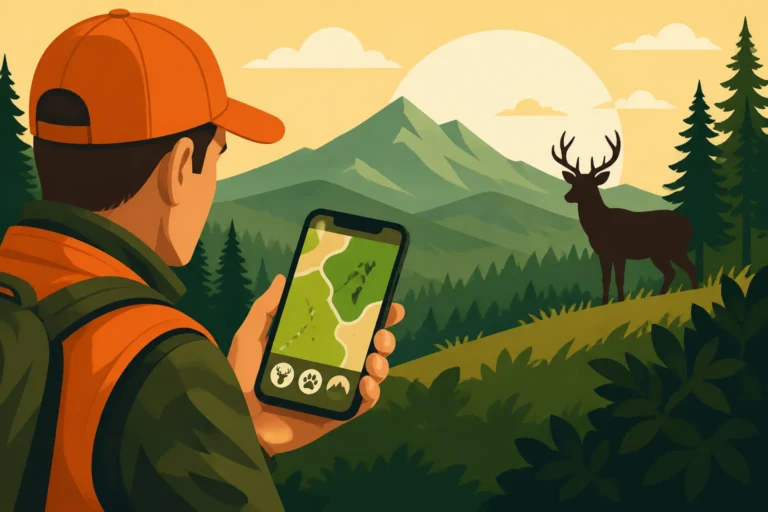
The preparation for a moose hunt is unlike any other. You'll need to focus on intense physical conditioning, as the terrain in the Northeast Kingdom can be unforgiving—steep hills, thick timber, and vast boggy areas. Every piece of Gear for a Vermont Moose Hunt must be meticulously selected, from your rifle and optics to your clothing layers and navigation tools. This level of commitment extends to extensive scouting, often before the permit is even drawn, to understand potential hunting grounds, moose travel corridors, and preferred food sources. Many hunters rely on advanced mapping and scouting tools, like those found on GoHunt, to analyze topography, identify potential bedding and feeding areas, and mark promising locations long before they ever step foot in the woods.
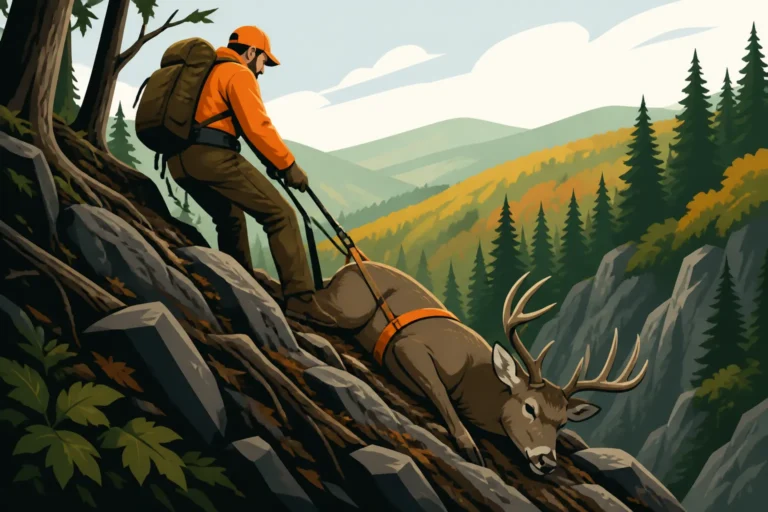
The responsibility also weighs heavily. A moose is an enormous animal, and successfully harvesting one requires not only precise shot placement but also a significant logistical effort for recovery and processing. Field dressing a moose is an arduous task, often done in remote locations far from roads, requiring specialized tools and a clear plan. Hunters often bring a team of friends or family, embodying a true community effort, to help with the strenuous work of Packing Out a Vermont Moose. The meat yield from a moose is substantial, providing hundreds of pounds of high-quality wild game, and honoring that resource means proper handling and preservation, a testament to the success of the hunt and a respectful use of the privilege bestowed upon you.
Navigating the Hunt: Strategies for Success in the Northeast Kingdom
With your coveted "once-in-a-lifetime" permit in hand, the focus quickly shifts to the strategic execution of your hunt. The Northeast Kingdom, particularly WMU E1 and E2, is synonymous with Vermont moose, offering vast tracts of public and private land where these magnificent animals roam. This isn't a passive hunt; it demands active engagement, keen observation, and often, a willingness to cover serious ground. Success hinges on a well-thought-out plan and the adaptability to change tactics based on conditions.
Understanding moose behavior is paramount. During the fall season, moose are often found near wetlands, beaver flows, and areas with regenerating timber cuts, where browse is abundant. They are also known to frequent hardwood ridges, particularly those with a strong mast crop like beech nuts. Early morning and late evening are prime times for activity, but during the rut, bulls can be active throughout the day as they search for cows. Utilizing a strategy of still-hunting through likely habitat or setting up in known travel corridors can be effective. For those seeking to draw a bull into range, the art of Calling a Bull Moose Into Range becomes a critical skill. Deep grunts, cow calls, and antler raking can mimic the sounds of the rut, often bringing curious or territorial bulls within shooting distance. Tools like GoHunt can be invaluable here, offering detailed topographic maps and satellite imagery to help identify potential clear-cuts, water sources, and travel routes that might hold moose.
The logistical challenges of Hunting a Drawn Moose Zone in the Northeast Kingdom cannot be overstated. Once an animal is down, the real work begins. The sheer size of a moose means that even with a partner or two, quartering and extracting the animal from deep woods is an immense physical undertaking. Planning your approach with this in mind—considering proximity to logging roads or ATV trails, if permitted, and having appropriate gear like game carts or pack frames—is crucial. Often, hunters will need to make multiple trips to pack out all the meat, emphasizing the need for robust planning and a strong support team.
The Legacy: Preserving the Memory of Your Vermont Moose
Successfully harvesting a Vermont moose is the culmination of years of dreaming, months of planning, and days of hard hunting. But the journey doesn't end when the shot is fired; it transitions into the equally important phase of preserving the meat, honoring the animal, and solidifying the memories of this truly once-in-a-lifetime experience. The sheer volume of venison from a moose means that attention to detail in processing and storage is critical to enjoying the bounty for months to come.
Immediately after the harvest, proper field care is essential to ensure the quality of the meat. This means quick field dressing and quartering, especially in warmer early fall weather. Having plenty of game bags and a plan for cooling the meat down rapidly is vital. Once back at camp or home, the meticulous process of butchering begins. Many hunters choose to do this themselves, relishing the connection to their harvest, while others opt for professional processors. Regardless of the method, proper cutting, packaging, and freezing will allow you to enjoy delicious moose meat – from steaks and roasts to ground meat and sausages – for a full year or more. This sustainable, organic protein is a direct reward for your efforts.
Beyond the freezer, the memories of your Vermont moose hunt will last a lifetime. Many hunters choose to preserve the experience through taxidermy, commissioning a shoulder mount or European mount to commemorate their bull. The sheer size of a moose antler spread makes for a truly impressive display, serving as a constant reminder of the incredible adventure. But even without taxidermy, the stories shared around the campfire, the photographs, and the deep satisfaction of a hard-earned hunt become part of your personal legacy as a hunter. This is what a once-in-a-lifetime tag truly means: not just a successful hunt, but an enduring memory, a connection to the wild, and a profound respect for Vermont's majestic moose.
| Aspect of Moose Tag | Description | Typical Vermont Experience |
|---|---|---|
| Rarity | Limited permits issued through a lottery system. | Around 85-100 permits annually statewide, mostly in the Northeast Kingdom. |
| Eligibility | Once drawn (permittee or sub-permittee), ineligible for a period. | 5-year waiting period before reapplying in Vermont. |
| Cost | Application fee + permit fee if drawn. | Application ~$25, Resident permit ~$100, Non-resident permit ~$350 (approx.) |
| Duration | Standard hunting season length. | Typically a 6-day season, often in mid-October. |
| Effort | Requires extensive physical and logistical preparation. | Demands serious scouting, physical conditioning, and often a team for recovery. |
| Reward | Abundant, high-quality wild game meat and a unique trophy. | Hundreds of pounds of venison, unforgettable memories, and a lifelong story. |
Disclaimer
Please be aware that hunting regulations, permit numbers, and season dates can change. Always consult the most current Vermont Fish and Wildlife Department regulations before planning any hunting trip. This guide is for informational purposes only and does not constitute legal advice.