Vermont Bat Population and White-Nose Syndrome
White-Nose Syndrome details the fungal disease affecting bat populations in Vermont caves and explains current conservation efforts.
Know what you’re after.
Big game, small game, upland birds, and waterfowl — identification, behavior, rut and migration timing, and how each species moves through the season.
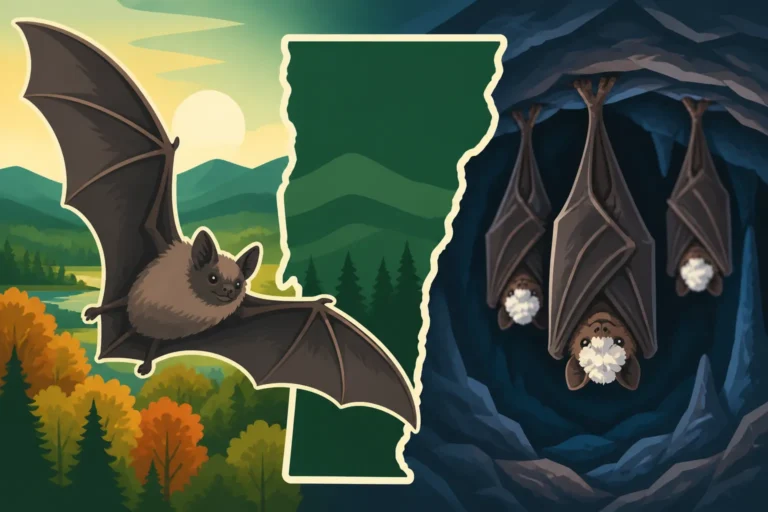
White-Nose Syndrome details the fungal disease affecting bat populations in Vermont caves and explains current conservation efforts.
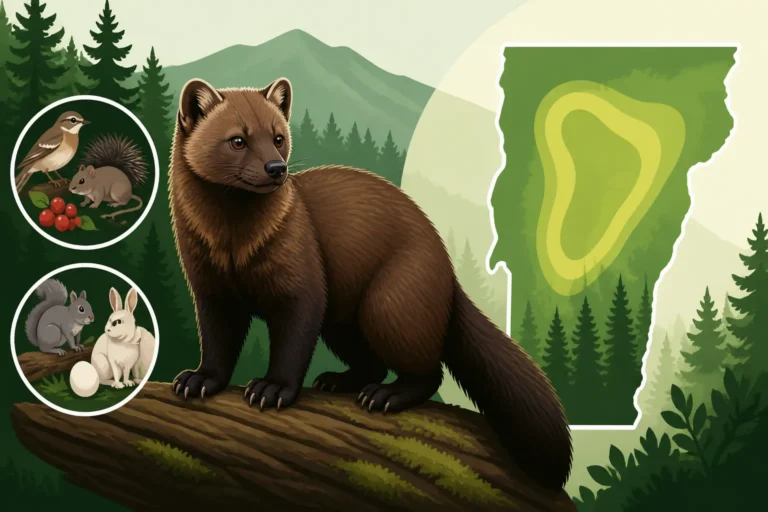
Vermont fishers are secretive weasel family members that hunt porcupines and live in mature coniferous and mixed forests.
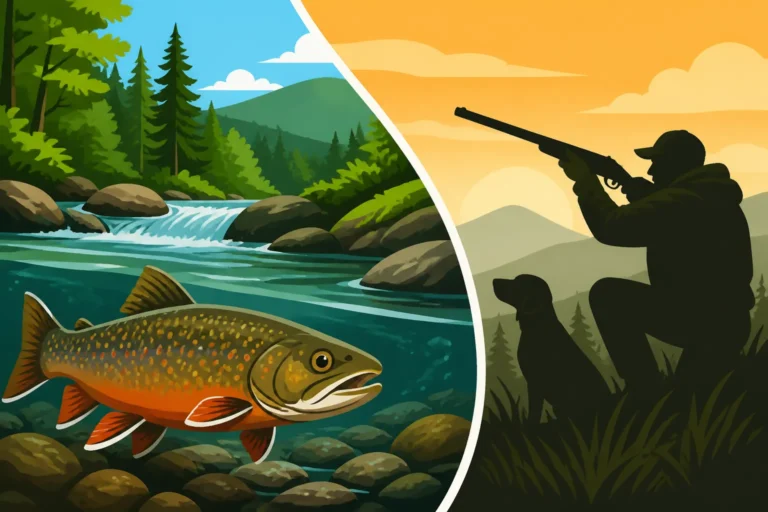
Vermont wild brook trout thrive in cold, clean, oxygenated mountain streams where water temperatures stay below sixty-five degrees.
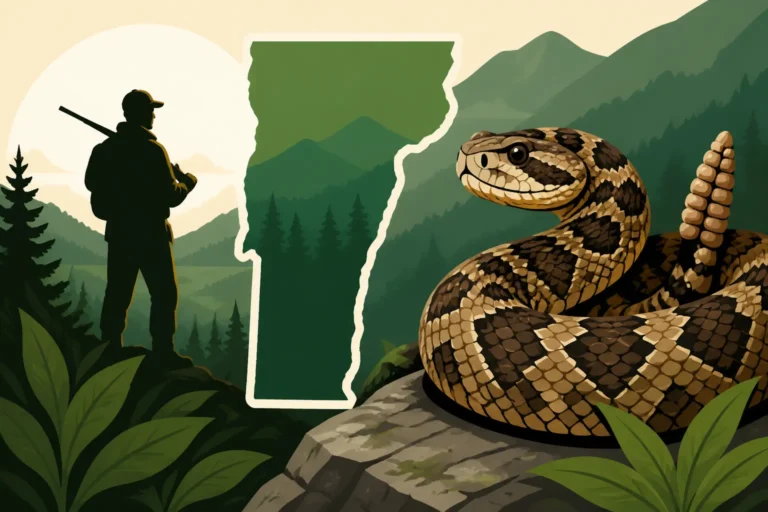
Vermont timber rattlesnakes inhabit rugged Rutland County rocky ledges and south-facing slopes, serving as endangered natural rodent control.
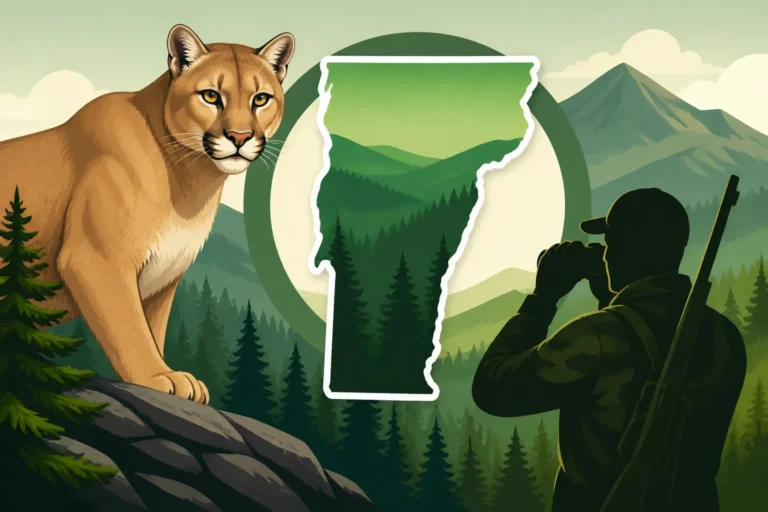
Vermont mountain lion sighting reports, historical extirpation facts, and guidance on what to do during an animal encounter.
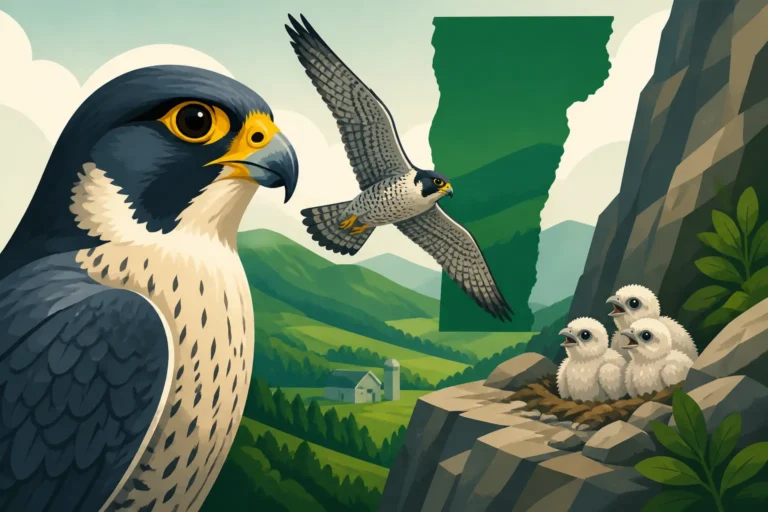
Vermont peregrine falcon populations recovered from near extinction due to DDT through collaborative conservation and habitat protection.
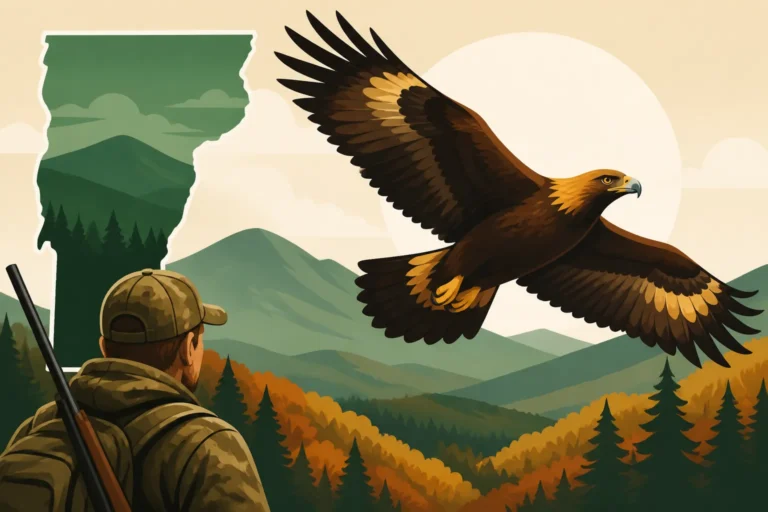
Vermont Golden Eagle sightings occur during spring and fall migrations, offering outdoor enthusiasts rare chances to observe these majestic raptors.
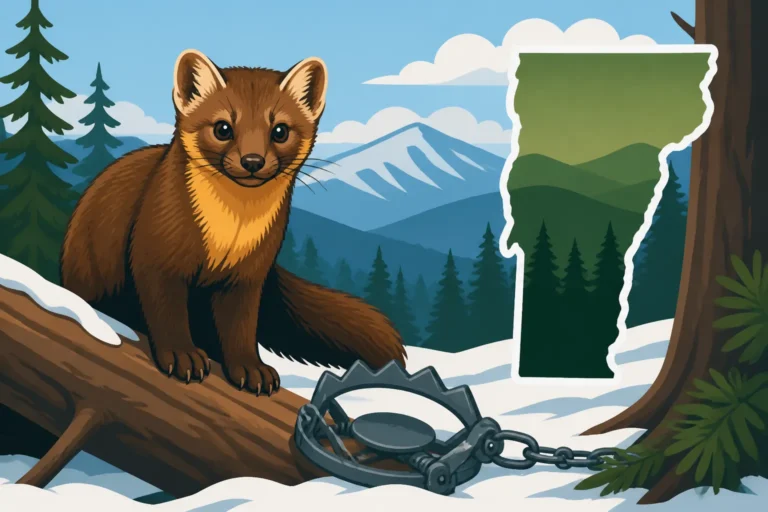
Vermont marten trapping regulations and endangered status details explain why harvesting this protected furbearer remains completely illegal statewide.
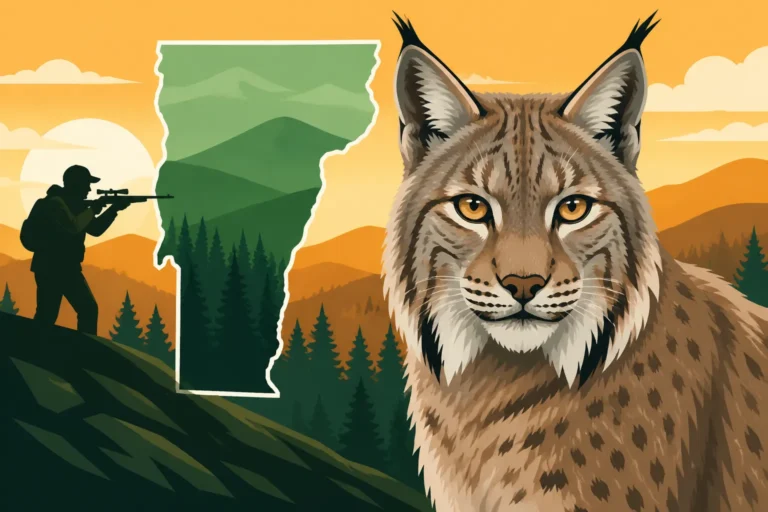
Canada lynx sightings in the Vermont Northeast Kingdom reveal historical presence and transient individuals exploring Quebec territories.
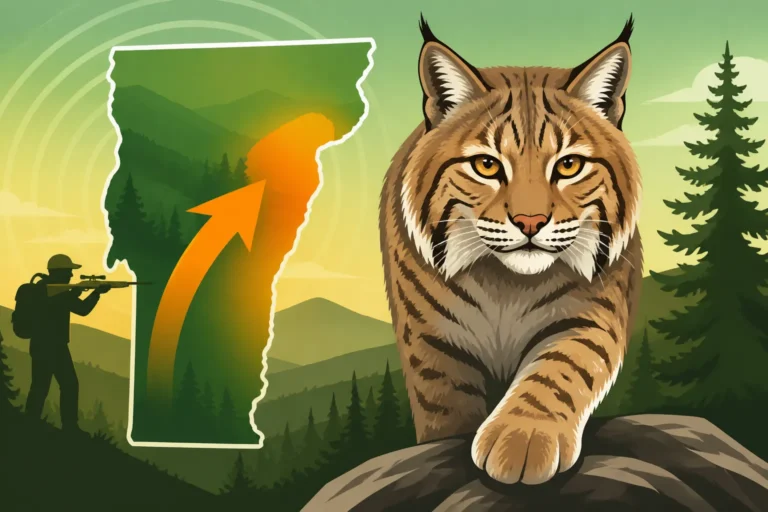
Vermont bobcat populations are expanding across the state, driven by better ecological management and recovery from historical scarcity.