Vermont Golden Eagle Sightings
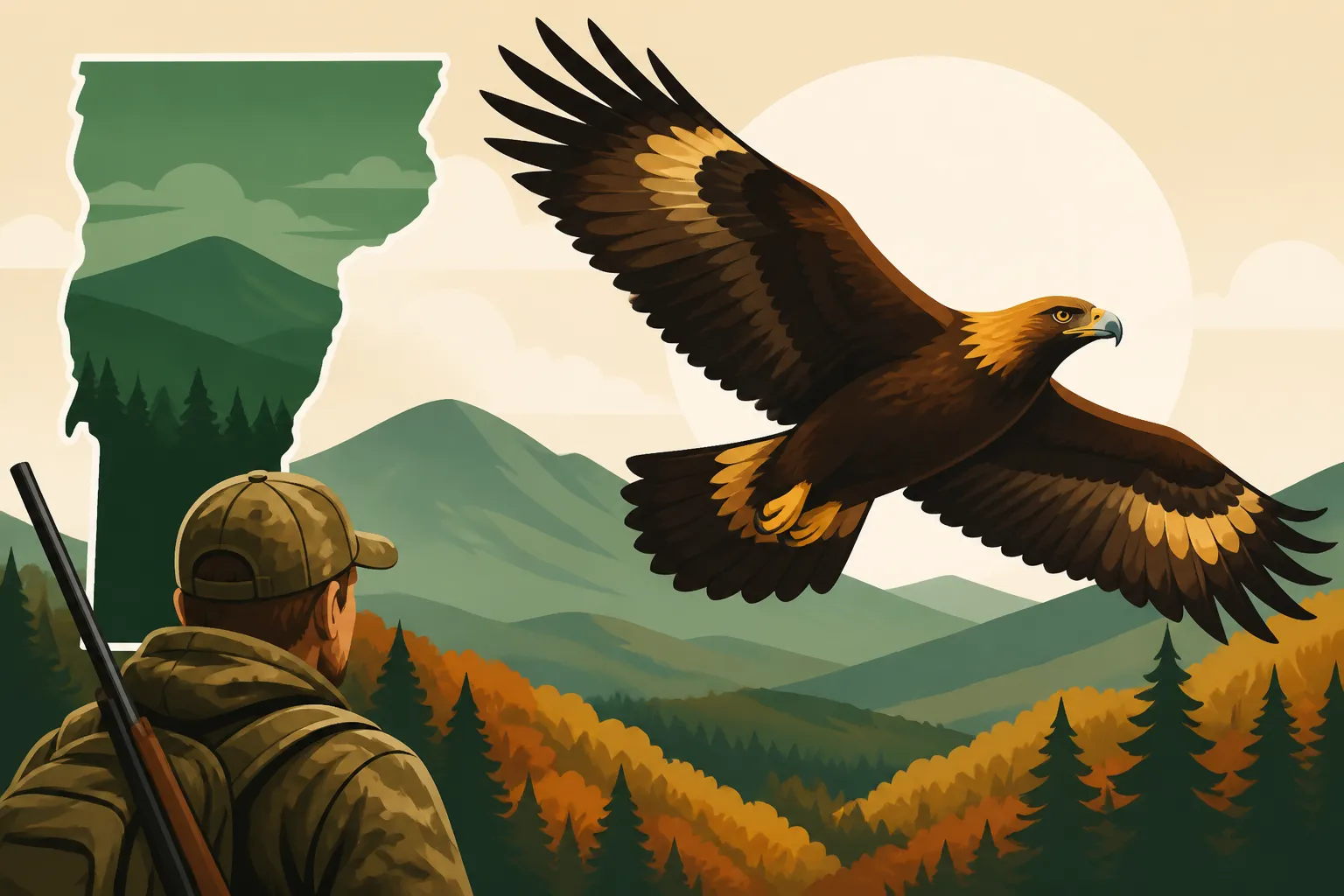
There's nothing quite like scanning the vast Vermont skies and catching a glimpse of something truly magnificent, a creature that embodies the wild spirit of our mountains and valleys. Many of us hunters and outdoor enthusiasts spend countless hours in the woods, hoping to see a Golden Eagle – a majestic raptor whose infrequent but awe-inspiring appearances leave a lasting impression. This guide is here to shed light on these elusive birds, helping you understand where and when you might be lucky enough to witness one of Vermont's most extraordinary avian visitors, and how your observations can actually contribute to wildlife knowledge.
The Elusive Golden Eagle in Vermont's Skies
For many Vermonters, the Golden Eagle feels almost mythical, a creature whispered about more often than seen. Unlike their more commonly spotted cousin, the Bald Eagle, Golden Eagles are true icons of untamed wilderness, typically preferring vast, open landscapes and remote mountain ranges. While Vermont isn't their primary breeding ground, our state sits along crucial migration routes, making sightings, especially during spring and fall, a real possibility for those with a keen eye and a bit of luck. Understanding their habits and habitats can greatly increase your chances of witnessing one of these incredible birds soaring overhead.
Distinguishing Golden Eagles from Bald Eagles
It's easy to mistake a large raptor for another, especially when it's just a speck against the vast blue sky. However, with a bit of practice and knowledge, you can learn to tell the difference between a Bald Eagle and a Golden Eagle, even from a distance. Both are impressive birds, but they carry themselves differently and possess distinct field marks.
First, let's talk about their appearance. Adult Bald Eagles are instantly recognizable with their bright white heads and tails, contrasting sharply with their dark brown bodies. Juvenile Bald Eagles, however, are mostly dark brown with varying amounts of white mottling on their underwings and belly, which can be confusing. Golden Eagles, on the other hand, maintain a uniform dark brown plumage throughout their lives. Adults often show a "golden" wash on the nape of their neck and head, which gives them their name, but this isn't always obvious. Juveniles will have a distinct white patch at the base of their primary flight feathers, creating a "two-toned" effect on the underside of their wings, and often a clean white base to their tail with a dark terminal band. This white patch on the wings is often the easiest distinguishing feature for younger Golden Eagles.
Beyond plumage, their flight style offers critical clues. Bald Eagles tend to have flatter, plank-like wings in flight, often soaring on thermal currents with strong, deliberate wingbeats. Golden Eagles, in contrast, typically hold their wings in a slight dihedral (a shallow "V" shape) when soaring. Their wingbeats are usually deeper and more powerful than a Bald Eagle's, giving them a more active, dynamic flight. When you're out Hunting Vermont's Green Mountain National Forest or glassing a distant ridge, pay attention to these subtle differences. A golden eagle often presents a more streamlined, powerful profile, truly built for the chase across wide-open spaces, even when just cruising.
Historical Presence and Current Status
Historically, Golden Eagles were more widespread across North America, but habitat loss and persecution took a heavy toll on their populations. In Vermont, they've always been more of a transient visitor rather than a permanent resident. Our rugged terrain offers good migratory habitat, particularly the long ridgelines that provide excellent updrafts for soaring birds. These big birds prefer open country interspersed with forests, often hunting over fields, clear-cuts, and valleys, using the high vantage points of our mountains.
While there are no known active Golden Eagle nests in Vermont currently, the state lies along an important migratory corridor, especially for birds moving between Canada and their wintering grounds in the Appalachian Mountains. Researchers track these birds using satellite tags, revealing their incredible journeys. Many pass through Vermont during the spring and fall migrations, utilizing the wind currents along the major mountain chains. Their conservation status is of interest to all wildlife enthusiasts, including hunters, as their presence indicates a healthy, connected ecosystem. Observing one in Vermont is a testament to the wild character of our state and the importance of preserving large, undisturbed tracts of land that support not just game species, but these majestic raptors as well. Their continued presence, even as migrants, is a powerful indicator of the health of these vital pathways.
Where and When to Spot a Golden Eagle in Vermont
Catching a glimpse of a Golden Eagle in Vermont requires patience, a keen eye, and being in the right place at the right time. Unlike deer that might be found browsing in a Hunting a Standing Apple Orchard or turkeys roosting in specific trees, these raptors cover vast distances, making their appearances more unpredictable. However, by understanding their preferred migration routes and habitat, you can significantly improve your odds.
Key Migration Corridors and Habitat Preferences
Golden Eagles are masters of thermal soaring, using rising columns of warm air to conserve energy as they travel. This means they often follow major mountain ranges and ridgelines, where these thermals are reliably found. In Vermont, this points primarily to the spine of the Green Mountains and the broader, more remote areas of the Northeast Kingdom. These regions offer the expansive, undeveloped landscapes and rugged topography that Golden Eagles favor.
Think about areas with large unbroken forests that transition into open fields, high-elevation benches, or even clear-cuts that offer good hunting grounds. They're looking for prey like snowshoe hare, marmots, and other medium-sized mammals, and even large birds. As hunters, when you're out Reading Aerial Photos for Green Mountain Deer or Scouting Vermont Public Land Before Season, keep an eye on those distant ridgelines. A broad valley bordered by steep, forested slopes is prime territory for a Golden Eagle to cruise, searching for a meal. They aren't typically found in heavily settled areas; rather, they prefer the wilder, less disturbed parts of the state. Utilizing mapping apps like GoHunt can help you identify these specific types of terrain – expansive public land blocks, remote ridgelines, and large tracts of uninterrupted forest – where a Golden Eagle might feel comfortable passing through.
Seasonal Patterns for Sightings
For Vermont, Golden Eagle sightings are overwhelmingly concentrated during the spring and fall migration periods.
- Spring Migration (March – April): As the snow begins to melt and spring takes hold, Golden Eagles will be making their northward journey back to their breeding grounds, often in Canada. This is a fantastic time to be out, as birds are often visible moving along the Green Mountain spine. Early spring, especially on sunny, windy days, can provide excellent opportunities as they ride the strong air currents.
- Fall Migration (October – November): This is arguably the best time to spot a Golden Eagle in Vermont. As birds head south for the winter, they often follow similar pathways. During the peak of deer season, when many hunters are already out in the field, this coincides perfectly. Imagine sitting in your stand during Hunting the Rut in Early-to-Mid November and having a Golden Eagle drift overhead – it's an unforgettable experience. The cool, crisp air of autumn provides prime conditions for thermal activity, making sightings more frequent. Days with strong northwesterly winds following a cold front are particularly good, as these winds help push raptors along the ridgelines.
While less common, winter sightings are not unheard of, particularly in the deep, remote wilderness areas, but these are likely individual birds that have temporarily stopped to hunt. They are not year-round residents. Focusing your efforts during those key migratory windows dramatically increases your chances.
Here's a quick comparison of Bald Eagles vs. Golden Eagles in Vermont:
| Feature | Bald Eagle (Adult) | Golden Eagle (Adult) |
|---|---|---|
| Plumage | White head & tail, dark brown body | Uniform dark brown, golden nape/head |
| Juvenile Plumage | Dark brown with white mottling, dark beak | Dark brown, white wing patches, white tail base with dark band |
| Wings in Soar | Flat, plank-like | Slight dihedral ("V" shape) |
| Flight Style | Strong, deliberate wingbeats, flat soar | Deeper, more powerful wingbeats, active soar |
| Primary Habitat | Near large bodies of water, rivers, coastlines | Open country, mountains, vast grasslands |
| Diet Preference | Fish, waterfowl, carrion | Mammals (hares, marmots), large birds |
| Vermont Status | Common resident, increasing population | Migratory visitor, rare winter resident |
Understanding Golden Eagle Behavior and Ecology
Understanding how Golden Eagles live their lives, even if they're just passing through Vermont, gives us a deeper appreciation for their presence and the intricate web of life in our wild spaces. They are apex predators, fitting perfectly into the natural scheme that also includes Black Bears in Vermont and Coyotes and Predators in Vermont, all playing their part in maintaining ecological balance.
Hunting Techniques and Diet
Golden Eagles are formidable hunters, known for their incredible speed and power. They typically hunt by soaring high above open terrain, using their incredibly sharp eyesight to spot prey from great distances. Once a target is identified, they execute a swift, powerful dive, sometimes reaching speeds that allow them to snatch prey off the ground or even out of the air. Their powerful talons are their primary weapons, capable of crushing bone and holding onto struggling animals.
Their diet is primarily made up of medium-sized mammals, such as rabbits, hares, marmots, ground squirrels, and prairie dogs in other parts of their range. In Vermont's more forested and mountainous terrain, they might target snowshoe hares, grouse, or even young wild turkeys. Occasionally, they will also take carrion, especially during lean times. This diet preference means that areas with healthy populations of small game, particularly those that offer a mix of open areas for hunting and secure cover, are more likely to attract a migrating Golden Eagle. As hunters, knowing this can help you understand the broader wildlife movements and food sources in the areas you frequent, whether you're focused on deer or Squirrel Hunting Vermont Hardwoods.
Nesting Habits and Territoriality
While Vermont doesn't typically host breeding Golden Eagles, it's worth understanding their nesting habits to fully appreciate why our state primarily sees them during migration. Golden Eagles build massive nests, often called eyries, on remote cliffsides, tall trees, or even human-made structures in undisturbed areas. These nests can be enormous, growing in size year after year as the same pair returns to add new material. They are fiercely territorial around their nesting sites, defending a large area from other raptors and potential threats.
The reason Vermont doesn't have a robust breeding population is complex, but it likely relates to a combination of historical habitat alteration, current human activity, and the availability of their preferred large, undisturbed nesting locations and specific prey base across the entirety of the breeding cycle. Our terrain offers great migratory corridors, but perhaps not the continuous, vast open spaces with appropriate prey density that they need year-round for successful nesting. Nevertheless, even as transient visitors, their stopovers underscore the importance of maintaining vast tracts of wild land, like those accessible when Hunting the Northeast Kingdom, that can support these incredible creatures on their epic journeys.
Contributing to Golden Eagle Conservation and Reporting Sightings
Every time you venture into the Vermont woods, whether it's for Fall Turkey Hunting Vermont's Statewide Archery Window or Hunting the Youth Waterfowl Weekend, you become an invaluable set of eyes and ears for our wildlife. When it comes to rare species like the Golden Eagle, your observations can actually make a significant contribution to their conservation.
How Hunter Observations Aid Research
Wildlife biologists rely heavily on data collected in the field to understand population trends, migration patterns, and habitat use. For a species as uncommon as the Golden Eagle in Vermont, every verified sighting is a piece of the puzzle. Hunters, by virtue of spending extended periods in remote and wild areas, are uniquely positioned to spot these birds. You're often in places where casual hikers or birdwatchers rarely go, deeply immersed in the landscape.
If you are fortunate enough to see a Golden Eagle, try to note down as much detail as possible: the date, time, location (GPS coordinates are ideal, easily obtainable from a mapping app like GoHunt), the direction of flight, distinguishing features (was it an adult or juvenile?), and any behaviors you observed (soaring, hunting, perching). Even a quick mental note on Finding Sign in Green Mountain Timber can provide invaluable context. Reporting these sightings to the Vermont Fish & Wildlife Department or a local Audubon chapter helps build a more comprehensive picture of their presence in the state. This citizen science is crucial for identifying critical migratory flyways and understanding how environmental changes might be impacting these magnificent raptors. Your observations, no matter how brief, are more than just a cool story; they're data points that help protect wildlife.
Respecting Wildlife and Their Habitats
Whether you're after a trophy buck or simply enjoying the serenity of the Green Mountains, respecting wildlife and their habitats is a foundational principle for every ethical hunter and outdoor enthusiast. This extends to species like the Golden Eagle, which, while not a game animal, represents the very essence of wild Vermont.
When you encounter any wildlife, especially a rare raptor, the primary goal should always be to observe from a respectful distance without causing disturbance. If you spot a Golden Eagle, resist the urge to approach it for a closer look or to try and flush it for a better photo. These birds need their space, especially during migration when they are expending significant energy. Maintaining the integrity of their habitat also means adhering to all regulations regarding public land use, minimizing your impact, and practicing Leave No Trace principles. For example, understanding Treestand Rules on Vermont Public Land or how to properly manage your presence in remote areas is crucial. Our collective efforts to be responsible stewards of the land ensure that not only do game species thrive, but that we continue to offer safe passage and vital habitat for all creatures, including the awe-inspiring Golden Eagle, for generations to come.
Disclaimer
This article is for general informational purposes only and does not constitute professional advice. Laws, prices and regulations vary by location and change over time. Consult a qualified professional for guidance on your specific situation.