Moose in Vermont’s Northeast Kingdom
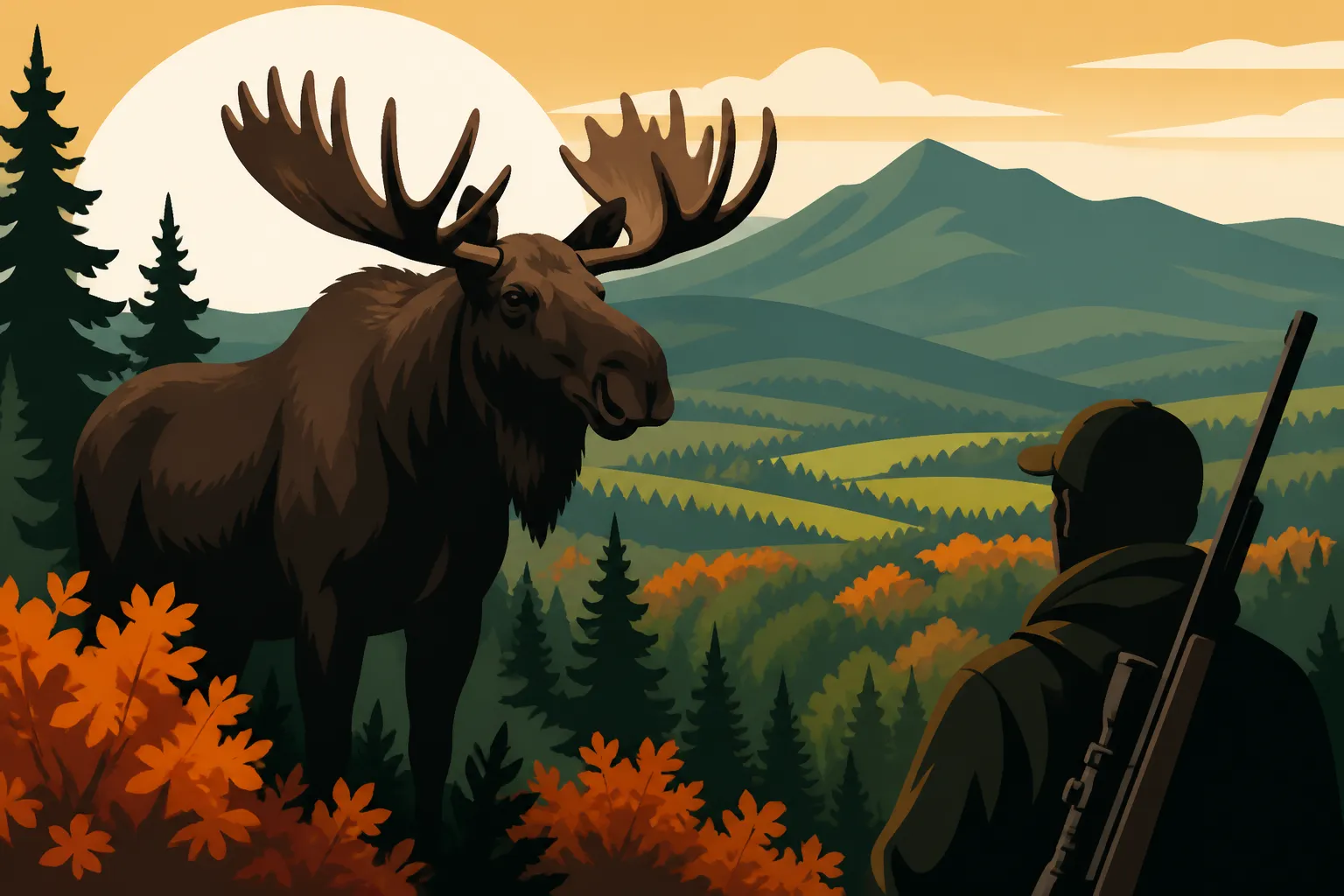
There's nothing quite like the sight of a truly wild moose, especially in its natural element, like the vast, remote expanses of Vermont's Northeast Kingdom. For many years, these magnificent creatures were a rare sight, and understanding their journey, the challenges they face, and the careful management now in place is vital for anyone who loves Vermont's wild spaces. This guide will take a deep dive into the world of moose in Vermont, focusing on their resurgence, their current status, and what it means for both wildlife enthusiasts and hunters hoping for that once-in-a-lifetime opportunity.
The Enduring Legacy of Vermont's Moose
The story of the moose in Vermont is one of remarkable resilience and successful conservation, even as new challenges emerge. These majestic animals have a long history in the Green Mountain State, but their numbers have fluctuated dramatically over the centuries.
From Near Absence to a Triumphant Return
Imagine a Vermont where moose were virtually nonexistent. It's hard to picture now, but by the late 1800s, uncontrolled hunting and widespread habitat destruction had pushed moose to the brink of extirpation in the state. For decades, sightings were extremely rare, confined to the most remote, untouched corners of the northern wilderness, primarily near the Canadian border. It truly felt like a piece of Vermont's wild soul had been lost.
However, nature, with a little help from conservationists, found a way. As Vermont's forests began to regenerate from widespread logging and farming practices of the 19th century, vast tracts of suitable moose habitat slowly reappeared. Simultaneously, hunting regulations became more stringent, offering protection to the few moose that remained or slowly migrated back into the state from neighboring regions. This combination of returning habitat and protective measures laid the groundwork for a slow but steady comeback.
By the mid-20th century, the first trickles of a returning population were noted. Small pockets of moose began to establish themselves, and by the 1980s and 90s, the population was booming, particularly in the northern reaches of the state. This resurgence was a testament to the power of habitat recovery and careful wildlife management, bringing an iconic species back from the edge of oblivion.
The Northeast Kingdom's Pivotal Role in Restoration
When we talk about moose in Vermont, the conversation almost immediately turns to the Northeast Kingdom. This sprawling, sparsely populated region of Essex, Orleans, and Caledonia counties was, and remains, the undisputed heartland of Vermont's moose population. It was here, in the dense softwood forests, regenerating clear-cuts, and vast wetlands, that moose found the perfect sanctuary to rebuild their numbers.
The sheer remoteness of much of the Northeast Kingdom offered a crucial buffer against human disturbance. With fewer roads, smaller towns, and immense tracts of contiguous forestland, moose had the space they needed to browse, breed, and thrive largely undisturbed. This was especially important in the early stages of their recovery when every individual counted. The landscape itself — a mosaic of boreal forests, spruce-fir stands, and low-lying bogs — provided both excellent forage and critical thermal cover, particularly during harsh Vermont winters.
As the population grew, the Northeast Kingdom became a source population, with moose expanding their range southward and westward into other parts of the state. But even today, anyone looking for the highest densities and best chances of encountering these magnificent animals will inevitably be drawn to the NEK. It is truly where the Vermont moose story is best told, a wild frontier within the Green Mountain State. You can learn more about how this region supports animals in our guide on Northeast Kingdom Deer Density.
Understanding Their Habitat Preferences
Moose are creatures of specific tastes when it comes to their home. They aren't just looking for any old patch of woods; they need a very particular blend of food, water, and cover to survive and reproduce effectively. Their ideal habitat in Vermont, and especially in the Northeast Kingdom, is a complex tapestry of forest types and water features.
They thrive in areas with a mix of young, regenerating forests – places that have been recently logged or experienced natural disturbances like fire. These areas provide an abundance of their preferred browse, which includes saplings and shrubs like balsam fir, aspen, birch, maples, and willow. They'll also munch on aquatic vegetation, making beaver flowages, marshy areas, and shallow ponds critical components of their diet, especially in warmer months when these plants offer a rich source of minerals.
Beyond food, moose require dense cover for protection from predators and extreme weather. Softwood thickets, particularly spruce and fir stands, offer excellent thermal cover during cold winters and shade during hot summers. They also need access to water, not just for drinking and foraging, but also for escape from biting insects in the summer. This combination of regenerating browse, mature softwood cover, and readily available water is what makes vast areas of the Northeast Kingdom, with its numerous bogs, swamps, and young timber stands, such a perfect haven for them.
Current Status of Vermont's Moose Population
While the story of moose in Vermont is one of successful recovery, it's also a dynamic narrative, currently grappling with significant environmental challenges. Understanding these shifting population dynamics is crucial for both management and conservation efforts.
Estimating the Herd: Numbers and Distribution
Estimating wildlife populations, especially for a wide-ranging animal like the moose, is never an exact science, but the Vermont Fish and Wildlife Department employs various methods to get the most accurate picture possible. These include aerial surveys, harvest data analysis, and population modeling. While precise numbers fluctuate, the overall trend has been a cause for concern in recent years.
Back in the late 1990s and early 2000s, Vermont's moose population peaked, estimated at around 5,000 individuals statewide. This was a remarkable success story following their near disappearance. However, in the last decade or so, that number has seen a decline. The most recent estimates place the statewide population closer to 2,000-2,500 animals. This decline is not uniform across the state, with the Northeast Kingdom still maintaining the highest density, but even here, the numbers are down from their peak. The department continues to monitor these trends closely, recognizing that a healthy population is vital for the ecosystem. If you're wondering How Many Moose Live in Vermont, the department's estimates provide a current snapshot.
The distribution of moose in Vermont reflects their habitat preferences. While you might spot a lone moose almost anywhere in the state, particularly in less developed areas, the densest populations are unquestionably concentrated in the vast, wild landscapes of the Northeast Kingdom. This includes areas like the Victory Basin Wildlife Management Area and the sprawling private and public forestlands around Island Pond, Canaan, and Norton. Moving south and west, moose densities decrease, though healthy populations still exist in the Green Mountain National Forest and parts of central Vermont.
The Shadow of Winter Ticks and Moose Health
Perhaps the single biggest threat to Vermont's moose population, and certainly the primary driver of the recent decline, is the winter tick (Dermacentor albipictus). This tiny parasite has an outsized impact, especially on calves and younger moose, and it's a stark reminder of the complex challenges facing wildlife in a changing climate.
Unlike other ticks, the winter tick completes its entire lifecycle on a single host. Thousands, sometimes tens of thousands, of these tiny ticks can latch onto a single moose in the fall. Throughout the winter, these ticks feed, drawing an immense amount of blood from their host. For a mature, healthy bull, this might be debilitating but often not fatal. However, for calves born that spring, or for cows already weakened by calving or poor nutrition, the blood loss can be catastrophic. The constant irritation also causes moose to scratch and rub off their hair, leading to significant heat loss in frigid temperatures and making them more susceptible to hypothermia and other health issues. This explains Why Moose Calves Die From Winter Ticks.
The prevalence of winter ticks is directly linked to warmer, shorter winters. When the ground freezes later in the fall and thaws earlier in the spring, it provides a longer window for tick larvae to quest and attach to moose. Conversely, deep, sustained snowpack and prolonged cold can reduce tick survival. Unfortunately, Vermont's climate trends have been favoring the ticks. Researchers have found that some moose calves can carry upward of 100,000 ticks, a truly horrifying burden that leaves them anemic, weak, and often unable to survive the winter. This devastating impact is a key factor in Vermont Moose Population Decline Since the 1990s.
Other Environmental Factors Influencing Moose Dynamics
While winter ticks are the headline-grabbing issue, they are not the only environmental factor influencing Vermont's moose population dynamics. A mosaic of other elements plays a role, creating a complex web of challenges for these animals.
Habitat quality, for instance, remains critical. While Vermont's forests have regenerated, the type of regeneration matters. Ideal moose habitat requires a balance of early successional browse and dense thermal cover. Forest management practices, including timber harvesting, can either benefit or harm moose depending on how they are implemented. Clear-cuts, if managed correctly, can create excellent browse, but large, unbroken tracts of mature hardwood forest offer less optimal forage. The encroachment of human development, while less severe in the Northeast Kingdom, also slowly chips away at contiguous habitat and increases disturbance.
Additionally, factors like brainworm (Parelaphostrongylus tenuis), a parasite carried by deer that is often fatal to moose, can also impact localized populations. While moose are generally more susceptible, a healthy, robust moose population is better equipped to deal with parasites and diseases. Predator pressure, primarily from coyotes and black bears, can also affect calf survival, though generally not on the scale of winter ticks. All these elements combined paint a picture of a population under various environmental stresses, making adaptive management strategies all the more important for the future of Vermont's moose.
Deep Dive into the Northeast Kingdom's Moose Country
The Northeast Kingdom isn't just a place where moose happen to live; it's a region whose very landscape and ecological makeup make it uniquely suited to support a thriving moose population. Understanding this symbiotic relationship is key to appreciating why this area is so special.
Why the NEK is Ideal Moose Habitat
The Northeast Kingdom stands out as prime moose habitat for a confluence of geographical, ecological, and historical reasons. First and foremost, its expansive, largely undeveloped forestland provides the sheer scale and solitude that moose require. Unlike more fragmented areas of Vermont, the NEK offers vast, unbroken blocks of timber, allowing moose to roam freely without constant human disturbance.
Ecologically, the region's dominant forest types are perfectly suited for moose. You’ll find extensive stands of spruce, fir, and mixed hardwoods, punctuated by numerous wetlands, bogs, and beaver flowages. These varied environments provide a year-round pantry for moose, from nutrient-rich aquatic plants in summer to woody browse from young saplings in winter. The high elevation areas and dense softwood cover also offer critical thermal protection during the harsh Northeast Kingdom winters and cool sanctuary during warm summers. This unique blend of characteristics ensures that moose have access to everything they need to survive and, hopefully, thrive.
Furthermore, the region experiences significant timber harvesting, often utilizing clear-cutting or patch-cutting techniques. While some might view this negatively, managed timber harvests, particularly those that regenerate quickly, create an abundance of early successional growth – the very young trees and shrubs that moose prefer to browse. This creates a constantly renewed food source, making these areas highly attractive feeding grounds for moose. This careful balance between logging and regeneration is a delicate dance, but when done right, it can create superb conditions for moose.
Key Wildlife Management Units for Moose Activity
Within the Northeast Kingdom, certain Wildlife Management Units (WMUs) consistently show higher moose activity and population densities. These are the areas that dedicated moose watchers and hopeful hunters often focus on, as they represent the best of what Vermont's moose country has to offer.
WMU E2, encompassing much of northern Essex County, is often considered the epicenter of Vermont's moose population. This vast, remote unit, bordering Canada and New Hampshire, is characterized by extensive, contiguous forestland, numerous beaver ponds, and limited human infrastructure. Similarly, WMU E1, further west in the northern part of Orleans County, also holds significant moose numbers, particularly in its wilder reaches. These units are where you'll find the highest probability of encountering a moose, whether you're scouting for a hunt or simply hoping to observe these magnificent animals.
Other WMUs like C1 and C2 in Caledonia and southern Essex counties also support healthy moose populations, though perhaps not with the same density as the far northern units. These areas still offer excellent habitat, particularly where large landowners or public lands provide extensive, undisturbed forest. When it comes to hunting, understanding these WMU boundaries and their specific moose management goals is absolutely critical, as permit allocations and hunting success rates can vary significantly. For those interested in Hunting a Drawn Moose Zone in the Northeast Kingdom, researching these specific WMUs is a must.
Impact of Forest Management on Moose Foraging
Forest management practices across the Northeast Kingdom have a profound and direct impact on moose foraging patterns and habitat quality. It's a double-edged sword: while extensive, mature forests provide critical cover, moose depend heavily on new growth for food.
Timber harvesting, particularly clear-cutting or regeneration harvests that create open, sunny areas, encourages the rapid growth of young deciduous trees and shrubs. These saplings, often just a few years old, are packed with nutrients and are easily browsed by moose. Species like red maple, aspen, birch, and willow quickly colonize these disturbed sites, providing a veritable buffet for moose, especially during the lean winter months. Moose will travel considerable distances to feed in these clear-cuts, often moving between feeding areas and dense cover for security.
However, the size and distribution of these cuts are important. Too large a clear-cut might lack the interspersed cover moose also need, leaving them vulnerable. Conversely, if an area is completely left untouched for decades, the forest matures, the canopy closes, and sunlight struggles to reach the forest floor, reducing the availability of preferred browse. Sustainable forestry practices that create a mosaic of different-aged stands, with regular regeneration harvests, are therefore vital for maintaining high-quality moose habitat. This creates a shifting landscape of food and cover that benefits moose over the long term, ensuring the ecosystem can continue to support them effectively.
Navigating Vermont's Moose Management and Challenges
Managing a large, iconic species like the moose involves a delicate balancing act, especially when dealing with the realities of population fluctuations and environmental pressures. Vermont's Fish and Wildlife Department employs a range of strategies, from hunting permits to ongoing research, to ensure the long-term health of the herd.
The Delicate Balance of Population Control
At first glance, it might seem counterintuitive to talk about population control for a species whose numbers are declining. However, effective wildlife management isn't just about maximizing numbers; it's about maintaining a healthy, sustainable population that is in balance with its habitat and can withstand environmental pressures. In the case of Vermont moose, particularly in the Northeast Kingdom, a key aspect of this involves understanding the impact of moose density on both the animals themselves and their environment.
When moose populations soared in the late 1990s and early 2000s, they reached densities that were, in some areas, higher than the habitat could comfortably support. High moose densities can lead to over-browsing, which in turn impacts forest regeneration, particularly of preferred tree species. This can also lead to poorer nutritional health for the moose themselves, making them more susceptible to parasites like winter ticks and diseases. Therefore, management goals often involve reducing densities in high-impact areas to improve the health of the remaining animals and the overall habitat. This is part of Vermont's Moose Density Reduction Efforts.
The department's strategy has shifted over time. When populations were high, the goal was to reduce the overall numbers to bring them back into balance. Now, with the decline linked heavily to winter ticks, the focus is more on maintaining a resilient population. This means managing harvest levels to allow the population to recover or stabilize, while still allowing for some hunting opportunities in areas where densities are still deemed appropriate. It's a dynamic process, constantly adapting to new data and challenges.
How the Vermont Moose Permit Lottery Works
For those dreaming of a Vermont moose hunt, the path almost invariably leads through the state's highly competitive moose permit lottery. This system is a cornerstone of Vermont's moose management, carefully controlling the number of animals harvested each year to meet conservation goals.
Each spring, hopeful hunters can apply for a limited number of moose permits. The number of permits issued, and the specific WMUs they are valid for, is determined annually by the Vermont Fish and Wildlife Department based on their assessment of the moose population's health and management objectives. Typically, the majority of permits are allocated to the Northeast Kingdom, where moose densities are highest. This is why understanding Vermont's Moose Permit Lottery is essential. The application itself is straightforward, often done online through the Vermont Fish and Wildlife Department's licensing portal or via mail, but the anticipation of the drawing is anything but.
The lottery is a true game of chance, with many more applicants than available permits. Residents generally have a better chance than non-residents, and there are sometimes special permits for landowners. Successful applicants must then purchase their permit, which carries a significant fee, reflecting the rarity and value of the hunting opportunity. The drawing date is usually in late summer, giving successful hunters a few months to plan their hunt, which typically takes place in October. The low odds and high demand only underscore what a truly unique experience a Vermont moose tag represents. For instance, you can check out Vermont's Eighty-Five 2026 Moose Permits to see just how few are allocated.
Conservation Efforts Beyond the Hunt
While hunting plays a role in managing Vermont's moose, conservation efforts extend far beyond the harvest. The Vermont Fish and Wildlife Department, along with various conservation organizations and research institutions, is engaged in a wide array of activities aimed at protecting and studying these iconic animals.
One major area of focus is research into the causes and impacts of moose mortality, particularly related to winter ticks. This involves field studies where moose are captured, fitted with GPS collars, and monitored to track their movements, health, and survival rates. This data is critical for understanding the severity of the winter tick problem and evaluating potential mitigation strategies. For instance, knowing How Many Ticks Infest a Vermont Moose Calf is a direct result of these intensive research efforts. This science-based approach ensures that management decisions are grounded in the best available data.
Beyond research, habitat protection and enhancement are ongoing priorities. This involves working with private landowners and timber companies to promote forestry practices that benefit moose. Conservation easements and land acquisitions also help secure vital blocks of moose habitat, ensuring these areas remain wild and undisturbed. Public education campaigns also aim to raise awareness about moose ecology, safe driving practices in moose country, and the importance of reporting sightings or sick animals. All these collective efforts contribute to the long-term health and survival of Vermont's moose herd.
Planning Your Vermont Moose Hunting Adventure
Drawing a Vermont moose permit is a dream for many, and for those lucky enough to secure a tag, the planning begins immediately. A Northeast Kingdom moose hunt is an experience unlike any other, demanding careful preparation, the right gear, and a deep respect for both the animal and the challenging terrain.
The Unique Appeal of a Northeast Kingdom Moose Hunt
There's a reason a Vermont moose permit is so coveted, especially for a hunt in the Northeast Kingdom. It's not just about the size of the animal, though a mature bull moose is an undeniably impressive trophy. It's about the entire experience: the vast, wild landscape, the challenge of pursuing a large animal in often difficult terrain, and the profound connection to a truly wild place.
Hunting moose in the NEK often means venturing deep into remote country. These aren't hunts along well-worn trails; they typically involve navigating dense woods, crossing wetlands, and potentially covering significant distances over uneven ground. This rugged environment is part of the appeal, offering a sense of true wilderness hunting that is increasingly rare. The cool, crisp air of an October morning, the vibrant fall foliage, and the potential for a moose to appear silently from the dense spruce thicket—these are the moments that define a Northeast Kingdom moose hunt. It’s an immersion into a landscape that feels ancient and untamed.
Furthermore, it's an opportunity to connect with Vermont's natural heritage. Moose are powerful symbols of the wild, and to pursue one ethically and successfully is a profound experience. It's a chance to apply all your hunting skills—scouting, tracking, calling, and patience—in pursuit of one of North America's most magnificent game animals. It's a hunt that stays with you, long after the season ends. Many hunters use tools like GoHunt to research potential areas and plan their approach, making the most of this unique opportunity.
Essential Gear and Logistics for Remote Hunting
A moose hunt in the Northeast Kingdom is not a casual affair; it demands robust gear and meticulous logistical planning. The terrain can be unforgiving, weather unpredictable, and distances vast, meaning you need to be prepared for almost anything.
First and foremost, your weapon choice is critical. Most moose hunters opt for a powerful rifle, capable of delivering sufficient kinetic energy for a clean, ethical kill on such a large animal. Common calibers include .30-06, .300 Win Mag, .338 Win Mag, and .375 H&H, paired with heavy, well-constructed bullets. Optics are equally important: a reliable rifle scope with good low-light performance is a must, and a quality pair of binoculars will be invaluable for glassing distant clear-cuts or discerning antler size in dense cover. To get a head start on your prep, check out our guide on Gear for a Vermont Moose Hunt.
Beyond your weapon, consider your clothing system. Layering is key, as October weather can swing from mild to bitterly cold, often with rain or even early snow. Durable, waterproof, and breathable outer layers are essential. Footwear must be up to the task: sturdy, waterproof, and well-broken-in boots that provide excellent ankle support for navigating uneven ground. A good backpack capable of carrying emergency supplies, extra layers, food, water, and perhaps even a portion of meat if you're quartering in the field, is also a must. Items like a compass, GPS device (like the GoHunt app or a dedicated Garmin unit), first-aid kit, and headlamp are non-negotiable for safety in remote areas.
The logistics of getting a downed moose out of the woods are perhaps the most challenging aspect. A moose can weigh upwards of 1,000 pounds, making it impossible for one or two people to drag. You'll need a plan for field dressing and quartering the animal, and likely specialized equipment like a game cart, pack frame, or even a winch or ATV (where permitted) for extraction. Having a hunting partner or a small team is highly recommended. Planning your route in and out, anticipating challenges, and having a solid recovery strategy is just as important as the hunt itself. For more specific details on this, you might find our article on Packing for a Northeast Kingdom Moose Hunt helpful.
Regulations, Reporting, and Responsible Hunting Practices
Hunting a Vermont moose comes with significant responsibilities, and adhering to all regulations and ethical practices is paramount. The Vermont Fish and Wildlife Department sets stringent rules to ensure fair chase, public safety, and the conservation of the species.
Before even applying for a permit, ensure you meet all hunter education requirements and possess the necessary licenses. Once you secure a permit, carefully review its specific conditions, including the WMU it's valid for, the legal hunting dates, and whether it's an antlered-only or antlerless permit. Legal shooting hours, blaze orange requirements (even for archery hunters during the rifle overlap), and firearm restrictions are also crucial details. Always carry your license and permit with you, and be prepared to show them to a game warden.
Upon successfully harvesting a moose, prompt reporting is legally required. Vermont mandates that all harvested deer and moose be reported online or at a physical check station within 48 hours. This data is critical for the Fish and Wildlife Department to monitor harvest rates and make informed management decisions for future seasons. Be aware of any specific samples that might be requested for disease monitoring, such as lymph nodes for CWD testing (though Vermont remains CWD-free).
Beyond the legal requirements, ethical hunting demands respect for the animal and the land. Make every effort for a clean, humane kill. Be prepared to field dress and care for the meat immediately to prevent spoilage, especially in warmer temperatures. Remember, a moose represents a significant amount of high-quality wild game meat, and wasting it is both unethical and illegal. Always ask permission before entering private land, even for game retrieval, and leave no trace of your presence in the woods. This commitment to responsible practices helps ensure the future of moose hunting in Vermont for generations to come.
Beyond the Tag: Appreciating Vermont's Majestic Moose
Even if you don't draw a moose permit, or if hunting isn't your pursuit, there's immense joy and value in simply appreciating Vermont's majestic moose. Understanding their behavior, respecting their space, and contributing to their well-being helps ensure these magnificent creatures continue to grace our wild landscapes.
Best Practices for Moose Viewing and Photography
For many, the ultimate goal is simply to catch a glimpse of a wild moose, a moment that often leaves an indelible impression. The Northeast Kingdom is, without a doubt, the best place in Vermont for moose viewing, but success often comes down to timing, location, and respectful practices.
Early morning and late evening are prime viewing times, as moose are often most active during these cooler periods, especially in spring and fall. They tend to emerge from dense cover to feed in open areas, along logging roads, or in wetlands. Focus your efforts on the same types of habitat hunters target: regenerating clear-cuts, beaver ponds, and remote back roads in WMUs like E1 and E2. Scenic routes like Route 105 or Route 114 in Essex County, particularly around Island Pond and Norton, often yield sightings. However, remember that the most rewarding viewing experiences usually come from venturing a little off the beaten path, where moose feel more secure.
When you do spot a moose, always keep a safe and respectful distance. Moose are large, powerful animals that, while generally not aggressive, can be unpredictable if they feel threatened, especially a cow with a calf. Use binoculars or a spotting scope for close-up views, and a telephoto lens for photography. Avoid sudden movements or loud noises that might startle them. Never approach a moose, and if one appears on a road, give it ample space to move off. Ethical viewing prioritizes the animal's well-being and ensures a natural encounter without causing stress or altering its behavior.
The Future Outlook for Vermont's Moose
The future of moose in Vermont, particularly in the Northeast Kingdom, is a topic of ongoing discussion and concern, reflecting the complex interplay of environmental factors and human management. While challenges exist, there's also a commitment to ensuring these iconic animals remain a vibrant part of Vermont's wildlife heritage.
The primary hurdle, as discussed, remains the winter tick and its connection to a warming climate. Scientists and wildlife managers are exploring various strategies, though no easy solutions exist. Reducing moose densities in certain areas has been a management response, aiming to create a healthier, more resilient population that is less susceptible to tick overload. Further research into tick ecology and potential landscape-level interventions continues. This makes understanding Vermont's Winter-Tick-Driven Moose Permit Strategy vital for any enthusiast.
Despite these challenges, there's reason for cautious optimism. Vermont's forests are still vast and productive, and conservation efforts continue to protect critical habitat. The dedication of the Vermont Fish and Wildlife Department, along with collaborating partners, to science-based management ensures that moose remain a priority. While the population may not return to its peak numbers of two decades ago, the goal is to maintain a stable, healthy population that is well-adapted to the changing conditions and provides opportunities for both viewing and regulated hunting for generations to come.
Contributing to Moose Conservation
Whether you're a hunter, an outdoor enthusiast, or simply someone who appreciates Vermont's wild spaces, there are numerous ways you can contribute to moose conservation. Every action, no matter how small, helps ensure the long-term presence of these magnificent animals.
Perhaps one of the most direct ways is through financial support. When you purchase a hunting or fishing license in Vermont, a portion of those funds directly supports wildlife research, habitat management, and enforcement efforts that benefit moose and other species. Donations to conservation organizations like the Vermont Fish and Wildlife Department's Wildlife Diversity Program or local land trusts also provide critical funding for habitat protection and scientific studies.
Beyond financial contributions, your observations can be incredibly valuable. Reporting moose sightings, especially any sick or dead animals, to the Vermont Fish and Wildlife Department helps biologists track population trends and disease outbreaks. Participating in citizen science initiatives, respecting private land boundaries, and advocating for sound wildlife management policies are all ways to play an active role. By being a responsible and engaged participant in Vermont's outdoor community, you become a steward of its wildlife, helping to safeguard the future of the moose in the Green Mountain State.
Vermont Moose Permits and Harvest Data
To give you a clearer picture of the moose hunting landscape, here's a look at some representative data related to Vermont's moose permits and harvest success rates. Please remember that these numbers fluctuate annually based on population assessments and management goals.
| Year | Permits Issued (Total) | Permits Issued (Resident) | Permits Issued (Non-Resident) | Harvested Moose (Total) | Success Rate (Approx.) | Primary WMUs |
|---|---|---|---|---|---|---|
| 2021 | 80 | 72 | 8 | 56 | 70% | E1, E2, C1 |
| 2022 | 80 | 72 | 8 | 58 | 73% | E1, E2, C1 |
| 2023 | 85 | 77 | 8 | 61 | 72% | E1, E2, C1 |
Note: Data is illustrative and based on historical trends; actual numbers may vary slightly each year. "Primary WMUs" typically refers to the units where most permits are allocated and successful harvests occur.
Disclaimer
The information provided in this guide is for general informational purposes only and does not constitute legal advice. Hunting regulations, permit requirements, and wildlife management strategies are subject to change. Always consult the official Vermont Fish and Wildlife Department regulations and directives before planning any hunting trip or outdoor activity. It is your responsibility to know and obey all applicable laws.