Best-Eating Game in Vermont
There’s a common misconception out there, a real old wives’ tale, that all wild game is "gamey" or tough, destined only for heavy marinades and slow cookers. Many new hunters, and even some seasoned folks, worry about bringing home an animal only to have the family turn up their noses. But let me tell you, as someone who’s spent countless hours in the Vermont woods and just as many in the kitchen, that's simply not true! The truth is, with the right approach from field to plate, much of Vermont's wild game offers some of the most delicious, lean, and ethically harvested meat you could ever hope to enjoy. This guide is all about helping you understand which species offer the finest table fare and how to maximize their culinary potential.
What Makes Game Meat Taste So Good (or Not-So-Good)?
Before we dive into specific species, it’s worth understanding that the flavor profile of wild game isn’t some random lottery. There are very real, very controllable factors that influence how that meat will taste when it hits your plate. We've all heard the stories about "gamey" meat, and while sometimes that can be a product of the animal itself, more often than not, it comes down to how it was handled after the shot.
Diet and Habitat: The Flavor Foundation
Think about what a deer eats, or a turkey, or a duck. It stands to reason that their diet directly impacts their flavor, much like it does with domestic animals. A grain-fed steer tastes different from a grass-fed one, right? It's no different in the wild. Animals that are consistently feeding on rich, varied forage like acorns, apples, clover, and tender browse in the Champlain Valley are likely to have a milder, sweeter flavor than, say, a deer that’s been living exclusively on tough conifer browse in a particularly harsh winter in the higher elevations.
For instance, a whitetail buck taken from an orchard in October, gorging on ripe apples, will likely offer a vastly different eating experience than a mature doe shot in a cedar swamp in December, where her diet has been less diverse. The rich, varied plant life in different parts of Vermont truly leaves its mark on the meat. When you're scouting, especially using tools like GoHunt to analyze habitat and food sources, you're not just looking for deer; you're looking for well-fed deer, and that directly correlates to better tasting venison. This foundational diet, influenced by the season and the local environment, sets the stage for the meat’s inherent quality.
Age and Sex of the Animal
Another significant factor is the age and sex of the animal. Generally speaking, younger animals tend to have more tender and milder-flavored meat than older ones. A young deer, often referred to as a "fawn" or a "yearling," will usually be more tender than a grizzled old buck who has survived many winters and rut seasons. Those older animals have more developed muscle fibers, which, while still perfectly edible and often very flavorful, can be tougher and sometimes possess a stronger taste.
The sex of the animal plays a role too, particularly with deer during the rut. A mature buck in the full throes of the breeding season is pumping a lot of hormones through its system, and this can impart a noticeable, sometimes musky, flavor to the meat. Does, on the other hand, especially those taken outside of the peak breeding window, generally offer a consistently mild and tender meat. It's not to say you shouldn't hunt big bucks – that's often the goal! But understanding that their meat might require a little more care in preparation, perhaps some extra trimming or marinating, can make all the difference. Knowing the typical Vermont Buck Age Structure can help you predict this.
The Impact of the Shot and Stress
This is perhaps the most crucial, yet often overlooked, factor. The way an animal is harvested and how quickly and effectively it's processed afterward has an enormous impact on meat quality. A clean, quick kill that minimizes stress to the animal is paramount. When an animal experiences prolonged stress, fear, or a poor shot placement, its body releases adrenaline and other stress hormones. These hormones can cause the muscles to tense up and can contribute to a stronger, more "gamey" flavor and tougher meat.
Conversely, a swift, ethical shot that results in a quick death prevents this adrenaline dump. Equally important is the immediate field dressing and cooling of the carcass. Leaving entrails in the animal for too long, especially in warmer weather, allows internal body heat to spoil the meat quickly. Rapidly removing the guts and getting air to the body cavity helps the meat cool down, preventing bacterial growth and souring. This initial care in the field is arguably the most important step in ensuring delicious table fare, far more so than any fancy marinade or cooking technique later on. Field Dressing a Deer in Cold Weather is especially critical for preserving meat quality.
Vermont's Top Culinary Game Species
Vermont is blessed with a diverse array of game animals, each offering unique culinary possibilities. While every species has its fans, some consistently rank higher for their table quality and versatility.
Venison: The Quintessential Vermont Wild Game
Without a doubt, white-tailed deer are the backbone of wild game consumption in Vermont. Venison is incredibly versatile and, when properly handled, is lean, tender, and distinctly flavorful without being overwhelmingly "gamey." It's a fantastic source of protein and a staple for many hunting families. The flavor can range from mild and sweet in younger, acorn-fed deer to a richer, more robust taste in older bucks.
The most tender cuts, like the backstraps and tenderloins, are perfect for quick searing, grilling, or roasting. Roasts from the hindquarters can be braised, slow-cooked, or cut into steaks. The tougher cuts, typically from the front shoulders and neck, are ideal for grinding into burger, sausage, or stew meat. You can even make amazing chili or meatloaf. Many hunters swear by Aging Venison in Cold Weather to further tenderize and enhance the flavor of their deer. The sheer availability of White-Tailed Deer Across Vermont makes venison a perennial favorite, and it's easy to see why it holds such a place of honor on the dinner table.
Wild Turkey: A Lean and Flavorful Feast
If you've only ever eaten domestic turkey, you are in for a treat with wild turkey. The meat from a wild Vermont gobbler or hen is in a league of its own – incredibly lean, yet remarkably flavorful. It's often described as a richer, more intense version of domestic turkey, but with a unique, subtle wildness that makes it truly special. The breast meat is especially coveted, being exceptionally tender and delicious when not overcooked.
Spring gobblers, especially those big, strutting Toms, offer substantial breasts and legs. Hens, particularly fall birds, often have slightly more tender meat overall. The challenge with wild turkey is often the leanness; it can dry out quickly if not cooked properly. Brining the breast meat can work wonders, as can cooking it with some added fat, like bacon. The legs and thighs, being tougher and more sinewy, are excellent for slow-cooking methods like braising, stewing, or making stock. There's nothing quite like a well-prepared Cooking a Wild Turkey Breast after a successful Spring Turkey Hunting in Vermont season.
Upland Birds: Grouse and Woodcock Delicacies
For those who appreciate fine dining in miniature, Vermont's upland birds offer some truly exquisite table fare. Ruffed grouse, often called the "king of game birds," and woodcock, with their unique, earthy flavor, are highly prized by gourmands. Both are lean and delicate, demanding careful cooking to prevent drying out.
Ruffed grouse meat is light, almost white, with a mild, slightly nutty flavor that is truly unique. It’s incredibly tender and best prepared simply, perhaps pan-seared or roasted whole with herbs and a touch of butter. Woodcock, on the other hand, have a darker meat and a more distinctive, earthy, almost livery flavor that some find intensely appealing. They are small, so you often need several to make a meal, but their unique taste makes them a sought-after delicacy. Both these birds are often associated with sophisticated game recipes and are a testament to the diverse flavors found in Vermont's woods. These tiny packages are true treats for hunters willing to put in the effort to find Vermont Ruffed Grouse and Woodcock.
Waterfowl: A Richer, More Distinctive Flavor
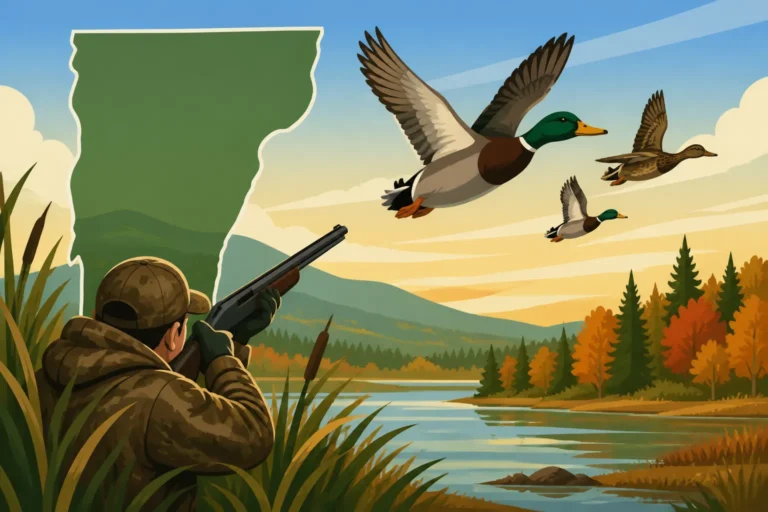
Vermont's position on the Atlantic Flyway means we have access to a variety of waterfowl, from puddle ducks like mallards and wood ducks to divers and geese. Waterfowl meat is generally darker, richer, and more intensely flavored than upland birds, varying significantly depending on the species and their diet.
Mallards and wood ducks, especially those feeding on corn or acorns, tend to have a milder, more palatable flavor for many, often described as rich and beefy. Geese, particularly younger birds, can also be excellent, though their meat is quite robust and dense. The key to delicious waterfowl is proper field care (cooling quickly) and careful cooking. Overcooking will render the meat tough and livery. Many waterfowl enthusiasts prefer to cook duck breasts to a medium-rare, much like a steak, to preserve their tenderness and rich flavor. Legs and thighs are best slow-cooked or braised. Using a resource like GoHunt can help you scout prime feeding areas along the Vermont Waterfowl on the Atlantic Flyway, potentially leading to ducks with even better flavor.
Bear Meat: An Underappreciated Opportunity
Black bear meat is often misunderstood, but when handled correctly, it can be absolutely delicious – surprisingly mild, rich, and often compared to a cross between pork and beef. The flavor profile can vary greatly depending on the bear's diet and fat content. A bear harvested after feasting on berries and acorns will generally have a sweeter, milder flavor than one that has been living largely on carrion or has a very high fat content.
The most crucial aspect of preparing bear meat is trimming all fat meticulously. Bear fat has a distinct flavor that many find unappetizing. Once trimmed, the meat itself is fantastic for roasting, stewing, or grinding. Bear roasts are excellent, and bear chili or sausage is a true culinary delight. It’s also vital to cook bear meat thoroughly to an internal temperature that eliminates trichinosis risk, just like pork. If you're successful in Bear Hunting Vermont's Long September-to-November Season, you'll find that bear meat offers a truly unique and satisfying experience.
Field-to-Fork: Ensuring the Best Flavor
No matter how inherently good a piece of game meat could be, its ultimate taste and texture depend almost entirely on how it's handled from the moment the animal is taken down until it reaches your kitchen. This is where dedication and knowledge truly pay off.
Immediate Field Dressing: The Golden Rule
This is, hands down, the most important step in ensuring delicious wild game. The moment you recover your animal, whether it's a deer, a bear, or a turkey, you need to get those entrails out. Body heat is the enemy of fresh meat. If you leave the gut pile in, that heat will start to spoil the meat from the inside out, leading to a sour taste and a "gamey" odor that no amount of marinade can truly fix.
For larger animals like deer or bear, this means opening up the body cavity and removing all organs as quickly and cleanly as possible. Take care not to rupture the stomach or intestines, as their contents can contaminate the meat. If you're in a warm spell, consider splitting the brisket to allow even more air circulation. Many hunters will pack the cavity with ice or snow, if available, or simply prop the carcass open to encourage airflow and cooling. Even with smaller game like turkeys or ducks, removing the guts promptly prevents souring. Remember, a quick, clean field dress is the first and most critical step towards a great meal. You might also want to consult resources on Handling Venison From a Healthy Herd to ensure both flavor and safety.
Proper Cooling and Aging
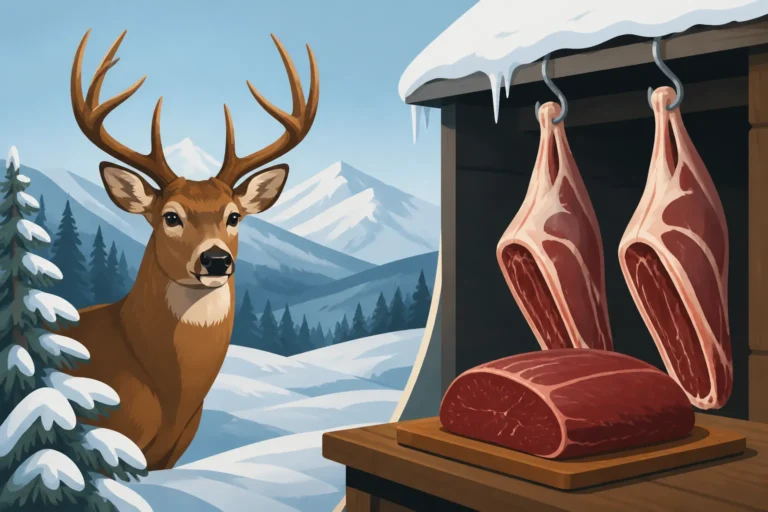
Once field dressed, the next critical step is getting the carcass cooled down quickly and thoroughly. For deer, if temperatures are consistently below 40 degrees Fahrenheit, you can hang the animal whole. Hanging allows gravity to work on the muscle fibers, tenderizing the meat, and allows air to circulate around the entire carcass, aiding in cooling and drying the exterior (which forms a "pellicle" that protects the meat).
Many experienced hunters will age their venison for several days, sometimes up to a week or more, depending on temperature and humidity conditions. This controlled aging process breaks down muscle fibers, resulting in more tender meat and can enhance flavor. However, aging needs to be done carefully in a clean, cool, and dry environment to prevent spoilage. If temperatures are too warm, or if you don't have suitable conditions to hang a whole animal, getting the deer quartered and into coolers with ice (ensuring the meat isn't submerged in water) is the best option. For smaller animals, quick cooling in a cooler is usually sufficient. Butchering a Deer at Camp often follows this cooling period, ensuring the meat is in optimal condition.
| Game Species | Typical Flavor Profile | Best Cooking Methods | Notes on Tenderness/Texture |
|---|---|---|---|
| White-Tailed Deer | Lean, mild to rich, slightly sweet | Grilling, searing, roasting, slow-cooking, grinding | Tender (young) to robust (old bucks), versatile |
| Wild Turkey | Lean, rich, distinctly "wild" | Roasting, grilling (breast), braising (legs) | Very lean, can dry out if overcooked |
| Ruffed Grouse | Mild, delicate, slightly nutty | Pan-searing, roasting, sautéing | Very tender, fine texture, easy to overcook |
| Woodcock | Dark, earthy, robust, "livery" | Pan-searing (rare-medium rare) | Delicate, unique flavor, small portions |
| Ducks (Mallard) | Rich, beefy, gamey (less so puddle ducks) | Searing (breast), roasting, braising (legs) | Dark meat, best cooked medium-rare to medium |
| Black Bear | Rich, savory, pork/beef-like | Roasting, stewing, grinding (sausage/chili) | Requires thorough cooking and fat trimming |
Butchering and Storage Techniques
Once your game is cooled and, if desired, aged, it’s time for butchering. How you butcher and store the meat also impacts its quality and longevity. Cleanliness is paramount during butchering to prevent contamination. Use sharp knives and a clean workspace. Separating cuts into their respective muscle groups allows you to utilize each piece according to its best cooking method. Wrap meat tightly in freezer paper, vacuum-seal it, or use heavy-duty freezer bags to prevent freezer burn, which will degrade flavor and texture.
Label everything with the date and cut. Knowing what you have in the freezer and when it went in helps you rotate your stock and ensures you're eating the freshest meat. Proper packaging can keep venison good for a year or more, offering delicious meals long after the season closes. This attention to detail in the butchering and storage phase means that the effort you put in during the hunt and field dressing continues to pay dividends in the kitchen. Make sure to understand Vermont's CWD Prevention Rules as they relate to carcass transport and processing to ensure both safety and quality.
Disclaimer
This article is for general informational purposes only and does not constitute professional advice. Laws, prices and regulations vary by location and change over time. Consult a qualified professional for guidance on your specific situation.