Spring Turkey Hunting in Vermont
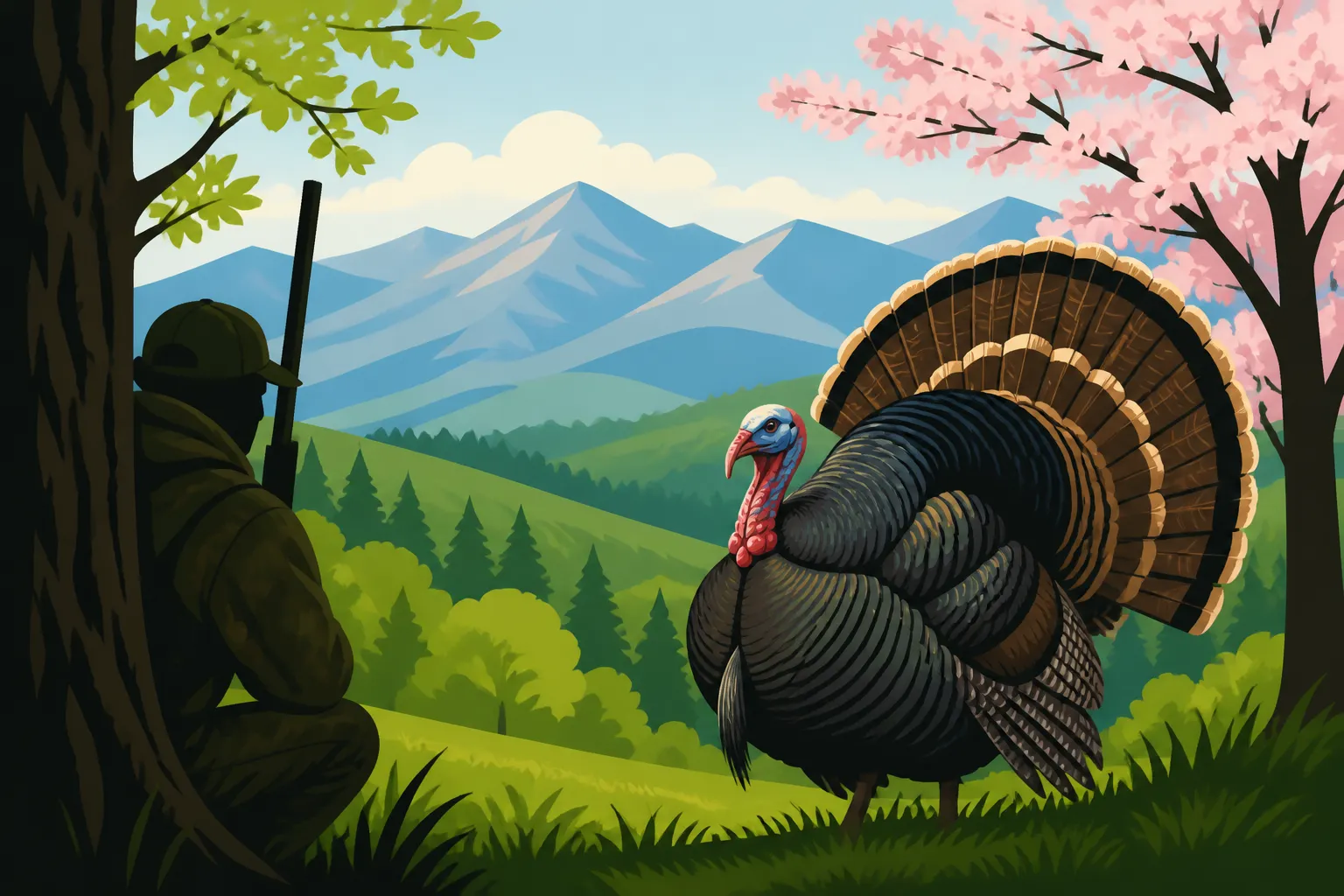
The long, quiet days of Vermont winter can leave many of us feeling a bit restless, eagerly anticipating the arrival of spring. When the snow finally recedes, revealing hints of green, and the air carries the promise of warmer weather, it's not just the landscape that awakens – it's our primal hunting instinct, too. For those of us who live for the thrill of the chase, spring turkey season is the perfect antidote to cabin fever, offering vibrant action and a chance to get back into the woods. This comprehensive guide will walk you through everything you need to know to pursue and successfully harvest a gobbler in the beautiful Green Mountains.
Understanding Vermont's Spring Turkey Season Regulations
Before you even think about setting foot in the turkey woods, it's absolutely crucial to have a firm grasp of Vermont's hunting regulations. These rules are in place not only to manage the wild turkey population sustainably but also to ensure everyone's safety and uphold the ethics of the sport. Ignoring them can lead to fines, loss of privileges, and unsafe situations, which none of us want.
Key Dates and Season Structure
Vermont's spring turkey season is a highly anticipated event, a true highlight of the hunting calendar. Typically, the season kicks off in early May and runs for a little over three weeks, usually wrapping up around the end of the month. It's always wise to check the Vermont Fish & Wildlife Department's official guide each year for the precise dates, as they can shift slightly. Remember, mornings are typically prime time for gobbler activity, and hunting hours usually extend from a half-hour before sunrise until noon. This restricted timeframe means you need to make the most of those crucial early hours.
One fantastic opportunity, especially for bringing new hunters into the fold, is the annual Youth and Novice Weekend. This special two-day event, held just before the regular season opens, allows eligible youth and novice hunters to pursue turkeys under the guidance of an experienced mentor. It's an invaluable chance for new hunters to learn the ropes in a less pressured environment. To participate, youth hunters must be 15 years or younger, and novice hunters must be 16 or older and meet specific eligibility criteria, often related to having completed a hunter education course within the last year and not having previously held a hunting license for more than two years. Mentors must be 18 or older and possess a valid hunting license. The camaraderie and learning opportunities during this weekend are truly special, building memories that last a lifetime. For those looking to get started, checking out the official rules for the Vermont Youth and Novice Weekend Rules is a great first step.
When it comes to permits, all hunters need a valid Vermont hunting license, along with a specific spring turkey permit. These permits are typically purchased online through the Vermont Fish & Wildlife portal or from authorized license agents around the state. It's a small investment that grants you access to some of the most exciting hunting Vermont has to offer. Make sure you have both your base hunting license and your spring turkey permit in hand (or on your phone, if using the digital option) whenever you're out in the field. Understanding the specific Vermont Spring Turkey Permit Rules will ensure you're fully compliant and ready to hit the woods.
Bag Limits and Reporting Requirements
Now, let's talk about what you can actually harvest. For residents, Vermont offers a generous two-bird spring limit, provided both are legal gobblers. Non-residents, however, are typically limited to one bird. A "gobbler" means a male turkey, and often the regulations specify that it must have a beard – that clump of coarse bristles hanging from the turkey's chest. Beardless hens are generally off-limits during the spring season to protect the breeding population, although occasionally a hen will have a small "beard." Always confirm your target is a legal gobbler before taking a shot. This dual-bird opportunity for residents is a testament to Vermont's healthy turkey population and offers a fantastic chance to fill the freezer, or at least get two thrilling hunts in one season. You can dive deeper into the specifics of Vermont's Resident-Only Two-Bird Turkey Limit to understand all the nuances.
Once you’ve successfully harvested a gobbler, your responsibility doesn't end there. Vermont has mandatory deer and turkey reporting requirements. You'll need to report your bird to the Vermont Fish & Wildlife Department within 48 hours of harvest. This can often be done online through their official portal or via the department's mobile app, making it incredibly convenient, even if you’re coming out of the woods far from a traditional check station. Providing accurate information, such as the date, time, and location of the harvest, as well as beard and spur length, is crucial data for wildlife biologists to monitor the turkey population and manage future seasons effectively. It’s part of our duty as responsible hunters to contribute to these conservation efforts. For a detailed rundown on how to fulfill this important step, check out Vermont Turkey Checking Requirements.
When it comes to legal weapons for spring turkey, shotguns are overwhelmingly the most common choice, and for good reason. They deliver the knockdown power needed at close range. There are usually caliber restrictions, but generally, 10, 12, 16, or 20 gauge shotguns are permitted, often with a maximum shot size, typically No. 4. Rifles are not permitted for turkey hunting in Vermont during the spring season. Archery equipment, including crossbows, is also often allowed, but hunters choosing this method need to ensure their broadheads meet minimum width requirements and are designed for humane harvest. Always verify the specific legal weapon requirements for the current season. As for blaze orange, it's typically not required when actively hunting turkeys in the spring, as turkeys have excellent color vision. However, it's always a smart practice to wear blaze orange when walking to and from your hunting spot, especially on public lands where other hunters might be present. Once you're set up and calling, you can remove or cover it.
Ethical Hunting Practices and Safety
Ethical hunting and safety go hand-in-hand, especially when it comes to spring turkey hunting where calling and decoys are involved. The first rule of ethical turkey hunting is positive identification. Always, and I mean always, be 100% certain of your target before you pull the trigger. Mistaking a hen for a gobbler or, worse, another hunter for a turkey, can have devastating consequences. Look for that distinct red, white, and blue head, a prominent beard, and listen for the unmistakable gobble. If there's any doubt, let it walk. No turkey is worth taking a risk.
Once you've identified your target, consider your shot angles carefully. We're aiming for the head and neck, not the body. This small target area requires precision. A broadside head shot is ideal, offering a clean kill. Avoid shooting at a turkey's body, as this can wound the bird without quickly dispatching it. Pattern your shotgun beforehand to know its effective range and shot spread. Setting up so the turkey approaches from a safe direction, with a clear backstop, is paramount. Never swing on game if it means pointing your muzzle toward another hunter or beyond your safe zone of fire.
Decoy safety is another huge concern during spring turkey season. A realistic turkey decoy can be incredibly effective, but it can also attract other hunters. Never carry an exposed decoy when moving through the woods; instead, stash it in a bag or wrap it in blaze orange material. When you set up your decoys, place them where you have a clear view and where any approaching hunter would be visible before they mistake you or your decoy for a turkey. Never set up with your back to a decoy, and position yourself so that any shot taken at your decoy would naturally have a safe backdrop, not a path or road. Consider using a small piece of blaze orange on your person while calling if you feel there's a risk of being approached by another hunter, especially if you're not in a ground blind. Always communicate with hunting partners about your setup location and plan, and confirm their positions before hunting.
Scouting for Spring Gobblers: Before and During the Season
You wouldn't head out on a hike in unknown territory without a map, right? The same goes for turkey hunting. Effective scouting, both before and during the season, is the bedrock of consistent success. Turkeys are creatures of habit, and understanding those habits and their chosen stomping grounds is what puts you in the right place at the right time.
Pre-Season Scouting Strategies
Long before the first gobble echoes through the Vermont hills, you should be out in the woods, looking for clues. This pre-season scouting is about piecing together the puzzle of turkey movement. Start by identifying potential roosting areas. Turkeys prefer tall, mature trees, often pines or oaks, on ridges or near water, for their nighttime roosts. Look for droppings, scattered feathers, and even disturbed leaves beneath these trees. Finding a reliable roost site is like finding gold – it gives you a starting point for those critical pre-dawn setups.
Next, focus on feeding zones. Turkeys, especially in spring, are keen on insects, tender new greens, and any leftover mast from the previous fall. Look for bugging areas, often along field edges, open woods, or near water sources where insects are plentiful. Fields, particularly those recently planted or with lush green growth, are magnets for birds. Note any areas with abundant wild apple trees or oak stands that might still be holding some residual acorns. Travel corridors, those natural funnels birds use to move between roosting, feeding, and strutting areas, are also key. These could be subtle depressions, old logging roads, or narrow strips of cover between open fields.
In today's world, technology is a powerful scouting tool. Mapping apps like GoHunt can be invaluable resources. They allow you to study aerial imagery, topo maps, and land ownership boundaries from the comfort of your home. You can mark potential roost sites, feeding areas, and travel corridors, helping you formulate a game plan long before you step into the woods. Using the Scouting With the Vermont Fish and Wildlife App is another excellent way to access local information and plan your hunts effectively. These apps can highlight public land boundaries, allowing you to focus your efforts where you have legal access and avoid accidental trespass.
When you're actually out walking the woods, become a detective. Fresh turkey droppings are a dead giveaway – gobbler droppings are typically J-shaped, while hen droppings are more coiled. Look for wingtip drags in dusty roads or soft earth, indicating a strutting gobbler. Scratching in the leaves, where birds have raked aside debris looking for food, can tell you how actively they're feeding in an area. Finding a "strut zone," a flat, open area where a gobbler displays for hens, is like discovering a stage where the main act performs. These are often subtle clearings, logging landings, or open ridges. The more sign you find, the more confident you can be that you’re in an active turkey area.
Locating Birds Once the Season Starts
Pre-season scouting gets you in the neighborhood, but once the season starts, it’s all about locating active birds. The most iconic sound of spring turkey hunting is the gobble, and listening for it is your primary tool. Before dawn, stake out a high point overlooking potential turkey habitat. As the sun begins to lighten the eastern sky, listen intently. The first gobble of the morning, often from the roost, is pure magic. It tells you exactly where a bird is and, crucially, that it's an excited male. Use locator calls like an owl hooter, crow call, or coyote howl before first light to try and elicit a "shock gobble" without having to make turkey sounds yourself.
Patterning roosting habits is paramount. Gobblers will often use the same roost trees or general area night after night, especially if they are unpressured. If you hear a bird gobbling from a particular ridge or stand of pines, make a note of it. Observe the general direction turkeys fly down from their roosts. They typically fly down towards feeding areas or open fields where they can strut. Setting up along this anticipated fly-down path, 100-200 yards from the roost, can be deadly. However, be cautious not to get too close or disturb the roosted birds, which can cause them to fly down in another direction or clam up completely. Finding those preferred roost trees and understanding Vermont Turkey Roost Tree Preferences can give you a significant advantage.
After flying down, turkeys will move to feeding areas, often bugging in fields, scratching in the timber for insects, or visiting wild apple trees. During mid-morning, when the initial gobbling flurry subsides, focusing on these feeding zones can yield results. Look for areas with fresh scratchings and droppings. Turkeys also love to hit clearings and open areas to strut, especially after hens have left them to nest. If you've been working a bird that's gone quiet, it might have moved to a preferred strutting zone. Patience and knowing where to look are key here.
Essential Gear for Vermont Spring Turkey Hunting
Like any specialized hunting pursuit, spring turkey hunting benefits from having the right gear. While you don't need to break the bank, investing in quality, reliable equipment will significantly enhance your experience and increase your chances of success. From the firearm in your hand to the clothes on your back, every piece plays a role in your ability to be stealthy, comfortable, and effective.
Shotguns, Ammunition, and Chokes
Your shotgun is your primary tool for bringing down a gobbler. Most turkey hunters opt for a 12-gauge or 20-gauge, both of which are perfectly capable of delivering lethal patterns at ethical ranges. The trend in turkey ammunition has heavily shifted towards high-density Tungsten Super Shot (TSS) loads. While more expensive, TSS shells deliver significantly denser patterns and greater penetration than traditional lead shot, extending your effective range and increasing your knockdown power. This means a 20-gauge with TSS can often outperform a 12-gauge with lead. Regardless of your gauge, choose a heavy load with a shot size between 4 and 6 (or 7 and 9 for TSS).
The choke tube is arguably more important than the gauge itself. A good turkey choke constricts your shot pattern tightly, ensuring maximum pellet count on the small, vital head and neck area. Most hunters use an extra-full or super-full choke specifically designed for turkey hunting. Companies like Carlson's, Indian Creek, and Jeb's Chokes make excellent aftermarket turkey chokes.
Crucially, you must pattern your shotgun with your chosen choke and ammunition before the season. Don't just assume it will shoot straight. Set up targets at 20, 30, and 40 yards (and maybe even 50 with TSS) and shoot to see where your gun impacts and how dense your pattern is. Your goal is a consistent pattern of 100+ pellets in a 10-inch circle at your maximum ethical range. Knowing your gun's limitations is vital for making clean, ethical kills in the field.
Calls, Decoys, and Blinds
Turkey calls are at the heart of the spring hunt. There's a vast array of calls, and most successful hunters carry a variety to mimic different turkey vocalizations and adapt to different situations. Pot calls (slate, glass, or aluminum) are versatile and produce a range of yelps, clucks, and purrs. Box calls are classic for their loud, far-reaching yelps. Mouth calls (diaphragm calls) are perhaps the most popular among seasoned hunters because they allow for hands-free calling, crucial when a gobbler is approaching and you need to keep your hands on your gun. Practice, practice, practice! Sounding realistic and confident with your calls will make all the difference.
Decoys add a visual element that can pull a reluctant gobbler those last few crucial yards. A single hen decoy is a great starting point, signaling to the gobbler that there's a receptive female in the area. Adding a jake or even a full gobbler decoy can challenge a dominant tom, often making him commit aggressively. Be mindful of Decoy Placement for Pressured Spring Birds – sometimes less is more, especially on public land where other hunters might be. Use lightweight, collapsible decoys for easy transport.
For concealment, many hunters prefer to go "run and gun," relying on natural cover and camouflage. However, a ground blind offers unparalleled concealment and comfort, especially if you're hunting with kids or introducing new hunters. A pop-up ground blind blends into the environment, hides all your movement, and provides protection from light rain or wind. They are especially useful when hunting open fields or field edges where natural cover is sparse. Brands like Primos and Ameristep offer durable and easily deployable ground blinds.
Clothing and Comfort
Vermont spring weather can be notoriously unpredictable. One morning might start frosty, quickly warming to a humid afternoon, or a sunny day can turn into a cold, driving rain. Layering is not just a suggestion; it's a necessity. Start with a moisture-wicking base layer, add an insulating mid-layer like fleece or wool, and top it with a quiet, waterproof, and windproof outer shell. This allows you to shed or add layers as conditions change. Getting chilled or soaked in the woods will quickly ruin a hunt, so make sure your outer layers are truly waterproof. Understanding Layering for Vermont's Long Hunting Season is essential for all-season comfort.
Your camouflage pattern should blend seamlessly with the spring woods. Patterns with greens, browns, and grays that mimic deciduous and mixed forest environments work best. Brands like Mossy Oak and Realtree have patterns specifically designed for spring hardwoods. Remember, turkeys have excellent eyesight, so head-to-toe camo, including gloves, a facemask, or face paint, is critical to break up your outline and hide any skin. Even the smallest flash of movement or glare can send a wary gobbler scurrying.
Finally, don't underestimate the importance of comfortable, quiet footwear. You'll be doing a lot of walking, often across uneven, wet, or muddy terrain. Waterproof boots with good ankle support are a must. Avoid boots that squeak or crunch loudly with every step. Scent control isn't as critical for turkeys as it is for deer, but being quiet and comfortable will keep you in the field longer and allow for stealthy approaches. For detailed advice on selecting the right footgear, check out Boots for Vermont's Steep Terrain. A comfortable, foldable hunting seat or cushion is also a small luxury that makes long waits much more bearable.
Calling Strategies for Vermont Spring Turkeys
Calling a spring gobbler is an art form, a conversation with a wild animal that demands skill, patience, and a deep understanding of turkey vocalizations. It’s not just about making sounds; it’s about timing, inflection, and knowing when to talk and, perhaps more importantly, when to remain silent.
Understanding Turkey Vocalizations
Before you can effectively call a turkey, you need to understand the language they speak. Turkeys have a diverse vocabulary, and each sound carries a specific meaning.
- Yelp: The most common and versatile call. It's a series of two-note calls, typically indicating a hen looking for a gobbler or other turkeys. Varying the speed and cadence can imply different levels of excitement or interest.
- Cluck: A short, sharp, single note, often used for contentment or as an attention-getter. A single cluck can make a distant gobbler pause and listen.
- Purr: A soft, rolling sound, indicating contentment, often heard when turkeys are feeding. It's a great call to use when a bird is very close and you want to reassure it.
- Cutt: A series of fast, sharp, excited clucks, often indicating agitation or excitement. An aggressive cutt can challenge a gobbler or simulate a hen that's ready to breed.
- Gobble: The signature call of the male turkey, used to attract hens and announce his presence and dominance. While hunters often use gobble calls, they must be used cautiously as they can also attract other hunters.
The key isn't just to mimic these sounds, but to understand the context. A timid, drawn-out yelp might suggest a lonely hen, while a rapid, excited string of yelps and cutts could mean she's eager to meet up. Listening to real turkeys in the wild, or high-quality audio recordings, is the best way to develop an ear for their language.
Calling a May Gobbler Off the Roost
The early morning hours are prime for turkey hunting, particularly when trying to call a gobbler off the roost. The strategy starts well before first light. You should already be in position, having used your pre-season scouting to identify a likely roost area. Get there quietly, at least an hour before sunrise. Choose a setup with good visibility, a clear shooting lane, and a sturdy backrest to break up your silhouette.
As the woods begin to lighten, listen intently for the first sounds of the morning. Often, turkeys will "tree yelp" or cluck from the roost before gobbling. Once you hear that first gobble, resist the urge to immediately blast out aggressive calls. Start with soft, subtle tree yelps or a few contented clucks. The goal is to make the gobbler believe a hen is nearby, waiting for him to fly down. Be patient. He might gobble several times from the limb. Let him build his confidence.
Once he flies down, he'll likely hit the ground gobbling, expecting to see the hen. This is where many hunts go wrong: the gobbler hangs up, staying out of range. If he's gobbling consistently but not closing the distance, try to increase the realism and urgency of your calls. A series of excited yelps or even a few soft cutts can sometimes seal the deal. If he goes silent, he might be approaching stealthily, so remain absolutely still. Sometimes, less is more; let his excitement and natural instinct draw him in. For more in-depth techniques, explore Calling an Early May Gobbler Off the Roost.
Mid-Day and Late-Day Tactics
While mornings get all the glory, the mid-day and late-day periods can be surprisingly productive, especially after the initial morning frenzy has died down and hens have left the gobblers to tend to their nests. Many hunters pack up around 10 AM, leaving the woods open for those willing to put in the extra effort.
During mid-day, gobblers are often looking for receptive hens. This is a great time to "roam and call." Slowly walk through timbered areas, along field edges, or down old logging roads, stopping every 100-200 yards to make a series of calls – perhaps a loud series of yelps, followed by some clucks and purrs. Listen for a response. If you hear a distant gobble, try to get closer without spooking the bird, then set up and try to draw him in. Don't be afraid to be more aggressive with your calling in the middle of the day, as solitary gobblers might be more eager to respond.
Focus on setting up on known travel routes or strut zones. If your scouting revealed a particular logging road or ridge where birds often travel or display, those are excellent spots for a mid-day ambush. Try to predict where a gobbler might want to go to look for hens. If you get a response but the bird isn't coming in, try circling around to approach from a different angle, always using terrain and cover to your advantage. Remember, patience is key. A mid-day gobbler might take his time.
Dealing with pressure can be tough. If you're on public land, other hunters might be calling nearby. Try to sound unique or less aggressive if there's a cacophony of calls. Sometimes, silence is the best call. Let other hunters push birds your way, or find areas less frequented. GoHunt mapping technology can help identify remote sections of public land or areas with difficult access, which often see less pressure.
Setting the Scene: Approaching, Setting Up, and Shot Placement
The moment you hear that first gobble or spot a turkey, the real game begins. How you approach your position, set up your blind and decoys, and ultimately take the shot will dictate whether you fill your tag or just have another "almost" story to tell. Every detail matters when dealing with a keen-eyed and wary gobbler.
Approaching Your Hunting Location
Stealth is paramount from the moment you leave your vehicle. Turkeys have exceptional eyesight and hearing. Walk slowly, deliberately, and quietly. Avoid snapping twigs underfoot or rustling leaves loudly. If you're carrying a pack, ensure nothing rattles or clanks. This is where your quiet clothing and boots truly earn their keep. Use terrain features like ridge lines, creek bottoms, or thick vegetation to mask your approach. Staying out of sight and minimizing noise is critical.
When you're approaching a known roost site before dawn, your stealth needs to be at its absolute peak. Even a slight disturbance can cause a gobbler to change its fly-down direction or clam up entirely. Approach from a direction that puts you slightly downhill or on level ground from the roost, and be at least 150-200 yards away to avoid silhouetting yourself against the sky or being heard. If you need to cross open ground, do it in the darkest hours before light.
Pay close attention to the wind and thermals, especially in Vermont's steep Green Mountain terrain. While turkeys don't rely on scent as much as deer, an unexpected gust of wind can carry sound or movement, especially if you're approaching from downwind. In hilly country, cold air flows downhill in the morning, and as the sun rises, it warms and flows uphill. Understanding Wind and Thermals in Steep Green Mountain Terrain can help you pick the most advantageous approach route that minimizes sound and visual detection. The goal is to get into your setup unseen and unheard, well before the gobbler is on the ground.
Strategic Setup and Decoy Placement
Once you've identified an area where you want to call, your setup is crucial. Safety is always first: choose a spot with a large, sturdy tree or other natural barrier behind you that's wider than your shoulders. This not only breaks up your silhouette but also protects your back from any other hunters who might mistake your calls for a real turkey. It’s a sad reality, but accidents do happen. Make sure you have clear, unobstructed shooting lanes in the direction you expect the turkey to approach. Remove any small branches or leaves that could deflect a pellet. For a more in-depth look at optimal positioning, refer to Setting Up Against a Big Sugar Maple.
If you're using decoys, placement is strategic. Position them 15-25 yards from your hiding spot, within your effective killing range. A hen decoy placed facing slightly away from you can give an approaching gobbler the impression she's walking away, enticing him to come closer to cut her off. If using a jake or gobbler decoy, position it so the real tom has to come between you and the decoy to confront it. This often brings him into perfect range. Never place decoys directly in line with your calling position, as this could draw a shot in your direction.
Concealment is key. Whether in a ground blind or relying on natural cover, make sure your body is completely hidden. Blend into the background, remain absolutely still, and only move when the turkey’s head is obscured behind a tree or it's focused on your decoy. Even a slight twitch can send a wary gobbler fleeing. Use the natural contours of the land, thick brush, or fallen logs to your advantage. The goal is to become part of the forest, an invisible presence that merely whispers sweet nothings to an unsuspecting gobbler.
The Critical Shot
When that gobbler finally steps into your shooting lane, all your preparation comes down to this moment. The critical shot on a turkey is a head and neck shot, not the body. A well-placed pattern of pellets to the head and neck will drop a bird instantly, ensuring a humane and ethical kill. Shooting a turkey in the body, even with a powerful load, can result in a wounded bird that escapes.
Patience is vital. Let the turkey work its way into your predetermined ethical range, which you established when patterning your shotgun. Don't rush the shot. Wait for the bird to present a clean, unobstructed view of its head and neck. Sometimes they'll stand still, sometimes they'll stretch their neck to gobble, or they'll be distracted by your decoys. These are all opportune moments. Bring your gun up slowly and smoothly, aiming directly at the turkey's head where the neck meets the skull.
Once you pull the trigger, keep your eye on the bird. If it drops, great. But sometimes, they'll flop around a bit. Immediately reload if you can, and be ready for a follow-up shot if necessary. Always assume the bird is still alive until you have your hands on it. Approach cautiously, with your gun at the ready. A wounded turkey can run or even fly a significant distance. If you're confident in your pattern and aim, a headshot will usually drop them like a stone, making recovery straightforward. This commitment to precision shooting is not only ethical but also ensures you make the most of your hunting opportunity.
Hunting Different Vermont Terrain Types
Vermont is a state of incredible topographical diversity, from the rolling farmlands of the Champlain Valley to the rugged peaks of the Green Mountains and the sprawling forests of the Northeast Kingdom. Each terrain type presents unique challenges and opportunities for the spring turkey hunter. Understanding how to adapt your tactics to these different environments is key to consistent success.
Farmland Edges and Open Fields
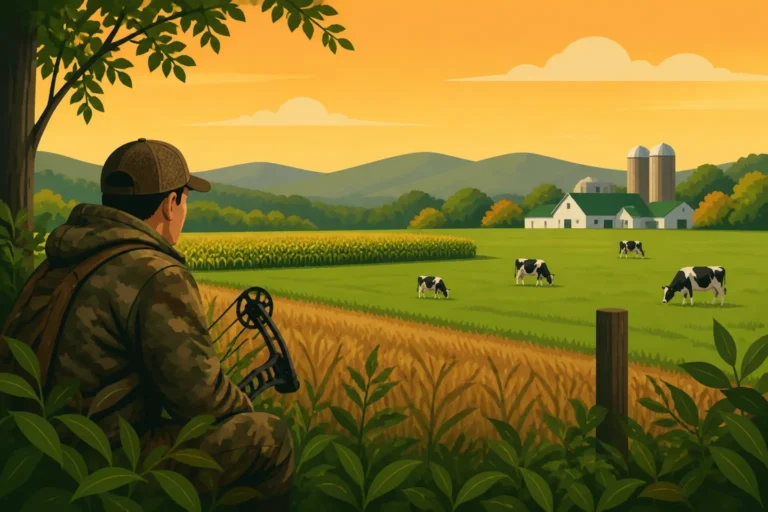
The Champlain Valley, with its fertile soils and abundant dairy farms, offers a stark contrast to Vermont's mountainous regions. Here, turkeys often utilize the edges of agricultural fields, particularly cornfields, hayfields, and pastures. These areas provide easy access to insects, tender greens, and a clear view for strutting gobblers. Hunting a Champlain Valley Dairy Farm Edge is a prime example of leveraging these open spaces.
When hunting farmland edges, stealth is even more critical due to the lack of dense cover. Turkeys can spot movement from hundreds of yards away. Ground blinds are exceptionally useful here, providing complete concealment. Set your blind up well before dawn, preferably tucked into a fencerow, woodline, or a patch of brush offering a commanding view of the field. Decoys are often highly effective in these open environments, as they can be seen from a distance, drawing birds in. A jake and hen setup in the middle of a field can be irresistible to a dominant gobbler.
However, be prepared for birds to hang up at a distance. A gobbler in an open field might strut and gobble, but be reluctant to fully commit, expecting the "hen" to come to him. If a bird hangs up, try subtle clucks and purrs to reassure him, or go silent and let his curiosity get the better of him. Sometimes, a slow, methodical stalk along a fencerow or drainage ditch to cut off a strutting gobbler can work, but it requires extreme patience and a keen understanding of the bird's movement. Always get landowner permission when hunting private agricultural lands.
Steep Green Mountain Hardwoods
The Green Mountains present a different beast entirely. Here, you'll encounter steep slopes, dense hardwood forests, and often less open country. Gobblers in this terrain tend to be more nomadic, covering vast amounts of ground. Scouting for fresh sign like tracks, droppings, and scratchings is paramount. Focus on benches, saddles, and ridge tops where turkeys prefer to travel and where gobblers often roost.
One of the biggest factors in mountain hunting is thermals. As mentioned earlier, cold air sinks at night and in the early morning, then rises as the sun heats the ground. This means sounds and scents will travel differently depending on the time of day and your elevation. Position yourself so rising thermals don't carry your scent or movement uphill to a roosted bird, and expect birds to fly down or move generally downhill in the early morning, then work their way back up during the day. Understanding Wind and Thermals in Steep Green Mountain Terrain is not just helpful, it’s essential for tactical success here.
Still-hunting (slowly and quietly walking through the woods, stopping frequently to look and listen) can be very effective in mountain hardwoods. Move along contour lines or old logging roads, stopping every 100 yards or so to call, then listen for a response. When you get a gobble, use the terrain to close the distance, then set up quickly. Don't be afraid to get aggressive with your calling if the terrain is thick, as sounds can be absorbed. Locator calls like owl hoots or crow calls work well to pinpoint distant birds without giving away your exact location. Remember, these birds often come in from above you, so picking a setup with good overhead visibility is crucial.
Mixed Woods and Swamps
Many areas of Vermont feature a mosaic of mixed hardwoods and softwoods, intermingled with beaver flows, swamps, and boggy areas. This diverse habitat can hold high densities of turkeys, but it also presents its own set of challenges. Dense cover makes visibility limited, and wet ground can make silent movement difficult.
In mixed woods, turkeys will often use the transition zones between different timber types. Hardwood ridges might be preferred for roosting, while softwood thickets or cedar swamps offer excellent thermal cover and protection. Focus your scouting efforts on these edges. Turkeys will often travel along the edges of swamps or beaver flowages, using the slightly drier ground and feeding on insects and greens found there. These edges can create natural funnels, concentrating turkey movement and offering great ambush points.
When hunting dense cover, you might need to call more aggressively to get a response through the timber. Once you locate a bird, prioritize setting up in a spot with the best possible visibility and clear shooting lanes, even if it means sacrificing some cover. You need to be able to see the bird before it sees you, and have a clear shot. Ground blinds can be highly effective here, allowing you to conceal movement in thick brush. However, be prepared to get wet feet. Waterproof boots and gaiters are indispensable in these environments. Using a mapping app like GoHunt to identify small clearings, logging landings, or dry ridges within these mixed habitats can help you pinpoint those crucial "open" areas within the thick stuff.
Troubleshooting Common Spring Turkey Hunting Challenges
Every turkey hunter has stories of "the one that got away," or days when the birds simply wouldn't cooperate. It’s part of the challenge and allure of spring turkey hunting. Understanding common frustrations and having a few tricks up your sleeve can make all the difference between a tough day and a successful one.
Dealing with Hung-Up Gobblers
Ah, the infamous hung-up gobbler. This is perhaps the most common and frustrating scenario in spring turkey hunting. You've called him in, he's gobbling his head off, but he just won't close those last 50-100 yards, often strutting back and forth just out of range. It’s enough to make you pull your hair out!
There are a few strategies to try. First, evaluate your calling. Are you being too aggressive? Sometimes a bird that's hung up needs to be reassured, not challenged. Try switching to softer, more subtle clucks and purrs, or even going completely silent for 10-15 minutes. Let his curiosity get the better of him. He might just sneak in to investigate.
If soft calling or silence doesn't work, consider turning up the heat. A series of aggressive cutts and excited yelps, as if another hen is pulling away, can sometimes trigger his possessive instincts and force him to commit. Some hunters even try a fly-down cackle call, simulating a hen flying off the roost, which can sometimes fool a gobbler into thinking he's about to lose a potential mate.
Another tactic, if safe and practical, is to try and move to the bird. If you have enough cover, slowly and quietly try to close the distance, repositioning yourself to a new setup 50-100 yards closer. This is a high-risk, high-reward move. You must be incredibly stealthy and choose a route that keeps you completely out of sight. Never make this move if you think the bird has seen you or is actively looking in your direction. Patience is often the ultimate virtue; many hung-up gobblers will eventually commit if you simply out-wait them.
Coping with Pressure and Other Hunters
Vermont's spring turkey season is popular, and on public lands, you're bound to encounter other hunters. This can lead to frustration, spooked birds, and sometimes, unsafe situations. The key is to manage expectations and adapt your strategy.
The best way to cope with pressure is to avoid it. Use GoHunt or similar mapping tools to identify areas with difficult access, far from main roads or parking areas. Most hunters won't walk more than a mile or so. By putting in a bit more effort and hiking into remote sections of public land, you'll significantly increase your chances of finding unpressured birds. Focus on finding ground others walk past, or overlooked corners of large parcels. Checking out Hunting Pressure on Vermont Public Land can provide more insights into finding quieter spots.
If you do find yourself near other hunters, always prioritize safety. Wear blaze orange while walking to and from your spot. Never stalk another hunter's calls. If you hear someone calling, give them a wide berth. If you accidentally bump into another hunter, a friendly wave and a whispered acknowledgment are usually sufficient. Share the woods, and understand that everyone is out there for the same reason.
Sometimes, pressure can actually work to your advantage. Other hunters might inadvertently push birds towards you, especially later in the morning when birds get moved around. Setting up on a known travel corridor or a logical escape route for turkeys can yield surprising results if other hunters are working nearby. However, always exercise extreme caution and positive identification before shooting, knowing that other people might be in the area.
When Vermont Gobblers Go Quiet
There will be days when the woods seem dead. You call, you listen, and all you get is silence. This can be incredibly disheartening, especially when you've put in the scouting time. This often happens later in May, when gobblers have bred most of the hens and their urgency to gobble diminishes. It's what we refer to as the "post-breeding slump," or When Vermont Gobblers Go Quiet in Late May.
When gobblers go quiet, it's time to adjust your tactics. Sitting and waiting for a response might not be productive. Instead, switch to a more active "run and gun" style. Cover more ground, stopping frequently to call, but don't linger long in one spot if you're not getting a response. Focus on prime feeding areas or known strut zones. Instead of relying solely on calling, use your eyes. Still-hunt slowly and observe. Look for birds feeding in fields, scratching in the timber, or even silent gobblers strutting.
Locator calls can still be effective even when gobblers are quiet. An aggressive crow call or a sharp owl hoot might still trigger a shock gobble, even if the bird isn't actively calling on his own. Don't be afraid to experiment with different calls and volumes.
Finally, if the birds are truly shut down, go back to scouting. Look for fresh sign – new tracks, droppings, or feather piles. This fresh evidence will tell you where birds are currently active, even if they're not vocal. Sometimes, all it takes is finding that one fresh clue to unlock a successful hunt. The beauty of turkey hunting is that even on the quietest days, the possibility of a gobbler appearing silently is always there, keeping you on your toes until the very last minute.
Vermont Spring Turkey Calling Chart
| Call Type | Description | Implied Meaning / Use | When to Use It |
|---|---|---|---|
| Yelp (Hen) | A series of 2-5 clear, two-note calls (e.g., "yee-ow, yee-ow"). | "I'm a hen, where are you?" Most common call to attract gobblers. Can indicate interest, loneliness, or contentment. | All times, especially morning. Vary speed and cadence to match mood. Good for initial location and drawing birds closer. |
| Cluck | A single, sharp, short note (e.g., "cluck!"). | "Here I am," or "pay attention." Can be used for contentment or as an attention getter. | Sparingly. Often used in conjunction with yelps or purrs to add realism. Good for getting attention of close, quiet birds. |
| Purr | A soft, rolling, almost vibrating sound (e.g., "prrrrr"). | Contentment, feeding. Indicates a relaxed, nearby hen. | When a bird is very close and you want to reassure it. Good for drawing a bird those last few yards. |
| Cutt | A rapid, irregular series of sharp clucks (e.g., "CUTT-cutt-CUTT!"). | Excitement, agitation, impatience. Can challenge a gobbler or signal an eager hen. | For aggressive gobblers, or when a bird is hung up and you want to provoke a response. Use with caution – can spook birds. |
| Gobble | The loud, rattling, booming call of the male turkey. | "Here I am, hens!" Used to attract hens and announce dominance. | Primarily for locating birds. Use sparingly and cautiously, as it can attract other hunters. |
| Fly-Down Cackle | A series of rapid, excited yelps and cackles, often ending in loud clucks. | Simulates a hen flying down from the roost, eager to start her day. Can convince a gobbler that a hen is leaving the roost. | Just after first light, when turkeys are flying down from the roost. |
| Tree Yelp | Soft, subdued yelps given from the roost. | "I'm still on the roost." Often heard before fly-down. | Before first light, when birds are still on the roost. Use very softly to get an initial response. |
| Kee-Kee Run | A distinct "kee-kee-kee" whistle, often followed by yelps. | A lost or young bird looking for others. More common in fall, but can sometimes work on a lonely gobbler in spring. | Infrequent in spring, but can be a last resort for an unresponsive bird. |
| Assembly Yelp | A long, loud series of yelps, similar to a hen yelp but more emphatic. | A hen calling her scattered flock back together. Very powerful, often used to locate birds over long distances. | To locate distant birds in large, open areas, or to gather scattered birds. |
Disclaimer
Hunting is an inherently dangerous activity that carries risks including, but not limited to, injury or death. The information provided in this guide is for informational purposes only and should not be considered a substitute for professional instruction, adherence to all applicable laws and regulations, and sound judgment. Always consult the official Vermont Fish & Wildlife Department regulations for the current hunting season before heading afield. Prioritize safety, complete a hunter education course, and ensure you have proper training and equipment. The author and publisher are not responsible for any accidents, injuries, or legal infractions that may occur as a result of using the information contained herein. Hunt safely and ethically.