Vermont Youth and Novice Weekend Rules
Getting into hunting can feel like navigating a complex maze, especially for new participants or their parents trying to introduce them to the tradition. The sheer volume of regulations, season dates, and equipment requirements can be overwhelming. Thankfully, Vermont offers dedicated Youth and Novice Hunting Weekends, specifically designed to ease this entry point, providing a structured, mentored environment to learn the ropes and experience the excitement of the hunt. This guide will walk you through the essential rules, opportunities, and advice to make these special weekends a success.
Understanding the Purpose of Youth and Novice Weekends
The thought of introducing a youngster or a first-time adult to hunting can be daunting. There’s the pressure to find a safe spot, teach proper ethics, identify game, and ensure they have a positive experience without the added stress of competing with seasoned hunters during regular seasons. Vermont's Youth and Novice Weekends were specifically created to address these very challenges, fostering a supportive environment that prioritizes learning and safety above all else.
Fostering a New Generation of Hunters
Hunting isn't just a recreational activity; it's a vital part of wildlife management and conservation funding. However, participation has seen declines in many areas, prompting states like Vermont to invest in programs that actively recruit, retain, and reactivate (R3) hunters. These special weekends are a cornerstone of that effort. They offer a lower-pressure scenario where new hunters can focus on the basics – safe firearm handling, identifying game, tracking, and understanding wildlife behavior – without the intensity of a regular season. It’s an investment in the future of our hunting heritage, ensuring that the knowledge and passion are passed down to new generations.
Parents and mentors often express concern about their children being overwhelmed by the pace or competition of a typical hunting season. These weekends slow everything down, making it about the experience rather than just the harvest. They're about creating lasting memories, teaching responsibility, and instilling a deep respect for nature. It’s a chance to build confidence and develop skills that will serve them well for a lifetime of outdoor pursuits, whether they pursue hunting or other wildlife-related activities.
Creating a Supportive Learning Environment
Imagine trying to learn to drive on a busy highway during rush hour. That's what some new hunters feel like when thrown into a regular season. The Youth and Novice Weekends are more like a quiet backroad with an experienced instructor. These specific dates are set aside, often just before the main hunting seasons, giving young and new hunters a head start. This means fewer hunters in the woods, less pressure on game, and more opportunities for mentors to provide one-on-one instruction.
The emphasis is not on bagging a trophy, but on education and ethical hunting practices. Mentors can explain everything from reading sign to understanding wind direction, field dressing, and even the nuances of wildlife biology. It’s a holistic approach to learning that goes far beyond just pulling a trigger. The reduced hunting pressure also allows for a more relaxed atmosphere, making it easier for mentors to spot teachable moments and for new hunters to ask questions without feeling rushed or self-conscious. This focus on learning, rather than pure harvest, builds a stronger foundation for responsible hunting.
Eligibility Requirements for Participation
The "Youth and Novice Weekend" title isn't just a catchy phrase; it signifies specific criteria that hunters must meet to participate. Understanding these requirements is crucial, both for the new hunter and their accompanying mentor, to ensure compliance and a smooth experience. It's not just about age, but also about prior hunting experience and proper licensure.
Age and Residency Guidelines for Youth
For the "Youth" component of these weekends, Vermont Fish & Wildlife Department typically defines eligible participants as those aged 15 years and younger. It’s important to note that specific age cut-offs can vary slightly by species or year, so always check the most current Vermont Hunting Regulations Digest. Generally, a youth hunter must be at least 10 years old to participate in big game hunting, but they may need to be supervised more closely depending on their exact age.
Residency is also a key factor. While non-resident youth are often welcome to participate, the license structure and costs can differ. For instance, a resident youth license might be significantly less expensive or even free compared to a non-resident youth license. Additionally, specific tags or permits, like an antlerless deer permit, might have different availability or application processes for residents versus non-residents. All youth hunters, regardless of residency, must hold the appropriate hunting license and any required stamps or permits for the game they intend to pursue. This often includes having completed a hunter education course, though Vermont does offer provisions for Vermont Apprentice Hunter License Rules which allow new hunters to try hunting under strict supervision before completing the full course.
Defining a "Novice" Hunter
The "Novice" aspect broadens the opportunity beyond just young people, recognizing that many adults come to hunting later in life. A "novice" hunter in Vermont is generally defined as any individual, regardless of age, who has not previously held a hunting license for the game species they intend to hunt in Vermont or any other state. This means if you're an adult who's always wanted to try deer hunting but never quite got around to it, these weekends are for you, as long as you meet the other criteria.
This inclusion is incredibly important for the R3 initiatives mentioned earlier. It acknowledges that interest in hunting isn't confined to childhood and provides a pathway for adults who might feel intimidated by the traditional learning curve. Just like youth hunters, novice adult hunters must possess the proper licenses and permits for the species they are pursuing. They will also need to have completed their hunter education requirements unless hunting under the apprentice license program, which still necessitates strict supervision. The spirit of the novice designation is to provide a supportive first-time experience, so anyone fitting this description, even if they're 45 years old, can benefit from the reduced pressure and increased mentorship.
Mentor Requirements and Responsibilities
The cornerstone of the Youth and Novice Weekends is the mentor. Without a qualified and responsible mentor, neither a youth nor a novice hunter can participate. A mentor must be 18 years of age or older and hold a valid Vermont hunting license for the species being hunted. They cannot be carrying a firearm or bow, except when the youth or novice is hunting big game (like deer) and the mentor holds a valid hunting license for that species. Even then, the mentor's primary role is to guide and supervise, not to harvest game themselves during this special season.
The mentor's responsibilities extend far beyond just being present. They are legally and ethically responsible for the conduct and safety of the new hunter. This means ensuring the youth or novice understands and follows all hunting laws, practices safe firearm handling, and makes ethical decisions in the field. They must provide direct and constant supervision, remaining within "normal vocal communication" and "in the immediate vicinity" of the new hunter at all times. This often means being close enough to physically assist or intervene if necessary. A good mentor also acts as an educator, patiently teaching everything from tracking to field dressing, and fostering a deep appreciation for wildlife and conservation. They are the frontline for ensuring a positive and safe experience, which is paramount for these introductory hunts. For anyone considering taking on this crucial role, reviewing the official Vermont Mentored Youth Hunting Rules is highly recommended.
Key Regulations and Safety Protocols
Safety is always the paramount concern in hunting, and even more so when introducing new participants. The Youth and Novice Weekends, while designed to be less stressful, still operate under strict regulations and safety protocols to protect everyone in the field. Understanding these rules isn't just about compliance; it's about fostering a culture of responsibility that every hunter should embrace.
Blaze Orange and Visibility Mandates
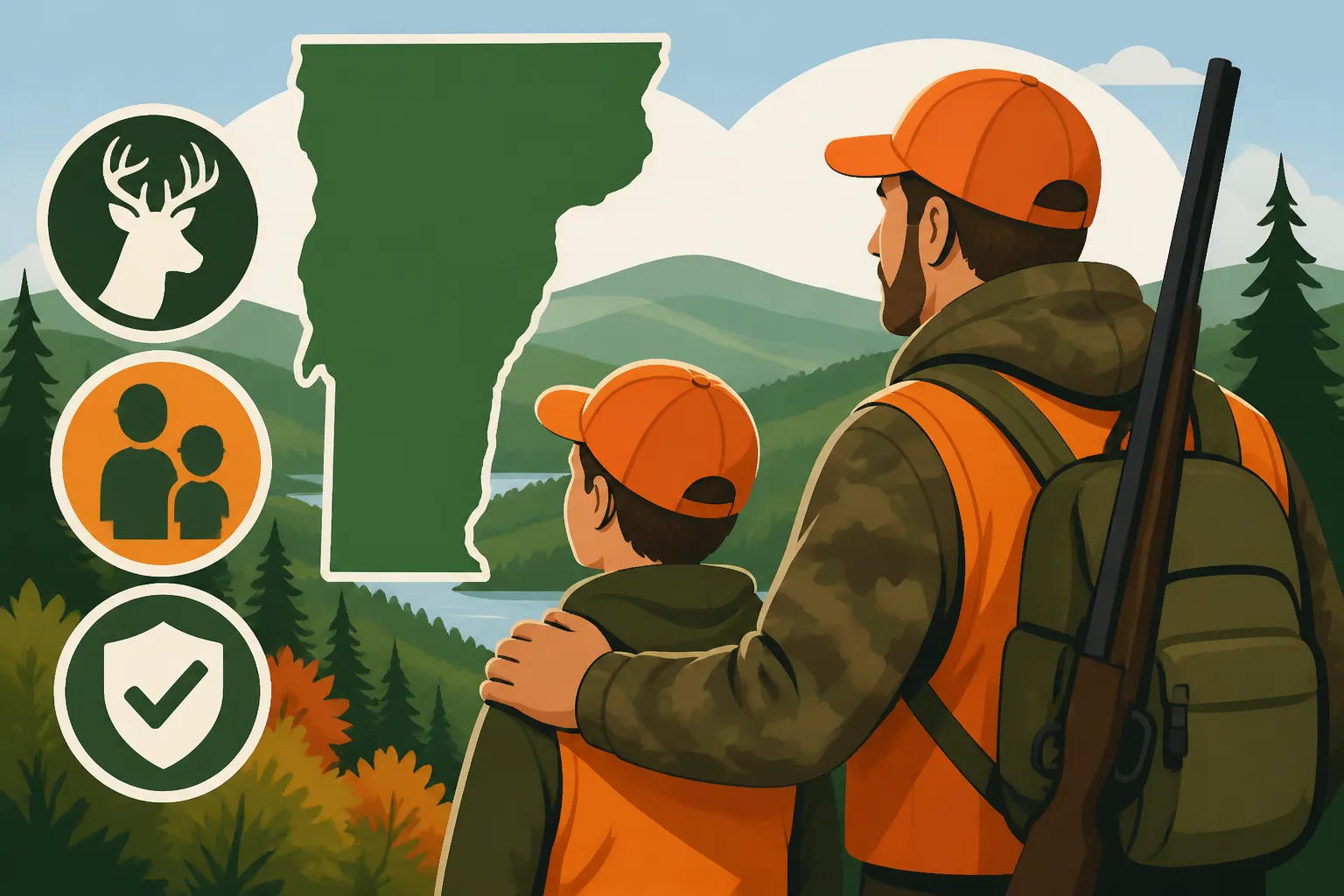
Vermont takes hunter visibility seriously, and the Youth and Novice Weekends are no exception, especially when hunting deer. All hunters, including mentors and their youth/novice companions, are required to wear blaze orange during these specified big game seasons. The requirement typically mandates at least 500 square inches of solid fluorescent orange above the waist, visible from all sides. This often means a blaze orange vest or jacket, and many hunters also opt for a blaze orange hat.
The purpose of blaze orange is simple: to make hunters highly visible to other hunters, reducing the risk of accidental shootings. Even though these weekends aim for lower hunter density, you're still sharing the woods with others, and visibility is your best defense. For new hunters, understanding the importance of blaze orange is a fundamental safety lesson. It's not just a rule; it's a life-saving practice that must be followed without exception. Remember, even during archery seasons when blaze orange might not be mandatory in all situations, it's always a good idea to wear some, especially if you're in an area that might see other outdoor users. You can find more specific details on Vermont Blaze Orange Requirements to ensure you're fully compliant.
Weapon Restrictions and Safe Handling
During the Youth and Novice Weekends, the permissible weapons for hunting vary depending on the species and the specific dates. For deer, hunters typically use shotguns, muzzleloaders, or archery equipment. Rifles are generally not permitted during these youth and novice deer specific seasons, although they are legal during Vermont's regular November rifle season. It's critical to verify the exact allowed weaponry in the current year's regulations, as these can be subject to change.
Beyond the type of weapon, safe handling is an absolute non-negotiable. Mentors are responsible for ensuring the youth or novice hunter understands and consistently practices the four fundamental rules of firearm safety:
- Treat every firearm as if it's loaded.
- Always point the muzzle in a safe direction.
- Be sure of your target and what is beyond it.
- Keep your finger off the trigger until you are ready to shoot.
For archery equipment, safe handling includes understanding arrow trajectory, maintaining proper control of the bow, and ensuring broadheads are always covered until immediately prior to the shot. Mentors should provide hands-on instruction, starting with unloaded firearms or un-nocked arrows, reinforcing these practices until they become second nature. This training is essential not just for the weekend, but for a lifetime of safe hunting.
Reporting Requirements and Deadlines
After a successful hunt, the responsibility doesn't end. Vermont, like all states, has specific reporting requirements for harvested game, particularly deer and turkey. During the Youth and Novice Weekends, if a deer or turkey is harvested, it must be reported to the Vermont Fish & Wildlife Department. This process is usually straightforward and can often be done online through the department's website or app, or by visiting an official game reporting station.
The data collected from these reports is invaluable for wildlife management. It helps biologists track harvest numbers, monitor herd health, and make informed decisions about future seasons and bag limits. It's a critical step in the conservation process that every hunter, new or experienced, must participate in. Be sure to note the specific reporting deadline, which is typically within 48 hours of harvest. Failing to report game can result in penalties. The mentor should guide the youth or novice through this entire process, explaining its importance. You can learn more about the specifics of Vermont Deer Reporting Requirements to ensure you are prepared. Utilizing tools like the GoHunt app or website can also help hunters quickly find reporting stations or complete the online registration process seamlessly, making post-hunt logistics much simpler.
Available Hunting Opportunities and Species
One of the great advantages of the Youth and Novice Weekends is the opportunity to pursue popular big game species like deer and turkey in a controlled environment. These special seasons are specifically carved out to maximize success and learning for new hunters. It's an exciting chance to chase game without the heavy pressure of the general seasons.
Deer Hunting Opportunities
Vermont's Youth and Novice Deer Hunting Weekend typically occurs in late October, just before the regular archery and rifle seasons kick off. This timing is strategic, taking advantage of cooler weather and deer still actively moving, often on predictable patterns before heavy hunting pressure disperses them. Youth hunters (15 and younger) and novice hunters (first-time deer hunters of any age) are generally eligible to take one deer during this special weekend.
The specific rules regarding antlered versus antlerless deer can vary by Wildlife Management Unit (WMU) and year. In many cases, an antlerless deer permit might be required, which can be obtained through a lottery system or over-the-counter depending on the WMU and specific regulations. It's not uncommon for these weekends to be antlerless-only in certain areas, providing an excellent opportunity to manage deer populations and for new hunters to gain experience without the added pressure of buck fever. The focus is on ethical harvest and learning the entire process, from tracking to field care. Remember to confirm current year rules for your chosen WMU, as regulations for Vermont's New Archery-Rifle Overlap Rule and antlerless permits can shift. For instance, sometimes a special youth antlerless permit is issued, simplifying the process.
| Hunter Type | Eligible Species | Typical Season Dates | Weapon Restrictions | Bag Limit (Deer) |
|---|---|---|---|---|
| Youth (10-15) | Deer, Turkey, Small Game | Late Oct (Deer), Early May (Spring Turkey) | Shotgun, Muzzleloader, Archery | 1 deer, 1-2 turkeys |
| Novice (Any Age) | Deer, Turkey, Small Game | Late Oct (Deer), Early May (Spring Turkey) | Shotgun, Muzzleloader, Archery | 1 deer, 1-2 turkeys |
Note: Always consult the current Vermont Hunting Regulations Digest for precise dates, bag limits, and legal weapon restrictions, as these can change annually.
Turkey Hunting Opportunities
Beyond deer, the Youth and Novice Weekends also extend to spring turkey hunting. The Vermont Youth Turkey Weekend Dates typically fall on the weekend immediately preceding the statewide regular spring turkey season in early May. This provides a fantastic opportunity for young and novice hunters to chase gobblers when they are often most vocal and active, fresh off the roost and focused on breeding.
During this special weekend, eligible youth and novice hunters can typically harvest one bearded turkey. Again, the mentor must be present and licensed, but not actively hunting themselves. This is an ideal time to teach calling techniques, decoy placement, and the art of setting up quietly and patiently. Spring turkey hunting is an incredibly exciting and engaging pursuit, perfect for introducing new hunters to the thrill of calling in game. The success rates can be quite high, which really helps build confidence for new participants. Make sure to check if additional permits are needed beyond the base hunting license, as specific turkey permits or stamps might apply.
Small Game Considerations
While big game often gets the spotlight, these special weekends can also be a fantastic time to introduce youth and novices to small game hunting. Many small game species, like squirrels, rabbits, and ruffed grouse, are active and abundant during the deer and turkey weekends, or have their own dedicated early seasons. While the official "Youth and Novice Weekend" often focuses on deer or turkey, the principles of mentored hunting apply year-round for small game as well.
Hunting small game can be an excellent stepping stone for new hunters, teaching critical skills like stalking, shooting accuracy, and understanding habitat without the intense pressure of a big game hunt. It’s a great way to hone marksmanship with a .22 rifle or shotgun and learn how to move stealthily through the woods. Plus, a successful small game hunt can provide delicious table fare, connecting the hunter directly to their food source. Mentors can use these opportunities to discuss woodland ecosystems, identifying different tree species, and understanding the role small game plays within the environment.
Making the Most of the Experience
Participating in Vermont's Youth and Novice Weekends is more than just showing up on opening morning; it's about preparation, thoughtful execution, and continued learning. To truly make these experiences impactful and memorable, both mentors and new hunters need to invest time and effort before, during, and after the hunt.
Pre-Season Scouting and Preparation
Success on a Youth and Novice Weekend often begins long before the season opens. Pre-season scouting is absolutely critical. This isn't just about finding game; it's about familiarizing the new hunter with the chosen area, understanding terrain, identifying potential stand locations, and recognizing fresh sign like tracks, rubs, and scrapes. Taking the youth or novice hunter with you during scouting trips can be an invaluable part of their education. Show them how to use a map and compass, or a GPS device/app like GoHunt, to navigate and mark waypoints. Discuss how wind direction and thermals might affect your approach to a likely bedding or feeding area.
Beyond scouting, preparation includes confirming all licenses and permits are in order, ensuring firearms or bows are sighted in and functioning properly, and practicing shooting. Set up targets and work on shooting fundamentals in a relaxed setting. For a young hunter, knowing they can accurately hit their target boosts confidence significantly. Discuss hypothetical hunting scenarios, ethical shot placement, and what to do if a shot isn't perfect. The more prepared everyone is, the more enjoyable and successful the actual hunt will be. Consider taking advantage of opportunities to Scouting Vermont Public Land Before Season to maximize your chances.
Gear Considerations for Young Hunters
Outfitting a new hunter, especially a young one, requires careful thought. Comfort and safety should be top priorities. Start with appropriate clothing layers. Vermont weather in late October or early May can be highly variable – from crisp mornings to warm afternoons, or even rain and snow. Layering for Vermont's Long Hunting Season is essential to stay warm and dry. Avoid cotton, which holds moisture, and opt for moisture-wicking base layers, insulating mid-layers, and a waterproof/windproof outer shell.
Footwear is another critical component. Comfortable, waterproof boots are a must, especially when still-hunting or sitting for extended periods. For safety, ensure the new hunter has their blaze orange, as discussed earlier. Equipment like binoculars, a small pack with snacks and water, and a headlamp (even for daytime hunts, just in case) are also valuable. For younger hunters, finding a firearm that fits them properly is paramount. A youth-model shotgun or a lighter-recoil caliber can make a huge difference in their comfort and ability to shoot accurately, making it less intimidating than a full-size hunting rifle.
Post-Hunt Learning and Mentorship
The learning doesn't stop once the hunt is over, regardless of whether game was harvested. If a successful harvest occurred, the post-hunt process offers incredible educational opportunities. This includes learning to field dress the animal cleanly and efficiently, understanding the anatomy, and appreciating the meat it provides. Involving the youth or novice in this process, even if it's just observing and asking questions, reinforces the connection between the hunt and the food on the table. It teaches respect for the animal and the effort involved in bringing it home.
If the hunt wasn't successful, it's a chance to discuss why. Did the wind shift? Was the stand placement off? What could be done differently next time? Every outing, successful or not, offers valuable lessons. Emphasize the experience itself – the quiet moments in nature, the wildlife seen, the time spent together. Encourage journaling or simply talking about their observations. Continued mentorship, even outside of hunting season, by discussing wildlife, conservation, and ethical outdoor practices, cements the values learned during these special weekends. Programs like Vermont's Youth and Novice Weekend are designed to be a beginning, not an end, to a lifelong journey in the outdoors.
Disclaimer
Please note: The information provided in this guide is for general informational purposes only and is subject to change. Hunting regulations, season dates, and license requirements in Vermont are established by the Vermont Fish & Wildlife Department and can vary year to year. Always consult the most current official Vermont Hunting, Fishing & Trapping Regulations Digest or visit the Vermont Fish & Wildlife Department's official website before planning any hunting trip to ensure full compliance with all applicable laws and regulations.