Vermont Youth Turkey Weekend Dates
For many parents and guardians, introducing a young person to hunting feels like a monumental task. The sheer amount of information, the seasons, the tags, the safety concerns – it can be overwhelming, making it tough to even know where to start. This guide is specifically designed to cut through that confusion, focusing on Vermont's Youth Turkey Weekend dates and everything you need to know to make it a safe, enjoyable, and educational experience for the next generation of hunters.
Understanding Vermont's Youth Turkey Weekend
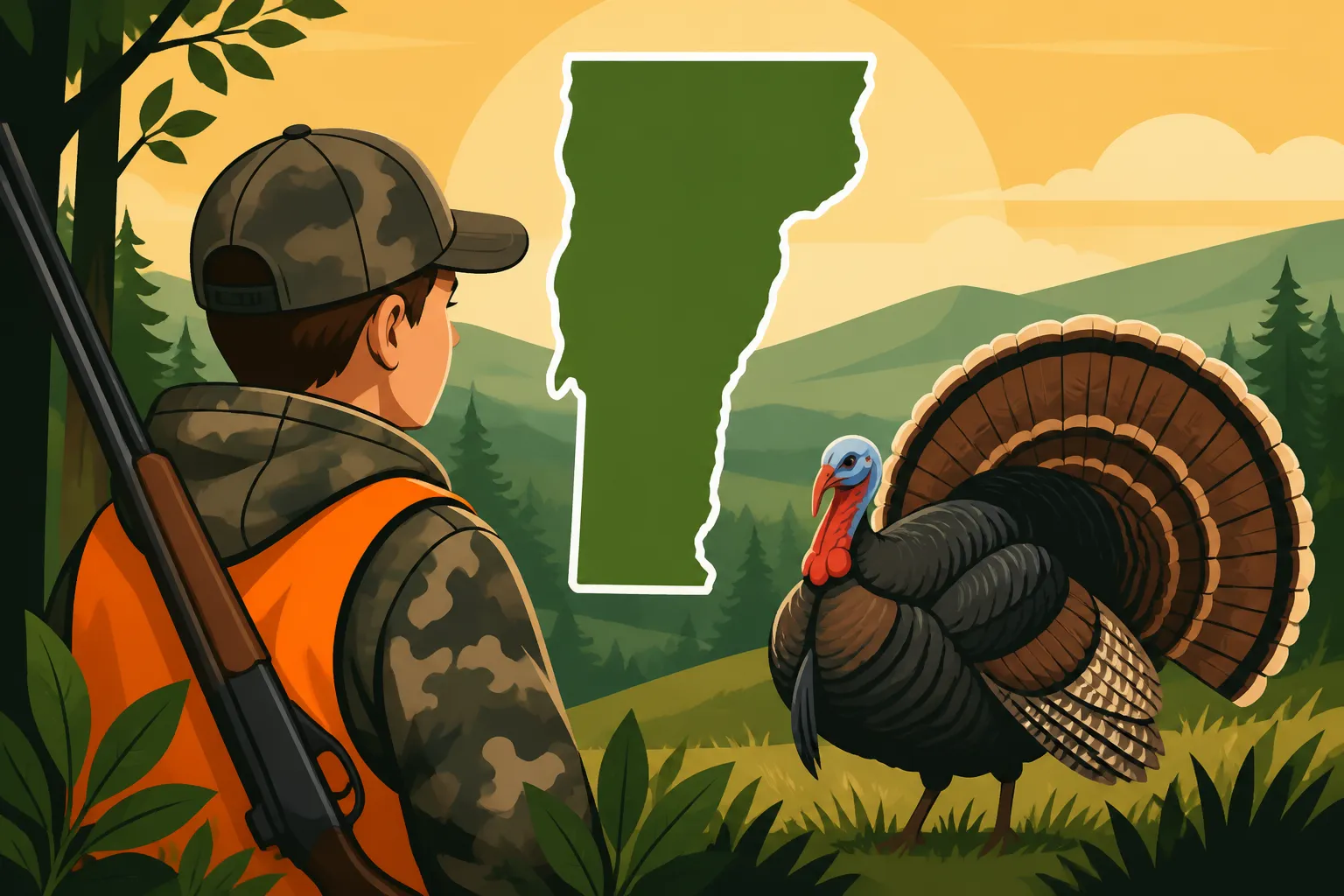
There's something truly special about the Vermont Youth Turkey Weekend. It's more than just an early shot at a gobbler; it's a dedicated opportunity, carved out by the state, to give young hunters a fantastic head start and an unforgettable introduction to the woods. It recognizes that getting kids into hunting requires a bit of a specialized approach, free from the heavy pressure and competition of the regular season.
The heart of this opportunity lies in its timing. This special weekend typically falls in late April, just before the full spring turkey season kicks off for everyone else. Think of it as a VIP pass for the youth. By scheduling it this way, the Vermont Fish & Wildlife Department gives young hunters a chance to experience the thrill of the spring woods when turkeys are often still quite responsive and relatively unpressured. It's designed to maximize their chances of success and enjoyment, fostering that crucial early spark for conservation and outdoor recreation. The precise dates can shift slightly year to year, so it's always critical to check the official Vermont Fish & Wildlife digest or their website. Often, these dates will be clearly listed alongside the broader Vermont Spring Turkey Season Dates, making it easy to see when this exclusive youth window opens.
Beyond the dates, the purpose behind this program is profound. It's not just about harvesting a bird; it's about fostering a deep connection to nature, understanding wildlife management, and instilling a strong sense of ethical hunting. For many families, this weekend becomes a cherished annual tradition, a time for mentors to pass down knowledge, share stories, and simply spend quality time afield. It's an investment in the future of hunting and conservation in Vermont, ensuring that the passion and responsibility for our natural resources continue for generations to come. This early access helps solidify the idea that hunting is a privilege, a skill, and a deep engagement with the natural world, rather than just a casual pastime.
Essential Regulations and Requirements
Navigating the rules and regulations can sometimes feel like trying to untangle a particularly stubborn fishing line, but for the Youth Turkey Weekend, they’re actually quite straightforward and designed with safety and success in mind. It’s absolutely crucial to understand these rules before you step foot in the woods, not just for legal compliance, but for the safety and positive experience of the young hunter.
First and foremost is the concept of mentorship. This isn't a solo endeavor for a young hunter. Any youth participating in the Youth Turkey Weekend must be accompanied by a properly licensed, unarmed adult mentor over the age of 18. This mentor must be close enough to the youth to provide direct supervision and instruction at all times. They’re there to guide, teach, and ensure safety, not to participate in the actual hunting of the bird. The mentor cannot carry a firearm or bow, emphasizing that this hunt is entirely for the youth. This requirement aligns perfectly with the spirit of the Vermont Mentored Youth Hunting Rules, which are designed to safely introduce newcomers to the hunting tradition under expert guidance. For those looking to thoroughly plan their hunts, platforms like GoHunt can be invaluable for accessing up-to-date regulations and even scouting public lands to prepare for the weekend.
Next, let's talk about bag limits and legal weapons. During the Youth Turkey Weekend, eligible youth hunters can take one bearded turkey. That's right, just one. This single-bird limit during this special window ensures a conservative approach while still providing a fantastic opportunity. Regarding legal weapons, youth hunters can use a shotgun (20 gauge or larger, firing #4 shot or smaller, 3-inch shell or shorter) or a bow (minimum draw weight of 30 pounds). Crossbows are also permitted. It’s important that the youth hunter is proficient and comfortable with their chosen weapon. Remember, safety always trumps a successful harvest. Understanding the Vermont Spring Turkey Bag Limit for Residents will show you how this youth weekend fits into the larger spring season framework.
Finally, the responsibility of reporting your harvest. This is a non-negotiable step and a vital part of wildlife management. If a youth successfully harvests a turkey, that bird must be reported to the Vermont Fish & Wildlife Department. This can typically be done online via their website or through their official app by the end of the day the bird was taken. Accurate reporting helps the department gather crucial data on turkey populations, harvest rates, and overall herd health, which in turn informs future management decisions. Don't let the excitement of a successful hunt overshadow this critical step; it's part of being a responsible hunter.
| Eligibility Factor | Requirements | Notes |
|---|---|---|
| Youth Age | Under 16 years old | No minimum age, but must be accompanied. |
| Licenses Needed | Youth hunting license, turkey permit | Both purchased through VT Fish & Wildlife. |
| Mentor Age | 18 years or older | Must be properly licensed for hunting, but cannot hunt during youth weekend. |
| Mentor Weapon | Unarmed (no firearm or bow) | Mentor's role is supervision, not participation. |
| Bag Limit | One (1) bearded turkey | Specific to the Youth Turkey Weekend. |
| Legal Weapons | Shotgun (20ga+), Bow (30lb+), Crossbow | Youth must be proficient and safe with their chosen weapon. |
| Reporting | Mandatory, by end of harvest day | Online or via VT Fish & Wildlife app. |
Preparing for a Successful and Safe Hunt
Okay, so you’ve got the dates down, you understand the rules, and the anticipation is building. Now comes the really fun part: preparation! This isn't just about packing a lunch; it's about setting up your young hunter for success, not just in harvesting a bird, but in building confidence and a lifelong love for the outdoors.
Pre-season scouting is your secret weapon. You wouldn't go into a big exam without studying, right? Same goes for turkey hunting. A few weeks before the Youth Turkey Weekend, start getting out in the woods with your young hunter. Look for signs of turkey activity – tracks, droppings, scratch marks in the leaves, dusting bowls. Listen for gobblers at first light, especially around potential roosting areas. Don't be afraid to try some basic calls to see if you get a response. This is also a fantastic opportunity to teach them about topography and how turkeys move through it. Apps like GoHunt can be incredibly useful here, allowing you to view detailed aerial photos and topo maps to identify potential roosts, travel corridors, and feeding areas even before you step foot on the ground. This kind of diligent preparation, much like you would do when Scouting Vermont Public Land Before Season for deer, translates directly to turkey hunting success.
Next, let's talk about gearing up. Proper clothing is paramount, especially in late April when Vermont weather can be notoriously unpredictable. Think layers! It could be frosty at dawn and warm by midday, or a sudden rain shower could roll in. Waterproof outerwear is a must. Camouflage that blends with the spring woods is important, but comfort and warmth are even more so. Don't forget a comfortable seat cushion or small portable stool – waiting for turkeys can test anyone's patience, especially a young person’s! When it comes to calls, don't overwhelm them. Start with one or two basic calls that are easy for them to use and sound realistic. A simple pot call or box call can be very effective. Remember, the goal is to get proficient with a few tools, not to carry a whole orchestra. A good starting point might be looking into the Best Call for a Vermont Spring Gobbler to see what type is recommended for our local birds.
Finally, safety must be the absolute priority. Before you even head out, review firearm or bow safety rules rigorously. Practice safe handling, loading, unloading, and target acquisition. In the field, consistently reinforce the basic rules: always know your target and what’s beyond it, keep the muzzle pointed in a safe direction, and keep your finger off the trigger until you are ready to shoot. Practice setting up against a big sugar maple or other sturdy tree to ensure both the hunter and mentor are protected. Always wear hunter orange when walking in and out of your hunting area, though remember to remove it once set up and calling. A quick run-through of Vermont Hunter Education Requirements can be a great refresher for both mentor and youth. Communication is also key: talk through your plan for approaching a gobbler, how to react if one appears unexpectedly, and what to do if you get separated.
Making Lasting Memories Beyond the Bird
While harvesting a turkey is certainly a thrilling goal for the Youth Turkey Weekend, the truth is, the most valuable part of the experience often has nothing to do with whether a bird comes home with you. It's about the bigger picture, the lessons learned, and the memories forged that will last a lifetime.
The learning experience is truly invaluable. Hunting provides an incredible classroom without walls. Beyond the obvious lessons of tracking, calling, and shooting, your young hunter will learn patience – waiting quietly, sometimes for hours, for a chance at a bird. They'll learn observation skills, noticing the subtle movements of squirrels, the rustle of leaves in the wind, or the distant caw of a crow. They'll learn about ethical hunting, understanding fair chase, and respecting the animal whether a shot is taken or not. These are skills that extend far beyond the hunting season, shaping them into more observant, patient, and responsible individuals. Discussing strategies like Calling an Early May Gobbler Off the Roost can open up a whole world of understanding about turkey behavior and communication.
It's important to prepare for both success and setbacks. When a bird is harvested, it's a moment of immense pride and excitement. This is when you teach them the importance of proper field dressing, respecting the animal, and processing the meat for the table. It’s also an opportunity to explain the role of hunters in conservation and why these efforts are so important to maintain healthy populations, like the one we have here in Vermont. But let's be realistic: not every hunt ends with a bird. And that's okay. Teach them to appreciate the experience regardless. The sunrise, the sounds of the awakening forest, the close encounter with a deer – these are all parts of the hunt. Talk through what went right and what could be done differently next time. Reinforce that the effort and the experience are often more valuable than the outcome. Perhaps a good discussion about Decoy Placement for Pressured Spring Birds can offer insight into adapting strategies for the next outing.
Ultimately, the Youth Turkey Weekend is about building a tradition. These shared outdoor experiences create bonds that are incredibly strong. It might be the thermos of hot chocolate shared in the pre-dawn chill, the whispered conversations about a distant gobble, or the shared laughter over a missed opportunity. These are the stories that will be told around campfires for years to come. Utilize resources like GoHunt, not just for tactical information, but to plan future trips, research new hunting areas, and stay connected with the hunting community. Investing your time and effort into this weekend isn't just about one hunt; it's about igniting a passion that can last a lifetime, ensuring that the rich heritage of Vermont hunting continues to thrive.
Disclaimer
Please remember that hunting regulations can change. While this guide provides comprehensive information, always consult the official Vermont Fish & Wildlife Department website or current hunting digest for the most up-to-date and accurate regulations, dates, and licensing requirements before heading afield.