Vermont Muzzleloader Season Dates
Navigating Vermont's deer hunting seasons can sometimes feel like trying to decipher an ancient map, especially when you start factoring in the specific dates and regulations for different weapon types. For us muzzleloader enthusiasts, understanding precisely when we can take to the woods, and what we're allowed to harvest, is paramount to planning a successful hunt and avoiding any unintended run-ins with the law. This guide aims to clear up all that confusion, breaking down the exact Vermont muzzleloader season dates and the critical rules you need to know to make the most of your time chasing whitetails in the Green Mountain State.
Understanding Vermont's Muzzleloader Seasons
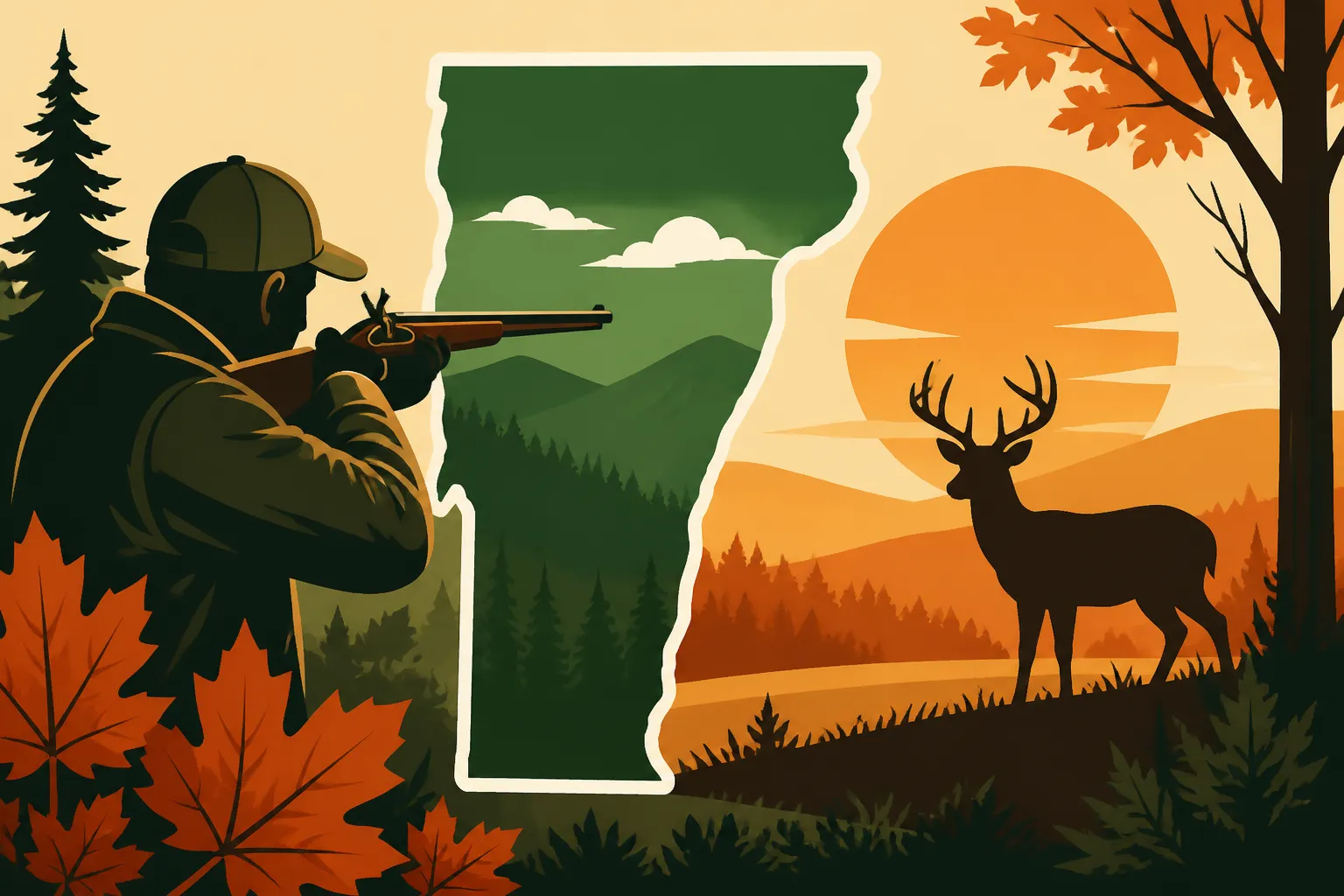
Vermont offers a unique opportunity for muzzleloader hunters, providing two distinct windows to pursue deer. These aren't just arbitrary dates; they are strategically placed seasons designed to manage the deer population, offer varied hunting experiences, and cater to a specific, traditional hunting method. Many states combine their muzzleloader seasons with rifle, but Vermont's approach truly sets it apart, giving traditionalists dedicated time in the field.
The Two Distinct Muzzleloader Opportunities
When we talk about muzzleloader season in Vermont, we're actually referring to two separate periods, each with its own character and rules. First, there's the October Antlerless Muzzleloader Window, a shorter, more focused hunt typically occurring in late October. This season is specifically designed for harvesting antlerless deer, playing a crucial role in herd management by helping to control population growth and maintain a healthy buck-to-doe ratio in specific Wildlife Management Units (WMUs). It's a fantastic chance to fill the freezer, but it comes with strict permit requirements that we'll dive into shortly.
Then, we have the much-anticipated December Muzzleloader Season. This longer season, usually kicking off right after the close of the regular rifle season, offers a distinct "any-deer" opportunity, allowing hunters to pursue either an antlered buck or an antlerless deer if they hold the appropriate permits. This late-season hunt often takes place amidst snow-covered landscapes, presenting a different set of challenges and rewards. It's a prime time for hunters who love the quiet solitude of winter woods and the thrill of tracking. Both seasons present a unique challenge, calling for specific preparation and strategies from the dedicated hunter. To truly understand the full scope of these opportunities, it's worth exploring the comprehensive guide to Muzzleloader Deer Hunting in Vermont.
Why Muzzleloading is a Unique Challenge in Vermont
Hunting with a muzzleloader in Vermont is more than just a preference; it's a commitment to a challenging and rewarding style of hunting. The limitations of a single-shot firearm, coupled with the need for careful powder and projectile management in varied weather, demand a higher level of discipline and skill. Vermont's diverse terrain, from the steep ridges of the Green Mountains to the sprawling farm fields of the Champlain Valley, adds another layer of complexity. Unlike modern firearms that offer quick follow-up shots and extended range, muzzleloaders require you to get closer, make that first shot count, and meticulously manage your shot opportunity.
The weather is another significant factor. The October season can bring anything from crisp, sunny days to cold, driving rain, while December almost guarantees snow and freezing temperatures. Keeping your powder dry and your firearm functioning reliably in these conditions is a constant concern. It’s not uncommon to hear tales of a missed opportunity due to a damp pan or a clogged nipple. This reliance on a single, well-placed shot and the commitment to a more traditional method is what truly draws many hunters to the muzzleloader seasons, embracing the historical connection to the hunt.
The October Antlerless Muzzleloader Window
This early muzzleloader opportunity is a gem for those looking to stock their freezers with venison and contribute to sound deer management. It’s a short, intense window that requires meticulous planning and a deep understanding of local deer populations.
Specific Dates and Permit Requirements
Historically, Vermont's October Antlerless Muzzleloader Season typically runs for a brief period in late October. For 2023, these dates were October 26-29, a tight four-day window. This season is strictly for antlerless deer, meaning only does and fawns can be harvested. This makes it distinct from other seasons, as the focus is solely on population control rather than trophy hunting.
The most critical aspect of this season is the permit. To hunt antlerless deer during this period, you must possess a valid Muzzleloader Antlerless Permit specific to the Wildlife Management Unit (WMU) you intend to hunt. These permits are limited in number and allocated based on deer population goals for each WMU. You also need a base Vermont Hunting Licenses and What They Cost, which includes your regular muzzleloader tag. It’s not enough to simply have a hunting license; that separate antlerless permit is absolutely essential if you plan to target a doe. You can usually apply for these permits or purchase them through the Vermont Fish and Wildlife Department's online portal or at authorized license agents. Availability can be tight, so it's always a good idea to secure yours well in advance. Understanding Holding Two Antlerless Permits in Different WMUs can also be beneficial if you're looking to maximize your opportunities.
Strategies for an Antlerless-Only Hunt
Since the October muzzleloader season is focused solely on antlerless deer, your hunting strategies should revolve around finding where does and fawns congregate. This means shifting your focus from traditional buck sign to areas rich in food sources and thick cover. Look for stands of oak or beech trees dropping acorns or nuts, which are prime late-fall food sources. Agricultural fields, particularly those with standing corn or brassicas, will also be magnets for deer. Remember, the goal is not necessarily to find the biggest rack, but to locate a healthy doe group.
Scouting these areas before the season opens is non-negotiable. Look for fresh tracks, droppings, and well-used trails leading to and from feeding and bedding areas. Does often prefer slightly thicker, more secure cover for bedding, especially if there’s been any hunting pressure from early archery seasons. Pay attention to edges where different habitat types meet, like the transition from a hardwood ridge to a cedar swamp. The weather during this late October window can be unpredictable. You might experience Indian summer warmth, or a sudden cold snap with rain or even early snow. Dress in layers, and be prepared for anything, especially if you plan on Keeping a Muzzleloader Dry in Late-Fall Rain during inclement weather.
The December Muzzleloader Season (Any-Deer)
The December muzzleloader season ushers in a new kind of challenge and opportunity, often marked by colder temperatures and snow on the ground. This "any-deer" period, following the general rifle season, provides a chance to pursue a buck you might not have connected with earlier, or to fill another antlerless tag.
Specific Dates and What You Can Harvest
Vermont's December Muzzleloader Season typically begins the first Saturday of December and runs for about nine days. For 2023, these dates were December 2-10. This season is often referred to as "any-deer," but there's a crucial nuance here. Your regular hunting license includes a muzzleloader tag that allows you to take one legal antlered buck, provided you haven't already filled your Vermont Buck Bag Limit in previous seasons (archery or rifle). However, if you wish to harvest an antlerless deer during this December window, you still need a separate Muzzleloader Antlerless Permit for the specific WMU you're hunting, just like in October. This is a common point of confusion for many hunters, so it's vital to double-check your permits before heading into the woods.
This season provides a fantastic opportunity for hunters who enjoy the solitude and tracking potential of a snowy landscape. It's a chance to pursue that elusive buck that avoided you during the rifle season or to secure more venison for the year. Just remember, your general hunting license comes with a basic muzzleloader tag allowing for a buck, but for a doe, that extra WMU-specific antlerless permit is key.
Tackling Late-Season Conditions and Deer Behavior
Hunting in December in Vermont means bracing for winter. Snow is often on the ground, temperatures can drop well below freezing, and winds can be biting. This harsh weather dramatically influences deer behavior. They become hyper-focused on survival, which primarily means seeking out readily available food sources and sheltered bedding areas, especially Deer Wintering Yards Explained. This is a prime time to focus on Late-Season Food Sources for Vermont Whitetails like standing corn, winter wheat, apple orchards (if apples remain), or natural browse like multiflora rose or honeysuckle that can still be found. Deer will actively move to these areas, often at dawn and dusk.
Deer also begin to congregate in areas that offer protection from the elements, such as dense conifer stands, river bottoms, or south-facing slopes that catch more sun. These "deer yards" become critical hubs of activity. Learning how to identify and Reading a Green Mountain Deer Yard can be invaluable. Tracking becomes a highly effective strategy with snow on the ground, allowing you to follow fresh sign and understand deer movement patterns. However, cold weather also means heightened scent control and quieter movement, as deer are often more alert. Layers are your best friend, and durable, waterproof boots are non-negotiable for staying warm and comfortable during long sits or extended tracks. For strategies on staying out in the elements, check out Cold-Weather Sitting Strategy in the Northeast Kingdom.
Essential Muzzleloader Regulations and Gear Considerations
Beyond just knowing the dates, understanding the specific legal requirements for your muzzleloader and making smart gear choices can make or break your hunt. Vermont has clear rules to ensure fair chase and hunter safety, and being prepared means respecting those regulations.
Legal Muzzleloader Equipment and Ammunition
Vermont's regulations for muzzleloaders are quite specific to ensure a level playing field and maintain the traditional spirit of the hunt. Generally, a legal muzzleloader for deer hunting must be loaded from the muzzle and can be either flintlock or percussion cap ignition. It must be .45 caliber or larger, with a minimum barrel length of 18 inches. Only black powder or approved synthetic substitutes (like Pyrodex or Triple Seven) are allowed; smokeless powder is strictly prohibited. You can use either a single projectile (e.g., a patched round ball or conical bullet) or sabot-encased projectiles. The key is that the firearm must be loaded from the muzzle.
Scopes are generally allowed during muzzleloader season, though some states have restrictions, so always double-check the latest Vermont regulations. Fiber optic or open sights are also perfectly acceptable. The main takeaway is to ensure your chosen firearm and ammunition comply with these specific rules well before the season opens. It’s always best to practice with your hunting load and ensure accuracy before heading afield. For those looking for recommendations, consider what makes the Best In-Line Muzzleloader for Wet Fall Weather a reliable choice.
Preparing for the Hunt: Permits, Safety, and Scouting
Preparation is the cornerstone of any successful hunting trip, and muzzleloader season is no exception. First and foremost, ensure all your permits are in order. You'll need your base Vermont Hunting Licenses and What They Cost, which includes your muzzleloader tag, and if you intend to harvest a doe, that WMU-specific antlerless permit is critical. You can usually purchase these online through the Vermont Fish and Wildlife Department website or at a licensed agent.
Safety is paramount. Remember that during all firearms seasons in Vermont, including both muzzleloader seasons, all hunters are required to wear blaze orange (or blaze pink) on the head and chest/back. This ensures you are highly visible to other hunters, especially important when hunting public land.
Pre-season scouting is invaluable. Use mapping applications like GoHunt to identify potential food sources, bedding areas, and travel corridors in your chosen WMU. GoHunt's layers can show you property lines, topography, and even recent satellite imagery to help you pinpoint promising spots. You'll want to be familiar with your hunting grounds, identifying stand locations or stalking routes. It’s also crucial to spend time at the range, practicing with your muzzleloader. Become proficient with loading, shooting, and cleaning, especially under simulated cold conditions. Understanding your firearm's capabilities and limitations will build confidence for that critical shot. A detailed guide like Scouting Vermont Public Land Before Season can provide further insights.
| Season | Dates (Approx. Annually) | Bag Limit | Permit Type (Beyond Base License) | Notes |
|---|---|---|---|---|
| October Antlerless Muzzleloader | Late Oct (e.g., Oct 26-29) | Antlerless Deer Only | Muzzleloader Antlerless Permit (WMU-specific) | Requires base hunting license + muzzleloader tag. Focus on herd management. Check WMU availability early. |
| December Any-Deer Muzzleloader | Early-Mid Dec (e.g., Dec 2-10) | One Legal Buck + One Antlerless (if permitted) | Muzzleloader Tag (part of base license) + Antlerless Permit (if taking doe) | Often cold and snowy. Ideal for tracking. Ensure you have the correct antlerless permit for a doe. |
Navigating WMU-Specific Antlerless Permits
The concept of WMU-specific antlerless permits is often where hunters get tripped up. It's not a universal "take a doe anywhere" tag; it's a carefully managed system designed to maintain healthy deer populations at a local level.
Understanding Wildlife Management Unit Allocations
Vermont is divided into numerous Wildlife Management Units (WMUs), and each one is assessed individually by the Vermont Fish and Wildlife Department. These assessments consider factors like deer population density, habitat quality, winter severity, and herd health. Based on these data points, the Department determines how many antlerless deer can be harvested from each WMU to meet specific management goals. This is why some WMUs might have a generous allocation of muzzleloader antlerless permits, while others might have very few, or even none at all.
This targeted approach helps prevent overharvesting in areas where deer numbers are low, and encourages harvesting in areas where the population is robust and needs to be managed. If you're planning to hunt a specific WMU, it's absolutely crucial to check the Vermont Fish and Wildlife website for the latest permit allocations for that year. These numbers can change annually, so what was available last season might not be available this season. This careful management is a key reason why Vermont's CWD-Free Deer Herd remains healthy and strong.
Planning Your Hunt Around Permit Availability
Given the WMU-specific nature of antlerless permits, planning early is not just a suggestion – it's a necessity. As soon as the Vermont Fish and Wildlife Department announces the permit allocations for the upcoming season, typically in late summer or early fall, you should be checking for your desired WMU. Popular WMUs, especially those known for strong deer populations or easy access, can see their antlerless permits disappear quickly.
If your preferred WMU runs out of permits, don't despair! This is where flexibility comes in. You might need to research neighboring WMUs or other areas where permits are still available. Tools like GoHunt can assist you in quickly looking up WMU boundaries and understanding the geographical layout, helping you find alternative hunting grounds. This might mean adjusting your plans, scouting a new area, or even focusing solely on an antlered buck if no antlerless permits can be secured for your chosen hunting grounds. Regardless of your plan, once you harvest a deer, remember that prompt Vermont Deer Reporting Requirements are essential, and can often be done online through the Vermont Fish and Wildlife portal or app.
Tips for Muzzleloader Success in Vermont
Muzzleloader hunting in Vermont is a deeply satisfying pursuit, but it demands patience, precision, and an intimate understanding of both your equipment and the deer you pursue. There are ways to tip the odds in your favor and truly embrace the traditional challenge.
Overcoming the Challenges of Muzzleloader Hunting
The inherent challenges of muzzleloader hunting are part of its appeal. A single shot means every shot opportunity is magnified. To maximize your chances, practice relentlessly at the range, focusing on shot placement at various distances you expect to encounter in the field. Understand your firearm's ballistic capabilities with your chosen load. Vermont's terrain can present steep angles, so practicing uphill and downhill shots can be beneficial.
Maintaining your rifle in Vermont's often wet and cold conditions is another hurdle. As mentioned, Keeping a Muzzleloader Dry in Late-Fall Rain is crucial. Use waterproof covers for your lock and muzzle, and consider modern synthetic stocks that are less prone to swelling or warping in moisture. After a hunt, meticulously clean your muzzleloader to prevent corrosion from black powder residue. Patience is perhaps the most important virtue; move slowly and deliberately, constantly scanning your surroundings. The quiet nature of a muzzleloader often means deer are less alarmed by the report compared to a modern rifle, but the smoke can obscure your view for a follow-up. This makes tracking even more vital, so hone your blood trailing skills, especially in snow.
Leveraging Technology and Community Knowledge
While muzzleloading is a traditional pursuit, modern technology can significantly enhance your success. Mapping applications, like GoHunt, are invaluable for pre-season scouting and in-field navigation. Use them to study topographical features, identify potential funnels or pinch points, locate remote food sources, and understand property boundaries. Offline map capabilities are critical in many parts of Vermont where cell service can be spotty. Consider using GPS devices or smartphone apps to mark important locations like scrapes, rubs, or bedding areas, and to help you navigate back to your vehicle after dark.
Beyond technology, leverage the wealth of knowledge available through local hunting communities. Join online forums, attend local Fish and Wildlife meetings, or simply chat with seasoned hunters at your local sporting goods store. Experienced Vermont hunters can offer insights into specific WMU quirks, deer behavior patterns, and even share tips on Reading Vermont Mud for Fresh Deer Movement. Understanding factors like Wind and Thermals in Steep Green Mountain Terrain is critical for still-hunting or stand placement, and local knowledge can often point you in the right direction. There's a rich tradition of hunting in Vermont, and connecting with others who share that passion can be incredibly rewarding.
Disclaimer
Please note: Hunting regulations and season dates can change annually. While this guide provides the most accurate information based on recent data, it is imperative that all hunters consult the official Vermont Fish and Wildlife Department website or their latest hunting guide before planning and engaging in any hunting activities. Always prioritize safety and adherence to all local, state, and federal laws.