Vermont Deer Wintering Yards Explained
When you're out in the deep woods of Vermont, especially as the snow starts to pile up, you might wonder where all the deer disappear to. It can feel like they vanish into thin air, leaving you scratching your head. This guide is all about demystifying those secret havens: Vermont's deer wintering yards, explaining what they are, why they're so vital for deer survival, and how understanding them can make you a more informed and ethical hunter.
What Exactly Are Deer Wintering Yards?
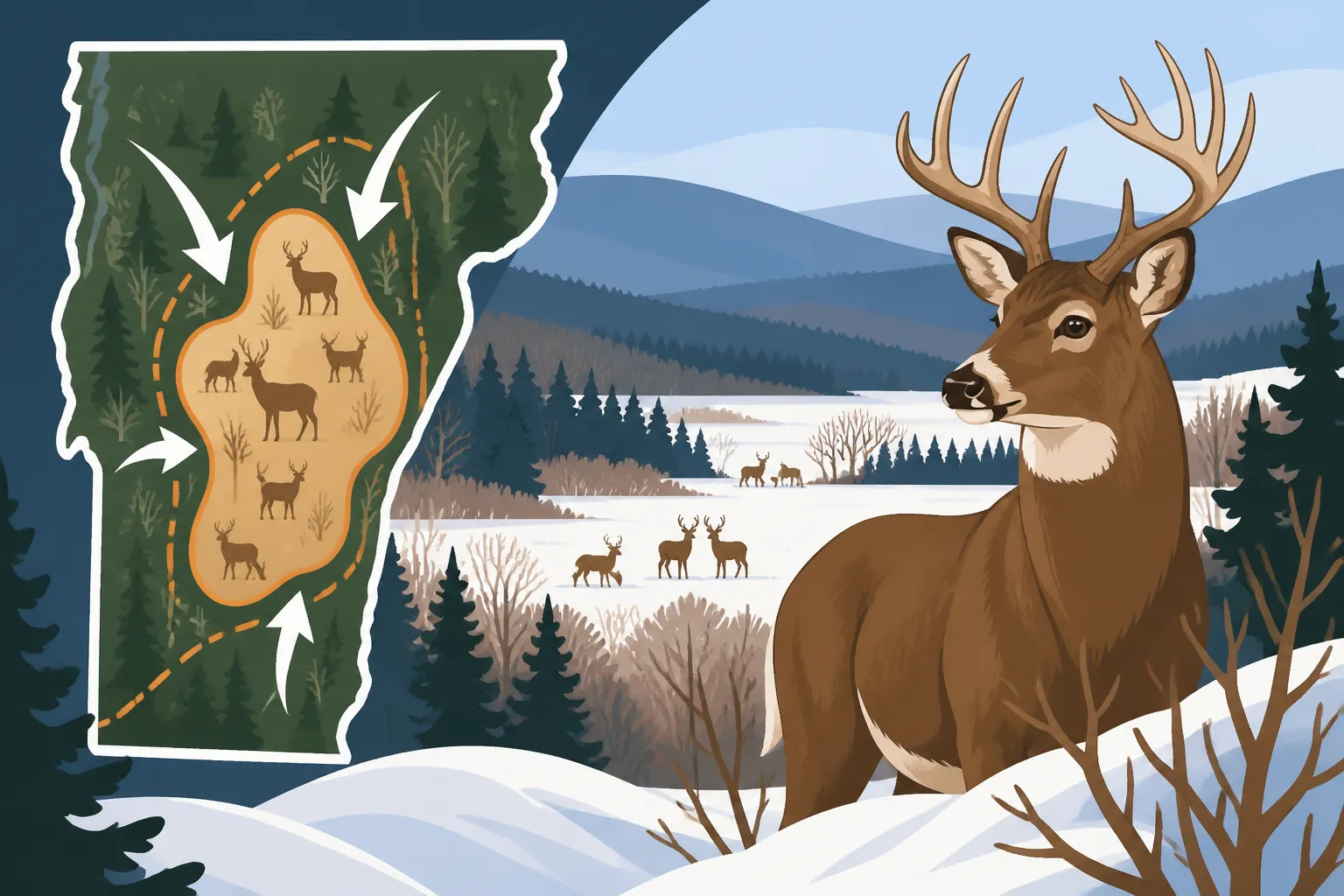
Deer wintering yards, often simply called "deer yards" by us Vermonters, are much more than just a place deer hang out when it gets cold. They're critical survival zones, natural shelters that whitetails instinctively seek out when the snow gets too deep and temperatures plunge. Think of them as their cold-weather fortresses, meticulously chosen for their ability to offer respite from the harshest conditions Mother Nature throws at us up here.
These aren't static places; their boundaries can shift slightly year to year depending on snow depth and severity, but the core areas remain consistent. They're typically found in specific types of habitat that provide a combination of dense cover, thermal protection, and accessible food sources, all within a relatively compact area. Without these vital havens, the challenges of surviving a typical Vermont winter would be insurmountable for a significant portion of the herd.
Historically, deer yards have been a known phenomenon for generations of Vermont hunters and wildlife observers. Our ancestors understood that during the leanest months, deer would congregate in these specific areas, a behavior born of pure necessity. Modern wildlife management has simply expanded on that traditional knowledge, studying these areas to better understand their ecological importance and guide conservation efforts.
The Survival Strategy of the Whitetail
For a white-tailed deer in Vermont, winter is not just a season; it's a test of endurance. Deep snow limits their mobility, making it harder to escape predators and access food. Brutal cold forces their bodies to expend massive amounts of energy just to stay warm. This is where the winter yard becomes their ultimate survival strategy. By concentrating in these areas, deer can conserve energy, reduce exposure to severe weather, and benefit from the collective "plow" effect of many deer moving through the snow, keeping paths open to browse.
Imagine trying to navigate chest-deep snow every day just to find a few twigs to eat. It's exhausting, and it drains precious calories. In a winter yard, deer can move along packed trails, conserving energy. They also benefit from the thermal cover. Think of a dense stand of conifers, like spruce, fir, or hemlock, acting like a giant umbrella. It intercepts snow, keeping the ground underneath less deep, and it traps warmth, reducing wind chill. This makes a monumental difference for a deer trying to maintain its body temperature.
The concept of "yarding up" is a fascinating natural adaptation. It's not just about finding shelter; it's about making winter manageable. Deer move less, they eat less, and they become far more sedentary, all in an effort to conserve every last calorie. Their metabolism slows, and they rely on the fat reserves they've hopefully built up during the more abundant fall months. If those reserves run low and they're forced to expend too much energy fighting deep snow or finding new browse outside the yard, their chances of making it to spring plummet.
Identifying Key Features of a Winter Yard
So, what exactly makes a patch of woods a prime deer wintering yard? It boils down to a few critical components: dense coniferous cover, southern exposure, proximity to water, and available browse. While every yard is unique, these elements are almost always present in some combination. The specific type of conifer can vary, but the density is key, offering that crucial overhead canopy.
First and foremost, look for dense stands of softwood. Hemlock, spruce, and balsam fir are classic examples. These trees hold their needles all winter, creating a thick ceiling that catches snow before it hits the ground. This results in shallower snow depths underneath, making it easier for deer to move and feed. The dense canopy also insulates against wind and radiates heat, creating a microclimate that can be several degrees warmer than the surrounding open hardwoods. If you've ever walked into a thick stand of hemlock on a blustery winter day, you know exactly what I'm talking about – it feels like stepping into a different world.
Beyond the thermal cover, a south-facing slope can be a huge bonus. Even in the depths of winter, direct sunlight can help melt snow, expose bare ground, and offer a bit more warmth. Add in a nearby water source, like a perennial stream or a spring that stays open, and you're really hitting all the deer's needs. Finally, and crucially, there needs to be accessible food. This might be young saplings, cedar branches, or even persistent hard mast if it's available. Remember, the deeper the snow, the higher the deer have to reach, leading to a visible "browse line" on favored woody plants. When you're scouting, tools like GoHunt's mapping features can help you identify these habitat types and terrain features from your armchair.
Why Are These Yards So Crucial in Vermont?
Vermont's rugged landscape and notoriously long, snowy winters make deer wintering yards not just important, but absolutely vital for the health and survival of our whitetail herd. Without these specific habitats, the deer population simply wouldn't be able to withstand the brutal conditions that are a regular feature of our Green Mountain State. It's a testament to nature's resilience, but also a constant reminder of the delicate balance that exists.
The sheer duration of winter here is what sets Vermont apart from some other regions. While deer in other states might experience a few weeks of harsh weather, our deer can be contending with deep snow and frigid temperatures for months on end. This extended period puts immense pressure on their resources and their bodies, making the efficiency of a winter yard even more critical.
Furthermore, the loss or degradation of these critical habitats due to development, logging practices, or even just natural succession (where softwoods are replaced by less beneficial hardwoods over time) can have a cascading effect on the local deer population. It forces deer to seek less optimal areas, increasing their energy expenditure and making them more susceptible to disease, predation, and starvation. This is why understanding and protecting these areas is such an important part of conservation efforts for our White-Tailed Deer Across Vermont.
The Harsh Realities of a Vermont Winter
Anyone who lives in Vermont knows that our winters are no joke. We often see snow depths measured in feet, not inches, and temperatures can plummet far below zero for extended periods. These conditions create an incredibly challenging environment for deer, turning even simple acts like moving and feeding into life-or-death struggles.
Deep snow, above about 18-24 inches, becomes a major impediment. It makes travel difficult and exhausting, burning precious calories. It also covers up many food sources that would otherwise be available. A deer trying to escape a coyote in deep snow is at a severe disadvantage, as they often "post-hole" and struggle, while predators like coyotes, with their longer legs and different foot structure, can often travel more efficiently on top of the snow or through their own packed trails. This is why the dense canopy of a winter yard, which intercepts snow and keeps depths lower, is so crucial. You can learn more about How Deep Snow Affects Vermont Deer Survival in our detailed guide.
Beyond snow, extreme cold is a silent killer. Deer have evolved thick winter coats, but maintaining core body temperature requires a constant burn of energy. Wind chill amplifies this effect, stripping away warmth at an alarming rate. The thermal protection offered by dense softwood stands, blocking wind and trapping a bit of warmth, provides an invaluable shield against this relentless cold. Without these protected pockets, deer would literally freeze or starve to death trying to burn enough calories to stay warm, especially the young, old, or those already in poor condition.
Impact on Deer Population Dynamics
The availability and quality of wintering yards have a direct and profound impact on Vermont's deer population dynamics. It's one of the primary limiting factors for deer numbers in many parts of the state. When winters are mild, deer mortality in yards is generally lower, and populations can thrive. When we get a harsh, long winter, especially with deep snow, we often see a noticeable decline in deer numbers the following spring.
This is particularly evident in areas with fragmented or limited winter habitat. If deer are forced to spread out into less ideal areas, they face higher stress, increased predation risk, and less access to consistent food. This can lead to lower fawn survival rates, reduced body weights, and a general decline in the overall health of the herd. Wildlife biologists closely monitor winter severity and the condition of deer coming out of the yards to gauge the health of regional populations. Understanding this delicate balance helps manage permits and season structures.
Furthermore, the condition of deer going into winter directly affects how well they come out. A poor mast crop in the fall, for example, can mean deer enter winter with lower fat reserves, making them more vulnerable even in good yards. This interconnectedness highlights why diverse habitat management throughout the year is so important, not just focusing on wintering areas in isolation. Ensuring a healthy, resilient deer population means managing for year-round needs, though wintering yards remain a non-negotiable component of survival in a place like Vermont.
How to Locate and Interpret Winter Yard Sign
Finding and understanding deer wintering yards is a skill that takes time and observation, but it's an incredibly rewarding aspect of being a Vermonter hunter. It connects you deeply to the rhythm of the land and the animals that call it home. You're not just looking for deer; you're deciphering their survival story written in the snow and browse lines. Plus, having this knowledge can guide your late-season hunting strategies, helping you predict deer movement as winter progresses.
It’s about knowing what to look for and when to look for it. While deer might be in these yards for much of the late fall and winter, their activity within them can change. Early in the season, before the deepest snow, they might move more freely. But once conditions get severe, they hunker down, and their sign becomes much more concentrated. This concentration of sign is precisely what helps you identify and delineate a winter yard.
Using aerial maps, especially with topographic overlays, is a fantastic starting point. You're looking for those dark green patches of dense softwoods, particularly on south-facing slopes, near water, and potentially close to known food sources like apple orchards or cut timber. Apps like GoHunt can be invaluable here, allowing you to mark potential yard locations and study the terrain before you even step foot in the woods. You might find our guide on Reading Aerial Photos for Green Mountain Deer helpful for this kind of scouting.
Scouting Techniques for Finding Yards
Scouting for deer yards is best done in late winter or early spring, after the deepest snow has fallen but before it all melts. The evidence will be clearest then. You'll want to focus on areas that fit the criteria we discussed: dense coniferous cover, especially hemlock or spruce, often on gentler slopes or in sheltered valley bottoms. Begin your search by looking for these habitat types on topo maps.
Once you have a few target areas identified, it's time to hit the woods. Don't be afraid to walk through the thick stuff. Look for well-worn deer trails, often referred to as "runways" or "benches" that are packed down in the snow. These indicate repeated travel. Follow these trails – they will often lead you deeper into the heart of the yard. You'll be amazed at how many deer can utilize a relatively small area once they've established these travel corridors.
Beyond trails, look for physical evidence of deer activity. Droppings will be plentiful, concentrated in areas where deer have rested or fed. You'll also see extensive browse lines on preferred woody vegetation. Deer will nip off the tips of branches, leaving a ragged edge. Hemlock, cedar, and certain hardwoods are heavily browsed. The higher the browse line, the deeper the snow has been. This visual cue tells you a lot about the severity of winter that particular year. If you're interested in Finding Sign in Green Mountain Timber, that guide offers more tips.
Reading Sign in and Around a Winter Yard
Interpreting the sign you find in a winter yard is like reading a story about the deer's life and struggles. It's more than just seeing tracks; it's understanding the narrative of survival. Fresh sign, like recently nipped browse or relatively soft droppings, indicates recent activity. Older, drier droppings or weathered browse marks tell you deer were there, but perhaps not as recently.
One of the most telling signs is the "browse line" I mentioned earlier. If you see saplings and shrubs with all their reachable branches nipped off at a consistent height, you know deer have been heavily feeding there. The density of browsed twigs gives you an idea of how many deer are utilizing the area and how long they've been there. Sometimes, you'll even see rub marks from bucks, indicating that even during the lean times, their instincts are still at play, though less intensely than during the rut.
Additionally, pay attention to beds. Deer will often bed down in sheltered spots within the yard, perhaps against a large tree, under a dense bough, or even in a depression in the snow. These beds will be packed down and might have some hair shed. The number and freshness of these beds give you a good indication of the current occupancy. It's a reminder that these animals are trying to conserve every ounce of energy. For late-season hunting, understanding these patterns is key, as deer movement becomes highly predictable, often between bed and a limited Late-Season Food Sources for Vermont Whitetails.
Ethical Considerations and Hunting Near Winter Yards
Understanding deer wintering yards comes with a profound responsibility, especially for hunters. While these areas can hold a high concentration of deer, it’s crucial to remember that these animals are in a delicate state, often teetering on the edge of survival. Our actions around these yards, particularly during the coldest, snowiest months, can have a significant impact on their ability to make it through until spring.
Vermont, like many other states with severe winters, recognizes the sensitivity of these habitats. Wildlife agencies may have specific guidelines or regulations regarding hunting in or near known wintering areas, especially late in the season. The overall goal is to prevent unnecessary stress on deer when their energy reserves are at their lowest and their vulnerability to hardship is at its highest. It’s about being a steward of the resource, not just a harvester.
Responsible hunting means making informed decisions, and that includes respecting the sanctuary that wintering yards provide. While some late-season hunting opportunities might coincide with deer being in or near these yards, the ethical hunter prioritizes the long-term health of the herd. It's a balance between pursuing game and ensuring its continued well-being for future generations.
Minimizing Disturbance in Sensitive Areas
The primary ethical consideration when it comes to deer wintering yards is to minimize disturbance. Every time a deer is spooked and forced to flee, it expends precious energy that it can ill-afford to lose. A prolonged chase in deep snow can be devastating, leading to exhaustion, increased stress, and ultimately, a higher chance of winter mortality.
This means being extra cautious if you're hunting during a late-season window, like Hunting Into the December Muzzleloader Close, and suspect you're near a yard. Avoid busting deer out of their beds or pushing them hard. If you do encounter a high concentration of deer in what appears to be a critical wintering area, consider backing out and finding a different spot. Your immediate hunting opportunity isn't worth jeopardizing the survival of multiple animals.
Even non-hunting activities, like shed hunting, hiking, or cross-country skiing, should be approached with care around known winter yards during the toughest parts of winter. The goal is to let deer conserve their energy and ride out the cold. Education is key here – many people simply aren't aware of the vital role these yards play and how sensitive deer are during this time of year. Sharing this knowledge with fellow outdoor enthusiasts helps foster a culture of respect for wildlife.
Legalities and Best Practices
While Vermont generally has statewide hunting regulations, there might be specific areas or circumstances where additional rules apply to protect wintering deer. Always check the latest Vermont Fish & Wildlife Department regulations each year before heading out. They are the ultimate authority on what's legal and what's not. For example, some wildlife management areas might have specific closures or restrictions during the harshest winter months to protect sensitive deer habitat.
Beyond the letter of the law, adopting best practices is what truly defines a responsible hunter. If you're hunting in late fall or early winter and you come across fresh sign indicating a significant deer yard, recognize its importance. You might choose to set up on the edge of such an area, intercepting deer as they move to or from it, rather than pushing deep into the heart of the yard. This allows you to still pursue your passion while showing respect for the animals' need for sanctuary.
Also, consider the impact of your retrieval efforts. If you're fortunate enough to harvest a deer near a winter yard, retrieve it as quickly and efficiently as possible to minimize disturbance to other deer. The less time you spend crashing around in a sensitive area, the better. Remember, our privilege to hunt in Vermont comes with a responsibility to protect and conserve its wildlife resources. Understanding and respecting deer wintering yards is a critical part of that commitment.
Disclaimer
This article is for general informational purposes only and does not constitute professional advice. Laws, prices and regulations vary by location and change over time. Consult a qualified professional for guidance on your specific situation.