How Deep Snow Affects Vermont Deer Survival
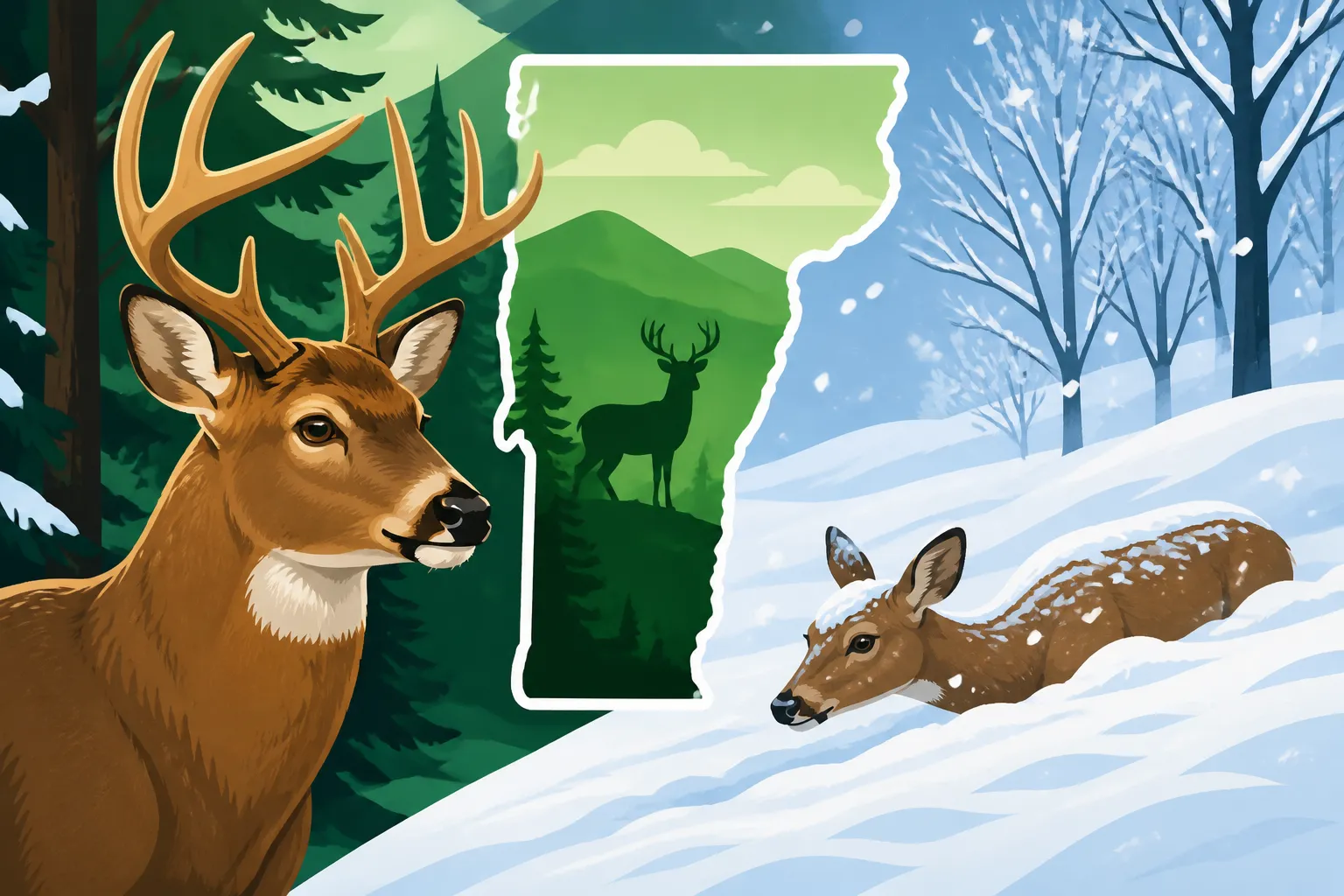
Navigating the Green Mountains and Champlain Valley in the depths of winter can be a truly breathtaking experience, but for Vermont's white-tailed deer, it's a brutal struggle for survival. Many hunters wonder how our deer manage to make it through months of snow and frigid temperatures, especially when those snowfalls just keep piling up. This guide dives deep into the profound impact that deep snow has on Vermont's deer population, revealing the challenges they face and the incredible strategies they employ to endure.
The Harsh Reality of Vermont Winters on Deer
There’s nothing quite like a fresh blanket of snow transforming our Vermont landscape into a pristine, silent wonderland. But beneath that beauty lies an existential challenge for our deer. It’s a reality that every hunter and outdoor enthusiast should understand, not just for the sake of the herd, but for appreciating the sheer resilience of these animals. When the mercury drops and the flakes start flying, deer enter a critical phase where their very existence hinges on a delicate balance of energy intake versus expenditure.
Energy Demands and Food Scarcity
During the milder months, deer are busy building up their fat reserves, packing on every ounce they can to prepare for the lean times ahead. This is their primary survival strategy. They become eating machines, gorging on lush browse, acorns, and agricultural crops. Come winter, those reserves are their lifeline. However, deep snow acts like a cruel gatekeeper, making those vital food sources incredibly difficult to reach. Imagine trying to browse on tender shoots or find fallen acorns when there’s two or three feet of snow covering everything. It’s not just about finding the food; it's about the energy it takes to even get to it. Every step through deep snow burns precious calories that they desperately need to conserve. The deeper the snow, the more energy expended, and the less available energy for crucial bodily functions, like staying warm. This is why you'll see them focus on the tips of branches, often stripped clean as high as they can reach, or pawing through thinner snow cover in sheltered areas.
The Critical Role of Deer Wintering Areas (DWAs)
When the snow gets serious, deer aren't just wandering aimlessly. They head for what we affectionately call "deer yards" or Deer Wintering Areas (DWAs). These are typically stands of dense conifer cover – think hemlock, spruce, and fir – that offer a haven from the worst of winter. The thick canopy intercepts a significant amount of snow, meaning the snow depth on the ground beneath is often considerably less than in open hardwoods. More importantly, these evergreens provide crucial thermal cover, shielding deer from biting winds and radiating cold. It's like finding a warm, sheltered apartment in the middle of a blizzard.
Within these yards, deer create an intricate network of trails, often called "runways" or "yarding trails," that allow them to move around with less energy expenditure. These trails become packed down, acting like miniature highways through the snow, making it easier to access what little browse is available. Without these vital areas, deer would be exposed to the full force of winter, battling deep snow and brutal winds constantly. Understanding these areas is key for any hunter, and tools like GoHunt can sometimes offer insights into terrain that might harbor these critical habitats, helping you to understand where deer might be concentrated. It's truly incredible to walk through one after a heavy snow and see the signs of deer life, a stark contrast to the drifts just outside its protective embrace. If you're keen to learn more about these fascinating havens, check out our guide on Vermont Deer Wintering Yards Explained.
How Deep Snow Directly Impacts Deer Survival
The challenges deer face due to deep snow aren't just about feeling cold or having to dig for food. It's a cascade of effects that impact every aspect of their winter survival, often with life-or-death consequences. When the snow piles up and stays, the toll it takes on the herd becomes painfully evident.
Mobility Challenges and Predator Vulnerability
Deep snow turns even a short walk into an exhausting marathon for deer. Their relatively small hooves aren't designed for floating over deep powder like a moose's wider stance, or for the broad strides of a coyote. Instead, they punch through, sinking with every step. This isn't just tiring; it makes them incredibly slow and vulnerable. A fawn, in particular, with its shorter legs, can barely move through snow that reaches its belly, let alone its chest.
This reduced mobility is a huge advantage for predators. A coyote, with its lighter build and often longer legs, can often travel more efficiently over crusted or deep snow, making it easier to run down a struggling deer. It’s a cruel numbers game in nature. We've often seen tracks in the snow where a deer, clearly struggling, has been pursued by a coyote, the deeper deer tracks telling a story of desperation. The ability to escape danger is severely hampered, increasing their susceptibility to predation. This plays a significant role in Vermont's Predator Impact on Fawn Recruitment, as young deer are often the first to succumb during harsh winters.
Nutritional Stress and Health Decline
As mentioned, deep snow makes finding food a monumental task. But it's not just the quantity of food; it's also the quality. By late winter, much of the preferred, nutrient-rich browse has been consumed, leaving only less palatable or less nutritious options. Even if a deer can reach a twig, it might not provide the caloric boost it needs. This prolonged nutritional stress begins to deplete those precious fat reserves that were built up in the fall.
When fat reserves are exhausted, a deer's body starts to metabolize muscle tissue for energy. This leads to a rapid decline in body condition, making them look gaunt and weak. Such weakened animals are not only more likely to succumb to starvation, but they also become far more susceptible to diseases and parasites that a healthy deer could easily fight off. It’s a vicious cycle where deep snow leads to food scarcity, which leads to energy depletion, which in turn leads to a compromised immune system and increased risk of mortality. This can have lasting effects on the overall Vermont Deer Herd Size for the following year.
Understanding Snow Depth Metrics and Deer Response
It’s not just if it snows, but how much and for how long that truly dictates the severity of winter for Vermont's deer. There are specific thresholds that biologists and seasoned hunters observe, where the struggle shifts from manageable to critical. Understanding these metrics helps us appreciate the monumental challenges faced by these animals.
Critical Snow Depths for Deer
For deer, even a foot of snow can make travel and browsing more challenging, forcing them to work harder. However, the truly critical period often begins when snow depths consistently exceed 18-20 inches (about 45-50 cm). At this point, movement becomes significantly hindered, especially for fawns and smaller does. When snow depths push past 24-30 inches (60-75 cm), it becomes a full-blown survival crisis outside of well-established deer yards. Any movement outside these compacted trails is incredibly taxing.
A brief heavy snowfall followed by a thaw or a crust that can support their weight might be a temporary hardship, but prolonged periods of deep, fluffy snow are the real killers. If the snow doesn't settle or crust over, and fresh powder keeps falling on top, the deer are essentially swimming through it constantly. This constant struggle burns through their energy reserves at an unsustainable rate. Think about trying to go for a casual walk in a foot of snow versus slogging through waist-deep drifts for hours on end – that’s the difference in impact for a deer. This kind of sustained, deep snow can severely impact Vermont Fawn Survival Rates, as their small bodies are least equipped to handle it.
Behavioral Adaptations in Deep Snow
Deer are not passive in the face of winter's wrath; they adapt with incredible ingenuity. Their primary strategy is energy conservation. As snow deepens, you'll notice a marked reduction in their activity levels. They move less, browse closer to their bedding areas, and spend more time lying down, sometimes even bedding in the snow itself to conserve warmth.
This conservation often means yarding up, as discussed earlier. Once in a deer yard, they'll create those vital trail networks. Imagine a circular path within the dense conifers, allowing them to access different pockets of browse without breaking new trail every time. They might even browse less preferred species just to keep some calories coming in. Sometimes, you'll see them "cratering" – plunging their heads into the snow to reach buried forage, though this is less common in very deep, fluffy snow. When scouting for deer sign in winter, these compacted trails within softwood stands are telltale indicators, and understanding how to read a Reading a Green Mountain Deer Yard is crucial. Using a mapping application like GoHunt can help identify areas with dense conifer stands, making it easier to predict where deer might yard up when the snow gets deep.
Long-Term Impacts and Management Implications
The immediate survival challenges posed by deep snow are just one piece of the puzzle. Severe winters can cast a long shadow over the deer population, influencing herd dynamics for years to come. This is why careful wildlife management considers these natural fluctuations closely.
Fawn Survival and Population Dynamics
Fawns are disproportionately affected by deep snow winters. Their smaller size, less developed fat reserves, and lower strength make them far more vulnerable to starvation and predation. A winter with consistently deep snow can result in significantly lower fawn survival rates. This, in turn, impacts what biologists call "recruitment" – the number of young deer that survive to become part of the breeding population in subsequent years.
If a winter is particularly harsh, the following hunting seasons might see fewer yearling bucks and does. This can lead to adjustments in antlerless permit allocations and other management strategies to help the herd recover. Understanding these dynamics is crucial for sustainable hunting in Vermont. For a deeper dive into how Vermont manages its deer, you might want to look into How Fish and Wildlife Counts the Deer Herd to see how these factors are assessed. A very tough winter might mean fewer deer in the woods when you're Scouting Vermont Public Land Before Season the following fall.
Habitat Management and Human Impact
Given the critical role of Deer Wintering Areas (DWAs), effective habitat management is paramount. Protecting existing conifer stands and promoting their growth in suitable areas ensures that deer have these vital refuges when winter hits. Logging practices that consider DWA preservation, or targeted plantings, can make a huge difference in buffering the herd against severe snow conditions.
Furthermore, human disturbance in DWAs during winter can be incredibly detrimental. Every time a deer is spooked and forced to flee through deep snow, it expends precious energy that it can ill afford to lose. This is why it's so important for hikers, snowmobilers, and even late-season hunters to be mindful of deer concentrations, particularly in known wintering areas. While the temptation to track a deer in fresh snow might be high, sometimes leaving them undisturbed in their winter sanctuary is the most responsible action. Even a careful approach for Hunting Into the December Muzzleloader Close needs to consider the energy conservation of wintering deer. This also touches on broader efforts to support wildlife, such as understanding Vermont Wildlife Rehabilitation for Injured Game in harsh conditions. Checking current snow depth and expected weather patterns on tools like GoHunt before heading out can help you make informed decisions about your impact on wintering deer.
Summary of Snow Depth Impacts on Deer Survival
Here's a quick look at how various snow depths typically affect Vermont's deer:
| Snow Depth Range | Impact on Deer Mobility | Primary Survival Challenge | Risk Level to Herd | Behavioral Response |
|---|---|---|---|---|
| 0-12 inches | Minimal hindrance | Minor energy expenditure | Low | Continued widespread movement, normal browsing patterns |
| 12-20 inches | Increased effort, especially for fawns | Energy conservation becomes more critical | Moderate | Begin seeking sheltered areas, move towards DWAs if available |
| 20-30 inches | Significant difficulty, "cratering" for food | Rapid depletion of fat reserves, increased predation risk | High | Heavy reliance on DWAs, reduced movement, trails established |
| 30+ inches | Extremely limited movement, high energy cost | Starvation, high fawn mortality, severe predator vulnerability | Critical | Minimal movement, sustained yarding, extreme energy conservation |
This table illustrates the escalating challenges as winter deepens and snow accumulates. It's a tough life for a Vermont whitetail, and the deep snow years truly test their mettle.
Disclaimer
This article is for general informational purposes only and does not constitute professional advice. Laws, prices and regulations vary by location and change over time. Consult a qualified professional for guidance on your specific situation.