Vermont Fawn Survival Rates
It’s a natural question for any hunter who spends time in the Vermont woods, especially after a particularly harsh winter or a season where you just didn't see as many deer as you'd hoped: "How are the fawns doing?" This isn't just curiosity; it's a deep-seated concern for the health of our deer herd and the future of hunting in our beautiful state. Understanding Vermont fawn survival rates means looking at a complex web of factors, from the moment they’re born to how our habitat and even our hunting practices play a role. This guide is here to shed some light on what influences these crucial survival numbers and what it all means for our whitetails.
The Critical First Weeks of a Vermont Fawn's Life
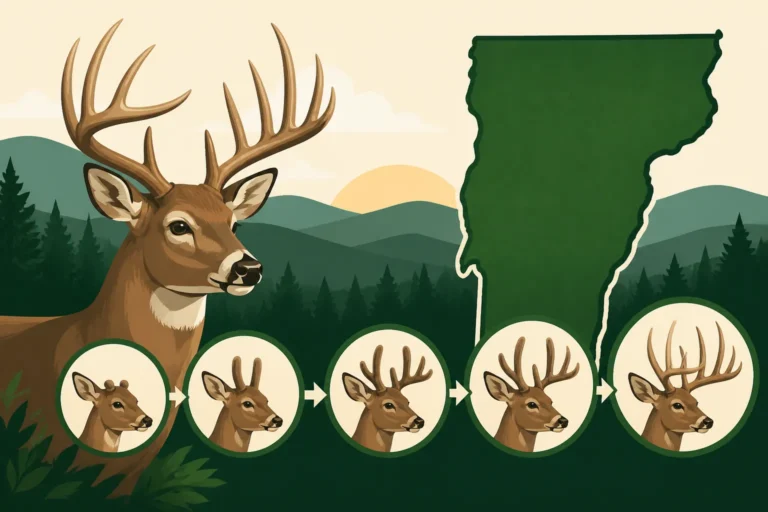
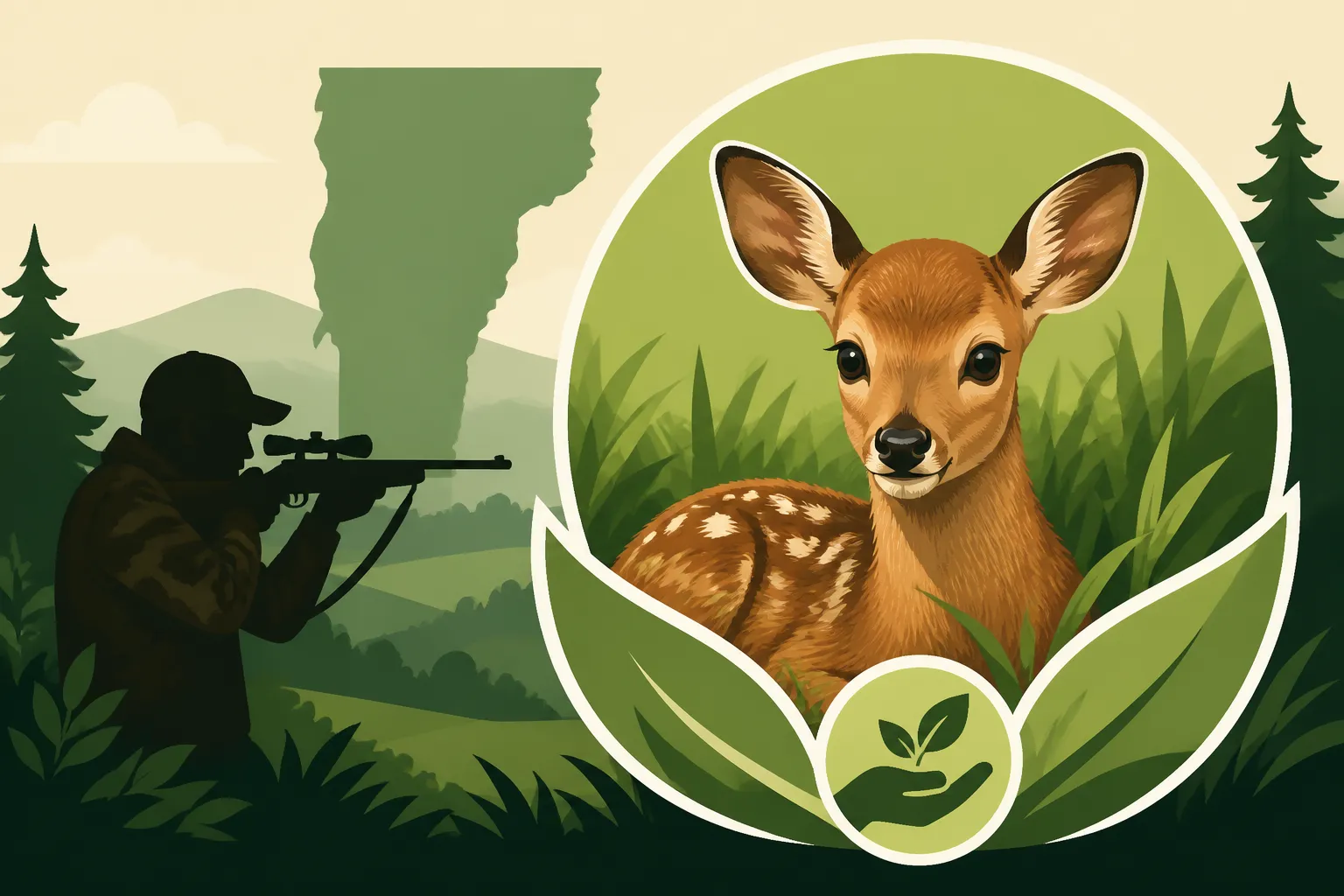
When you think about the circle of life in the Vermont woods, few things are as vulnerable and as vital as a newborn fawn. These tiny creatures, often just a few pounds at birth, represent the future of our deer herd, and their initial weeks are a true gauntlet of challenges. It’s a period where natural selection is incredibly swift and unforgiving, and the odds can feel stacked against them from day one.
Initial Challenges: Predators and Exposure
Imagine being born into a world where everything sees you as a potential meal, and the weather can turn from mild to menacing in a heartbeat. That’s the reality for a Vermont fawn. They are born small and, for their first few days, their mobility is extremely limited. They don't run from danger; they instinctively freeze, relying entirely on their dappled camouflage to blend into the dappled sunlight and shadows of the forest floor. This strategy is surprisingly effective against visual predators, but it’s no match for a nose to the ground.
Opportunistic predators are a constant threat. Coyotes, in particular, are incredibly efficient at locating and preying on fawns, especially during the peak fawning season in late spring and early summer. Even black bears, especially sows with cubs looking for easy protein, will take fawns if they stumble upon them. Beyond direct predation, accidental encounters can be devastating. A fawn bedded down in a hayfield might be tragically injured by farm machinery, or one crossing a road could become a statistic. Then there's the weather. A late spring cold snap, a prolonged period of heavy, cold rain, or sudden temperature drops can cause hypothermia in newborns. Their tiny bodies aren't yet efficient at regulating temperature, and even in relatively mild conditions, persistent dampness can be lethal. In the Green Mountains, where spring weather is notoriously unpredictable, these early environmental challenges are very real, and can quickly thin the ranks of the newest generation.
The Mother's Role: Nutrition and Defense
While the fawn is incredibly vulnerable, it's not without its first and most important line of defense: its mother. The doe's health and ability to provide for her offspring are paramount to Vermont Fawn Survival Rates. A doe that has come through the winter in good condition, with ample fat reserves, will be able to produce rich, nutrient-dense milk. This milk is absolutely crucial for rapid fawn growth in those critical first weeks. The faster a fawn grows, gaining strength and agility, the better its chances of outrunning or avoiding predators.
A healthy doe is also a more capable defender. While she typically keeps her fawns hidden, visiting only to nurse, she's constantly aware of her surroundings. If a predator gets too close, she might engage in a distraction display, attempting to lead the threat away from her hidden offspring. In some cases, a doe can even become aggressive, stomping or kicking to deter smaller predators. The sheer metabolic demand of nursing one, two, or even three fawns can be immense, stretching the doe's resources thin. If food is scarce, or if she's already weakened from a tough winter, her milk production might suffer, directly impacting the fawns' growth and overall vigor. So, when we talk about fawn survival, we're really talking about the overall health and resilience of the entire doe population.
Major Factors Influencing Fawn Survival in the Green Mountains
Vermont's diverse landscape, from the steep, timbered slopes of the Green Mountains to the rich agricultural valleys, presents a varied backdrop for deer populations. Fawn survival here is a dynamic interplay between many natural elements, constantly shifting with the seasons and environmental changes. It's never just one thing, but a whole host of conditions that determine how many of those spotted youngsters make it to their first winter.
Predator Pressure: Coyotes, Bears, and Beyond
In Vermont, the eastern coyote stands out as the most significant predator of fawns. These intelligent and adaptable canids are highly opportunistic, and fawns represent a relatively easy meal during their peak birthing season. Coyote populations are widespread across the state, from the deep woods of the Northeast Kingdom to the edges of the Champlain Valley's farmlands. Their presence is a constant pressure on newborn deer, and a strong coyote year can certainly mean a noticeable dip in fawn recruitment in certain areas. Understanding Vermont Coyote Range and Density helps us grasp this dynamic.
Black bears also contribute to fawn predation. While bears are often thought of as omnivores, they are certainly not above taking a fawn, especially during the spring when they emerge from dens hungry and vulnerable fawns are plentiful. Sows with cubs, in particular, will seek out protein-rich meals to support their growing offspring. The impact of bear predation can be more localized than coyotes, often concentrated in areas with higher bear densities or where other food sources are temporarily scarce. Other predators, like bobcats, also exist in Vermont, but their impact on fawn populations is generally considered less significant than that of coyotes and bears. The delicate balance between predator and prey populations is a key piece of the fawn survival puzzle.
Habitat Quality and Food Availability
You can't have healthy deer without healthy habitat, and this is especially true for does raising fawns. Good habitat provides two essential ingredients: dense cover for hiding and abundant, nutritious forage for the lactating doe. Fawns need thickets, brush piles, tall grasses, and dense softwood stands where they can bed down and disappear from the sight of aerial and ground predators. Areas with fragmented cover or open woodlands offer far less protection.
Food availability, on the other hand, directly impacts the doe's ability to produce milk and her overall health. A landscape rich in diverse browse, forbs, and mast crops (like acorns and beech nuts) ensures does enter the fawning season in prime condition. A poor mast crop year, for instance, can mean does are in poorer shape going into winter, which then impacts their health and milk production the following spring, leading to lower fawn survival rates. The interplay of diverse timber stands, agricultural fields, and natural wetlands creates the mosaic of habitat crucial for supporting a thriving deer herd in Vermont. Hunting After a Poor Acorn Year can tell you more about this.
Weather Extremes and Disease
Vermont weather, as any resident knows, can be harsh and unpredictable. While fawns are born in late spring, a sudden cold snap combined with heavy rain can be lethal, as their thermoregulation isn't fully developed. Prolonged periods of unseasonable cold and wet weather can stress does and fawns alike, making them more susceptible to illness and less resilient to predation.
Beyond the immediate impact on fawns, severe winters significantly affect the overall health of the adult deer herd. A brutal winter with deep snow and prolonged cold temperatures can lead to significant winter kill, especially among younger deer and older does. Does that survive a tough winter will often be in poorer physical condition, meaning they'll have less energy for fawning and potentially less nutritious milk for their fawns. This trickle-down effect directly impacts subsequent fawn survival rates. Understanding How Deep Snow Affects Vermont Deer Survival is key here.
Disease, while less commonly a widespread, acute threat to fawns, can weaken the overall herd and indirectly impact survival. While Vermont proudly remains Vermont's CWD-Free Deer Herd, other ailments or parasites can stress deer. For instance, high parasitic loads, often exacerbated by dense deer populations or poor habitat conditions, can weaken does and make them less capable mothers. It's a subtle but important factor in the overall health equation for our whitetails.
How Hunters Can Understand and Impact Fawn Survival
As hunters, we are often the first to notice subtle changes in the deer herd. We spend countless hours in the woods, observing, learning, and developing a deep connection to the animals we pursue. This unique perspective gives us a crucial role in understanding and even influencing fawn survival rates. It's not just about pulling a trigger; it's about being informed stewards of the resource.
Observing the Herd and Reporting Sightings
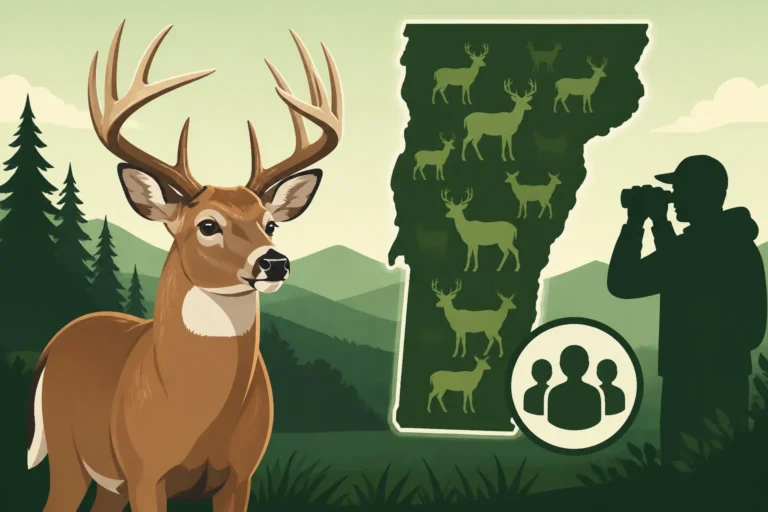
One of the most valuable contributions hunters can make is simply being observant. During your scouting trips, your early season hunts, and even just your everyday walks in the woods, pay close attention to the doe-fawn ratios you observe. Are you seeing many does with twins? Are single fawns more common? Are the fawns appearing healthy and robust, or do they seem small and thin for the time of year? These anecdotal observations, when aggregated across many hunters and many areas, paint a broader picture of herd health.
Furthermore, if you happen to encounter a sick, injured, or deceased deer—especially a fawn—reporting it to the Vermont Fish & Wildlife Department is incredibly important. These reports help biologists track disease outbreaks, understand localized predation impacts, or identify areas of habitat stress. Your eyes and ears in the field are an invaluable asset to wildlife management. Think of it as citizen science; every piece of information helps the professionals make better decisions for the herd. The more data they have, the better they can manage the resource we all cherish.
The Role of Antlerless Harvest in Population Management
It might seem counterintuitive to talk about harvesting does when discussing fawn survival, but a properly managed antlerless harvest is a cornerstone of healthy deer population management, which ultimately benefits fawn survival. When deer populations become too dense for the available habitat, competition for food and resources intensifies. This stress impacts the overall health of the does, leading to lower birth weights for fawns, reduced milk production, and a higher susceptibility to disease. These factors all contribute to lower fawn survival.
By issuing antlerless permits, the Vermont Fish & Wildlife Department aims to bring deer numbers into balance with the land's carrying capacity. Vermont's Dual Antlerless Permit Rule is a good example of how they manage this. Reducing the overall deer density can actually improve the health of the remaining deer, including the does. Healthier does produce healthier fawns that have a better chance of surviving their critical first year. It's about ensuring that the habitat can adequately support the number of deer present, leading to a more robust and resilient herd in the long run. So, while it can sometimes be a difficult decision, participating in antlerless harvest when permits are available is an act of responsible wildlife stewardship that helps secure the future of our deer.
Tools and Resources for Tracking Deer Health
In today's world, hunters have access to an incredible array of tools and resources that go far beyond just a map and compass. These modern aids can help us better understand deer movements, habitat use, and even contribute to our knowledge of critical factors like fawn survival rates. Leveraging these technologies and engaging with state wildlife agencies provides a deeper insight into the health of our deer populations.
Using Mapping and Data Platforms
Modern hunting requires modern tools, and mapping applications have become indispensable for serious hunters. Platforms like GoHunt, for example, aren't just for finding property lines or plotting your treestand locations; they can be powerful tools for understanding deer habitat in Vermont. You can use these platforms to identify areas with dense cover, which are crucial for fawns to hide from predators. Look for pockets of thick conifer stands, areas with dense regeneration from past logging, or natural brushy draws. These are the nurseries of our deer herd.
By overlaying different map layers, you can also pinpoint potential food sources for does, which, as we've discussed, directly impacts fawn health. Identifying mature mast-producing trees, accessible agricultural fields, or diverse browse areas can help you understand why certain areas might consistently produce more healthy fawns. While GoHunt may not give you a direct "fawn survival rate" button, its robust mapping and data capabilities allow you to analyze habitat in a way that informs your understanding of where fawns are likely to thrive. Coupling this with the ability to mark and track your own observations year after year builds a personal database of herd dynamics in your hunting areas. You can also explore options like Scouting With the Vermont Fish and Wildlife App for state-specific information.
Engaging with Vermont Fish & Wildlife Data
The Vermont Fish & Wildlife Department works tirelessly to monitor the state's deer herd, and they make a wealth of data available to the public. Regularly checking their reports and publications, often found on their website, is a fantastic way to stay informed. These resources provide official statistics on everything from Vermont Deer Population Estimate to harvest numbers, and increasingly, information about fawn recruitment. While they may not always give a precise "Vermont Fawn Survival Rates" percentage, they often publish data on fawn-to-doe ratios observed during summer surveys or at check stations, which are direct indicators of how many fawns are surviving.
Understanding this official data helps validate your own field observations and provides context. For example, if you're seeing fewer fawns in your hunting area, checking the state's regional reports might confirm a broader trend, or it might suggest a localized issue. This engagement with wildlife management data isn't just for biologists; it empowers hunters to be more knowledgeable and effective advocates for the resource. It’s about being an active participant in conservation, ensuring that the hunting heritage we cherish continues for generations to come. Reading a Vermont Harvest Report can teach you how to interpret some of these numbers.
Disclaimer
This article is for general informational purposes only and does not constitute professional advice. Laws, prices and regulations vary by location and change over time. Consult a qualified professional for guidance on your specific situation.