Cooking a Wild Turkey Breast
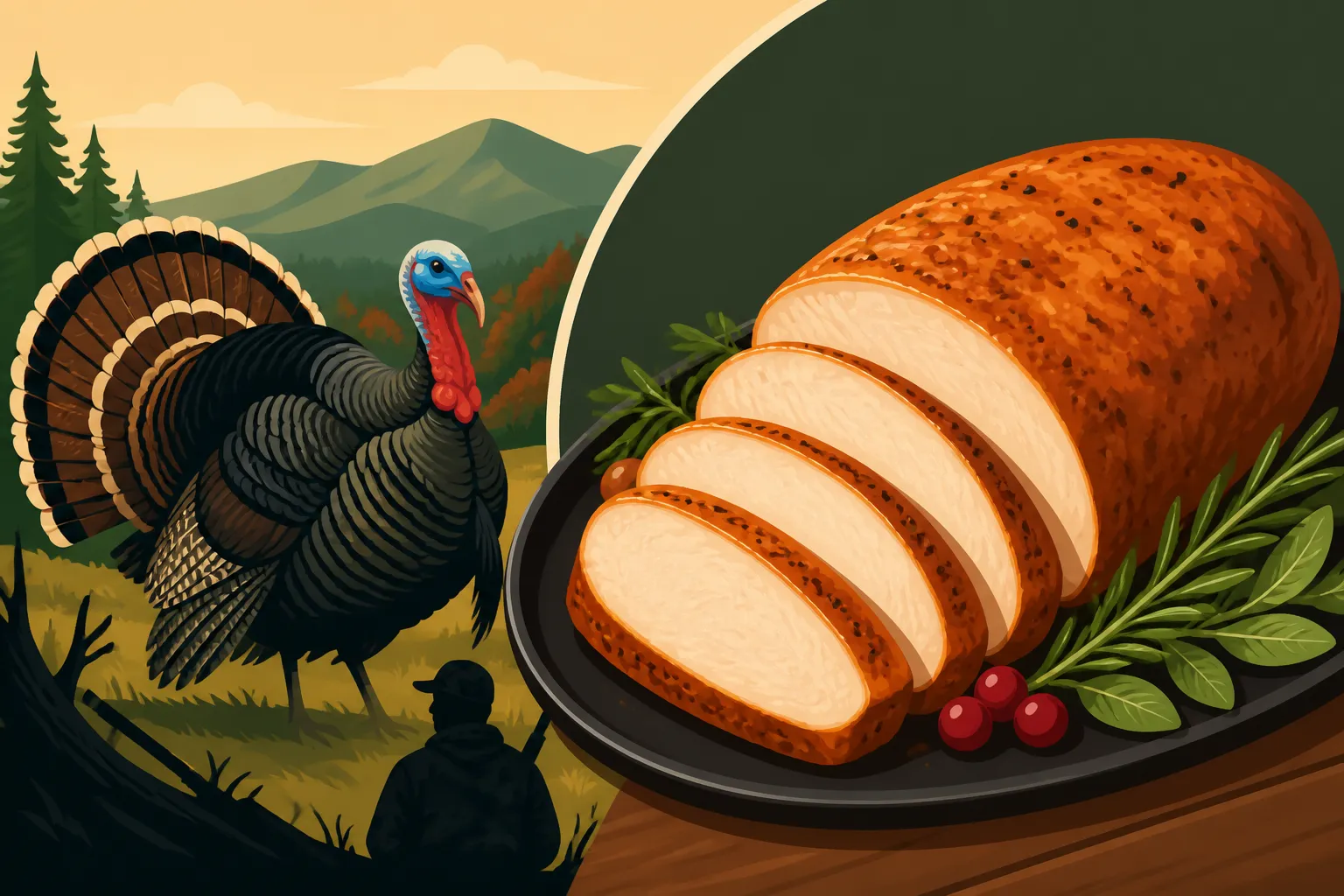
The biggest complaint I hear about cooking wild turkey breast is how quickly it can turn into dry, unappetizing shoe leather. After all the effort of scouting, calling, and harvesting your bird in the Vermont woods, nobody wants to ruin that hard-earned meat in the kitchen. This guide is all about transforming your hard-won wild turkey breast into a tender, flavorful meal that will have even the skeptics asking for seconds, ensuring your table truly reflects the success of your hunt.
The Foundation: From Field to Flavorful Feast
The journey to a delicious wild turkey breast begins long before you even step into the kitchen. The care you take in the field and the initial steps of preparation are absolutely critical. Neglecting these early stages can undo all your efforts later, leaving you with that dreaded dry result, no matter how skilled you are with a skillet. Think of it as building a solid foundation for your culinary masterpiece.
Immediate Field Care and Why It Matters
Let's be honest, after you’ve successfully brought down a gobbler, especially after a challenging hunt like Calling an Early May Gobbler Off the Roost or Working a Fall Flock Apart Statewide With a Bow, the last thing you're thinking about is meticulous meat preservation. But this is precisely where the difference between "okay" turkey and "amazing" turkey begins. Heat is the ultimate enemy of fresh game meat. Unlike store-bought poultry that's been processed in climate-controlled facilities, your wild bird has been exposed to ambient temperatures, which can quickly degrade the quality of the meat.
As soon as that bird is down, your priority should be rapid cooling. This means getting the breast meat, and any other parts you intend to keep, out of the bird as quickly and cleanly as possible. Many hunters opt to breast out their turkeys right in the field, leaving the rest of the carcass. This minimizes the thermal mass, allowing the meat to cool down much faster. If you plan to take the whole bird, eviscerate it immediately to allow body heat to escape. You'd be surprised how much warmth a freshly harvested bird retains, even on a cool Vermont spring morning. Don't just toss it in the back of the truck, especially if you have a long drive home.
Once the meat is separated, protect it. Even a small amount of dirt, pine needles, or debris can introduce bacteria that will affect flavor and shelf life. Place the breast in a clean game bag or a breathable cloth bag, then get it into a cooler packed with ice. It's not enough to just put it on the ice; the goal is for the meat to be surrounded by it, bringing the internal temperature down rapidly. This critical step sets the stage for tenderness and ensures that the meat you bring home is as fresh and clean as possible, ready for further preparation.
The Critical Role of Brining
Wild turkey is notoriously lean. Unlike domestic turkeys bred for fat content and rapid growth, a wild bird lives a life of constant activity, foraging, flying, and battling the elements in places like the dense timber and open fields found across Vermont, from the Champlain Valley to the Northeast Kingdom. This leanness, while a testament to its wild origins, means it has very little intramuscular fat to keep it moist during cooking. This is where brining becomes your best friend and, frankly, a non-negotiable step for a truly tender wild turkey breast.
Brining works its magic through osmosis. When you submerge the turkey breast in a saltwater solution, the salt denatures the proteins in the muscle fibers, allowing them to absorb and hold onto more moisture. This isn't just about adding water weight; it’s about physically changing the meat's structure so it retains moisture during the heat of cooking, preventing that dry, tough outcome everyone dreads. Beyond moisture, brine also infuses flavor deep into the meat, ensuring that every bite is seasoned from the inside out.
A basic brine is simple: a ratio of salt and sugar to water. A good starting point is about 1/2 cup of kosher salt and 1/4 cup of brown sugar per gallon of water. You can then elevate this basic solution by adding aromatics. Think fresh herbs like thyme, rosemary, or sage, crushed garlic cloves, sliced onions, or citrus peels. Bay leaves, peppercorns, or a dash of your favorite hot sauce can also add layers of flavor. Submerge the turkey breast completely and refrigerate it. For an average-sized breast, 4-6 hours is often sufficient, but for larger, thicker portions, you might go up to 8-12 hours. Don't over-brine, as it can make the meat too salty or give it a somewhat rubbery texture. After brining, rinse the breast thoroughly under cold water and pat it completely dry before cooking. This helps achieve a nice sear on the outside.
Mastering the Cook: Methods for Tenderness
Once your wild turkey breast is properly brined and dried, you're ready to cook. But even with the best preparation, the wrong cooking method or technique can still lead to a disappointing result. Wild game cooks differently than domestic meat, and understanding how to apply heat to this lean protein is key to unlocking its full potential.
Pan-Searing to Perfection
Pan-searing is an excellent method for smaller wild turkey breasts, or if you've sliced a larger breast into cutlets or medallions. The beauty of pan-searing is the crust it creates, a beautiful golden-brown exterior packed with flavor, while allowing the interior to remain tender and juicy. This method is quick, making it perfect for a weeknight meal after you've used GoHunt to scout out new areas for next season and realize it's already getting late.
The technique requires a screaming hot pan and a good quality oil with a high smoke point, like avocado, grapeseed, or even clarified butter. Start by adding a tablespoon or two of oil to your heavy-bottomed skillet – cast iron or stainless steel works wonderfully – and let it get shimmering hot, almost to the point of smoking. Carefully place the turkey breast or cutlets into the hot pan, ensuring you don't overcrowd it. If you put too much meat in at once, the temperature of the pan will drop, and you'll end up steaming the meat instead of searing it, missing out on that coveted crust.
Sear each side for 3-5 minutes, depending on thickness, until deeply golden brown. If your breast is particularly thick, you might finish it in a preheated oven (around 350°F or 175°C) for another 5-10 minutes until it reaches an internal temperature of 160-165°F (71-74°C). Always use a meat thermometer. Once cooked, transfer the turkey to a cutting board, tent it loosely with foil, and let it rest for at least 5-10 minutes. This resting period is crucial; it allows the juices, which have been driven to the center by the heat, to redistribute throughout the meat, resulting in a much juicier final product.
Roasting for Juicy Results
Roasting is a fantastic choice when you have a whole, intact wild turkey breast and want to prepare a more substantial meal, perhaps reminiscent of a Sunday dinner. The key to roasting lean wild turkey without drying it out is to either cook it relatively quickly at a higher temperature, or to employ strategies that add moisture and fat.
One popular approach is to roast it at a medium-high temperature, say 375-400°F (190-205°C). Before roasting, consider wrapping the breast in bacon or prosciutto. This adds a crucial layer of fat that bastes the turkey as it cooks, preventing the exterior from drying out while imparting incredible flavor. Alternatively, you can place the breast in a shallow roasting pan with a small amount of chicken or vegetable stock at the bottom, creating a humid environment. Some cooks will also baste the turkey every 15-20 minutes with melted butter or pan drippings.
Always use a reliable meat thermometer inserted into the thickest part of the breast, avoiding bone. You're aiming for an internal temperature of 160-165°F (71-74°C). Once it hits this mark, pull it from the oven immediately. The residual heat will continue to cook the meat for a few minutes, bringing it up to a safe final temperature. Just like with pan-seared turkey, resting is non-negotiable. Tent it with foil and let it sit for at least 10-15 minutes before slicing. This allows the fibers to relax and reabsorb juices, ensuring a tender and moist experience. You can even use a similar approach if you're exploring different game species and considering methods like Aging Venison in Cold Weather, where proper handling leads to superior taste.
Grilling Without Drying Out
Grilling wild turkey breast can be a revelation, offering a smoky flavor and beautiful char marks, but it also presents a significant challenge due to the meat's leanness. High, direct heat can quickly turn those precious turkey fibers into dry, stringy strands. The secret lies in a two-zone grilling approach and the judicious use of marinades.
Before grilling, a good marinade is your best friend. Acidic ingredients like lemon juice, vinegar, or even buttermilk, combined with oil and herbs, will not only add flavor but also help tenderize the meat slightly. Aim for at least 30 minutes to an hour of marinating, but don't go much longer than 4-6 hours with highly acidic marinades, as they can start to "cook" the meat and change its texture. When you’re ready to grill, ensure your grates are clean and well-oiled to prevent sticking. Many hunters find platforms like GoHunt invaluable for tracking weather and planning their entire hunting and cooking process, even down to which days are best for grilling outdoors.
Set up your grill for two zones: one side with direct, high heat and the other with indirect, lower heat. Start by searing the turkey breast over direct heat for 2-3 minutes per side, just long enough to get those beautiful grill marks and a flavorful crust. Then, move the breast to the indirect heat zone, close the lid, and let it finish cooking slowly until it reaches an internal temperature of 160-165°F (71-74°C). This allows the interior to cook through gently without overcooking the exterior. Again, pull it off early and let it rest. When slicing, always cut against the grain. This shortens the muscle fibers, making each bite more tender and easier to chew, no matter how much effort you put into getting your Vermont Turkey Roost Tree Preferences mapped out.
Beyond the Basics: Elevating Your Wild Turkey
Once you've mastered the fundamentals of field care, brining, and cooking methods, you can truly unleash the potential of your wild turkey. This isn't just about avoiding dry meat anymore; it's about creating memorable dishes that celebrate the unique flavor of the bird and the effort you put into harvesting it.
Creative Flavor Profiles and Marinades
Wild turkey breast is a fantastic canvas for a wide array of flavors. Its mild, slightly gamey taste pairs well with both bold and delicate seasonings. Don't be afraid to experiment beyond the traditional salt and pepper. Think about what flavors you love in other lean proteins and adapt them here. For instance, a lemon-herb marinade (lemon juice, olive oil, garlic, rosemary, thyme) offers a bright, Mediterranean profile that truly enhances the turkey without overpowering it.
You can also explore Asian-inspired marinades with soy sauce, ginger, garlic, and a touch of sesame oil, or create spicy rubs with chili powder, cumin, paprika, and a pinch of cayenne for a Southwestern flair. Remember that acidic components, whether from citrus, vinegar, or even yogurt, not only add flavor but also help tenderize the meat by breaking down some of the tough fibers. Marinating for a few hours with these ingredients can make a noticeable difference in both taste and texture, giving you a chance to reflect on the Vermont Spring Turkey Harvest Numbers or Vermont Fall Turkey Harvest Numbers while you wait.
Another approach is to stuff the breast. Butterfly a large breast, fill it with a mixture of breadcrumbs, herbs, chopped mushrooms, and perhaps some cheese, then roll it up and secure it with butcher's twine. Roast or bake this for a truly impressive presentation and a burst of flavor in every slice. From field dressing tips, which can be found in resources like Butchering a Deer at Camp, to these creative kitchen techniques, a comprehensive approach ensures every step is covered.
Pairing with Vermont's Bounty
One of the greatest joys of harvesting wild game is connecting it to the land, and what better way to do that than by pairing your wild turkey with ingredients sourced right from Vermont? Our state is rich with fresh produce and unique flavors that can elevate your turkey dishes. Imagine a meal where every component speaks to the local landscape.
Consider the crisp sweetness of Vermont apples, which pair beautifully with turkey. You could slice apples and onions, toss them with a touch of maple syrup (another Vermont staple!), and roast them alongside your turkey breast. The apples will caramelize, and the onions will soften, creating a sweet and savory complement. Or, think about incorporating robust root vegetables like carrots, parsnips, and potatoes, roasted with herbs for a hearty, comforting meal. Wild rice or even foraged mushrooms (if you’re confident in your identification skills) can further ground your dish in the essence of the Vermont wilderness.
For a true taste of Vermont, try a maple-glazed turkey breast. A simple glaze made from pure maple syrup, a touch of Dijon mustard, and a splash of apple cider vinegar brushed on during the last 10-15 minutes of roasting creates a beautiful crust and irresistible sweetness. Serve it with a side of seasonal greens or a wild rice pilaf for a meal that feels both gourmet and grounded in the local terroir. When planning such a feast, a good mapping tool, like the kind available through GoHunt, can help you visualize your hunting grounds and the bounty they offer.
Leftovers Transformed
Even if you've done everything right and cooked your wild turkey breast to perfection, sometimes you're left with a bit more than you can eat in one sitting. Don't let those precious leftovers go to waste, and certainly don't let them dry out in the back of the fridge. The key to delicious turkey leftovers is to transform them into something new, often by reintroducing moisture or breaking the meat down.
Shredded turkey breast is incredibly versatile. It can be tossed with barbecue sauce for pulled turkey sandwiches, mixed with mayonnaise, celery, and cranberries for a delightful turkey salad, or added to tacos or burritos with your favorite fixings. Imagine a warm, hearty turkey chili on a cold Vermont evening, or a savory turkey pot pie, using the leftover meat combined with vegetables and a creamy sauce.
Another excellent option is to use the shredded turkey in pasta dishes or casseroles, where the other ingredients and sauces help keep the meat moist. You can even create a rich turkey soup, using any pan drippings or a good quality stock as a base, adding noodles or rice and plenty of vegetables. These transformations not only prevent food waste but also offer a second opportunity to enjoy the fruits of your labor in the field. After all the effort you put into pursuing Wild Turkeys in Vermont, every last bit of that bird deserves to be savored.
Here’s a quick overview of how different cooking methods stack up for wild turkey breast:
| Cooking Method | Best For | Key Benefit | Common Challenge | Tip for Success |
|---|---|---|---|---|
| Pan-Searing | Cutlets, smaller breasts | Quick, creates a flavorful crust | Easy to dry out | High heat, don't overcrowd, rest |
| Roasting | Whole breasts | Good for larger meals, less hands-on | Can become dry | Wrap in bacon, baste, use thermometer |
| Grilling | Marinated breasts, cutlets | Smoky flavor, char marks | Very easy to dry out | Two-zone heat, quick sear then indirect |
| Braising | Tougher cuts, shredded | Extremely tender, moist | Longer cook time | Low and slow in liquid |
Remember, successful cooking of wild turkey breast is an art, but it's an art built on science and good practices. From the moment the bird is harvested, through its preparation and cooking, each step contributes to the final, delicious result. Enjoy the process, experiment with flavors, and savor every bite of that hard-earned meal. It's truly among the Best-Eating Game in Vermont.
Disclaimer
This article is for general informational purposes only and does not constitute professional advice. Laws, prices and regulations vary by location and change over time. Consult a qualified professional for guidance on your specific situation.