Vermont Fall Turkey Harvest Numbers
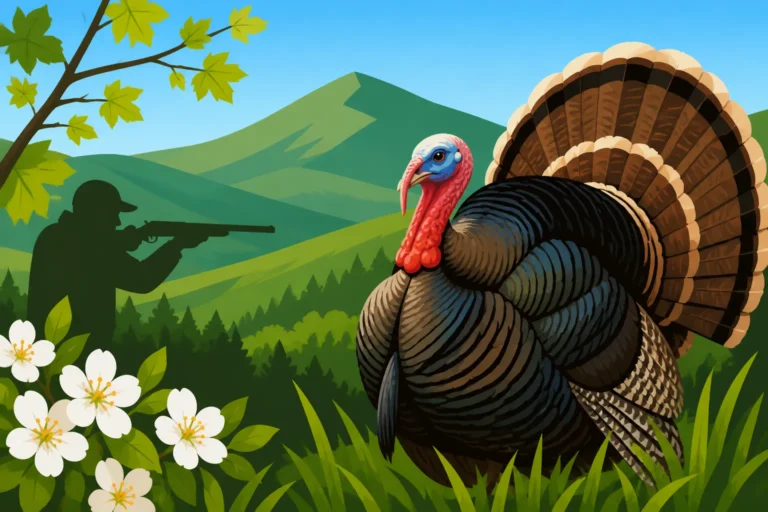
Trying to make sense of Vermont's fall turkey harvest numbers can sometimes feel like trying to track a flock of birds through a thick cedar swamp—a bit disorienting if you don't know what you're looking for. It's easy to get lost in the raw data, wondering what it really means for your next hunt. This guide is all about helping you decode those numbers, understand the underlying factors, and ultimately use that knowledge to sharpen your fall turkey hunting strategies here in the Green Mountain State.
Understanding Vermont's Fall Turkey Hunting Landscape
Fall turkey hunting in Vermont is a beast of its own, quite different from the high-adrenaline, vocal duels of the spring season. Instead of eager gobblers strutting into decoys, you’re often dealing with family flocks—hens, jakes, and sometimes a mature tom or two—that are much more focused on finding food and staying safe. The whole dynamic shifts from calling a breeding bird to scattering a feeding flock and attempting to call them back together. This fundamental difference means that success in the fall often hinges on different skills and a deeper understanding of the birds' seasonal habits and the terrain they inhabit.
The rewards, however, can be just as satisfying, if not more so, for the dedicated hunter. There's a certain satisfaction that comes from outsmarting an entire flock, breaking them up, and then patiently waiting for them to regroup, listening to their distinct assembly calls. It’s a game of chess, not checkers, and the fall harvest numbers reflect these unique challenges and the success, or sometimes the struggle, of Vermont hunters in adapting to them.
The Nuance of Fall Hunting Seasons
Vermont's fall turkey hunting opportunities are a bit more varied than spring, with different rules and regulations depending on the weapon you choose and where you decide to hunt. We have a statewide archery season that often runs for a good stretch, offering plenty of time for bowhunters to get out there. Then, there are specific Wildlife Management Units (WMUs) that allow shotgun hunting for fall turkeys, which can significantly change the local dynamics. Understanding these nuances is crucial because a higher harvest number in a shotgun-legal WMU might not mean more birds overall, but simply that more hunters are using a different, perhaps more effective, method for fall flocks in that area.
For instance, the ability to utilize a shotgun in certain WMUs can lead to a more effective harvest, especially if birds are wary or in dense cover where a bow shot might be difficult. The season structures and allowable weapons create distinct harvest patterns that aren't just about bird abundance. It's important to know the specific regulations for your chosen area; for a deeper dive, check out Vermont Fall Turkey WMU Rules. These varied opportunities mean harvest numbers need to be interpreted with an eye toward the specific conditions under which they were achieved.
Factors Influencing Overall Turkey Populations
Before we even look at harvest numbers, it's vital to remember that the health of the overall turkey population significantly impacts how many birds hunters can expect to take. Several environmental factors play a huge role in how many turkeys make it to fall, particularly the success of the spring hatch and the survival of young poults through the summer. Good mast crops—like acorns and beechnuts—provide abundant food, which means birds are healthy, well-fed, and often more dispersed across the landscape. Conversely, a poor mast year can concentrate birds around limited food sources, making them easier for hunters to locate, but potentially indicating stress on the population.
Weather patterns, particularly during nesting and brood-rearing, are another massive piece of the puzzle. Cold, wet springs can decimate poult survival, leading to fewer birds later in the year. Predation also takes its toll, with everything from coyotes to raccoons preying on eggs and young birds. These factors collectively determine the overall Vermont Turkey Population Estimate and, subsequently, how many birds are available for harvest come fall. A strong hatch year means more jakes and hens are available, which naturally boosts the potential for higher harvest numbers across the state.
Decoding Vermont's Fall Turkey Harvest Data
The fall turkey harvest numbers from the Vermont Fish and Wildlife Department are more than just a tally; they’re a snapshot, a historical record that can reveal trends and provide insight into regional success. But like any data, they need to be interpreted carefully. A high harvest number in a particular year or WMU isn't always a direct indicator of a booming population. It could mean more hunters were out, the weather conditions were perfect for hunting, or even that birds were concentrated due to specific food availability. Conversely, a lower harvest doesn’t necessarily signal a population crash; it might simply mean difficult hunting conditions, lower hunter participation, or birds that were particularly elusive that season.
What these numbers do tell us, when viewed over several years, is how stable or fluctuating the turkey population might be in a given area, and how successful hunters have been in capitalizing on those opportunities. They offer a general baseline and can highlight areas that consistently produce or those that seem to be on a downturn. The key is to look for patterns and correlations rather than just focusing on a single year's total. It’s about understanding the "why" behind the numbers, not just the "what."
Statewide Trends vs. Local Hotspots
When you look at the official harvest reports, you'll often see statewide totals for fall turkey. These numbers give you a broad overview, showing whether the state as a whole had a good or slow season. For example, a statewide decrease might suggest a poor brood year across many areas, or challenging hunting conditions overall. However, these broad strokes can be misleading if you're planning a hunt for a specific region. A general downward trend statewide doesn't mean every WMU performed poorly. There are always local hotspots, pockets of excellent habitat, or areas with less hunting pressure where success rates remain high.
Conversely, a decent statewide average can mask struggling populations in certain WMUs. This is where diving into the WMU-specific data becomes incredibly valuable. Platforms and tools that allow you to layer harvest data with habitat maps, like GoHunt, can be invaluable for identifying these localized patterns. You might find that while the Champlain Valley had a moderate year, a particular WMU in the Northeast Kingdom saw exceptional numbers due to abundant beechnuts and favorable weather. Focusing solely on the overall state number can cause you to miss these crucial local insights, and understanding these differences can be a game-changer for your hunting plans. To truly understand the story the numbers tell, you need to read the Reading a Vermont Harvest Report carefully and dissect the local details.
The Role of Hunter Participation and Effort
One of the often-overlooked variables when examining fall turkey harvest numbers is hunter participation and effort. It stands to reason that if more hunters are out in the woods, or if hunters are spending more days afield, the total harvest numbers are likely to be higher, even if the actual turkey population density hasn't changed dramatically. Think about it: during periods of high gas prices or other economic stressors, hunter numbers might dip, leading to a lower harvest even if the birds are plentiful. Conversely, a particularly mild fall or a surge of new hunters might drive participation up, resulting in a higher take.
The relationship between hunter effort and success is a complex one. The Vermont Fall Turkey Bag Limit is fairly generous for residents, allowing hunters to take multiple birds if they meet the criteria, which also impacts total numbers. It's not just about how many tags are sold, but how many people are actually in the woods, how many days they hunt, and how skilled they are. A seasoned hunter might consistently fill their tags even in a "down" year, while a novice might struggle even in a year with high bird numbers. So, while harvest data reflects what hunters took, it’s always influenced by who was hunting and how much they hunted.
Practical Application: Using Harvest Data for Your Hunt
So, you've looked at the reports, you've parsed the statewide numbers from the WMU specifics, and you understand the factors influencing them. Now what? The real value of fall turkey harvest numbers comes from applying that knowledge to your actual hunting plans. It’s not just a historical accounting; it’s a roadmap, a guide that can inform your scouting efforts, help you choose a hunting area, and even suggest what tactics might be most effective. Think of it as doing your homework before the big test—the more you know about where the birds have been harvested in the past, the better equipped you are to find them in the present.
The data can help you narrow down vast tracts of public land, allowing you to focus your precious time on areas with a proven track record. It can also help you understand seasonal shifts; perhaps a particular WMU shows a strong early fall harvest but drops off later in the season, suggesting birds either move or become more pressured. Using this information isn't about guaranteeing success, but about stacking the odds in your favor by making informed decisions based on observed trends.
Researching WMU-Specific Success Rates
This is where the rubber meets the road. Instead of just looking at the big picture, you need to drill down into the specific Wildlife Management Units. The Vermont Fish and Wildlife Department often provides reports broken down by WMU, which is gold for hunters. A WMU that consistently shows higher fall turkey harvest numbers year after year should certainly pique your interest. It suggests a healthy population in that area, good habitat, or perhaps less hunting pressure compared to other zones. This doesn't mean you should ignore areas with lower numbers, but it gives you a starting point for your research.
When examining these WMU reports, consider looking at the trends over a few years, not just the most recent season. Is a WMU consistently performing well? Are the numbers showing an upward or downward trend? This data, when coupled with a good mapping system, can direct your scouting efforts to the most promising locations. For example, if you see high harvest numbers in WMUs that allow Hunting the Fall Shotgun-Legal WMUs, and you're planning to use a scattergun, that's valuable intelligence. Tools like the Fish and Wildlife Department's online mapping resources or even commercial apps like GoHunt can help you visualize these WMUs and overlay them with terrain features, making your pre-season scouting much more efficient.
Connecting Harvest Numbers to Habitat and Conditions
Understanding harvest numbers isn't just about drawing lines on a map; it's about connecting those lines to the actual environment. For instance, if a particular year had a bumper crop of acorns, and you see high harvest numbers in WMUs known for oak forests, that's not a coincidence. Turkeys will gravitate to abundant food sources. Conversely, if there was a poor mast year, birds might concentrate around other food sources, like agricultural fields, which can also influence harvest success. This connection between food availability, bird distribution, and harvest numbers is vital for developing effective strategies.
When you're studying harvest reports, mentally (or physically, with a map) correlate those successful WMUs with their dominant habitat types. Do they have extensive hardwood ridges for mast? Are there agricultural fields that hold waste grain? This kind of analysis allows you to not only pick a promising WMU but also understand why it's promising, which then informs your scouting. Remember, Hunting After a Poor Acorn Year will look very different from hunting after a fantastic one, and the harvest numbers often reflect these environmental realities. If a WMU consistently produces, it's likely because it offers stable, quality habitat that supports a strong turkey population through various conditions.
Beyond the Numbers: Strategies for Fall Turkey Success
While harvest numbers are a fantastic tool for pre-season planning and understanding population trends, they are, at the end of the day, just numbers. They can guide you to the right general area, but they won't put a bird in your freezer. That still comes down to woodsmanship, adaptability, and executing solid hunting strategies in the field. Fall turkey hunting is a hands-on experience, requiring patience, stealth, and a keen understanding of turkey behavior outside of the breeding season.
The real challenge and joy of fall hunting lie in the interactive aspect—the calling, the breaking up of flocks, and the methodical pursuit of these intelligent birds. Use the harvest data to get yourself in the best possible position, but then rely on your skills, your knowledge of the terrain, and your ability to adapt to what the birds are doing on any given day. The numbers tell you where to start the search, but your hunting prowess will determine if you finish it.
Adapting Your Calling and Tactics for Fall Flocks
Unlike spring, where loud gobbler yelps and cutts often draw in a dominant tom, fall calling is usually much subtler and focuses on the social dynamics of the flock. The primary tactic is often to locate a flock, intentionally spook and scatter them, and then wait patiently for them to want to regroup. Your calling then shifts to soft "kee-kee" runs or "assembly calls" designed to mimic lost birds trying to find their way back to the flock. This can be incredibly effective, especially with younger birds or lonely hens looking for company. For an in-depth look at this, read Breaking Up a Fall Turkey Flock.
You might also use softer yelps and clucks to locate birds without alerting them, especially if you're still-hunting or trying to slip in close. The goal isn't necessarily to bring them running to a decoy, but to make them feel comfortable enough to come back together in your vicinity. Decoy use is less critical in fall than in spring, but a single hen decoy can sometimes provide that visual reassurance to a bird coming back to the assembly point. Remember, it's about being part of the flock's natural re-gathering process.
Scouting and Locating Fall Birds
Effective scouting is paramount for fall turkey success, and it goes hand-in-hand with understanding harvest numbers and habitat. Once you've identified a promising WMU based on harvest data, your boots-on-the-ground effort begins. Fall birds are driven by food, so your scouting should heavily focus on identifying prime food sources. This means looking for areas with abundant mast, like oak ridges or beech groves. If it's a poor mast year, shift your focus to agricultural fields—corn, soybeans, even hayfields where insects might still be plentiful. Birds will often feed in these areas in the mornings and evenings.
Beyond food, look for signs of recent turkey activity: tracks in the mud, droppings, dusting bowls, and shed feathers. Roosting areas are also key, often found in tall pines or hardwoods overlooking a valley or water source. Spending time pre-season with mapping apps (GoHunt and similar services offer excellent aerial and topographic views) can help you identify potential travel corridors, roosting spots, and feeding zones. Then, walk those areas to confirm the sign. Understanding Vermont Turkey Roost Tree Preferences can give you an edge in locating these crucial areas. Being thorough in your scouting, combining it with the historical harvest data, and using tools to visualize the landscape, will put you a step ahead in Working a Fall Flock Apart Statewide With a Bow.
Fall Turkey Hunting Season Characteristics Comparison
| Characteristic | Spring Turkey Hunting | Fall Turkey Hunting |
|---|---|---|
| Primary Target | Gobblers (breeding phase) | Family flocks (hens, jakes, adult toms) |
| Driving Behavior | Breeding, territoriality, mating | Food, social cohesion, survival |
| Common Tactics | Calling gobblers to decoys, ambush points | Locating flocks, scattering, calling back (assembly calls) |
| Primary Calls | Gobbles, aggressive yelps, cutts, purrs, clucks | Kee-kee runs, assembly yelps, soft clucks |
| Decoy Effectiveness | Often critical for visual appeal to gobblers | Less critical, sometimes useful for reassurance |
| Season Length | Shorter, intense windows | Longer, more varied (archery, shotgun in specific WMUs) |
| Food Focus | Less critical (gobblers focused on breeding) | Highly critical (mast, waste grain, insects) |
| Hunter Noise | Can be detrimental; quiet approach is key | Less sensitive if scattering a flock; stealth still vital |
Disclaimer
This article is for general informational purposes only and does not constitute professional advice. Laws, prices and regulations vary by location and change over time. Consult a qualified professional for guidance on your specific situation.