Vermont Common Loon Population
For many of us who cherish Vermont's wild spaces, there's nothing quite like the haunting, ethereal call of a common loon echoing across a still lake at dawn or dusk. It’s a sound that instantly transports you to the heart of the wilderness, a true symbol of our state's untouched beauty. But sometimes, it feels like we hear that call less often, or worry about what the future holds for these magnificent birds. This guide will dive deep into the fascinating world of Vermont's common loon population, exploring their current status, the challenges they face, and how all of us, from seasoned hunters to casual lake-goers, can play a part in their continued survival.
The Majestic Common Loon: A Symbol of Vermont's Wilderness
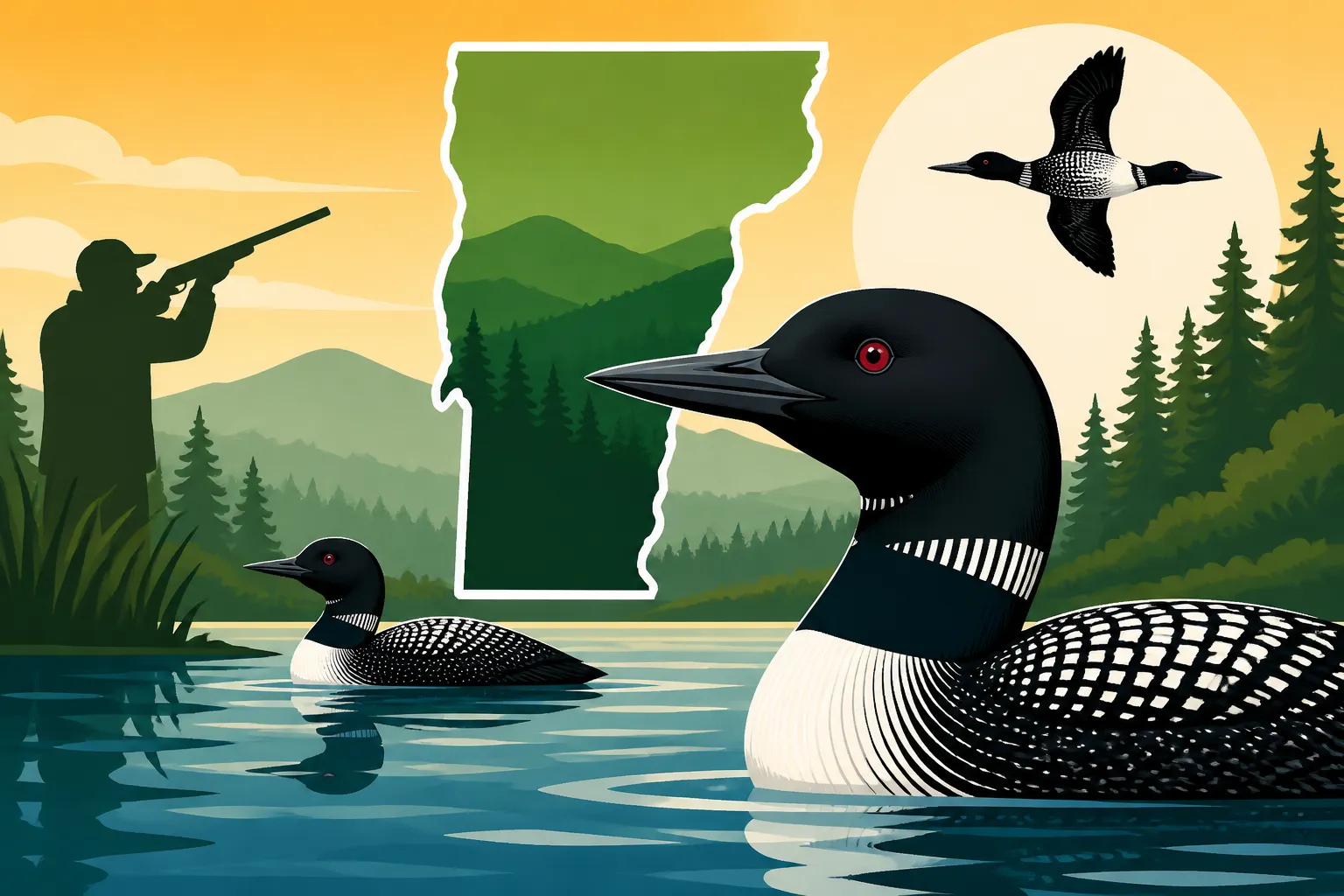
The common loon (Gavia immer) is more than just a bird; it's an icon. Its sleek, black-and-white plumage, piercing red eyes, and distinctive yodels and wails have made it a beloved symbol of wild, clean waters across North America. Here in Vermont, loons embody the serene yet wild spirit of our lakes and ponds, particularly in the quieter corners of the Northeast Kingdom and across the vastness of Lake Champlain.
Why Loons Captivate Us
There's something inherently captivating about loons. Maybe it's their incredible diving ability, disappearing beneath the surface for what feels like an eternity, only to resurface far from where they went down. Perhaps it's their devoted parenting, with chicks often riding on their parents' backs, a tiny, fuzzy testament to the cycle of life on the water. Their calls, though, are arguably their most famous trait. The tremolo, often associated with alarm or anxiety, can send shivers down your spine. The wail, a long, drawn-out cry, is more of a contact call between loons, especially at night. And then there's the yodel, typically sung by the male, often marking territory or asserting dominance. These sounds weave themselves into the fabric of our Vermont summers, reminding us of nature's profound beauty.
Beyond their aesthetic appeal, loons play a vital ecological role. As top aquatic predators, they are indicators of ecosystem health. A healthy loon population often signals clean water, ample fish, and relatively undisturbed habitats. When loons struggle, it's often a red flag that something deeper is amiss in our aquatic environments, impacting not just them, but potentially other species like Vermont Beaver Population and Damage or the fish we pursue.
A History of Concern and Conservation
Like many species, common loons faced significant challenges in the past. Historically, their populations suffered from habitat loss, pollution, and direct persecution. The industrial revolution brought widespread pollution, acid rain, and the introduction of harmful chemicals into waterways, all of which directly impacted loon health and reproductive success. Unregulated hunting in the past also took its toll, though this is thankfully no longer an issue.
It wasn't until growing public awareness and dedicated conservation efforts began that loon populations started to show signs of recovery. In Vermont, groups like the Vermont Center for Ecostudies and the Vermont Fish and Wildlife Department have been instrumental in monitoring loon numbers, identifying threats, and implementing strategies to help these birds thrive. It's a testament to what we can achieve when we come together, pooling resources and passion to protect our natural heritage.
Understanding Vermont's Common Loon Population Trends
If you've spent any significant time on Vermont's lakes, you've likely noticed that loons aren't everywhere, nor are they as numerous as, say, Canada geese. Their specific habitat requirements and reproductive strategies mean they occupy a unique niche. Understanding their population trends involves careful observation and scientific monitoring.
How Loons Are Monitored in Vermont
Monitoring loon populations is a dedicated effort, often relying on a combination of scientific surveys and invaluable citizen science. The Vermont Fish and Wildlife Department, alongside partners like the Vermont Center for Ecostudies, conducts annual surveys, particularly focusing on nesting pairs and chick production. These surveys typically involve trained biologists and volunteers systematically scanning lakes and ponds, counting adults, nests, and most importantly, the number of chicks that successfully fledge (survive to flight).
These efforts often involve early morning boat trips, observing loons from a distance to minimize disturbance. Specialized optical equipment is used to identify individual birds (sometimes through unique feather patterns or leg bands) and accurately count chicks. This long-term data collection helps biologists understand trends, identify problem areas, and assess the effectiveness of conservation strategies. It's a painstaking process, but absolutely essential for informed management. Folks passionate about the outdoors, like those who track game movements or use apps like GoHunt to analyze terrain, can appreciate the dedication it takes to gather such specific data.
Factors Influencing Loon Numbers
Loon populations are influenced by a complex web of environmental and human-induced factors.
- Nesting Success: Loons are particular about their nesting sites, often choosing secluded islands, coves, or floating platforms that offer protection from predators and human disturbance. Their nests are typically close to the water's edge, making them vulnerable to fluctuating water levels (both natural and human-controlled) and wake from boats. A single major storm or a boat speeding too close can destroy a nest, leading to a failed breeding season for a pair.
- Chick Survival: Even if chicks hatch, they face numerous perils. Predation by eagles, snapping turtles, and large fish is a constant threat. Exposure to cold weather, lack of food, and illness can also take a toll. Young loons are particularly susceptible to the impact of human disturbance, as repeated flushing from their feeding areas can stress them and their parents, hindering growth and development. The average pair may only successfully raise one chick to fledge every few years, so every chick counts.
- Food Availability: Loons primarily eat fish, so a healthy population of small to medium-sized fish is critical. Changes in fish populations due to overfishing, pollution, or invasive species can directly impact loon foraging success and chick survival. Lakes with a robust forage base tend to support healthier loon populations.
- Human Disturbance: This is perhaps one of the most significant challenges. Boaters, kayakers, jet skiers, and even shoreline development can disrupt nesting, feeding, and resting behaviors. Loons require quiet, undisturbed areas, especially during the crucial nesting and chick-rearing periods. Continual harassment can lead to pairs abandoning nests or chicks, or even leaving a lake entirely. Hunters looking for places to set up a stand might scout for Finding Ground Others Walk Past – loons are looking for that same peace and quiet on the water.
Current Population Status and Distribution
Thanks to decades of dedicated conservation efforts, the common loon population in Vermont has generally shown signs of stability, and even modest increases in some areas, after historical declines. Loons are predominantly found on larger, oligotrophic (nutrient-poor, clear water) lakes and ponds, typically with good fish populations and secluded nesting areas. The Northeast Kingdom, with its abundance of remote lakes and less shoreline development, is a stronghold for loon breeding pairs. Lake Champlain also supports a significant population, particularly in its quieter bays and islands.
While the overall trend is positive, it's not without its fluctuations and localized challenges. Some lakes might see a decline due to increased recreational use or shoreline development, while others, benefiting from active management and protection, might see gains. The goal of continuous monitoring, as seen in broader efforts like Vermont Wildlife Disease Monitoring Program, is to identify these localized issues and adapt conservation strategies accordingly, ensuring Vermont remains a vital habitat for these incredible birds.
Challenges and Conservation Efforts for Vermont Loons
Even with stable or increasing numbers, common loons in Vermont face ongoing threats that require constant vigilance and adaptation in conservation strategies. Many of these challenges are directly linked to human activities.
Threats Loons Face in Vermont
Loons, like many long-lived species, are susceptible to a range of environmental stressors. Understanding these threats is the first step toward mitigating them.
- Lead Tackle: This is a persistent and tragic problem. Loons ingest lead sinkers and fishing jigs, often mistaking them for small stones (which they consume to aid digestion) or inadvertently picking them up while feeding. Even a small piece of lead can cause lead poisoning, leading to neurological damage, paralysis, and ultimately death. It's a slow, painful process that accounts for a significant portion of adult loon mortality in some regions. This is why many states, including Vermont, have regulations or strong recommendations against using lead tackle. The message is clear: choose non-lead alternatives.
- Human Disturbance and Habitat Degradation: As more people seek recreation on Vermont's beautiful lakes, the pressure on loon habitats increases. Powerboats, jet skis, and even kayaks or paddleboards that get too close to nesting or chick-rearing areas can stress loons. Repeatedly flushing a nesting bird can expose eggs to predators or chilling temperatures. Harassing parents can separate them from their young, making chicks vulnerable. Hunting a Lake Champlain Marsh or other sensitive areas requires understanding the impact we have, and loons demand the same respect. Shoreline development, with its associated noise, light pollution, and removal of natural vegetation, also reduces suitable nesting and foraging habitat.
- Climate Change: While not always immediately obvious, climate change presents long-term challenges. Changes in water temperature can affect fish populations, impacting a loon's food source. More intense storms can lead to higher water levels, washing out nests built close to shore. Altered ice-out and freeze-up dates can also impact migration patterns and the availability of open water for foraging.
- Predation: Natural predators like eagles, raccoons, and snapping turtles can prey on loon eggs or chicks. While a natural part of the ecosystem, increased human activity can sometimes inadvertently increase predator access to nests if loons are repeatedly flushed.
What Vermont is Doing to Protect Loons
Vermont has a proactive approach to loon conservation, driven by both state agencies and dedicated non-profit organizations.
- Monitoring and Research: As mentioned earlier, robust monitoring programs track population numbers, reproductive success, and causes of mortality. This data informs management decisions and helps prioritize conservation efforts. Organizations like the Vermont Center for Ecostudies conduct extensive research, often involving banding loons to track individual movements and longevity.
- Lead Tackle Education and Regulations: The Vermont Fish and Wildlife Department actively educates anglers about the dangers of lead tackle and encourages the use of non-lead alternatives. While there are restrictions on lead tackle in certain sizes, the push is for widespread voluntary adoption of non-lead options to protect loons and other waterfowl, such as those covered by Vermont Waterfowl Zones and Seasons.
- Nesting Platform Programs: In areas where natural nesting sites are scarce or vulnerable, floating nesting platforms are deployed. These platforms, anchored in quiet coves, provide a stable, predator-resistant site for loons to build their nests. They are often highly successful, giving pairs a critical boost in reproduction.
- Public Education and Outreach: Signage on lakes, educational materials, and public presentations raise awareness about loon etiquette. This includes maintaining safe distances, reducing boat speeds near shorelines, and understanding the vulnerability of loons, especially during nesting season. This is similar to the education around broader conservation topics like Vermont's CWD Prevention Rules, ensuring public understanding and compliance.
- Habitat Protection: Efforts to conserve and restore shoreline habitat, protect water quality, and manage water levels also indirectly benefit loons by ensuring a healthy environment for them to thrive.
How Hunters and Outdoor Enthusiasts Can Help
Those of us who spend a lot of time outdoors – whether we're Hunting a Ridge-Top Saddle for Rutting Bucks, scouting new areas, or simply enjoying a paddle – often have a deep appreciation for wildlife. We are often the first to notice changes in the environment, and our actions can make a real difference for loons.
- Be Mindful on the Water: When you're fishing, boating, or paddling, always be aware of your surroundings. If you see a loon, give it plenty of space. Avoid chasing them for photos or getting too close to their nesting areas. If you spot chicks, keep an even greater distance. Respect designated "Loon Areas" or "No Wake" zones.
- Go Lead-Free: This is a simple, impactful change. Switch to non-lead sinkers and jigs. Tungsten, steel, bismuth, and tin are excellent alternatives that perform just as well without the risk to loons and other wildlife. It's a small investment for a significant environmental payoff.
- Report Disturbances: If you witness someone harassing loons, or see an injured or distressed loon, report it to the Vermont Fish and Wildlife Department or the Vermont Center for Ecostudies. Your observations are critical.
- Support Conservation Organizations: Groups working on loon conservation rely on volunteers and donations. Your support, whether through time or financial contributions, directly aids their efforts.
- Practice Ethical Land Use: If you own property on a lake, maintain natural shoreline vegetation and minimize light and noise pollution. These small acts can collectively create a much healthier environment for loons and other aquatic wildlife.
The Role of Responsible Recreation in Loon Survival
Our enjoyment of Vermont's lakes and waterways doesn't have to come at the expense of its wildlife. In fact, responsible recreation is one of the most powerful tools we have for ensuring the long-term survival of species like the common loon.
Avoiding Disturbances on Nesting Lakes
Loons invest a tremendous amount of energy into nesting and raising their young. Their nests are often simple scrapes on the ground, barely above the waterline, making them highly vulnerable. When a boat speeds too close to a nesting shoreline or a paddler gets too curious, the adult loon will often slide off the nest and dive, leaving the eggs exposed.
This exposure can be disastrous. Direct sun can cook the eggs, or cold rain can chill them. Predators like raccoons, gulls, or even crows quickly move in on an unguarded nest. The repeated stress of being flushed can even lead to nest abandonment. Think of it like a hunter carefully choosing an Entry Routes Through a Cut Cornfield to avoid spooking deer; loons are doing the same to avoid us. It takes a lot of energy for a loon pair to build a nest, lay eggs, and incubate them, and a single disturbance can undo weeks of effort. Boaters and paddlers should maintain a significant distance from any loon they see, especially during the spring and early summer nesting season. Look for signs of activity, like an adult consistently staying in one area, or territorial displays, and give them a wide berth.
The Dangers of Lead Tackle
I know, we've touched on this, but it's such a critical point, it bears repeating. For many years, lead was the go-to for fishing weights and jigs because it's dense and cheap. But that density, combined with its toxicity, makes it lethal to loons. When a loon accidentally ingests a lead sinker or a piece of a jig, the lead breaks down in its acidic stomach. The lead then enters the bird's bloodstream, causing irreversible damage to its nervous system, digestive system, and kidneys.
The symptoms are heartbreaking to witness: inability to fly, disorientation, paralysis, and starvation. This isn't just a concern for active fishing; old lead tackle can remain on lake bottoms for decades, posing a risk. Moving to non-lead alternatives is truly one of the easiest and most effective ways to protect loons. Many sporting goods stores and online retailers, including those supported by platforms like GoHunt, now offer a wide array of excellent non-lead options made from steel, bismuth, or tungsten. These alternatives are often just as effective, if not more so, and allow us to enjoy our sport without harming these magnificent birds.
Supporting Conservation Through Observation and Reporting
You don't need a biology degree to be a valuable asset to loon conservation. In fact, observant citizens are often the first line of defense. If you're out Scouting Vermont Public Land Before Season or just enjoying a quiet afternoon on the lake, keeping an eye out for loon activity can provide crucial data.
- What to look for: Note where you see loons, if they appear to be paired, or if they have chicks. Observe their behavior – are they feeding calmly, or do they seem stressed? If you see a loon that appears injured, disoriented, or repeatedly stays in one spot without diving, it could be a sign of distress.
- Reporting your observations: The Vermont Center for Ecostudies and the Vermont Fish and Wildlife Department welcome reports from the public. There are often specific platforms or email addresses for submitting loon sightings and concerns. This citizen science data helps fill gaps in official surveys, providing a more complete picture of loon activity across the state.
- Reporting violations: Sadly, some people ignore rules or disregard wildlife. If you witness illegal activities like harassment of loons, destruction of nests, or illegal dumping, report it to the Vermont Fish and Wildlife Department's law enforcement division. Your report, even if anonymous, can help protect these vulnerable birds. It's similar to reporting poaching or other wildlife violations, which is a key part of responsible stewardship, as covered in topics like Reporting a Poacher in Vermont.
By being present, observant, and responsible, we ensure that the haunting, beautiful calls of the common loon will continue to grace Vermont's waters for generations to come. It’s a shared responsibility, and one that enhances our own experience of the wild.
| Threat to Vermont Loons | Description | How to Help / Mitigation Strategy |
|---|---|---|
| Lead Fishing Tackle | Ingested lead sinkers/jigs cause severe poisoning, neurological damage, and death. | Switch to non-lead (tungsten, steel, bismuth, tin) tackle. Educate others. |
| Human Disturbance | Boats, kayaks, jet skis too close to nests/chicks cause stress, nest abandonment, chick vulnerability. | Maintain safe distances (150+ feet). Reduce boat speed. Avoid nesting areas. |
| Habitat Degradation | Shoreline development, noise, light pollution reduce suitable nesting and foraging areas. | Support habitat conservation. Maintain natural shorelines. Minimize impact on own property. |
| Predation (Increased) | Eagles, raccoons, snapping turtles preying on eggs/chicks. Can be exacerbated by human disturbance. | Minimize human disturbance to reduce nest exposure. Support predator management where needed. |
| Climate Change | Extreme weather (floods, droughts), altered fish populations, changing ice patterns. | Support broader climate action. Monitor local impacts on loon habitat. |
| Poor Water Quality | Pollution, contaminants, acid rain can impact loon health and food sources. | Support clean water initiatives. Minimize chemical use near waterways. Report pollution. |
Disclaimer
This article is for general informational purposes only and does not constitute professional advice. Laws, prices and regulations vary by location and change over time. Consult a qualified professional for guidance on your specific situation.