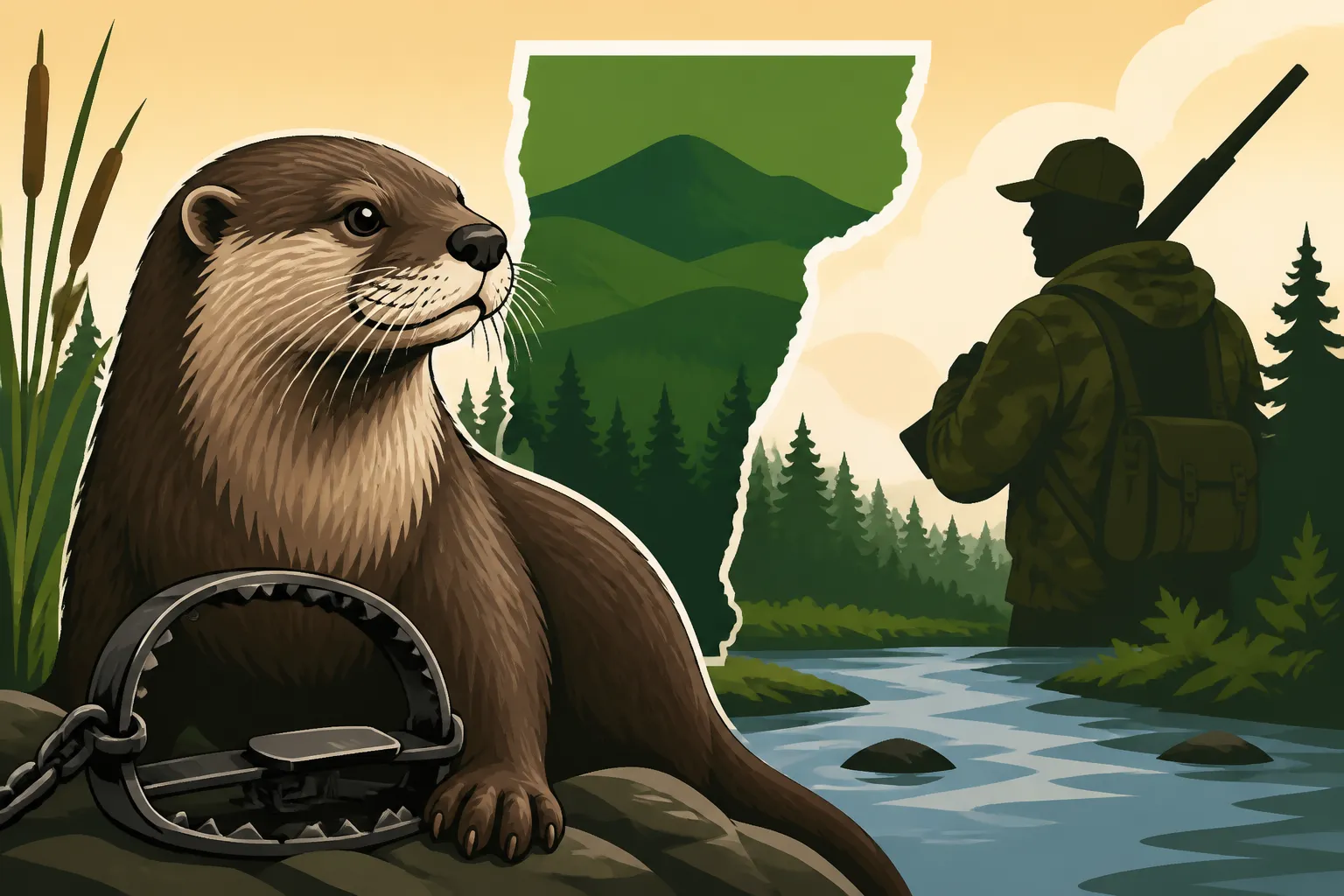
Vermont River Otter Trapping Season
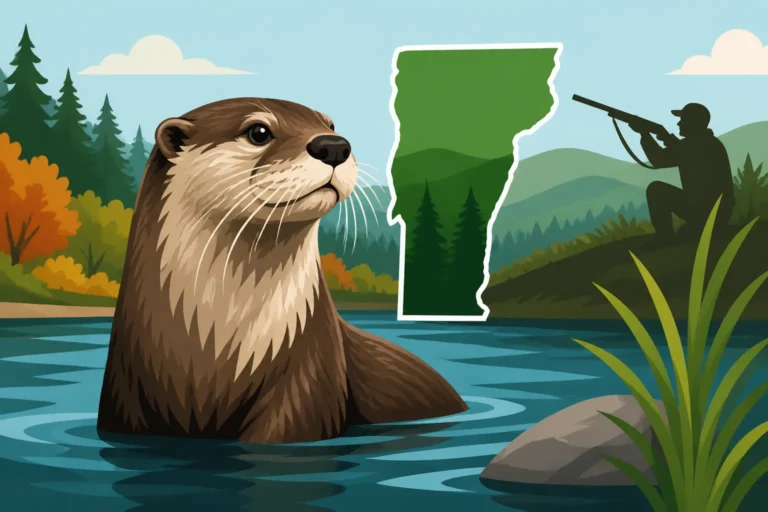
There's something incredibly primal and rewarding about trapping, and for many of us, the wily river otter represents a pinnacle of skill and patience in the Vermont woods and waterways. These magnificent furbearers are a true challenge, but knowing how to legally and ethically pursue them during the designated season can be an enriching experience. This guide will walk you through everything you need to know about navigating Vermont's river otter trapping season, from understanding their habits to mastering the regulations and techniques that lead to success.
The Allure and Ecology of Vermont's River Otters
The sleek, intelligent river otter holds a special place in the hearts of many Vermont outdoorsmen and women. They are a sign of healthy waterways, and their presence adds a wild beauty to our landscape. Trapping them is a tradition that connects us to generations past, requiring a deep understanding of their world.
Why Otters Are a Prized Vermont Furbearer
Otters aren't just another animal; they're a symbol of wilderness, a testament to conservation efforts that have seen their populations rebound in Vermont. For trappers, they represent a high-value pelt and a significant challenge. Their cunning nature means that success isn't just about setting a trap; it's about outsmarting a truly intelligent animal. The quality of a well-handled otter pelt is remarkable, highly sought after for its luxurious density and durability. It’s a rewarding feeling to know you've skillfully harvested such a creature, honoring its place in the ecosystem and utilizing its resources. Moreover, responsible trapping plays a role in managing furbearer populations, helping to ensure a healthy balance within their habitat. We often forget that regulated harvesting is part of a healthy ecosystem, preventing overpopulation that can strain food sources or spread disease. Vermont's river otter population has seen fluctuations over the years, but currently, they are thriving, a testament to effective management practices.
Understanding Otter Habitat and Behavior in the Green Mountain State
To trap otters, you must first understand where they live and how they move. In Vermont, otters are intrinsically linked to our extensive network of rivers, streams, lakes, and, critically, beaver flowages. They are semi-aquatic, meaning they spend a significant portion of their lives in and around water. They are excellent swimmers and divers, capable of holding their breath for several minutes. You'll often find them along the banks of the Winooski River, the smaller tributaries feeding into Lake Champlain, or nestled deep within the beaver-dominated wetlands of the Northeast Kingdom. Their diet primarily consists of fish, but they'll also eat frogs, crayfish, and even small mammals or birds. This diet means they frequent areas with abundant aquatic life. They are constantly on the move, traveling extensive territories, often using specific "slides" where they belly-slide down banks into the water, or well-worn trails that connect different bodies of water over land. These travel routes, especially where they funnel through narrow channels or cross land between water features, are prime locations for trap sets. Understanding these patterns is key, whether you're working a quiet stream in southern Vermont or a larger river in the Champlain Valley. Knowing their denning habits – often in old beaver lodges, hollow logs, or bank burrows – can also give you clues to their presence, but remember, the active travel ways are usually your best bet for a successful set. If you're looking for areas that otters frequent, consider places where beavers have created complex wetland systems; these are often highways for otters, too. Hunting a Beaver Flowage on Public Land can give you an idea of the kind of diverse aquatic ecosystems that otters also call home.
Navigating Vermont's River Otter Trapping Regulations and Season
Trapping isn't a free-for-all; it's a regulated activity designed to ensure the health of wildlife populations and promote ethical practices. Knowing the rules isn't just about avoiding a fine; it's about respecting the animals and the land.
The Vermont Trapping License and Permit Essentials
Before you even think about setting a trap, you absolutely need to make sure you're properly licensed. In Vermont, any person 12 years of age or older wishing to trap furbearing animals, including river otters, must possess a valid Vermont trapping license. This isn't just a formality; it signifies your understanding and commitment to responsible practices. You'll typically purchase this through the Vermont Fish & Wildlife Department's online portal or at a local license agent. For certain furbearers, there might also be specific tags or reporting requirements. While the general trapping license covers most furbearers, always double-check the current year's regulations booklet for any special provisions related to otters. This document is your bible for the season! It's crucial to understand that non-residents will have different license requirements and costs compared to residents. Don't skip this step; getting caught without the proper licensing can result in significant penalties and loss of your harvest. For a detailed breakdown of what's involved in getting started, check out Vermont Trapping License Requirements and Vermont Trapping License Cost.
Key Season Dates and Specific Regulations
The timing of Vermont's river otter trapping season is carefully considered by the Fish & Wildlife Department to balance harvest opportunities with population sustainability. The season generally opens in late October or early November and can run through the end of the year, often coinciding with other furbearer trapping seasons, like those for beaver or muskrat. However, these dates are subject to change annually based on biological data and management goals, so it's paramount that you consult the official Vermont Fish & Wildlife Department trapping guide every single year. Never assume the dates are the same as last season. There may also be specific Wildlife Management Unit (WMU) restrictions or bag limits you need to be aware of, although otter trapping is usually statewide. Beyond just the dates, you need to understand the general trapping rules: traps must be checked at least once every 24 hours, and you must obtain landowner permission if trapping on private land. Ignoring these details can quickly turn a rewarding outing into a legal headache. The department aims to ensure that these valuable furbearers continue to thrive, and compliance with these seasonal and specific rules is how we all contribute to that goal.
Legal Traps and Ethical Setting Requirements
Vermont has strict regulations concerning the types of traps you can use and how you must set them, particularly for otters. This isn't just red tape; it's about promoting humane and effective trapping methods while ensuring public safety. Generally, conibear-style body-gripping traps, foot-hold traps, and snares are allowed, but they come with specific size limitations and setting requirements. For instance, conibear traps set on land must be enclosed in a cubby or box to prevent non-target animals from entering. When trapping otters, many trappers utilize larger conibear traps, typically in the 220 or 330 size class, often set in water or at pinch points along otter runs. Crucially, any trap set in the water for otters or beaver must be designed to drown the animal quickly and humanely. This means using dive poles, heavy weights, or slides to ensure the trap is submerged and effective. Foothold traps must be equipped with padded jaws or offset jaws to minimize injury and prevent escape, and they are also subject to size limits. Snares have specific breakaway mechanisms and cable diameters. Furthermore, traps must be set a certain distance away from public roads, trails, and dwellings. Always tag your traps with your name and trapping license number. The goal here is to be effective and efficient, minimizing suffering for the animal and maximizing safety for the public and other wildlife. Understanding these technicalities, and adhering to them, is a mark of a responsible trapper.
| Trap Type | Common Sizes (Approx.) | Primary Use for Otters | Pros | Cons |
|---|---|---|---|---|
| Body-Gripping (Conibear) | #220, #330 | Submerged runs, den entrances, crossover points | Very effective, humane when set correctly (drowning) | Can be dangerous to set, potential for non-target catches if not set submerged/enclosed |
| Foothold (Offset/Padded) | #3, #4 | Trail sets on land crossovers, slides, beaver dam edges | Versatile, allows for release of non-target animals | Requires precise placement, less immediate dispatch, must be submerged for otters to drown |
| Snares | Various Cable Sizes | Water runs, trails near water, narrow channels | Lightweight, versatile | Requires specific setup for humane dispatch, may be restricted in some areas/uses |
Strategic Scouting and Effective Otter Trap Sets in Vermont
The secret to successful otter trapping isn't just having the right gear; it's about being in the right place at the right time with the right setup. And that starts with meticulous scouting.
Pinpointing Productive Otter Locations
Scouting for otters is an art form, a blend of observation, tracking, and understanding their aquatic world. You're looking for clear signs of their presence: distinct slides where they belly-slide down banks into the water, often slick with mud or snow. You'll spot their five-toed tracks in soft mud or snow along riverbanks, sometimes with a distinctive tail drag mark. Look for scat (droppings), often containing fish scales or crayfish parts, left on prominent rocks or logs. Otter runs – narrow trails they use to travel between bodies of water or around obstacles – are prime real estate. These are often found near beaver dams, culverts, narrow sections of streams, or where a river bends sharply, creating a natural funnel. Pay close attention to confluences where two waterways meet, as these are natural travel hubs. This is where modern tools can be incredibly helpful. Mapping applications, like those offered by GoHunt, can be invaluable for identifying potential hotspots. You can use aerial photos to locate beaver ponds, marshy areas, and intricate river systems that might not be obvious from the road. GoHunt's topographic layers can help you identify subtle elevation changes that might indicate natural crossovers or pinch points. Overlaying public land boundaries is also critical for ensuring you're trapping legally. Even if you're exploring new territory, using an app to identify these features before you even step foot in the woods can save you countless hours. Remember, otters are constantly patrolling their territories, so a good location today could be even better tomorrow. To get a head start on understanding the lay of the land, check out Scouting Vermont Public Land Before Season and Reading Aerial Photos for Green Mountain Deer, as many of the principles for identifying prime deer habitat also apply to locating water features vital for otters. When you're thinking about where to set up, consider Public Hunting Land in Vermont as many of the best trapping spots are accessible to everyone, given proper permitting.
Mastering Proven Otter Trap Sets
Once you've identified a promising location, the next step is to select and execute the right trap set. For otters, the name of the game is usually a blind set in a natural travel lane, or a baited set designed to mimic a natural food source. Conibear traps are incredibly effective for otters, especially when set in underwater runs or narrow channels. A classic method is to find a constricted waterway, like a culvert or a narrow break in a beaver dam, and place a properly sized, submerged conibear in the middle of the travel path. You want to make sure the trap is stable and securely anchored, often with heavy stakes, so a struggling otter can't move it. Another highly effective conibear set is at an otter slide; simply place the trap at the bottom of the slide, ensuring it's completely submerged. Foothold traps can also be used, typically on land crossover trails or at the edge of a slide. For these, a drowning set is crucial for otters. This means creating a situation where the captured otter quickly moves into deep water and drowns, often by attaching a heavy weight to the trap chain or using a drowning rod system. Baits and lures can be effective, too, especially if you're trying to draw an otter to a specific spot. Fish oil, fresh fish scraps, or commercial otter lures can be applied near a set to entice curious otters. However, otters are often caught in blind sets simply because they are moving through their established travel routes. Always strive for a subtle set, minimizing human scent and disturbances around the trap site. The less an otter suspects, the more likely your success.
Overcoming Challenges: Ice, Water Levels, and Weather
Trapping in Vermont means contending with the full spectrum of New England weather, and these conditions can pose significant challenges for otter trappers. Early season might bring heavy rains, causing water levels to rise dramatically. A set that was perfect yesterday could be completely washed out or too deep today. This requires constant vigilance and adaptability; you might need to raise your traps, move them to higher ground, or even pull them entirely until conditions stabilize. As winter sets in, ice becomes your primary adversary. Otters are still active under the ice, often using air pockets in beaver lodges or open water under bridges. However, placing and checking traps under solid ice requires specialized tools like ice chisels, spud bars, and ice saws. You'll need to create openings large enough to set and retrieve your traps, and these openings will freeze over, requiring daily maintenance. Snowfall, while beautiful, can bury trap markers, making it difficult to locate your sets. Using brightly colored flagging tape or GPS waypoints can be a lifesaver. Cold temperatures also demand attention to personal safety, with proper layering and emergency gear being essential. The dedicated otter trapper learns to read the water and the weather, anticipating changes and adapting their strategy accordingly. It’s a game of chess against Mother Nature, and the more prepared you are, the better your chances of success.
Responsible Harvest, Processing, and Reporting
Catching an otter is just one part of the journey. What comes next – from humane dispatch to proper pelt preparation and mandatory reporting – is equally crucial for honoring the animal and contributing to sound wildlife management.
Humane Dispatch and Field Care
When you find an otter in your trap, ethical responsibility dictates that you dispatch it humanely and swiftly. For submerged body-gripping traps, the animal should already be dispatched. For foothold sets, a quick, clean shot to the head with a small caliber firearm (where legal and safe), or a sharp blow to the head with a blunt instrument, are commonly accepted methods. The goal is to minimize stress and suffering for the animal. Once dispatched, proper field care is essential to preserving the quality of the pelt. The sooner you get the otter cooled down, the better. Avoid dragging the animal through dirt, mud, or snow, as this can damage the fur and reduce its value. If you have a decent walk back to your vehicle, consider using a game bag or a clean tarp to protect the pelt. In warmer weather, getting the animal on ice or into a cooler as quickly as possible is paramount to prevent spoilage and hair slippage, which can render the pelt worthless. Treat the animal with respect; this isn't just a harvest, it's a valuable resource and part of the wild.
Skinning, Fleshing, and Stretching for Maximum Value
The value of your otter pelt largely depends on how well you prepare it. This isn't a quick process, but it’s immensely satisfying. Otters are typically skinned "cased," meaning the skin is removed like pulling off a sock, leaving a tube of fur. Start with careful incisions around the feet, an opening from one hind foot to the other, and then peel the skin down. You’ll need a sharp knife and patience to navigate around the legs, ears, and eyes. Once skinned, the pelt needs to be "fleshed." This involves scraping off all residual fat and muscle tissue from the leather side of the hide. Specialized fleshing knives and beams are typically used for this, requiring skill to avoid cutting through the skin. A clean pelt is essential for drying properly and preventing spoilage. After fleshing, the pelt is stretched onto a wooden or wire stretcher board, fur-side in, and shaped according to market standards. Proper stretching ensures the pelt dries evenly and presents well to buyers, maximizing its potential value. It's then hung in a cool, dry, well-ventilated area away from direct sunlight or heat to dry. This entire process, from dispatch to a dried, stretched pelt, is a craft in itself, honed over many seasons, and directly impacts the price you can expect for your hard-earned catch.
Mandatory Reporting and Data Collection
Your responsibility as a trapper doesn't end when the pelt is dried and ready for market. In Vermont, as with many other harvested species, there is a mandatory reporting requirement for river otters. This isn't just a bureaucratic hurdle; it's a critical component of wildlife management. The data you provide—including the date of harvest, location (often by WMU), and even biological samples if requested—helps the Vermont Fish & Wildlife Department monitor otter populations, assess their health, and make informed decisions about future trapping seasons and limits. This ensures that otters remain a sustainable resource for generations to come. You'll typically need to report your otter harvest through the state's online reporting system or at designated check stations, within a specified timeframe after capture. Failure to report your harvest is a violation of state law and undermines the scientific basis for managing this species. It’s important to familiarize yourself with all Vermont Hunter Education Requirements, as these often cover the broader responsibilities of ethical hunting and trapping, including mandatory reporting, even if specific trapping regulations are detailed elsewhere. By diligently reporting your catch, you’re not just following the rules; you’re actively participating in the conservation of Vermont’s precious furbearer populations.
Disclaimer
This article is for general informational purposes only and does not constitute professional advice. Laws, prices and regulations vary by location and change over time. Consult a qualified professional for guidance on your specific situation.