Hunting a Beaver Flowage on Public Land
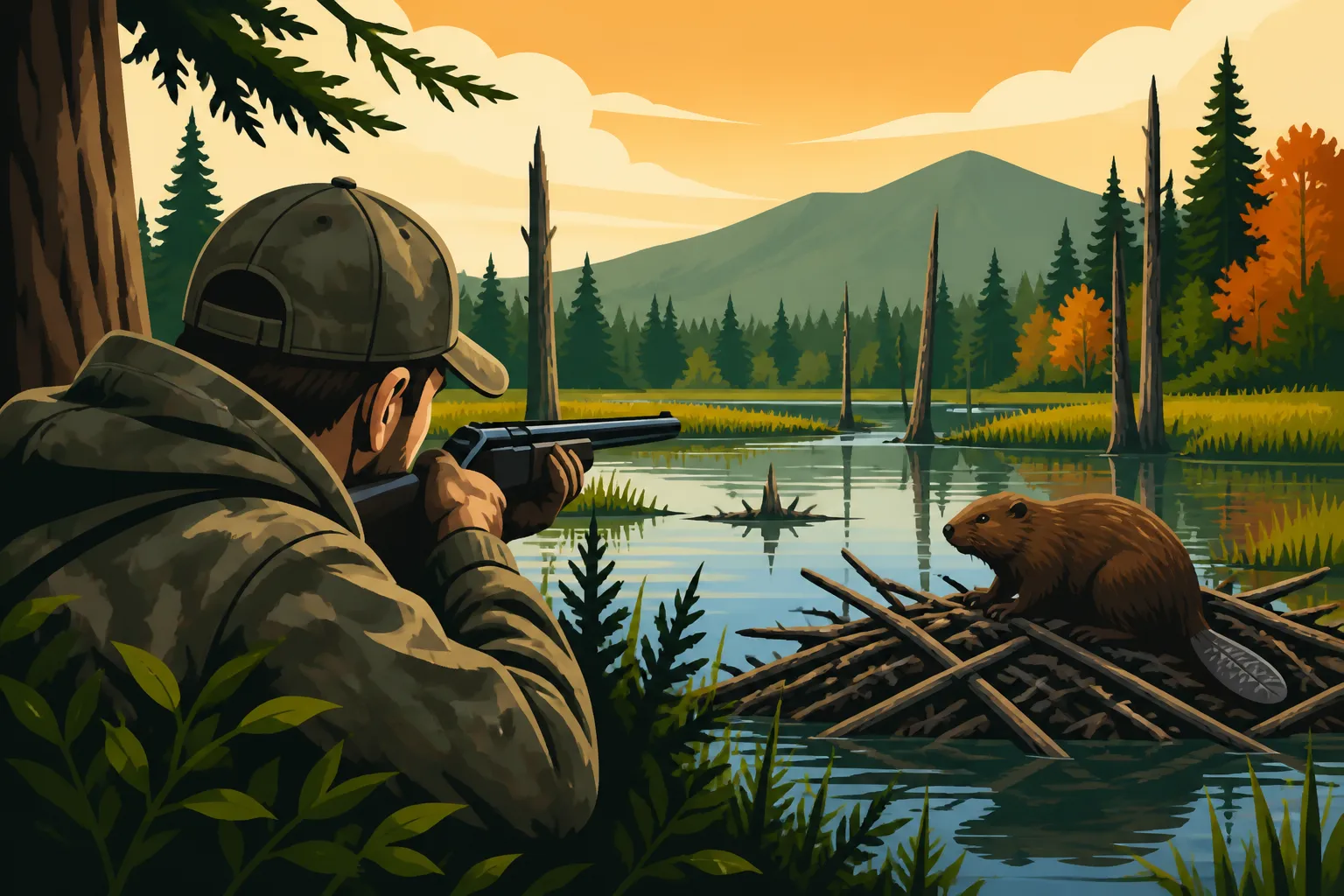
For many hunters in Vermont, the vast timber blocks of the Green Mountain National Forest or the expansive agricultural fields of the Champlain Valley are the primary focus. But often overlooked, and sometimes downright intimidating, are the tangled, wet, and incredibly productive beaver flowages found on public lands across our state. These unique habitats can seem impenetrable, a swampy mess of dead trees and deep mud, leading many to avoid them entirely. Yet, for those willing to embrace the challenge, a beaver flowage can be a hidden gem, holding a surprising amount of game and offering some of the most rewarding hunting experiences. This guide is designed to peel back the mystery, helping you understand, scout, and successfully hunt these rich public land environments.
The Allure of the Beaver Flowage: Why They're Game Magnets
Beaver flowages are not just puddles of water; they are dynamic, constantly changing ecosystems engineered by nature's most industrious architects. What might look like a messy, overgrown swamp from the road is actually a bustling wildlife haven, drawing in a diverse array of game species. Understanding why these areas are so attractive to wildlife is the first step in successful hunting.
Ecosystem Services: Food, Water, and Cover
The impact of beavers on a landscape is profound. When beavers dam a stream, they flood acres of forest, creating a mosaic of open water, dead standing timber, and newly emerging vegetation around the edges. This flooding kills mature trees but also encourages a surge of new, succulent growth as sunlight reaches the forest floor where it couldn't before.
Imagine a typical Vermont hardwood forest. A beaver dam transforms a section of it into a wetland with distinct zones. You'll find aquatic plants thriving in the open water, browse for deer and moose along the wet edges, and new saplings and brush growing vigorously where the water has receded or never quite reached the highest points. This diverse "edge habitat" is a supermarket for many species. Deer can feed on tender shoots and aquatic vegetation, while moose find their favorite browse. Black bears are drawn to berry bushes that flourish in the open sun along the fringes, as well as the protein-rich grubs and insects found in decaying wood. Even wild turkeys, especially in the fall, will scratch for seeds and insects along the drier banks.
Furthermore, the standing dead timber and dense undergrowth that often surrounds a flowage provide unparalleled cover. This thick, tangled environment offers both thermal protection from harsh Vermont winters and incredible escape cover from predators and hunters alike. Animals feel secure here, making flowages prime bedding areas where they can rest undisturbed, knowing they are hidden away in the impenetrable tangles. And, of course, the water itself is a constant draw, especially during dry spells or late-season hunts when other water sources might be frozen or scarce.
Microclimates and Winter Survival
Beyond the obvious food and cover benefits, beaver flowages create subtle microclimates that are vital for wildlife, particularly in the colder months. The open water of a flowage, even if partially frozen, can moderate temperatures in the immediate vicinity, making it a slightly warmer place than the surrounding frozen woods. The dense conifers and thick brush that often grow along the edges also trap heat and block wind, creating sheltered pockets.
These thermal advantages are crucial for species like white-tailed deer. In deep snow winters, deer will seek out areas that offer both food and thermal cover to conserve energy. Vermont Deer Wintering Yards Explained often include natural wetlands and dense softwood thickets, and beaver flowages frequently provide both. The emerging vegetation and readily available browse on the edges, combined with the sheltered conditions, make these areas critical for winter survival. This means that even outside of hunting season, these flowages are hubs of deer activity, leaving behind a wealth of sign that can be scouted.
Decoding the Landscape: Scouting Public Land Flowages
Finding and effectively hunting a beaver flowage on public land isn't about stumbling upon it; it requires a systematic approach to scouting. This means leveraging modern technology from your armchair, followed by putting boots on the ground to confirm what you've seen and discover the subtle nuances that only direct observation can reveal.
Satellite Imagery and Topo Maps
Before you ever step foot into the muddy, potentially mosquito-infested world of a beaver flowage, you can do a tremendous amount of preliminary scouting from the comfort of your home. This is where tools like onX Hunt and GoHunt become absolutely indispensable. Forget trying to decipher faded paper maps. These platforms, with their high-resolution satellite imagery, are game-changers.
Start by looking for obvious signs of beaver activity: ponds, flooded timber, and the distinctive crescent-shaped dams. Zoom in close to understand the full extent of the flooding. Identify the primary feeder creeks that fill the flowage and any drainages that carry water away. Look for patches of dry ground, small ridges, or islands within the flooded area – these are often natural travel corridors or bedding locations. Pay close attention to the edges of the flowage: where does the water transition to solid ground? Are there any obvious pinch points or narrow strips of dry land that funnel animal movement?
Topographical maps, which are also integrated into platforms like onX Hunt, can further enhance your understanding. They reveal elevation changes that satellite imagery alone might not make clear. A subtle rise in elevation might mean dry ground that holds an old logging road or a bench that deer prefer to travel. Identify surrounding terrain features – steep hillsides, benches, or saddles that might direct game movement towards or away from the flowage. Understanding these subtle funnels is key to predicting where a buck might travel when skirting the water. For an even deeper dive into digital scouting, check out Reading Aerial Photos for Green Mountain Deer.
One of the most critical uses of these digital mapping tools on public land is to confirm boundaries. Beaver flowages often sprawl across large areas, and it's not uncommon for them to abut private land. Using your onX Hunt app to toggle on property lines will ensure you stay on legal hunting ground. onX Layers for Vermont Land Status offers an incredible advantage, allowing you to quickly identify public land boundaries and avoid accidental trespass, which is crucial for ethical hunting.
Boots-on-the-Ground Reconnaissance
Digital scouting will give you a fantastic overview, but nothing replaces the intelligence you gather with your own two feet. This "boots-on-the-ground" phase is where you confirm your hypotheses and discover the intricacies that no map can show.
The ideal time for initial ground scouting is often in early spring, right after snowmelt but before the thick summer foliage erupts, or in late winter if conditions allow safe travel. With less vegetation, you can see game trails, rub lines, and scrapes more clearly. Look for fresh tracks along the muddy edges of the water. What kind of game is frequenting the area? Where are they entering and exiting the thick cover?
As you traverse the perimeter and any accessible dry islands, pay attention to the wind patterns. Beaver flowages, being in low-lying basins, can create their own swirling thermals, especially in the mornings and evenings. Understanding these local wind currents will be paramount to setting up your stand or planning your stalk.
Be prepared for challenging terrain. Flowages are inherently wet and often littered with downed trees, hidden stumps, and deep pockets of mud. Your footwear choice is critical here. Investing in good quality, waterproof boots designed for boggy conditions, like those described in Boots for Northeast Kingdom Bog Hunting, or even chest waders (see Waders for Vermont Waterfowl Hunting) will be essential for covering ground effectively and staying dry. Be realistic about access points and potential routes into and out of the most promising areas. Getting to your chosen spot quietly and efficiently, especially in the dark, will depend heavily on your scouting efforts. You might find a forgotten logging road or a subtle deer trail that provides easier access than hacking through dense brush.
Hunting Strategies for Vermont's Flowages
With a solid understanding of why game loves beaver flowages and how to scout them effectively, the next step is to strategize your hunt. Different species require different approaches, but the core principle remains the same: leverage the unique characteristics of the flowage to your advantage.
Deer and Moose: Edges and Funnels
When it comes to deer, particularly during the archery and muzzleloader seasons, the edges of a beaver flowage are your primary focus. Whitetails, especially mature bucks, are masters of utilizing dense cover for security. They will often skirt the perimeter, using the thick brush and standing timber as a shield while traveling from bedding to feeding areas. Look for well-worn game trails that parallel the water's edge or cross narrow sections of the flowage where the water is shallower.
Focus your attention on "pinch points" – areas where the dry land narrows significantly, forcing deer movement into a concentrated zone. This could be a small ridge extending into the flowage, a narrow strip of land between the water and a steep hillside, or even a subtle saddle that serves as a crossing. Hanging a treestand or setting up a ground blind along one of these funnels can be incredibly productive. Small islands within the flowage itself, if accessible and offering dry ground, can also serve as bedding areas or staging points, making their connecting routes hotbeds of activity.
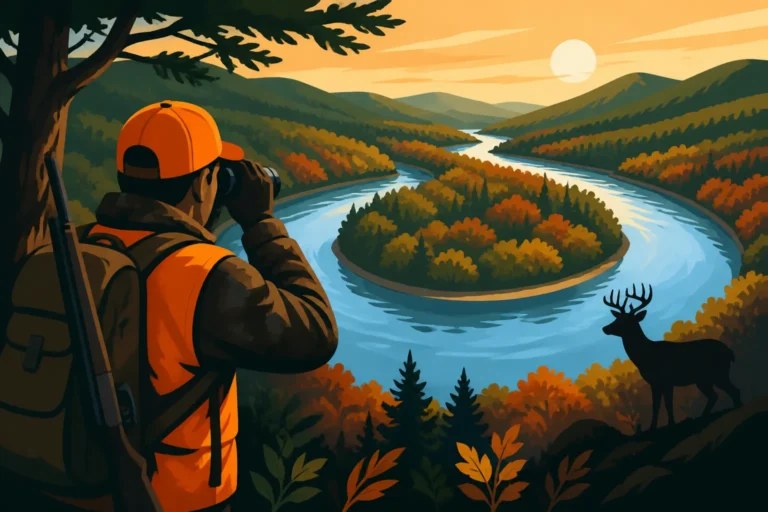
Moose, being large and less wary than deer, are often found directly within the flowage, especially during the early archery season. They are drawn to the abundant aquatic vegetation and will often wade through the water to feed. While a Vermont moose permit is a truly special draw, if you're lucky enough to have one, glassing the open water sections from a distance during early morning or late evening can reveal a feeding bull. Their dark bodies stand out against the water, especially in the golden light. Consider calling strategies, such as those used for Rattling and Grunting Vermont Bucks, but tailored for moose, near large flowages during the peak of the rut.
Waterfowl and Small Game: Patience and Positioning
Beaver flowages are absolute magnets for waterfowl. The mix of open water, submerged vegetation, and sheltered areas provides ideal feeding, resting, and roosting habitat for a variety of ducks and geese. Wood ducks, with their preference for wooded wetlands, are particularly fond of flowages, but you'll also find mallards, black ducks, and sometimes even geese.
For waterfowl, hunting flowages often means early morning or late evening sits. Scouting during these times will reveal flight patterns – where birds are coming from and where they're landing. A well-placed spread of decoys, even a small one, along the edge of the open water can be highly effective. While you might not be deploying the large spreads typical for Decoying Mallards on Lake Champlain, a handful of realistic wood duck or mallard decoys can work wonders in a smaller, more intimate flowage setting. Patience is key, as is a well-camouflaged position, whether it's a brushed-in ground blind or natural cover.
The diverse habitat of a flowage also supports a healthy population of small game. Squirrels thrive in the mix of hard mast trees (oaks, beeches, hickories) that grow on the drier fringes, as well as the abundant den trees found in the dead standing timber. Walking the edges of a flowage, particularly if there's a good mast crop, can yield opportunities for bushytails. For more on this, check out Squirrel Hunting Green Mountain Hardwoods. Snowshoe hare, another favorite small game species, love the thick, regenerating brush and dense softwood cover that often characterize the perimeter of a flowage. These areas offer them both food and protection from predators. If you're interested in pursuing hare, understanding Vermont Snowshoe Hare Population Trends can help you find productive areas.
Regardless of the species, success in a flowage hinges on understanding animal behavior within that specific micro-environment and positioning yourself accordingly.
Navigating the Challenges: Safety and Regulations
Hunting a beaver flowage on public land in Vermont offers incredible rewards, but it also comes with a unique set of challenges and demands a strong focus on safety and adherence to regulations. These aren't your typical easy-access woodlots.
Access and Terrain Hazards
The most significant challenge of hunting a beaver flowage is often the terrain itself. These areas are, by definition, wet. That means mud – deep, sucking mud – and potentially treacherous footing. Beyond the mud, you'll encounter a maze of downed trees, hidden stumps, and unstable beaver dams. One misstep can lead to a fall, a twisted ankle, or a dunk in cold water.
Always plan your entry and exit routes meticulously during daylight hours, perhaps even marking them with a GPS on your onX Hunt app. Move slowly and deliberately, especially in low light conditions. Wear appropriate footwear, as discussed earlier. But even with the best boots, getting wet is a real possibility. Pack extra layers in a waterproof bag, especially in cooler weather. Hypothermia is a genuine risk if you get soaked and can't warm up. A small emergency kit, including fire-starting supplies, a headlamp with extra batteries, and a first-aid kit, is non-negotiable.
Crucially, always tell someone exactly where you're going and when you expect to return. Cell service can be spotty in remote Vermont public lands, so don't rely solely on your phone for communication. A satellite messenger device, especially when exploring deeper into a large Public Hunting Land in Vermont area like the Green Mountain National Forest or a remote Vermont Wildlife Management Areas, can literally be a lifesaver.
Specific Public Land Considerations
While the general hunting regulations apply across Vermont, it's always wise to double-check for any specific rules pertaining to the particular public land parcel you intend to hunt. Some Vermont Wildlife Management Areas or state forests might have unique restrictions on ATV use, overnight camping, or even the placement of permanent tree stands or ground blinds.
Stay vigilant about CWD prevention. Vermont has a strict set of rules to keep Chronic Wasting Disease out of our healthy deer herd. If you harvest a deer near an international border or plan to transport a carcass from another state, review Vermont's CWD Prevention Rules carefully. The regulations for bringing certain parts of a deer into the state are important to know. Similarly, remember Vermont's rule against urine-based deer lures. Always ensure you are using legal attractants.
Finally, confirm all your licenses and permits are in order. Before heading out, ensure you have your current hunting license, any required big game tags, and if you're a bird hunter, your migratory bird stamp and HIP certification. Details on Vermont Hunting Licenses and What They Cost are readily available, and purchasing them online is a convenient option. By being prepared, safe, and respectful of the rules and the environment, hunting a beaver flowage can become one of your most rewarding Vermont hunting adventures.
| Game Species | How Flowages Attract Them | Hunting Strategy Focus | Key Gear |
|---|---|---|---|
| White-tailed Deer | Dense cover, browse, water, security, escape routes | Edge hunting, funnels, small dry islands | Layered clothing, sturdy waterproof boots |
| Moose | Aquatic vegetation, rutting areas, dense cover | Still-hunting, glassing open water, calling | Binoculars, robust pack, heavy-duty boots |
| Black Bear | Berry bushes, nut trees on edges, water, insect sources | Spot-and-stalk, focusing on peripheral edges | Quality optics, scent control, rugged boots |
| Waterfowl | Open water, submerged food sources, sheltered roosts | Decoys, calls, well-camouflaged blinds | Waders, decoys, calls, warm camo clothing |
| Small Game | Hard mast (squirrel), thick brush (hare), new growth | Still-hunting, walking edges, dog hunting | Shotgun/rimfire, small game loads, warm boots |
| Wild Turkey | Insects, seeds, accessible edges, roosting trees | Edge walking, scratching for food, fall flocks | Camo clothing, calls, shotgun |
Disclaimer
This article is for general informational purposes only and does not constitute professional advice. Laws, prices and regulations vary by location and change over time. Consult a qualified professional for guidance on your specific situation.