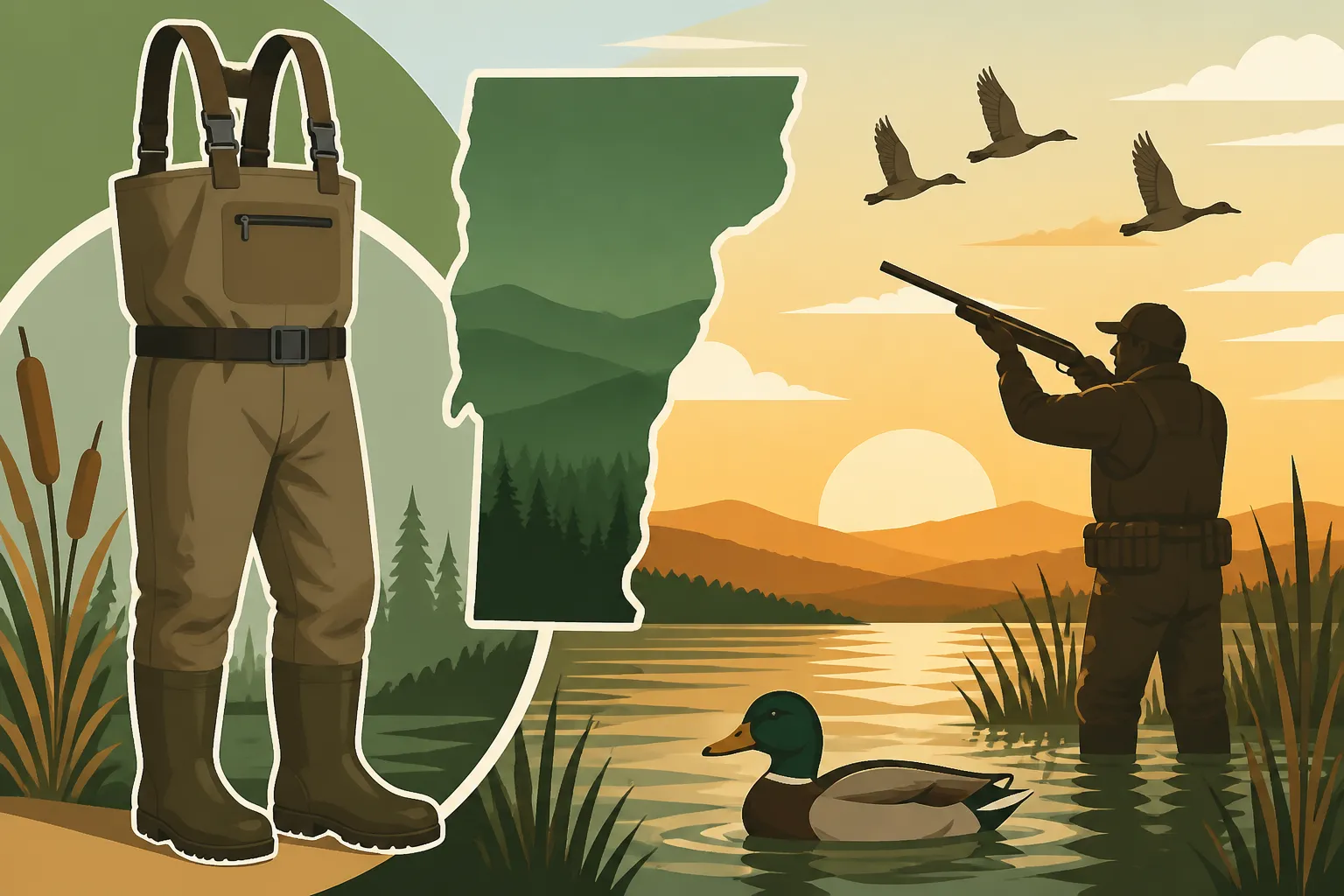
Waders for Vermont Waterfowl Hunting
There's nothing quite like the crisp air of a Vermont morning, the sound of mallards cupped over decoys, or the distant honk of geese on the Connecticut River. But let's be honest, those idyllic scenes can quickly turn miserable if you're not properly equipped, especially when it comes to staying dry in the often frigid and watery environments of our state's best waterfowl spots. This guide is all about helping you navigate the sometimes overwhelming world of waders, ensuring you pick the right pair for enduring Vermont's diverse waterfowl hunting challenges, from icy Lake Champlain marshes to swift river currents.
Why the Right Waders Matter in Vermont
Hunting waterfowl in Vermont isn't just about calling in birds or having a steady aim; it's a full-body experience that demands durable, functional gear capable of standing up to our unique climate and terrain. If you've ever had a seam leak on a frosty November morning, or felt your feet go numb from inadequate insulation, you know exactly what I'm talking about. The right waders aren't a luxury; they're an absolute necessity for comfort, safety, and ultimately, success in the field.
Dealing with Vermont's Variable Weather
Vermont's weather can be notoriously unpredictable, especially during waterfowl season. You might start your morning with frost on the ground and ice skimming the edges of a beaver flowage, only for the sun to break through and send temperatures soaring into the 50s by midday. Or, perhaps more commonly, a raw, driving rain might settle in, chilling you to the bone. This kind of variability means your waders need to be versatile. They need to keep you warm when it's bitter cold, but also offer some breathability when you're exerting yourself setting decoys or pushing through thick marsh grass.
Imagine you’re out on the Lake Champlain zone, setting up a decoy spread before legal shooting light. The air temperature is just above freezing, and the water is a bone-chilling 40 degrees. Without proper insulation and a leak-proof barrier, your hunt would be over before it even began. Conversely, if you're humping gear across a mile of dry ground to reach a remote pothole in October, heavy, unbreathable waders can make you sweat profusely, leading to an even worse chill once you settle into the water. This delicate balance of warmth and breathability is what separates a great pair of waders from a mediocre one when facing Vermont's ever-changing skies.
Navigating Different Waterfowl Habitats
From the vast, windswept expanse of Lake Champlain to the meandering, brush-choked rivers like the Lamoille and Missisquoi, and the myriad of small beaver ponds and flooded timber scattered across the Green Mountains, Vermont offers a smorgasbord of waterfowl habitats. Each environment presents its own set of challenges for your waders. Muddy river bottoms demand excellent traction, while sharp stumps in flooded woods can quickly puncture lesser materials.
Consider hunting the Connecticut River Zone, where you might be wading through swift currents over rocky beds one day, and then slogging through deep, sticky mud in a flooded bottomland field the next. Your waders need to be tough enough to handle abrasive terrain, flexible enough for dynamic movement, and stable enough to keep you upright. A pair designed solely for open-water duck hunting might fall short when you're Reading a Marsh for a Morning Flight in a dense cattail swamp, fighting through submerged obstacles. It’s not just about staying dry; it’s about providing protection and stability in environments that are actively trying to poke, tear, or trip you up.
Types of Waders: A Deep Dive for Vermont Hunters
When it comes to waders, it's not a one-size-fits-all situation. The market offers several distinct types, each with its own advantages and disadvantages. Understanding these differences is crucial for selecting the best waders to suit your specific Vermont waterfowl hunting style and the conditions you typically encounter. Let's break down the main contenders.
Neoprene Waders: Warmth and Durability
Neoprene waders are probably what most hunters picture when they think about waterfowl hunting. Made from a synthetic rubber material, neoprene offers excellent insulation and a decent amount of puncture resistance. The thickness of the neoprene is often measured in millimeters (e.g., 3mm, 5mm, 7mm), with thicker waders providing more warmth but also more bulk.
These waders are a fantastic choice for those bone-chilling late-season hunts when water temperatures are nearing freezing, or when you're Hunting the Split Lake Champlain Zone Season in November or December. The inherent insulating properties of neoprene mean you'll stay warmer, even when submerged for extended periods. They also tend to be quite durable, shrugging off minor abrasions from brush and rocks better than some lighter materials. The downside, however, is their lack of breathability. On warmer days, or during strenuous activity, you can quickly overheat and sweat inside neoprene waders, which can lead to a chill later on. They're also heavier and bulkier, which can make long walks to your hunting spot more tiring.
Breathable Waders: Comfort in Any Condition
Breathable waders have become increasingly popular, especially for early-season hunts or for hunters who do a lot of walking or active hunting. Constructed from advanced synthetic fabrics like Gore-Tex or similar proprietary materials, these waders are designed to let perspiration vapor escape while preventing external water from getting in. This "breathable" quality is a game-changer for comfort, keeping you drier and preventing that clammy feeling that neoprene can induce.
While they don't offer the same inherent insulation as neoprene, breathable waders excel when paired with a good layering system underneath. This allows for incredible versatility; you can wear minimal layers on a mild September morning while Decoying Ducks on Lake Champlain, and then pile on insulation for a frigid late-season hunt. They are also significantly lighter and less bulky than neoprene, making them far more comfortable for long treks to remote areas or for Layout Blind Hunting a Champlain Valley Field where you're not constantly submerged. Their main drawback is often their price point and, historically, slightly less puncture resistance than thick neoprene, though modern advancements have made them incredibly tough. Brands like GoHunt often feature breathable wader options known for their innovative materials.
Hybrid and Specialized Waders
Beyond the two main categories, you'll also find hybrid waders and specialized designs that try to combine the best features or cater to niche needs. Hybrid waders might feature a breathable upper for comfort during active movement, combined with a neoprene lower or reinforced knees for added warmth and durability where it counts. These can offer a fantastic middle-ground solution for the Vermont hunter who faces a wide range of conditions.
Then there are specialized waders, like those designed for specific body types, or those with unique features for particular hunting styles. Some might have extra-durable fabric in high-wear areas, while others might focus on streamlined designs for minimal drag in swift currents. These specialized options are worth exploring if you have very specific requirements that aren't fully met by standard neoprene or breathable models. It’s all about finding that perfect fit for your particular adventures, whether you’re chasing wood ducks in a small beaver pond or Pass-Shooting Geese on the Connecticut River.
Key Features to Look for in Vermont Waterfowl Waders
Once you've decided on the general type of wader that suits your hunting style, it's time to drill down into the nitty-gritty details. The features packed into a pair of waders can make a huge difference in their performance, durability, and your overall hunting experience. Don't overlook these critical elements when making your selection.
Insulation and Layering Considerations
As we've touched on, insulation is paramount for staying warm in Vermont's chilly waters. With neoprene waders, the insulation is built into the material itself, with 5mm being a popular choice for all-around use, and 7mm reserved for the coldest conditions. However, with breathable waders, the insulation comes from what you wear underneath. This is where layering really shines. You can adjust your base and mid-layers to perfectly match the day's temperature and your activity level.
Think about a typical late-season hunt in Vermont. You'll likely want a good quality synthetic or merino wool base layer, followed by a fleece mid-layer, and perhaps even an insulated pant under your breathable waders. This system allows you to adapt. For example, if you're taking advantage of the Waterfowl Hunting Vermont's Three Zones early in the season, you might only need a light base layer. But come December, you'll be thankful for every bit of insulation you can pack under those waders. When considering built-in insulation in bootfoot waders, look for options with 1000g or even 1200g of Thinsulate or similar materials in the boots for maximum warmth.
Bootfoot vs. Stockingfoot: The Vermont Choice
This is a fundamental choice that impacts both comfort and versatility.
| Feature | Bootfoot Waders | Stockingfoot Waders |
|---|---|---|
| Description | Boots are permanently attached to the wader fabric. | Waders end in neoprene "socks"; require separate wading boots. |
| Pros | Quick and easy to put on/take off; no need for separate boots; often warmer in the feet due to integrated insulation. | Better fit and ankle support with custom wading boots; lighter for hiking; more versatile as you can change boots for different conditions. |
| Cons | Can be bulky and heavier for long walks; less ankle support; if the boot fails, the entire wader might need replacing. | Requires purchasing separate wading boots; more steps to gear up; can be less insulating if boots aren't chosen carefully. |
| Best For | Stationary hunting in deep mud or cold water; hunters prioritizing convenience. | Active hunting, long walks, steep or rocky terrain; hunters needing excellent ankle support and custom fit. |
For many Vermont waterfowl hunters, bootfoot waders are the traditional choice, especially for marsh or pit blind hunting where long walks aren't common and maximum warmth is key. However, if you're Still-Hunting Green Mountain National Forest Timber for small game on the way to a remote beaver pond, or if you demand superior ankle support for wading over slick rocks, stockingfoot waders paired with quality wading boots might be your best bet. The ability to choose specific wading boots with excellent grip is a huge advantage in varied Vermont terrain.
Durability and Construction Materials
Waders take a beating, no doubt about it. Pushing through thorny brush, clambering over downed logs, or rubbing against rough ice can all lead to leaks. Therefore, the durability of the materials and the construction quality are paramount. For breathable waders, look for high denier counts in the fabric, especially in high-wear areas like the knees and seat. Some waders incorporate reinforced panels of tougher material in these critical zones.
Pay close attention to the seams. Welded or taped seams are superior to stitched-only seams as they are less prone to leaking. Reputable brands often use advanced seam technologies to ensure waterproof integrity. For neoprene, look for sturdy stitching and well-sealed seams. Also, consider the boot construction on bootfoot waders. A good rubber boot with a reinforced toe and heel, and an aggressive tread pattern, will last longer and perform better in the mucky conditions typical of Vermont's waterways. Investing in quality here will save you headaches and cold feet down the line.
Pockets, Straps, and Accessories
While not as critical as the core materials, the thoughtful inclusion of pockets, straps, and other accessories can significantly enhance your hunting experience. External hand-warmer pockets are a godsend on cold mornings, allowing you to warm up your hands without constantly reaching inside your jacket. Zippered chest pockets are ideal for keeping calls, licenses (don't forget your Vermont Migratory Bird Certification!), or other small essentials secure and dry. Some waders even feature internal flip-out pockets for extra storage.
Adjustable suspenders are a must for a comfortable fit, preventing the waders from sagging. Quick-release buckles on the suspenders make bathroom breaks or shedding layers much easier. Look for knee pads, either integrated or as attachment points for removable ones, which are incredibly useful for kneeling in a blind or while retrieving a downed bird. D-rings or other attachment points are handy for clipping on call lanyards, decoy retrievers, or other gear. These small details might seem minor, but they add up to a much more functional and enjoyable day in the field.
Fitting Your Waders for Optimal Performance and Comfort
Finding the right size waders isn't as simple as picking your shirt size. A proper fit is absolutely crucial for comfort, mobility, and even the longevity of your waders. Waders that are too tight will restrict movement and put undue stress on seams, leading to premature leaks. Waders that are too baggy will bunch up, chafe, and make wading cumbersome and potentially unsafe.
Sizing for Success
Most wader manufacturers provide detailed sizing charts that include measurements for chest, inseam, and foot size. It's not enough to just know your shoe size. You need to take accurate body measurements and compare them to the chart. Remember, waders are designed to be worn over layers of clothing, so don't size down thinking they'll be "just right." When trying them on, wear the same layers you'd typically hunt in.
For bootfoot waders, ensure your foot has enough room to wear thick socks without feeling cramped, but not so much room that your heel slips excessively. For stockingfoot waders, the neoprene foot should fit snugly, like a sock, without being too tight or too loose. The overall body of the waders should allow for a full range of motion – squatting, kneeling, and lifting your legs – without any pulling or binding. If you're buying online from a place like GoHunt, always double-check their specific sizing recommendations, as they can vary between brands. Don't rush this step; a well-fitting pair of waders will make all the difference when you're out there chasing those Vermont Duck Daily Bag Limit birds.
Layering Under Your Waders
The beauty of breathable waders, in particular, is their adaptability through layering. However, even with neoprene waders, strategic layering is key to staying comfortable. Your base layer should be moisture-wicking – think synthetic blends or merino wool – to pull sweat away from your skin. Cotton is generally a no-go for hunting, as it holds moisture and loses its insulating properties when wet.
Above your base layer, a mid-layer of fleece or similar insulating material will provide warmth. The colder the day, the thicker or more numerous your mid-layers should be. For really frigid days, some hunters even wear lightweight insulated pants under their waders. The goal is to create air pockets between layers to trap warmth, while still maintaining enough mobility. Remember, it's always easier to shed a layer if you get too warm than it is to conjure up warmth when you're shivering uncontrollably in a cold marsh. This approach ensures your waders, whether breathable or neoprene, are working optimally for the conditions, keeping you comfortable throughout the long hours in the field.
Wader Care and Maintenance for Longevity
You've invested in a good pair of waders, chosen specifically for the rigors of Vermont Waterfowl Zones and Seasons and the kind of hunting you love. Now, the key to making that investment last for many seasons lies in proper care and maintenance. A little effort goes a long way in preventing leaks, extending their lifespan, and ensuring they're ready for your next adventure.
Cleaning and Drying Your Waders
After every hunt, especially if you've been in muddy or salty water, it's crucial to properly clean your waders. Start by rinsing them thoroughly with fresh water, inside and out, to remove mud, grit, and any other debris. Pay extra attention to the boots, flushing out any sand or small pebbles that might have found their way in. You can use a soft brush and mild soap if they're particularly dirty, but avoid harsh detergents or bleach, which can damage the fabric and seam tapes.
Once clean, the most important step is to dry them completely, both inside and out. Hang them upside down first to allow water to drain from the boots, then turn them right side out and hang them in a well-ventilated area away from direct sunlight or heat. Direct heat can degrade materials like neoprene and damage seam tapes. Never store waders damp, as this can lead to mildew, odors, and material breakdown. The interior needs to be just as dry as the exterior to prevent nasty surprises on your next outing. This attention to detail will ensure your waders are always fresh and ready to go, whether you’re hunting the Lake Champlain or the Interior Zone.
Repairing Leaks and Storing Properly
Even with the best care, waders can eventually develop leaks. The good news is that most small leaks are easily repairable. For neoprene waders, a simple neoprene repair kit with appropriate glue is usually all you need. For breathable waders, a dedicated repair kit for breathable fabrics (often involving a sealant or patch) will do the trick. The key is to find the leak. One common method is to turn the waders inside out, spray them lightly with rubbing alcohol (which evaporates quickly), and look for dark spots or bubbles where the alcohol seeps through. Another trick is to fill them with water while hanging and watch for drips. Once the leak is identified, clean the area thoroughly, apply the patch or sealant according to the product's instructions, and allow ample drying time.
When it comes to storage, avoid cramming your waders into a tight bag or corner. Instead, hang them up in a cool, dry place where they won't be creased or folded sharply for extended periods. Hanging helps maintain the integrity of the material and prevents creases that can eventually lead to cracks or leaks. If hanging isn't an option, roll them loosely rather than folding. Proper storage minimizes stress on the material and seams, extending the life of your waders for many more seasons of Waterfowl Hunting Vermont's Three Zones.
My Top Tips for Vermont Waterfowl Wading Success
Beyond just picking the right pair of waders, there are a few seasoned hunter tips I've picked up over the years that can make a real difference in your comfort and safety while pursuing waterfowl in Vermont. These aren't just about gear; they're about mindset and strategy when you're in the watery world of ducks and geese.
Scouting and Wading Safety
Before you ever step foot in the water on opening day, a little bit of scouting can go a long way in ensuring your wading success and safety. Take the time to identify potential hazards in your hunting area: deep holes, swift currents, submerged obstacles like logs or rocks, or areas of dangerously soft mud. If you're heading to a new spot, consider a pre-season scouting trip where you're not fully geared up, perhaps just wearing old boots or chest waders, to get a feel for the bottom. This can help you avoid unpleasant surprises when you're loaded down with decoys and a shotgun in the dark.
Wading safety is paramount. Always tell someone where you're going and when you expect to be back, especially if you're hunting alone. If you're wading in currents, always face upstream and use a wading stick for stability. In cold water, never underestimate the risk of hypothermia if you take a spill. Consider wearing a wader belt snugly to help prevent your waders from filling with water in the event of a fall. And as much as we love the thrill, if a wade feels too risky, it probably is. There's always another day and another duck. Your safety is worth more than any bird.
Dressing for the Unexpected
Even with the best waders, Vermont weather can throw you a curveball. That's why it's vital to dress in layers not just under your waders, but above them too. Waterproof outerwear, like a good quality hunting jacket, is essential. Not only will it keep you dry from rain or spray, but it also adds another layer of insulation against the wind and cold. Look for jackets with hand-warming pockets and secure storage for calls and ammunition.
Always carry extra layers in your blind bag, even if the forecast looks clear. A sudden drop in temperature or an unexpected downpour can turn a comfortable morning into a frigid test of endurance. A spare pair of gloves, a warm hat, and even a compact insulated jacket can be lifesavers. It's about being prepared for whatever Mother Nature decides to dish out, so you can focus on the hunt rather than shivering uncontrollably. Brands like GoHunt often offer excellent layering systems that complement their waders, providing a cohesive approach to staying warm and dry in the field. This readiness is key to enjoying those memorable days pursuing ducks and geese, whether you're dealing with Vermont's Split Lake Champlain Season Explained or just a classic late-fall morning on a quiet pond.
Disclaimer
This article is for general informational purposes only and does not constitute professional advice. Laws, prices and regulations vary by location and change over time. Consult a qualified professional for guidance on your specific situation.