Reading a Marsh for a Morning Flight
The quiet anticipation of a marsh at first light, punctuated only by the distant calls of unseen birds, can quickly turn to frustration when the ducks simply aren't flying your way. It’s a common scenario for many Vermont waterfowl hunters: you've committed to an early start, battled the pre-dawn chill, and set up what you hope is a perfect spread, only to watch the birds skirt your decoys or land far out of range. The key isn't just being there, it's truly understanding the nuances of the marsh itself and how waterfowl interact with it during their morning flight. This guide will help you decipher those subtle signals, giving you a better chance at intercepting a morning flight in Vermont's diverse wetland habitats.
Understanding Marsh Dynamics and Waterfowl Behavior
Successfully hunting a morning flight in a Vermont marsh hinges on knowing how these unique ecosystems function and, more importantly, how ducks and geese utilize them as part of their daily routine. It's a dynamic environment, constantly shifting with weather, water levels, and the seasons.
The Daily Cycle of a Marsh and Its Influence on Ducks
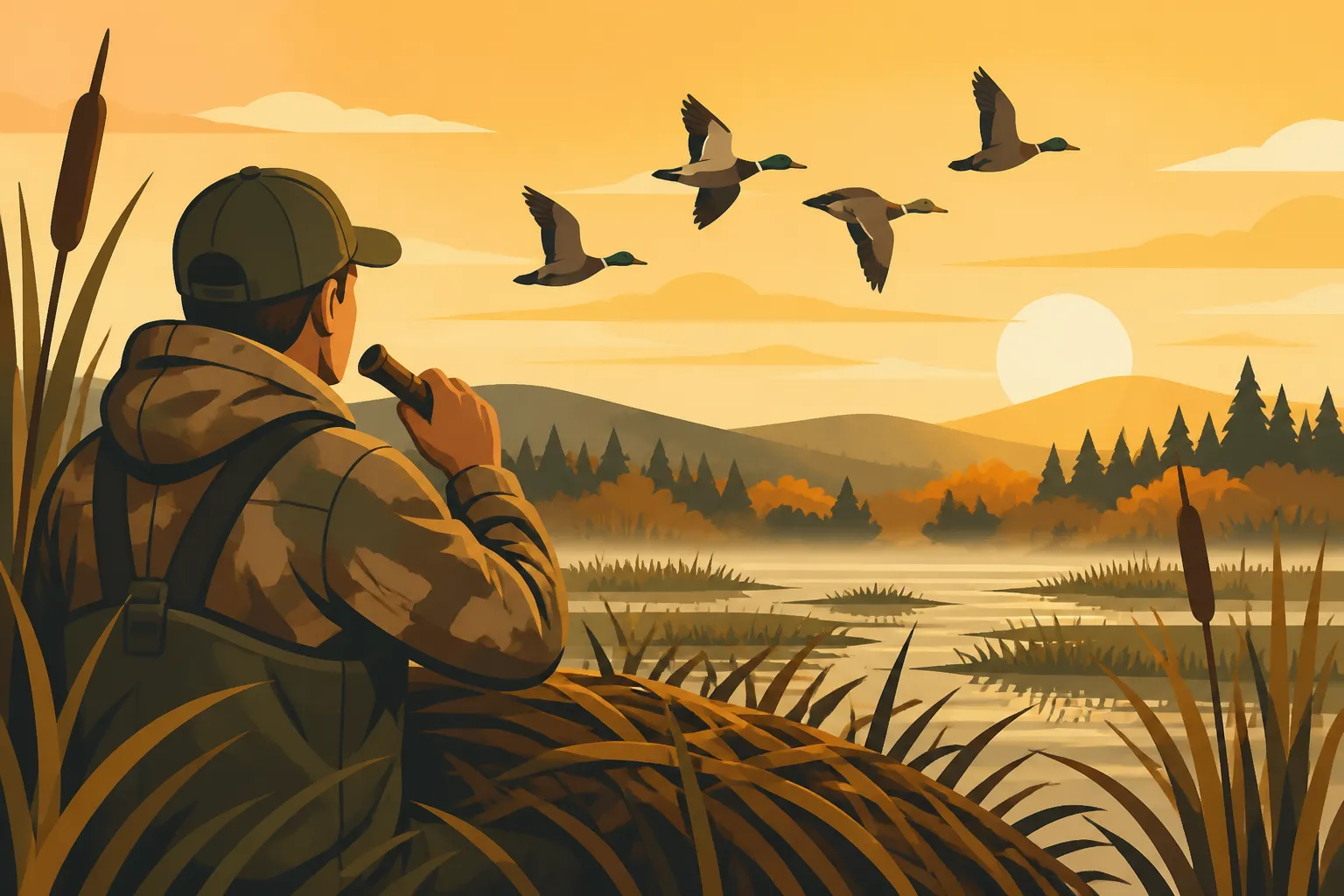
Every marsh has a rhythm, and understanding this rhythm is fundamental to predicting waterfowl movement. Ducks often spend the night roosting in safe, secluded areas, typically on open water or dense vegetation where predators are easily spotted. As dawn approaches, their instincts kick in, and they begin to seek out feeding grounds. This transition from roost to feed is what creates the morning flight. In Vermont, this might mean birds flying from the protection of a large body of water, like Lake Champlain, to smaller, food-rich marshes and flooded timber areas.
Factors like recent weather play a huge role. A cold front pushing through can bring new birds into the area, or make existing birds more active as they seek out calorie-rich foods. Strong winds can influence flight paths, often pushing birds lower or along more predictable sheltered routes. Conversely, calm, clear mornings can sometimes mean later, higher flights as birds feel less pressure to seek cover. Pay attention to how the wind is hitting the marsh. Ducks almost always take off and land into the wind, so understanding its direction will inform your setup.
Key Sign to Look For Before the Sun Rises
Before you even think about setting out your decoys, take the time to observe and listen. The marsh itself is a library of information, if you know how to read it. Long before legal shooting light, you should be focused on gathering intelligence. What sounds are you hearing? The soft quacks of mallards, the whistling wings of wood ducks, or the distant honks of geese all tell a story about who's around and where they might be.
Look for physical evidence too, even if it's dim. Tracks along muddy edges or where water levels have recently receded can indicate preferred walking paths for dabblers like mallards and black ducks. Droppings on logs, stumps, or along mudflats are clear indicators of recent waterfowl activity. Areas with disturbed water or floating bits of vegetation could point to recent feeding. In places like Victory Basin Wildlife Management Area, where dense cover exists, observing where birds enter and exit the treeline can be crucial. Remember, ducks are creatures of habit. If they've been using a certain part of the marsh, there's a good chance they'll continue to do so, especially if food sources remain plentiful.
Scouting Strategies for Productive Morning Flights
You can't expect consistent success without putting in the time to scout. Relying on past seasons or general knowledge alone won't cut it, especially with how dynamic marsh environments can be. Successful marsh hunting in Vermont starts long before opening day.
Pre-Season Reconnaissance and Digital Tools
Scouting isn't just about seeing birds; it's about understanding the entire ecosystem they inhabit. Start well before the season opens, even in late summer, to identify potential hot spots. Look for areas with diverse vegetation, both emergent and submerged, as this offers food and cover. Identify likely feeding areas, such as shallow water with abundant smartweed, wild rice, or flooded cornfields adjacent to the marsh. Roosting areas, often large, open bodies of water or dense, inaccessible cover, are equally important. You might not hunt the roost, but knowing where birds come from helps you predict their flight path to a feeding area.
Modern digital tools are invaluable for this. Satellite imagery and topographic maps, often available through apps like GoHunt, allow you to analyze large areas from the comfort of your home. You can identify potential access points, water depths (in some cases), dense vegetation patches, and open water channels. Look for changes in water patterns, areas of flooded timber, or oxbows off larger rivers like the Connecticut. These digital scouts save countless hours of walking and can highlight areas you might otherwise overlook. Supplement this with scouting on the ground to confirm what you see digitally and identify current conditions. Consider how to interpret these aerial views when you're looking for prime spots for "Decoying Ducks on Lake Champlain" or trying to predict flight paths near a "Hunting a Beaver Flowage on Public Land".
On-the-Ground Observations and Approach Tactics
Once you've narrowed down potential areas with digital tools, it’s time for boots on the ground. However, effective ground scouting for waterfowl is an art form. You need to observe without disturbing the birds you hope to hunt. This means going in during non-hunting hours, preferably in the middle of the day or late afternoon, and staying completely concealed. Use binoculars or a spotting scope from a distance to watch how birds enter and exit the marsh. Do they hug a certain treeline? Do they drop into a specific pocket of cattails?
Pay close attention to wind direction during your scouting trips. This is paramount for waterfowl. Ducks will always land and take off into the wind. If you can anticipate the prevailing winds on your hunt day, you can position your blind and decoys to take advantage of this natural behavior. Also, scout your entry and exit routes. Nothing ruins a morning hunt faster than spooking birds on your way in or struggling with a heavy load on the way out. For detailed guidance on specific areas, remember to check out resources on topics like "Hunting a Lake Champlain Marsh" or "Hunting the Missisquoi River Delta" for localized conditions and approaches.
Setting Up for Success on a Morning Flight
Once you've done your homework and identified a promising spot in a Vermont marsh, the setup is critical. A well-placed blind and an inviting decoy spread are your silent partners in bringing birds within range.
Optimal Blind Placement and Concealment
Your blind is your fortress, and its placement dictates your success. The primary goal is to be invisible. Look for natural cover like cattail edges, fallen logs, or a clump of willows. If natural cover is sparse, consider bringing a portable blind or brushing in a makeshift one. Always position your blind with the wind at your back or quartering. This allows incoming ducks to finish their approach directly into your spread, presenting optimal shot opportunities as they cup their wings and commit to landing.
Sun position is another factor. If possible, set up with the sun at your back so that it's in the ducks' eyes, making it harder for them to spot you. Avoid setting up on a high point or silhouetting yourself against the sky. Ducks have incredible eyesight, and a hunter sticking out like a sore thumb will educate birds quickly. Think about shooting lanes – clear any obstructions that might impede your swing or deflect a shot. For specialized setups, you might consider tips from "Layout Blind Hunting a Champlain Valley Field" to adapt to various marsh edge scenarios.
Decoy Spreads for Drawing in Early Birds
A well-arranged decoy spread can be the difference between a barren sky and a busy morning flight. For morning flights in Vermont, simplicity and realism often trump complexity. A small, realistic spread of 6-12 decoys, primarily mallards and perhaps a few pintails or wood ducks depending on the marsh, is often more effective than a massive, unnatural-looking spread. Focus on creating a landing zone directly in front of your blind, leaving an open pocket for birds to settle into.
Consider the species you're targeting. For dabbling ducks in a shallow marsh, a "J-hook" or "U-shaped" spread can work well, guiding birds into your opening. Add some movement with a jerk string or a spinning wing decoy, but use them judiciously. Overuse, especially in heavily hunted areas, can sometimes deter wary birds. A few active decoys can simulate feeding ducks, which is an irresistible sight for hungry, incoming birds. Ensure your decoys are rigged with enough weight to stay put in the current or wind, and consider adding depth to your spread if you're hunting varied water levels. Remember that for larger numbers, your "Vermont Duck Daily Bag Limit" applies to the birds you might attract.
Utilizing Calls and Understanding Duck Talk
Calling is an art, not a science, and less is often more, especially on morning flights in smaller marshes. The goal isn't to mimic a full flock, but to offer inviting, reassuring sounds. Start with soft greeting calls or feeding chuckles to get the attention of distant birds. Once they turn and commit, tone down your calling. A few soft quacks or whistles as they circle can be enough to seal the deal. Over-calling or making loud, aggressive calls can spook wary birds, particularly in areas with significant hunting pressure.
Listen to the birds you're seeing. Are they quiet? Are they squawking? Try to match their cadence and volume. Different species respond to different calls. Mallard hens have a distinctive quack, while pintails have a soft whistle, and wood ducks a high-pitched "hoo-wheet." Invest in quality calls and practice, practice, practice. Don't be afraid to experiment, but always err on the side of subtlety.
Adapting to Conditions and Maximizing Your Hunt
Even the best-laid plans can go awry in the field. A successful waterfowl hunter is one who can read the changing conditions of the marsh and adapt their strategy on the fly.
Reading the Weather and Its Impact on Flight Patterns
Weather is the ultimate variable in waterfowl hunting. A clear, calm, bluebird day might mean a slow morning flight, with birds flying high and spread out. Conversely, a cloudy, blustery day with light rain often means lower, more consistent flights as ducks seek shelter and feel more comfortable flying in less open conditions. Fronts are your friends; a cold front pushing through can trigger mass migrations and push new birds into the area. After a heavy freeze, open water becomes a premium, concentrating birds into smaller, huntable areas. Always check the forecast and have contingency plans.
Wind direction is critical, as mentioned, but its strength matters too. Light winds might mean birds are less committed to a single flight path, while strong winds can funnel them along predictable routes, often hugging the lee side of treelines or islands within the marsh. Pay attention to how the light changes throughout the morning too; ducks can spot you easier as the sun gets higher. Understanding "Vermont Waterfowl Zones and Seasons" also helps with planning around specific weather patterns.
Handling Mid-Morning Lulls and Post-Flight Strategies
The initial morning flight, that burst of activity right at legal shooting light, often fades as the sun climbs higher. Don't pack up immediately, but be prepared to shift tactics. During a lull, ducks might be resting, preening, or feeding subtly. This is a good time to reassess. Are birds still flying, just higher or in different areas? Do you need to adjust your decoy spread, perhaps adding a few sleepers to indicate resting birds?
Sometimes, the best move is to change locations. If your primary spot has gone completely dead, consider scouting a nearby area that might offer different food sources or more secluded resting spots. Jump-shooting small pockets of water or along creek edges can sometimes yield results later in the morning. Even if the flight has died completely, use the remaining time to scout for future hunts, pick up shell casings, and leave the marsh cleaner than you found it. Consider revisiting your "Best Duck Decoy Spread for Lake Champlain" strategy if you're not seeing results. For those considering hunting with younger hunters, remember to consult resources on "Hunting the Youth Waterfowl Weekend".
Marsh Sign Interpretation Table
| Sign/Observation | What it Indicates | Actionable Advice |
|---|---|---|
| Distant Quacking | Active ducks in the marsh, possibly moving or feeding. | Soft greeting calls; stay concealed and listen for flight direction. |
| Whistling Wings | Birds flying overhead, often at speed. | Look up slowly, identify species, note flight path. Decoys might be working. |
| Muddy Edges/Tracks | Recent shallow-water feeding activity. | Focus blind/decoys on these areas if water levels are similar. |
| Floating Vegetation | Ducks have been dabbling and rooting for food. | Place decoys near these spots, simulate feeding activity. |
| Feathers on Water/Shore | Roosting, preening, or recent heavy usage area. | Strong indicator of current activity; ideal for setup. |
| Clear, Calm Conditions | Might mean later, higher flights; birds feel less secure. | Use more subtle calls, focus on natural concealment, smaller spreads. |
| Windy/Cloudy Day | Often means lower, more consistent flights; birds seek cover. | Set up with wind at your back, focus on funnel points, use more calls. |
| Late Morning Lull | Birds might be resting or moved to another feeding area. | Reassess, consider adding sleeper decoys, or discreetly move to a new spot. |
Disclaimer
Hunting carries inherent risks, including but not limited to those associated with firearms, adverse weather, and uneven terrain. Always prioritize safety, adhere to all Vermont Fish & Wildlife Department regulations, and obtain proper licenses and permits. It is your responsibility to understand and follow all applicable laws. This guide is for informational purposes only and does not substitute for personal judgment, experience, or professional instruction.