Filling a Second Spring Tag as a Resident
As a Vermont resident, you know the excitement of chasing spring gobblers, but perhaps you've felt a touch of confusion or apprehension about effectively filling that second tag. It's a fantastic opportunity that the Green Mountain State offers, yet many hunters struggle to adjust their strategy after their first success. This comprehensive guide is here to demystify the process, helping you understand the regulations, refine your tactics, and confidently pursue your second tom.
Decoding Vermont's Resident Two-Bird Spring Limit
Vermont is incredibly generous to its resident turkey hunters during the spring season, allowing us to harvest two bearded birds. This isn't just a bonus; it's a testament to our healthy and thriving wild turkey population across the state. However, understanding the nuances of these regulations is crucial to staying legal and maximizing your success. It's not as simple as just going out and shooting two birds on the same day; there are specific requirements to consider.
The Specifics of Your Two Tags
When you purchase your Vermont hunting license and spring turkey permit, you're essentially given the green light for two birds. The first bird can be harvested anytime during the spring season, provided it's a legal bearded turkey. But that second bird? That's where things get a little more specific. It often needs to be taken on a different day than your first, and typically, it falls into a later portion of the season. Always double-check the current year's Vermont Spring Turkey Season Dates and bag limits to ensure you're up to date, as regulations can see subtle changes. The state is very clear about the Vermont Spring Turkey Bag Limit for Residents, and adherence is key.
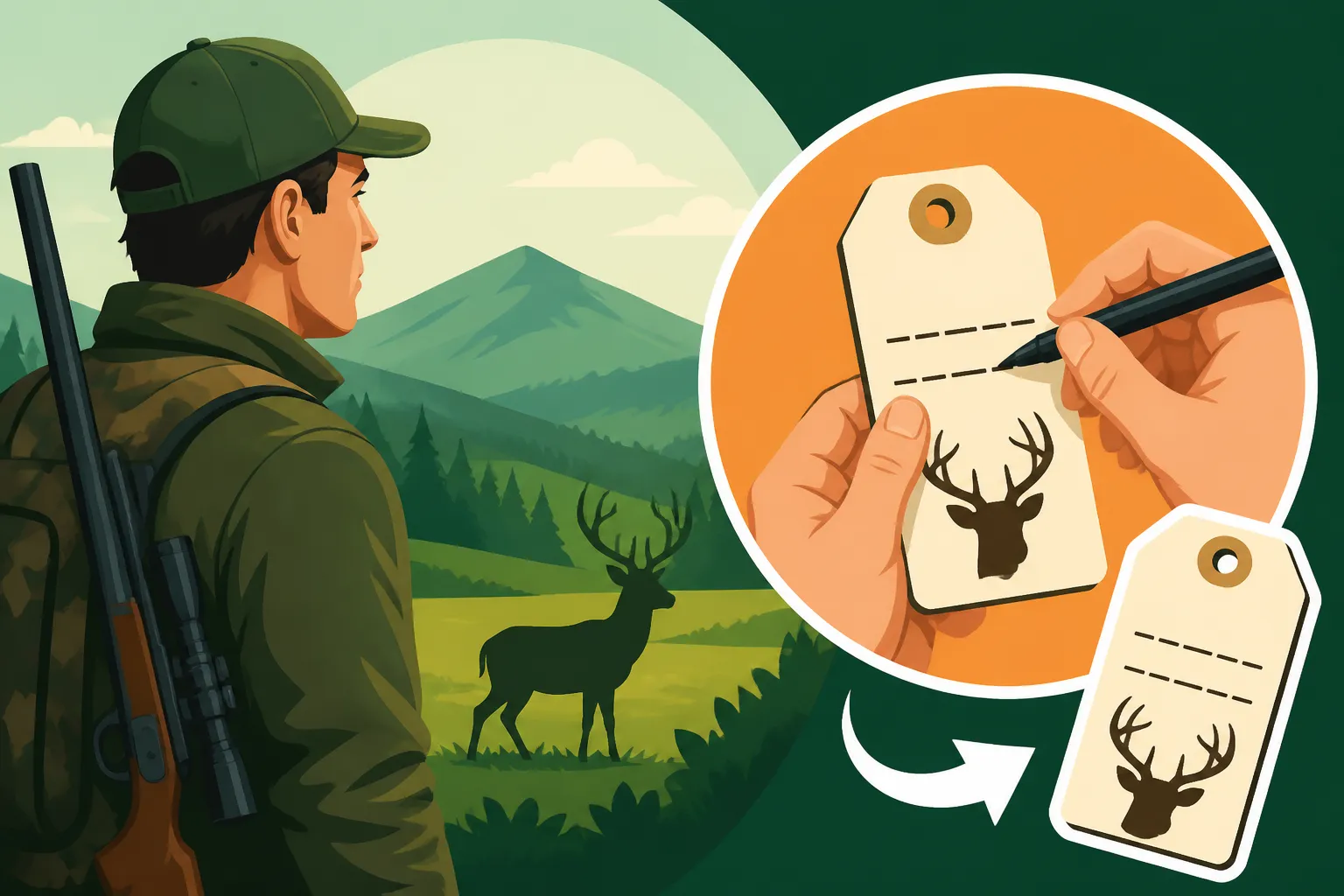
Imagine you're out on opening day, the woods are electric, and you manage to call in a magnificent gobbler. You make a clean shot, tag your bird, and the adrenaline is still pumping. You might think, "Great, I'll go out tomorrow and get my second!" And yes, you absolutely can, provided you fulfill the reporting requirements. The critical thing to remember is that you cannot possess two untagged turkeys simultaneously. Each bird must be tagged and reported according to Vermont Fish & Wildlife Department guidelines before you head back out for your next hunt. Many hunters use mapping apps like those offered by GoHunt to confirm property boundaries and quickly reference regulations while in the field.
Legal Reporting and Tagging Requirements
Once you've harvested your first bird, the clock starts ticking for reporting. Vermont mandates that all harvested turkeys be reported to the state within 48 hours. This process has become incredibly streamlined thanks to online portals and dedicated apps. You'll need your license number, the date and time of harvest, the Wildlife Management Unit (WMU) where you took the bird, and details about the bird itself, such as its beard length and spur length.
Failing to report your first bird correctly before attempting to harvest your second can lead to serious legal issues. It's not worth the risk. Many hunters find it easiest to report their bird as soon as they get out of the woods, or certainly before the end of the day. This prevents any forgetfulness or complications later on. Keep a physical copy of your license and tag with you, and consider having a screenshot of the reporting instructions on your phone, especially if you anticipate being in an area with spotty cell service. This diligent approach ensures you're always operating within the bounds of the law, setting you up for a legal and successful pursuit of your second gobbler.
Strategic Approaches for Your Second Gobbler
Once that first bird is down, the game often changes. The woods can feel different, and your mindset might shift from the frantic excitement of opening week to a more patient, perhaps more experimental, approach. You've proven you can do it, now it's about refining your strategy for that second, often harder-earned, tom.
Adapting to Mid-to-Late Season Behavior
The early season is characterized by gobblers eager to breed, often responding aggressively to calls. But by the time you're hunting your second bird, especially if it's a week or two into the season, those dynamics have often changed. Hens are nesting, gobblers might be "henned up" more frequently, or they might have been pressured and become more wary. This is where adaptation becomes key.
Instead of running and gunning, you might need to slow down your pace significantly. Focus on areas where you know turkeys roost or feed, then settle in for longer waits. Patience is truly a virtue When Vermont Gobblers Go Quiet in Late May. Birds that have heard countless calls might ignore aggressive cutting and yelping. Consider more subtle calling, softer purrs, or clucks, or even silent hunts focusing solely on observation. Instead of chasing the gobble, let the gobbler come to you, or at least come close enough for you to intercept him. Often, the second bird is a solo tom or one that has been left by the hens and is actively seeking new companionship. Look for subtle cues like fresh tracks in the mud, scattered droppings, or dusting bowls, which indicate recent turkey activity.
Hunting Pressured Birds and Unconventional Spots
By the time you're after your second tag, many of the easily accessible spots might have seen significant hunting pressure. Turkeys aren't stupid; they learn quickly. This means you need to think outside the box and be willing to put in a little more effort to find unpressured birds.
Consider areas that are harder to access, such as steep terrain in the Green Mountains, or dense, thick cover that other hunters might avoid. These areas often hold mature gobblers that have survived previous encounters. Utilizing mapping tools, like the comprehensive layers available through GoHunt, can help identify potential low-pressure areas, like remote corners of a Wildlife Management Area (WMA) or sections of a state forest that are a long walk from any access point. You might also want to look for unusual food sources that aren't typically associated with early season turkey hunting. A patch of wild strawberries, a less-traveled agricultural field, or even a particular stand of pines offering unique roosting cover could be the ticket. Sometimes, simply Setting Up Against a Big Sugar Maple in a dense woodlot near a known travel corridor can be more effective than trying to call birds across open fields.
Another strategy is to focus on smaller, isolated woodlots or strips of timber that might be overlooked. Many hunters converge on large tracts of public land, leaving smaller, private parcels (with permission, of course) or forgotten slivers of state land relatively undisturbed. These "honey holes" can produce excellent late-season opportunities. Don't be afraid to knock on doors or explore areas that seem less "turkey-y" at first glance.
Key Considerations for Later Season Success
The late spring turkey season in Vermont, particularly when you're pursuing that second bird, presents a unique set of challenges and opportunities. The weather is usually warmer, foliage is much thicker, and the birds themselves have often settled into more consistent patterns, albeit often more elusive ones.
Decoy and Call Adjustments
Your decoy strategy for your second bird often needs refinement. Early in the season, a jake and hen decoy spread can be incredibly effective, often eliciting aggressive responses from dominant gobblers. However, as the season progresses and breeding activity wanes, that aggressive jake might actually deter weary gobblers, or they might simply ignore it if they're already "henned up" or have seen too many fake birds.
Consider using fewer decoys, or perhaps just a single hen. A lone hen in a receptive pose can sometimes be more enticing to a satellite gobbler looking for one last breeding opportunity. Or, in areas with heavy hunting pressure, going completely decoy-less can be a wise choice. Sometimes, simply calling a bird into range without the visual of a decoy can be more effective, especially if that bird has already had negative experiences with decoys. For more nuanced advice, you can check out guides on Decoy Placement for Pressured Spring Birds.
Similarly, your calling cadence and volume might need to change. Aggressive, loud calling can be counterproductive in late May. Think soft, subtle, and infrequent. A few soft tree yelps at dawn, followed by long silences and occasional purrs or clucks, can pique a gobbler's interest without alerting him to your presence or making him feel pressured. Sometimes, the softest call, almost imperceptible, is the one that turns a wary tom. Mastering varied calling techniques, like those discussed in Calling a May Gobbler Off the Roost, is essential.
The Role of Weather and Scouting
Late spring weather in Vermont can be unpredictable, ranging from warm, sunny days to sudden, chilly rain showers. Understanding how weather impacts turkey behavior is crucial. Turkeys generally prefer sunny, dry conditions, especially for strutting and feeding. A sudden cold snap or persistent rain can make birds less active and less vocal.
After a period of bad weather, however, turkeys can become much more active and responsive, eager to make up for lost time. Pay close attention to weather forecasts and plan your hunts accordingly. A sunny morning after a rainy day can be a prime opportunity.
More importantly, continued scouting, even after you've harvested your first bird, is paramount. Turkeys can shift their patterns. What was a hot spot two weeks ago might be barren now. Utilize tools like the Vermont Fish and Wildlife Department's online maps, aerial photos, and even satellite imagery, which you can access via GoHunt, to identify potential new feeding areas, dusting sites, or travel corridors. Don't be afraid to put boots on the ground to confirm these spots. Look for fresh tracks, droppings, and shed feathers. Consider Scouting Vermont Public Land Before Season and adapting those techniques for mid-season adjustments. Identifying a fresh scrape line along a logging road or a new dusting bowl can make all the difference for your second tag.
| Strategy Component | Early Season (First Bird) | Mid-to-Late Season (Second Bird) |
|---|---|---|
| Gobbler Response | Eager, aggressive, vocal | Wary, often silent, "henned up" |
| Calling Style | Aggressive, loud, frequent | Soft, subtle, infrequent, patient |
| Decoy Use | Jake/Hen spread common | Single hen, or no decoys; subtle |
| Hunting Pace | Run and gun, cover ground | Sit longer, ambush, listen more |
| Location Focus | Known roosts, open fields | Thick cover, overlooked parcels, transition zones |
| Pressure Level | Lower (initially) | High, requiring creative tactics |
| Patience Level | Moderate | High, extended sits |
Common Mistakes and How to Avoid Them
Even experienced hunters can fall into traps when pursuing that second spring gobbler. Recognizing these common pitfalls and actively working to avoid them can significantly increase your chances of success. It's often about perspective and adjusting expectations.
Overcalling and Becoming Predictable
One of the biggest mistakes hunters make, especially after the initial excitement of the season, is overcalling. We hear a gobble, and our instinct is to hit them with a barrage of yelps and cuts. While this might work on an unpressured bird early on, it quickly makes you predictable to turkeys that have heard it all before.
Imagine a gobbler that has been called to by half a dozen hunters in the last two weeks. Each time, a hunter sounds aggressive, loud, and gives away their position. That gobbler quickly learns to associate aggressive calling with danger. For your second bird, err on the side of undercalling. Use just enough to pique his interest, then fall silent. Make him wonder where that hen went. Let him come looking for you. Sometimes, a single, soft tree yelp at dawn, followed by complete silence for 20-30 minutes, can draw a bird in from surprising distances. Your patience will be rewarded as you learn to read the bird's mood and adjust your calls accordingly. This requires a deep understanding of Grunt Calls in Mature Vermont Hardwoods or the turkey equivalent, allowing for nuanced communication.
Neglecting Scouting and Changing Patterns
Another common pitfall is relying too heavily on past success or early-season scouting. Just because you found a hot spot for your first bird doesn't mean it will hold turkeys for your second. As the season progresses, food sources change, hens start nesting, and gobblers alter their daily routines.
Neglecting to adapt your scouting efforts is a recipe for frustration. You need to constantly be looking for fresh sign: new dusting bowls, different feeding areas, or revised travel routes. A patch of green clover that was barren early on might now be a turkey magnet. A secluded bench on a hillside might become a new strutting zone. Don't be afraid to try new areas, especially those that might be less accessible or overlooked. Use mapping applications or review Reading Aerial Photos for Green Mountain Deer to identify potential new turkey habitat. What works for deer often translates well to finding remote turkey hideouts. Continual, active scouting is the best way to stay on top of the ever-changing patterns of late-season gobblers, helping you to efficiently find those Best Vermont WMUs for Turkeys.
Ultimately, filling that second spring tag in Vermont is a challenging but incredibly rewarding experience. It pushes you to become a more adaptable, patient, and observant hunter. By understanding the regulations, adjusting your strategies, and constantly learning, you'll be well on your way to bringing home that second bearded bird.
Disclaimer
Hunting involves inherent risks, including but not limited to those associated with firearms, archery equipment, and outdoor conditions. Always prioritize safety, understand and follow all local, state, and federal hunting regulations, and consider taking a hunter education course. This information is for educational purposes only and should not replace professional guidance or official regulatory documents. Ensure you have the proper licenses and permits before engaging in any hunting activities.