Best Vermont WMUs for Turkeys
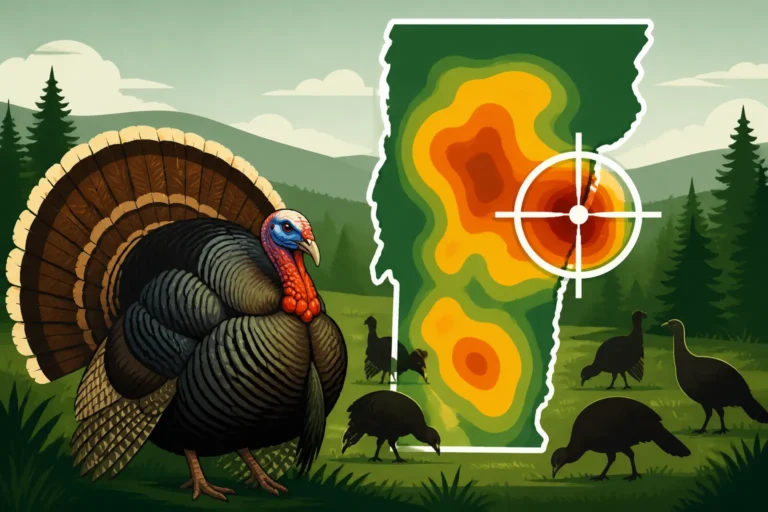
Finding that perfect spot for turkey hunting in Vermont can sometimes feel like trying to find a needle in a haystack, especially when you're looking for consistent gobbling action. It's frustrating to invest time scouting only to find sparse populations. This guide is here to shed light on some of Vermont's top Wildlife Management Units (WMUs) that tend to hold robust turkey numbers, offering insights into their habitat and what makes them prime real estate for these wily birds.
Understanding Vermont's Wild Turkey Comeback
If you've hunted in Vermont for a while, you know the wild turkey population hasn't always been as widespread as it is today. There was a time when seeing a turkey in much of the state was a rare event, a real sign of changing landscapes and historical pressures. It's a testament to dedicated conservation efforts that we now have such vibrant turkey populations across many of our beloved WMUs.
The Resurgence of the Wild Turkey in Vermont
It wasn't that long ago that wild turkeys were essentially extirpated from Vermont. Imagine a Vermont without the thunderous gobble echoing through the spring woods – it's almost unthinkable now! Their incredible comeback began with careful reintroduction programs in the 1960s and 70s, bringing birds from other states with healthy populations. These initial birds found suitable habitat, and with strict management, their numbers slowly but surely climbed. Now, these hardy birds have spread to nearly every corner of the state where good habitat exists. It's truly one of Vermont's great wildlife success stories.
The success of these reintroduction efforts hinges on the turkeys' remarkable adaptability and the diverse landscape Vermont offers. They established strong footholds in areas with a mix of mature hardwoods for roosting and foraging, open fields for strutting and bugging, and reliable water sources. The early success meant that subsequent generations expanded their range naturally, populating new territories and establishing the healthy populations we enjoy today. This sustained growth has allowed for seasons like Spring Turkey Hunting in Vermont and Fall Turkey Hunting Vermont's Statewide Archery Window, giving hunters ample opportunity.
Factors Influencing Turkey Distribution in WMUs
Not all WMUs are created equal when it comes to turkey density, and understanding why can really help you pinpoint the best hunting locations. Turkeys, like all wildlife, are creatures of habit and specific habitat needs. They thrive in areas that provide a year-round pantry and secure roosting sites, alongside places to breed and raise their young safely. WMUs that consistently offer this ideal blend are the ones you'll want to focus your scouting efforts on.
Think about the essentials: food, water, and cover. A WMU that's rich in mast-producing trees like oak, beech, and cherry will be a magnet for turkeys, especially in the fall when acorns and nuts are abundant. Proximity to agricultural fields, like corn or hay, provides protein-rich insects in the spring and summer, and waste grain in the fall and winter. Good roosting cover, typically mature, tall trees with strong horizontal limbs, is absolutely critical. WMUs with a good mix of these elements are consistently the highest producers for turkey hunters.
Key WMU Characteristics for Robust Turkey Populations
When you're poring over maps, trying to decide where to focus your turkey hunting efforts, it helps to know what to look for. Certain habitat features are like neon signs for wild turkeys, indicating a higher likelihood of finding birds. It's not just about vast expanses of woods; it's about the right kind of woods and the interplay with other landscape elements.
The Ideal Habitat Mix
Wild turkeys are masters of utilizing diverse environments. The "ideal" WMU for turkeys isn't just one thing, but a mosaic of several crucial elements. First and foremost, you'll want to see significant tracts of mature hardwood forests. These are essential for roosting, providing tall, strong trees where turkeys can safely spend the night away from ground predators. The forest floor here also offers a bounty of mast crops like acorns and beechnuts, which are critical food sources.
Beyond the hardwoods, look for a good scattering of open areas. These can be agricultural fields, old logging clearings, or even large sections of public land that are managed with periodic mowing or prescribed burns to keep them from becoming too dense. These open spaces are vital for strutting gobblers in the spring, displaying for hens, and for hens to nest and raise poults during the summer, where they can find an abundance of insects. Lastly, don't overlook reliable water sources – turkeys need to drink, and areas with small streams, ponds, or even seeps will concentrate birds. This varied landscape is often what allows for Vermont Turkey Population Estimate numbers to remain strong.
Food Sources and Their Seasonal Importance
The availability of consistent food sources is arguably the single biggest determinant of where turkeys will spend their time within a WMU. In the spring, after a long Vermont winter, turkeys are actively seeking high-protein foods like insects and tender new plant growth. You'll often find them foraging along field edges, old logging roads, and open forest floors. These are crucial areas for gobblers to hit right after flying down from the roost.
As summer progresses, poults require a diet rich in insects for rapid growth, so fields, meadows, and areas with lush undergrowth become prime foraging grounds. Come fall, the focus shifts dramatically to mast crops. Acorns, beechnuts, wild grapes, and even apples from old orchards become irresistible. A WMU with a reliable mast crop will hold turkeys well into the fall, and hunters skilled at Working a Fall Flock Apart Statewide With a Bow will find success. When you're using an app like GoHunt to scout, pay close attention to the tree species layer to identify mast-producing areas.
Terrain and Roosting Preferences
Terrain plays a significant role in turkey movement and roosting behavior. While turkeys can be found in relatively flat areas, many hunters find success in WMUs with rolling hills and varied topography. This kind of terrain offers natural travel corridors, funnels, and distinct elevations where turkeys prefer to roost. Often, turkeys will fly up to roost in the tallest trees on a ridge or hillside, giving them a commanding view and a safe perch for the night.
The presence of prominent ridges, draws, and benches can help concentrate turkeys and make them more predictable. Think about how a flock might move down a ridge in the morning to feed in a low-lying field, then return to a higher elevation to roost in the evening. Understanding these patterns, often influenced by the topography, is key to intercepting birds. When you're studying a WMU map, look for these natural features. Reading a Green Mountain Deer Yard is one thing, but reading for turkey roosts involves identifying those tall, mature trees near water or open fields on elevated ground.
Spotlight on Top Vermont WMUs for Turkey Hunting
While many WMUs across Vermont hold turkeys, some stand out consistently for their robust populations and the hunting opportunities they provide. It’s not just about having some turkeys; it’s about having enough birds to offer a good chance at success, whether you're trying to call in a spring gobbler or scatter a fall flock.
Northeast Kingdom's Hidden Gems
The Northeast Kingdom (NEK) might be famous for its moose and black bear populations, but it also harbors some fantastic turkey hunting, often with less pressure than areas closer to population centers. WMUs like Victory, Steam Mill, and West Mountain, while perhaps more rugged, offer expansive tracts of mixed forest and scattered agricultural lands. These areas provide the perfect blend of dense cover for security and mature hardwoods for roosting, combined with pockets of open fields for feeding.
Hunters willing to put in the legwork in the NEK will often be rewarded. You might not hear as many gobblers from the truck, but once you get a little deeper into these WMUs, the action can be phenomenal. The terrain can be challenging, but the payoff of calling in a big gobbler without another hunter in sight is a truly special Vermont experience. Pay close attention to logging roads and clear-cuts, as these often create desirable edge habitat for turkeys. Hunting a Drawn Moose Zone in the Northeast Kingdom might be the priority for some, but don't overlook the incredible turkey potential here.
Champlain Valley's Farm-Edge Opportunities
Moving west, the Champlain Valley WMUs offer a completely different, yet equally productive, turkey hunting experience. With its rich agricultural heritage, this region is characterized by a mix of hardwood woodlots, brushy fencerows, and vast open fields. WMUs such as Dead Creek, Little Otter, and Addison provide excellent habitat, especially where these fields abut wooded areas. Turkeys thrive on the waste grain and abundant insects found in these farmlands, and the mature trees along field edges provide ideal roosting sites.
The birds here tend to be accustomed to human activity, but that doesn't make them easy. They are often incredibly wary and require careful planning and precise calling. Scouting these areas, either physically or using mapping tools like GoHunt, to identify roosting locations and travel corridors between fields and woods is absolutely critical. Early morning hunts often involve setting up on a field edge where gobblers are likely to fly down and strut. You might even find yourself Hunting a Champlain Valley Dairy Farm Edge for spring birds.
Green Mountain Foothills and Their Challenges/Rewards
The central Green Mountain foothills present a unique set of WMUs for turkey hunting, offering both challenges and substantial rewards. Areas like the eastern slopes of the Green Mountains, including parts of WMUs around Rochester, Hancock, and Granville, feature steeper, more broken terrain with abundant hardwood forests. While access can be more difficult in some spots, these WMUs hold strong turkey populations that thrive in the expansive, undisturbed woods.
Hunting these foothill WMUs often requires more physical exertion. You'll be climbing, descending, and navigating dense timber. However, the reward can be finding less pressured birds and experiencing the classic long-distance gobble echoing through the valleys. Focus on identifying benches, saddles, and gradual slopes where turkeys might travel or feed. Calling strategies in this terrain need to account for Wind and Thermals in Steep Green Mountain Terrain, as sound can carry and dissipate unexpectedly. These WMUs can be perfect for hunters who enjoy a more solitary, backcountry-style hunt.
Strategies for Scouting and Success in Prime WMUs
Identifying the right WMU is only the first step. To consistently find and harvest turkeys, you need effective scouting strategies and a willingness to adapt your approach to both the landscape and the birds' behavior. It's a blend of boots-on-the-ground effort and smart use of modern tools.
Pre-Season Scouting and Technology
Successful turkey hunting almost always begins long before opening day. Pre-season scouting is paramount, allowing you to locate birds, identify roosting areas, and understand their daily patterns. This involves getting out into your chosen WMU, listening for gobblers at dawn, and looking for physical sign. You're trying to piece together a puzzle of where the birds live, feed, and travel.
Modern technology has revolutionized this process. Apps like GoHunt are invaluable for pre-season scouting. You can use their satellite imagery and topographic maps to identify potential roosting areas (tall trees on ridges near open fields), feeding zones (mast-producing hardwoods, agricultural fields), and travel corridors (logging roads, creek bottoms, natural funnels). You can even mark potential setup locations or areas where you’ve heard gobblers previously. This digital groundwork complements your physical scouting, making your time in the woods far more efficient. It helps you understand the Vermont Turkey Population Estimate and where they're concentrated.
Reading the Landscape for Turkey Sign
Once you're in the woods, knowing what to look for can tell you a lot about turkey presence and activity. Turkeys leave behind a host of clues that, when interpreted correctly, can lead you directly to them. Fresh tracks in mud or snow can tell you direction of travel and approximate size. Droppings can indicate recent feeding activity; tom droppings are typically "J" or "corkscrew" shaped, while hen droppings are usually more blob-like.
Beyond droppings and tracks, look for dusting bowls – shallow depressions where turkeys have ruffled their feathers to remove parasites. Strut zones, areas of disturbed leaves or bare earth where a gobbler has displayed, are also a clear indicator of a tom's presence. Finding discarded feathers, especially large primary wing feathers, also tells you birds are in the area. Pay attention to the subtle cues that the landscape offers; turkeys are always leaving breadcrumbs for the observant hunter.
Adapting to Seasonal Changes
Turkey behavior shifts significantly between the spring and fall seasons, and successful hunters understand and adapt to these changes. In spring, the focus is almost entirely on breeding. Gobblers are vocal, eager to respond to calls, and driven by the urge to find hens. Your strategies will center around locating a gobbling tom, getting into a good setup, and using calls to lure him into range. This is the time for exciting, interactive hunting.
| Season | Primary Objective | Typical Behavior | Scouting Focus | Calling Strategy |
|---|---|---|---|---|
| Spring | Locate and call in a gobbling tom | Gobblers vocal, strutting, seeking hens; hens nesting | Roost sites, strut zones, feeding areas (insects) | Aggressive calling, hen yelps, cuts, clucks |
| Fall | Break up a flock and call birds back | Flocks are cohesive, less vocal; focus on food | Mast crops, agricultural fields, dusting bowls | Assembly calls, lost hen yelps, kee-kees (for poults) |
Fall hunting, on the other hand, is generally less about gobbling and more about flock dynamics and food sources. Turkeys typically travel in larger, cohesive groups, and calling is often used to bring scattered birds back together after you've broken up a flock. Locating fall birds often means finding where they are feeding heavily, usually in mast-rich woods or agricultural fields. Understanding Vermont Fall Turkey Bag Limit and specific WMU rules is also crucial. Whether it's spring or fall, staying flexible and keenly observing turkey behavior will put you in the best position for success.
Disclaimer
This article is for general informational purposes only and does not constitute professional advice. Laws, prices and regulations vary by location and change over time. Consult a qualified professional for guidance on your specific situation.