Vermont Moose Vehicle Collision Numbers
There's a unique kind of dread that settles in when you're driving through rural Vermont, especially at dawn or dusk, and you suddenly think about moose. It's not just a passing thought; it's a very real concern for many of us who live and travel here. The sheer size of these magnificent animals means that a collision isn't just a fender bender – it can be catastrophic for both the vehicle occupants and, of course, the moose. This guide aims to shed some light on the reality of moose vehicle collisions in our beautiful state, helping you understand the numbers, the risks, and what you can do to stay safe on the roads.
The Sobering Reality of Moose Vehicle Collisions in Vermont
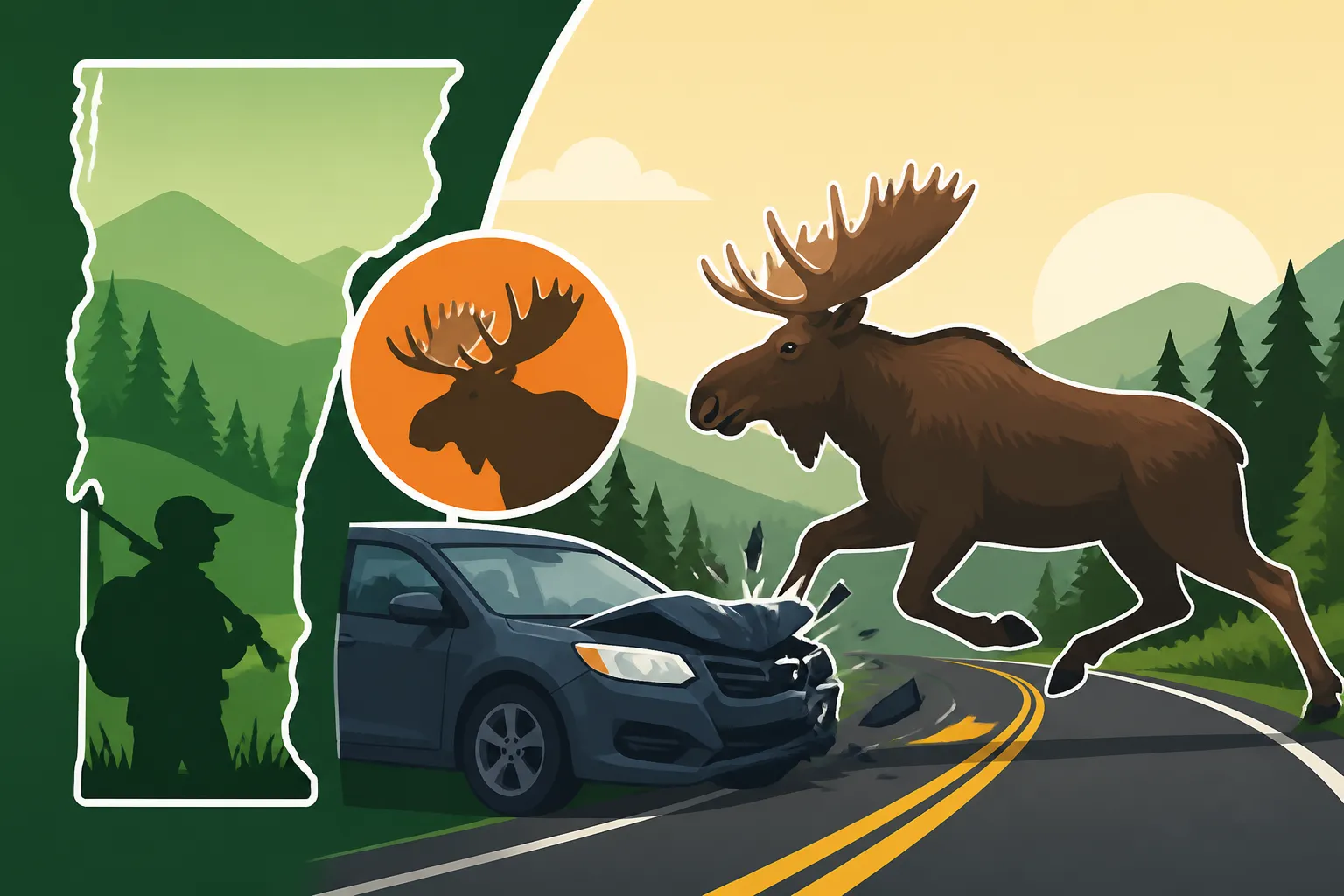
Let's face it, hitting a deer is bad enough, but hitting a moose is on an entirely different scale. These aren't small creatures; adult moose can stand over six feet tall at the shoulder and weigh upwards of a thousand pounds, sometimes even more. Their long legs mean that when impact occurs, their heavy body often comes crashing through the windshield, rather than just impacting the bumper. This terrifying scenario explains why moose vehicle collisions are far more dangerous to human occupants than deer collisions. The damage to your vehicle can be total, and the risk of serious injury or fatality for those inside is tragically high.
It's easy to dismiss it as something that only happens to "other people," but the truth is, if you spend enough time driving Vermont's backroads, particularly in certain regions, you'll inevitably be sharing the road with moose. Knowing this isn't meant to instill fear, but rather to foster a healthy respect and awareness. The numbers, though they fluctuate year to year, consistently remind us that these incidents are a serious concern for public safety and for our beloved moose population. Each collision is a loss, both for the wildlife and often for the people involved.
Why Moose Collisions Are More Dangerous Than Deer Collisions
The physics of a moose collision are brutal. When a deer is struck, it typically impacts the lower front of a vehicle, causing damage to the bumper, grille, and perhaps the hood or windshield. While certainly dangerous and often leading to serious injuries or fatalities for the deer, the human occupants are generally better protected by the vehicle's structural integrity.
Moose, however, are built differently. Their sheer height means that their legs are often struck first, causing their massive body to pivot and roll over the hood and into the passenger compartment through the windshield. Imagine a half-ton or more of solid muscle and bone crashing into your lap at highway speeds. It's an image that's hard to shake, and it's why safety experts consistently warn about the unique dangers of moose encounters on the road. The injuries sustained by vehicle occupants in these situations can be severe, ranging from broken bones and head trauma to far worse. It's a stark reminder that these aren't just animals crossing the road; they're substantial, unpredictable hazards that demand our utmost attention as drivers.
The Impact on Vermont's Moose Population
Beyond the immediate human and vehicular toll, every moose lost to a vehicle collision impacts Vermont's overall moose population. Our state has worked hard to manage and understand the Moose in Vermont's Northeast Kingdom and beyond. While vehicle collisions aren't the primary factor in population trends, especially compared to challenges like winter ticks, they do represent a preventable loss. For a population that already faces pressures, losing mature cows or healthy bulls to road accidents is always a setback.
The Vermont Fish & Wildlife Department monitors these incidents closely, using the data to inform their wildlife management strategies. They also rely on reports from the public after a collision to better understand high-risk areas and times. It's a delicate balance, trying to ensure public safety while also conserving a healthy and sustainable moose herd. Understanding How Many Moose Live in Vermont and where they spend their time is critical for both conservation efforts and road safety initiatives.
Understanding When and Where Moose Collisions Happen
Moose aren't just randomly appearing on roads; there are predictable patterns to their movements that correlate with higher collision rates. Knowing these patterns can empower you to drive more defensively and be extra vigilant when the risk is highest. It's all about understanding their natural rhythms and habitat preferences.
Seasonal Peaks for Moose Encounters
You might think moose are a year-round threat, but certain seasons significantly increase your chances of an encounter. The primary peak for moose vehicle collisions in Vermont tends to be in the fall, specifically during the rut (mating season), which typically runs from late September through October. During this time, bull moose are on the move, actively seeking cows, and both sexes are less cautious and more focused on breeding. Their minds are elsewhere, making them less attentive to vehicles. This is a time when hunters are also out looking for Moose Hunting Vermont's Northeast Kingdom, so awareness of moose activity is high all around.
Another elevated period can be late spring and early summer. This is when cows are giving birth, and yearling moose are often driven away by their mothers to fend for themselves. These young, inexperienced moose are still learning the ropes and are more prone to wandering into unfamiliar territory, including roads. Additionally, the flush of new greenery along road shoulders can attract moose looking for an easy meal, especially after a long winter.
During deep winter, moose tend to be more concentrated in deer wintering areas or specific foraging grounds, which might reduce their road crossings in some areas, but heavy snow can also make roads easier travel corridors for them.
Time of Day: Dawn and Dusk are Danger Zones
This one is crucial and often repeated for deer, but it applies even more so to moose: dawn and dusk are prime times for collisions. Moose are crepuscular, meaning they are most active during these twilight hours. As the sun rises and sets, visibility for drivers is at its absolute worst – glare can be intense, shadows are long, and the changing light makes it incredibly difficult to spot a dark-colored animal against a dark background.
Think about it: you're driving home from work, or heading out for an early morning hunt. Your eyes are adjusting, maybe you're still half-asleep or just tired. A moose, especially a young one, could step out from the treeline with little to no warning. This is when maintaining slower speeds and hyper-vigilance becomes absolutely paramount. Your perception is limited, and the moose's awareness is also often reduced by its foraging or travel instincts.
| Risk Factor | High-Risk Season | High-Risk Time of Day | High-Risk Geographic Areas (General) |
|---|---|---|---|
| Moose Activity | Fall (Rut: Sep-Oct), Late Spring/Early Summer (Yearling dispersal) | Dawn & Dusk (Crepuscular) | Heavily forested, low population density, near wetlands/waterways |
| Driver Visibility | Fall (foliage, shorter days), Winter (snow, glare) | Dawn & Dusk | Curvy roads, hills, dense vegetation close to road |
| Moose Behavior | Breeding, foraging, migration for wintering areas | Foraging, traveling | Crossing points between habitats, river valleys |
Geographic Hotspots in Vermont
While moose can be found throughout much of Vermont's forested landscape, certain areas are known hotspots for vehicle collisions due to higher moose density and specific road layouts. Unsurprisingly, the Northeast Kingdom is often cited as having the highest concentration of moose and, consequently, the most collisions. This region's expansive forests, wetlands, and lower human population density create ideal moose habitat. Routes like US Route 2, VT Route 105, and other state roads weaving through Essex, Caledonia, and Orleans counties are particularly notorious.
However, it's not exclusively the NEK. Any area with dense forest cover intersecting with roads, especially near wetlands, rivers, or large tracts of public land like the Green Mountain National Forest's Two Districts, can be an elevated risk. Moose are often drawn to these areas for forage and water. When you're using a mapping tool like GoHunt to scout for hunting opportunities, you might notice how these habitat features often intersect with roads. That same knowledge, applied to driving, can make you a safer motorist. Pay close attention to moose crossing signs; they're not there for decoration, but to warn you of historically active areas.
Strategies for Mitigating Risk on Vermont's Roads
Knowing when and where moose collisions are most likely is the first step; the next is actively changing your driving habits to reduce your risk. It’s about proactive measures rather than reactive panic.
Defensive Driving: Slow Down and Scan
The simplest yet most effective strategy is to slow down, especially during high-risk times and in known moose country. This isn't just about adhering to the speed limit; it's about reducing your speed below the limit if conditions warrant it. A few miles per hour less can make all the difference in reaction time, allowing you to brake or swerve (carefully!) if a moose appears.
- Scan the Road and Shoulders Constantly: Don't just look at the pavement directly in front of your vehicle. Actively scan the ditches, road shoulders, and treeline for any sign of movement or the tell-tale dark shape of an animal. Look for "eyeshine" – the reflection of your headlights in an animal's eyes – though with moose, this can be tricky because their eyes are often above the headlight beam.
- Use High Beams Wisely: On rural roads where there's no oncoming traffic, use your high beams to extend your field of vision. This extra light can buy you precious seconds of reaction time. However, be courteous and dip your lights for approaching vehicles.
- Be Prepared to Stop: Keep ample distance from the vehicle in front of you. This provides more time to react if they suddenly brake, or if you spot a moose that they may not have seen.
Remember, moose often travel in groups, particularly a cow with her calf. If you see one moose, always assume there might be another, or even two, following close behind. Just like when you're Scouting Vermont Public Land Before Season, you're looking for patterns and signs; apply that same observational skill to your driving.
Avoiding Distractions
In today's world, distractions are everywhere – cell phones, infotainment systems, even just intense conversations with passengers. When you're driving in moose country, every shred of your attention needs to be on the road and its surroundings. A momentary glance down at your phone could be the difference between safely passing a moose and a devastating collision.
Put your phone away. Set your GPS before you start driving. Keep conversations engaging but not all-consuming. The responsibility is entirely on the driver to maintain focus. No text message or social media update is worth the risk of a moose collision. If you're using a hunting app like GoHunt to check maps for your next adventure, make sure you pull over safely before interacting with your device. Even momentary lapses in concentration can have severe consequences.
Understanding Moose Behavior on Roads
Moose can be unpredictable, but understanding their general behavior helps. They don't always react to vehicle lights and horns in the way a deer might. Sometimes, they'll freeze, trying to decide which way to go. Other times, they might bolt erratically.
- Don't Assume They'll Move: Unlike deer that often bound away, a moose might stand its ground, especially if it feels cornered or is with a calf. If you see a moose on the side of the road, slow down dramatically and be prepared for it to step into your lane.
- Honk Your Horn (Carefully): A sustained blast of your horn might startle a moose into moving, but it's not guaranteed. Some might react with panic, causing them to bolt in an unpredictable direction. Use it if you feel it's necessary to get their attention, but always be ready for any reaction.
- If a Collision is Imminent: If a collision is unavoidable, try to brake hard and aim for the rear of the animal. This might sound counterintuitive, but aiming for the legs or body could cause the moose's mass to come through your windshield. Braking firmly before impact can also reduce the severity of the crash. However, never swerve into oncoming traffic or off the road into a tree to avoid a moose; the alternative could be equally or more dangerous.
What to Do If You Encounter a Moose or Experience a Collision
Despite all precautions, sometimes a collision is unavoidable, or you might simply encounter a moose in the middle of the road. Knowing what to do in these stressful moments can make a critical difference.
If You See a Moose on or Near the Road
- Slow Down Immediately: As soon as you spot a moose, reduce your speed significantly.
- Assess the Situation: Is it alone or with a calf? Is it moving towards or away from the road? How far away is it?
- Signal Others: If safe to do so, flash your high beams and tap your brakes to alert drivers behind you.
- Give Them Space: Moose are wild animals and can be aggressive, especially a cow protecting a calf. Never approach a moose on foot, even if it seems docile.
- Wait for It to Move: If a moose is in the middle of your lane, wait patiently for it to clear the road. If you can safely pass by slowing to a crawl and giving it a wide berth, do so, but be ready for it to change its mind.
When you're out Still-Hunting Green Mountain National Forest Timber or exploring new areas with your GoHunt app, you might see moose tracks or droppings near roads. Use that as a mental note for when you're driving in the future. Those scouting observations can translate to safer driving habits.
In the Event of a Collision
This is the scenario we all hope to avoid, but if it happens, these steps are crucial:
-
Safety First:
- Stay Calm (as much as possible): It will be a shocking, traumatic event. Try to take deep breaths.
- Pull Over Safely: If your vehicle is still operable, pull it off the road to a safe location. Turn on your hazard lights.
- Check for Injuries: First, check yourself and any passengers for injuries. If anyone is injured, call for emergency medical help immediately.
- Do Not Approach the Moose: Even if the moose appears dead or incapacitated, it can still be dangerous. A severely injured animal can lash out unexpectedly. Keep a safe distance.
-
Report the Incident:
- Call 911 (or local law enforcement): Report the collision, emphasizing that it involves a moose. Provide your exact location.
- Contact Vermont Fish & Wildlife Department: Law enforcement will typically handle this, but it's good to be aware that the Fish & Wildlife Department needs to know about moose collisions for population monitoring and carcass removal. They manage Vermont Deer and Moose Disease Monitoring and track these events closely.
- Inform Your Insurance Company: As soon as possible, report the incident to your insurance provider. Take photos of the damage if it's safe to do so.
-
Carcass Removal and Salvage:
- Do Not Attempt to Move the Moose: A thousand-pound animal is not something you can easily move yourself.
- Moose Salvage: In Vermont, if you hit and kill a moose, you might be able to salvage the meat. This often requires contacting the Fish & Wildlife Department first to obtain a tag or permit. They have specific rules for handling wildlife salvage, and these rules are designed to ensure proper registration and to prevent waste. This isn't always an option for deer, but due to the size and meat yield of a moose, it's a common practice.
Remember, the goal is always to prevent these collisions, but being prepared for the worst-case scenario can help manage a terrifying situation.
Vermont's Approach to Moose Management and Public Safety
Vermont's Fish & Wildlife Department works tirelessly to balance the health of our wildlife populations with the safety and well-being of our human residents. When it comes to moose, this means a multi-faceted approach that considers everything from habitat to hunting seasons and, yes, vehicle collisions.
Monitoring Moose Populations
The department uses various methods to estimate Vermont Moose Population Estimate and track trends. This involves aerial surveys, ground observations, hunter harvest data (from permits like those drawn through the Vermont Moose Lottery Application Process), and, importantly, reports of moose vehicle collisions. All this data helps them understand where moose are, how many there are, and what challenges they face. For instance, the ongoing concern about Why Winter Ticks Threaten Vermont Moose directly influences population management decisions, which can, in turn, affect moose distribution and movement patterns.
Understanding these dynamics is key. If a population becomes too dense in a particular area, it can lead to increased disease transmission, habitat degradation, and, yes, more interactions with human infrastructure, including roads. The department’s goal is to maintain a healthy, sustainable population, not an overpopulated one that leads to problems for both moose and humans.
Public Awareness Campaigns and Signage
You've probably seen them: those iconic yellow diamond signs with the silhouette of a moose. These aren't just scenic markers; they are strategically placed in areas with a history of moose sightings or collisions. These signs are critical components of public awareness campaigns, constantly reminding drivers to be vigilant, especially in those higher-risk zones.
The department also disseminates information through various channels, from their website to local media, particularly during peak collision seasons like the fall rut. These campaigns emphasize safe driving practices, the dangers of distracted driving, and the importance of reporting incidents. It’s an ongoing effort to educate both residents and visitors about the unique challenges of sharing the roads with such large animals.
The Role of Hunting in Population Management
Hunting plays a vital role in managing wildlife populations in Vermont, and moose are no exception. While controversial for some, regulated moose hunting, through programs like the Vermont Moose Permit Lottery, is a tool used by wildlife biologists to help manage population density. By carefully issuing a limited number of permits in specific Wildlife Management Units (WMUs), the department can influence the moose population's size and distribution.
The goal isn't to eradicate moose but to maintain a population level that is healthy for the habitat and minimizes conflicts with humans, including vehicle collisions. Fewer moose in an area with high road traffic might mean fewer collisions. It's a complex science, balancing ecological factors with public safety and recreational opportunities. While GoHunt might not track collision hotspots, it certainly helps hunters understand moose movement and habitat, which is all part of the larger picture of living alongside these incredible creatures.
Ultimately, preventing moose vehicle collisions is a shared responsibility. It requires vigilance from drivers, sound management from the state, and a collective respect for the wild inhabitants of Vermont.
Disclaimer
This article is for general informational purposes only and does not constitute professional advice. Laws, prices and regulations vary by location and change over time. Consult a qualified professional for guidance on your specific situation.