Vermont Bobcat Population Trends
It's incredibly challenging to get a handle on the true numbers of a creature as reclusive and stealthy as the bobcat here in Vermont. Many of us have spent countless hours in the woods, maybe seen a fleeting glimpse, or perhaps only found their tracks in the snow, leaving us wondering just how many of these beautiful, wild cats actually roam our Green Mountains. This guide is here to shed some light on what we know about Vermont's bobcat population trends, how wildlife biologists keep track, and what factors influence their presence in our beloved landscape.
The Elusive Vermont Bobcat: A Glimpse into Their World
When you think of a bobcat, you probably picture that short, "bobbed" tail that gives them their name, and for good reason! These fascinating felines are perfectly adapted to life in our varied Vermont terrain, but their secretive nature makes them one of the most intriguing and mysterious animals we share the woods with. It's truly a special moment when you cross paths with one, a testament to their incredible stealth.
Characteristics and Habitat Preferences
Vermont bobcats typically weigh in between 15 and 35 pounds, with males generally being larger than females. They're recognized by their tawny to reddish-brown fur, often spotted or streaked with black, which provides excellent camouflage among the shadows of the forest. Their short tail, about 4-7 inches long, and tufted ears are also distinctive features. But what really sets them apart is their incredible ability to blend in and move silently through their environment. They are rarely seen, even by seasoned woodsmen, which really speaks to their mastery of their surroundings.
Their ideal habitat in Vermont is a mosaic of dense forestland, interspersed with more open areas, brushy clearings, and rocky outcrops. These areas provide the perfect combination of hunting grounds, denning sites, and crucial cover for escaping predators or harsh weather. Think of those wilder corners of the Northeast Kingdom, or the rugged slopes of the Green Mountains, and you're picturing prime bobcat country. They're not exclusively deep-woods creatures, though; they'll often utilize forest edges near fields or wetlands, making them adaptable hunters who know how to make the most of what's available. Their activity is primarily nocturnal or crepuscular, meaning they're most active at dawn and dusk, which further contributes to their elusive reputation.
Bobcat Diet and Role in the Ecosystem
Bobcats are opportunistic predators, and their diet reflects the bounty of Vermont's wild spaces. Their primary food sources include small mammals like rabbits and snowshoe hare, squirrels, and various rodents, as well as a variety of ground-nesting birds. During the colder months, they're not above preying on deer fawns if they can find them, and they'll readily scavenge on deer carcasses left by other predators or hunters, especially during a tough winter. This adaptability is key to their survival in a landscape with seasonal fluctuations in prey availability.
As a meso-predator, bobcats play a vital role in maintaining the ecological balance of Vermont's forests. By preying on smaller animals, they help regulate the populations of these species, preventing overgrazing or disease outbreaks that can result from unchecked growth. They're part of a complex web of life that includes other predators like coyotes. While bobcats and coyotes exist in the same habitats, they generally avoid direct conflict, often focusing on different prey or hunting at different times. Understanding this dynamic is crucial for appreciating the intricate balance of our natural world, as discussed in Coyotes and Predators in Vermont. They are a true indicator of a healthy, diverse ecosystem, thriving in areas with robust prey bases and good cover.
A Look Back: Historical Bobcat Presence in Vermont
It's easy to assume that the bobcat population has always been stable, but like many of our furbearers, their history in Vermont tells a story of significant challenges and impressive resilience. Understanding their past helps us appreciate their current status and the conservation efforts that have brought them back from the brink. It’s a powerful reminder of how human actions can both harm and heal wild populations.
Early Decline and Recovery Efforts
Historically, bobcats faced considerable pressure in Vermont, much like many other predators. During the 18th and 19th centuries, they were often viewed as pests or competitors with human interests, leading to widespread hunting and trapping, sometimes incentivized by bounty systems. Habitat loss due to widespread agricultural development and logging also played a significant role in their decline. Imagine a Vermont landscape with far fewer forests and more open farmland; it simply wasn't conducive to sustaining large bobcat numbers. By the early to mid-20th century, their populations were significantly reduced, causing serious concern among early wildlife managers.
However, the tide began to turn. As agricultural practices shifted and many farms were abandoned, Vermont's forests began to regrow, slowly but surely reclaiming vast tracts of land. This natural reforestation provided new and expanded habitat for bobcats and their prey. Simultaneously, conservation movements gained traction, leading to the establishment of wildlife agencies and regulations designed to protect and manage wildlife rather than eradicate it. Bounties were eventually phased out, and more regulated hunting and trapping seasons were implemented, focusing on sustainable harvest rather than control. These changes were instrumental in allowing bobcat populations to slowly, but steadily, recover. It's a wonderful success story of natural resilience aided by thoughtful conservation.
Shifting Perceptions and Conservation
The journey from "pest" to "valued wildlife" is a common narrative for many species, and the bobcat is no exception. As ecological understanding grew, and more people recognized the intrinsic value of wildlife, public perception began to shift. The bobcat, once seen as a threat, started to be appreciated for its beauty, its wildness, and its role in maintaining a healthy ecosystem. This cultural shift was critical in supporting policies aimed at their recovery and long-term conservation.
State wildlife agencies, like the Vermont Fish and Wildlife Department, have been at the forefront of this evolution. They implemented science-based management plans, including setting conservative trapping and hunting seasons, establishing bag limits, and conducting research to monitor population health. These plans are designed to ensure that bobcats can thrive for generations to come, balancing human interaction with their ecological needs. This proactive management, combined with the natural regeneration of their habitat, has allowed Vermont's bobcat population to rebound significantly, becoming a symbol of successful conservation efforts across the state.
What Shapes Bobcat Numbers: Key Population Factors
Understanding the ebb and flow of bobcat populations isn't just about counting them; it's about delving into the complex web of environmental factors that allow them to flourish or challenge their survival. These cats are incredibly adaptable, but even they are beholden to the conditions of their environment. It’s a delicate balance, and any shift can ripple through their numbers.
Habitat Availability and Fragmentation
For a creature that relies on stealth and cover, habitat is everything for a bobcat. They need large, contiguous tracts of mixed forest, brush, and rocky areas for hunting, breeding, and raising their young. A healthy bobcat population thrives where there's enough room to roam without constantly running into human development. When we talk about healthy bobcat numbers, we're really talking about healthy, connected landscapes.
Unfortunately, human development, like new roads, housing projects, and sprawling infrastructure, can lead to habitat fragmentation. This means breaking up those crucial large tracts of land into smaller, isolated patches. When this happens, bobcats might find themselves cut off from essential hunting grounds, potential mates, or safe denning sites. A road, for instance, might seem insignificant to us, but for a bobcat, it can be a dangerous barrier that limits their movement and increases their risk of mortality. Vermont has done a remarkable job of preserving wild spaces, but the pressure of development is always there. This makes efforts to protect large, undeveloped areas, like those found when Scouting Vermont Public Land Before Season, all the more critical for their long-term survival.
Prey Abundance and Disease
It goes without saying, but a predator needs a healthy supply of prey to survive and reproduce successfully. For bobcats, this means a robust population of rabbits, hares, rodents, and other small game. If their preferred prey species experience a decline due to harsh winters, habitat loss, or disease, bobcat numbers will inevitably follow suit. Think of it like a grocery store; if the shelves are bare, you can't feed your family. The same applies to our wild felines.
While generally resilient, bobcats are not immune to diseases. Feline distemper, rabies, and other parasites can impact their health and survival, particularly in areas with higher population densities. However, these factors typically have less of a statewide impact on overall bobcat populations compared to habitat loss or prey availability. One often-overlooked aspect is competition. While bobcats are formidable predators, they share the landscape with other hunters, including coyotes. The presence and health of other predators can indirectly influence bobcat numbers by affecting the overall prey base.
Weather and Climate Impacts
Vermont winters are legendary, and while bobcats are built for them, extreme weather can still play a significant role in their population dynamics. Deep snow can make hunting incredibly difficult, especially for smaller prey that can move easily beneath the drifts. This can lead to starvation, particularly for younger, less experienced bobcats. A prolonged, severe winter can also directly impact prey populations, creating a ripple effect up the food chain.
Looking at the bigger picture, long-term climate shifts could also influence bobcat populations. Changes in average temperatures, precipitation patterns, or the frequency of extreme weather events could alter forest composition, affect prey availability, or even introduce new diseases. While bobcats have shown remarkable adaptability, rapid environmental changes could pose new challenges. Hunters and trappers who spend considerable time in the field, often use tools like the GoHunt app for scouting terrain and understanding weather patterns, which indirectly helps us understand the conditions these animals face. This information, gathered over time, helps build a clearer picture of their resilience or vulnerability.
Keeping Tabs: How Vermont Monitors Its Bobcats
Given how notoriously difficult bobcats are to spot, you might wonder how wildlife biologists in Vermont manage to track their populations and understand their trends. It's certainly not an easy job, but through a combination of traditional field techniques and cutting-edge technology, they piece together the puzzle of these shadowy forest dwellers. This work is essential for ensuring sustainable management practices.
Tracking Methods: Scat, Tracks, and Sightings
For generations, wildlife experts and keen observers have relied on classic tracking methods. Looking for tracks in fresh snow or mud is one of the most reliable ways to confirm a bobcat's presence in an area. Their distinct paw prints, without claw marks (as they retract their claws), can tell a story of their movements, hunting patterns, and even their general size. Finding scat, or droppings, can also offer clues about their diet and health. These are often deposited in prominent locations, like on logs or rocks, to mark territory.
Beyond physical signs, public sightings, though anecdotal, can contribute to a broader understanding of where bobcats are present. Programs encouraging citizens to report unusual wildlife observations can help fill in gaps in knowledge. While these methods provide valuable qualitative data, they don't always give precise population numbers. Still, every piece of information helps in mapping out their general range and distribution across Vermont. It's a testament to the dedication of folks who spend their lives immersed in the wild, reading the subtle signs of nature.
More Advanced Techniques: Camera Traps and Telemetry
In recent decades, technology has revolutionized how we monitor elusive wildlife. Camera traps, strategically placed in likely bobcat travel corridors, at natural choke points, or along game trails identified through tools like GoHunt, have become invaluable. These motion-activated cameras capture images or videos of passing animals, providing irrefutable evidence of presence, activity patterns, and even individual identification through unique spot patterns. A network of these cameras across various landscapes can help biologists estimate population densities in different regions. This non-invasive method allows for continuous monitoring without disturbing the animals, offering a window into their private lives that was previously impossible.
Even more detailed insights come from telemetry studies. This involves safely capturing a bobcat and fitting it with a radio collar or a GPS tracking device before releasing it. These collars transmit signals that allow researchers to track the animal's movements, determine its home range, study its habitat use, and even understand its survival rates and reproductive success. These studies are crucial for understanding the finer details of bobcat ecology and are often concentrated in specific study areas to provide highly detailed local population data.
Harvest Data as an Indicator
While it might seem counterintuitive to some, the regulated harvest of furbearers like bobcats by licensed hunters and trappers provides critical data for population assessment. Every bobcat legally taken in Vermont must be reported and often undergoes a biological check. During this process, biologists can collect valuable information such as the animal's sex, age (by examining teeth), weight, and general health. This data, when aggregated over many years, provides a long-term snapshot of the population's structure, health, and reproductive success.
For example, a high proportion of young bobcats in the harvest might suggest a healthy, reproducing population, while a shift towards older animals could indicate lower recruitment. This harvest data helps wildlife managers adjust future season lengths, bag limits, and trapping regulations to ensure the sustainability of the population. It's a carefully managed system, built on the principle that responsible utilization can go hand-in-hand with conservation, ensuring that activities like those described in Trapping Vermont Furbearers are conducted responsibly and contribute to conservation science.
Current Status and Future Outlook for Vermont's Bobcats
So, after all the historical challenges and monitoring efforts, where do Vermont's bobcats stand today? It's a question many of us in the hunting and outdoor community ponder, wondering about the health and vibrancy of our local wildlife. The good news is that the story is largely one of success and continued vigilance.
Understanding Current Population Trends
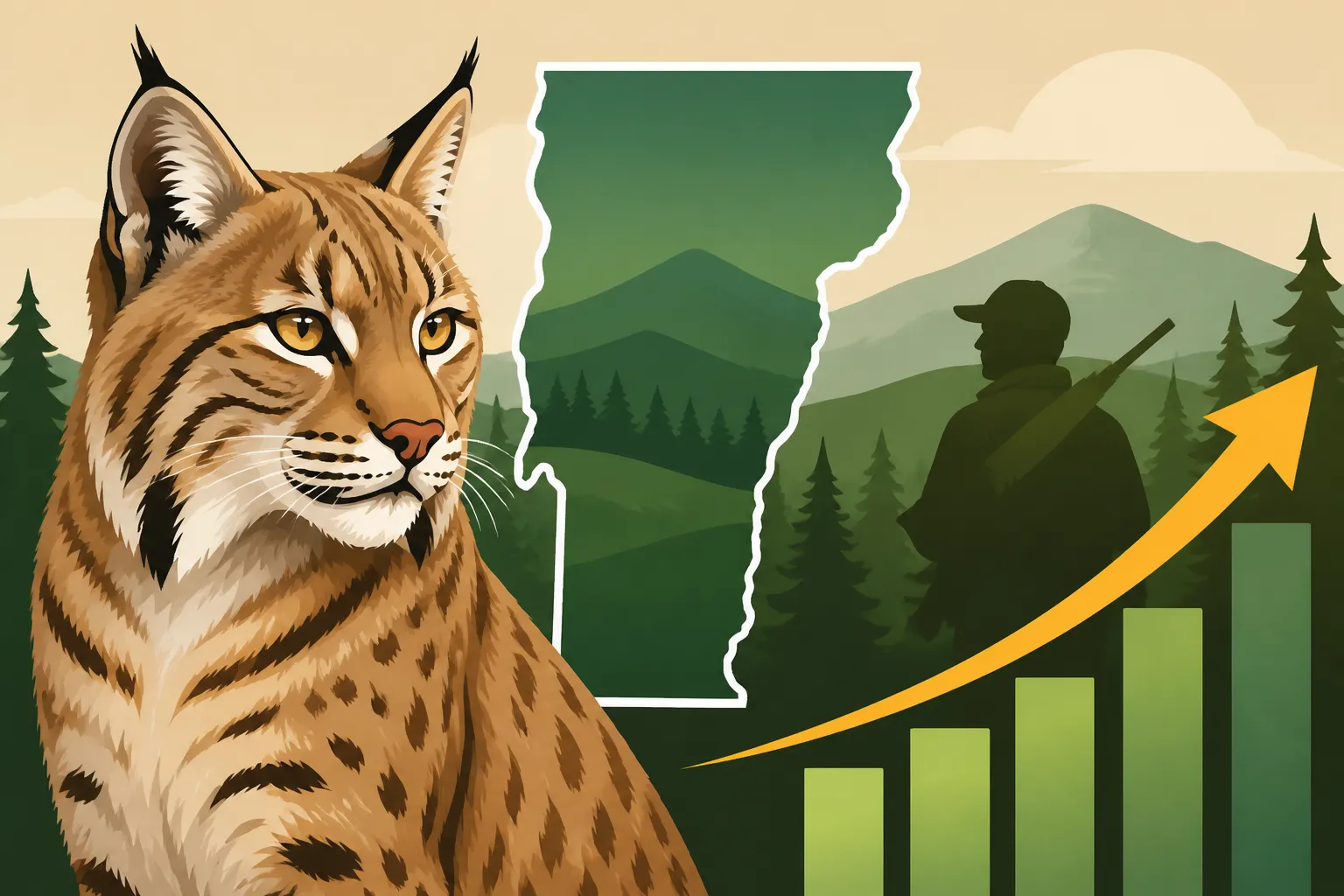
Based on the extensive monitoring efforts and data collected over the years, Vermont's bobcat population is generally considered healthy and stable, with indications of a slight increase in some areas. This is a significant conservation achievement, especially when you consider their precarious status in previous centuries. These adaptable cats have not only recovered but have also expanded their range into parts of the state where they were once rare or absent. They are thriving in the mosaic of forests, farmlands, and developing areas that characterize much of modern Vermont.
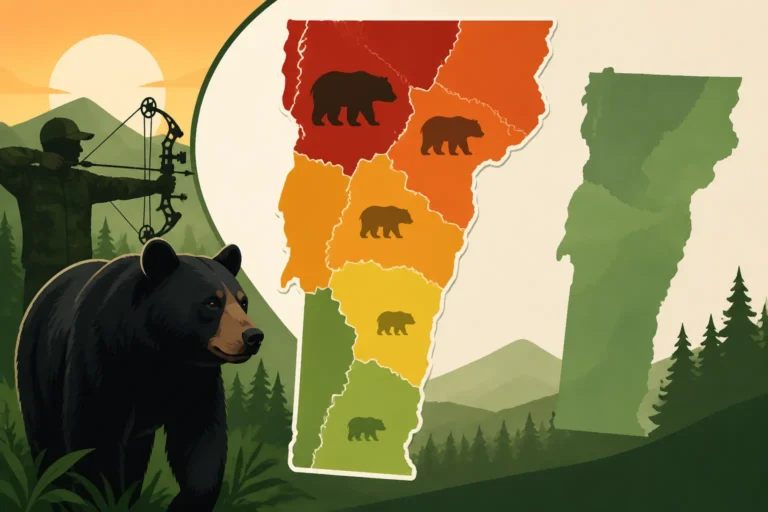
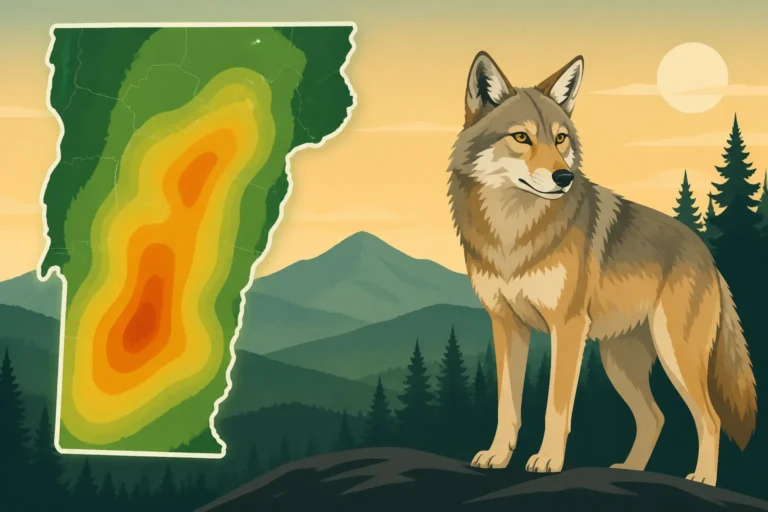
Of course, "stable" doesn't mean "everywhere abundant." Bobcat densities still vary across the state, with certain regions providing better habitat and higher concentrations of animals. Areas with extensive, undisturbed forest cover and ample prey, particularly in the more remote parts of the Green Mountains and Northeast Kingdom, tend to support higher numbers. The state's continued commitment to habitat preservation and regulated hunting and trapping seasons plays a crucial role in maintaining this healthy balance.
Management Goals and Strategies
The Vermont Fish and Wildlife Department's primary goal for bobcats is to maintain a healthy, self-sustaining population that can fulfill its ecological role within the state's ecosystems. This isn't just about ensuring there are "enough" bobcats; it's about making sure the population is genetically diverse, resilient to environmental changes, and integrated into the natural food web. This holistic approach ensures their long-term viability.
To achieve these goals, several strategies are employed. Regulated trapping and hunting seasons, as mentioned, are a key component. These seasons are carefully structured based on scientific data, ensuring that harvest levels are sustainable and do not negatively impact the overall population. Additionally, habitat conservation efforts are paramount. Protecting large blocks of forest, promoting wildlife corridors, and mitigating habitat fragmentation are ongoing priorities. Public education also plays a vital role, fostering a greater understanding and appreciation for bobcats and their importance, thereby encouraging broader support for conservation initiatives.
The Hunter's and Trapper's Role in Bobcat Conservation
When we talk about wildlife management in Vermont, it's impossible to overlook the significant role that regulated hunting and trapping play. Far from being a hindrance to conservation, these activities, when practiced ethically and under strict guidelines, are actually integral to maintaining healthy bobcat populations and gathering essential scientific data. It's a partnership between the state, the land, and those who choose to responsibly engage with its wild bounty.
Ethical Hunting and Trapping Practices
For those who participate in bobcat hunting or trapping in Vermont, a deep commitment to ethical and responsible practices is paramount. This means understanding and strictly adhering to all state regulations, which cover everything from season dates and bag limits to legal methods and reporting requirements. For instance, knowing the Vermont Trapping License Requirements is just the first step; understanding humane trapping techniques and minimizing non-target catches are equally important aspects of ethical conduct. The state's regulations are designed not only for the safety of the animals but also to ensure a fair chase and a sustainable harvest.
Responsible hunters and trappers prioritize quick, humane takes and avoid any practices that could jeopardize the long-term health of the bobcat population. This respect for the animal and the resource is deeply ingrained in the culture of Vermont's outdoor community. They view themselves not just as users of the resource, but as stewards, playing an active role in its conservation. It's a personal responsibility that many take very seriously, recognizing that their actions have an impact on the health of the entire ecosystem.
Data Contribution and Stewardship
Perhaps one of the most invaluable contributions of hunters and trappers to bobcat conservation is the data they provide. Every bobcat harvested must be reported to the Vermont Fish and Wildlife Department. This isn't just a bureaucratic formality; it's a critical component of the state's monitoring program. As discussed earlier, these mandatory check-ins allow biologists to collect vital biological information, such as age, sex, and location of harvest, which is then used to assess population health, track trends, and inform future management decisions. Without this direct harvest data, wildlife managers would have a much more incomplete picture of the bobcat population.
Beyond direct harvest data, hunters and trappers are often the "eyes and ears" on the ground in remote areas. Their extensive time spent in the woods, whether pursuing Small Game and Predator Hunting in Vermont or scouting for deer, means they frequently encounter bobcat tracks, scat, and even rare sightings. This anecdotal information, when shared with wildlife officials, can contribute to a broader understanding of bobcat distribution and activity. Furthermore, the revenue generated from hunting and trapping licenses directly funds wildlife research, habitat restoration, and conservation programs, making these outdoor enthusiasts significant financial contributors to the very resources they cherish.
| Factor | Historical Impact on Bobcat Population | Current Impact on Bobcat Population |
|---|---|---|
| Habitat Availability | Major decline due to deforestation | Generally stable due to reforestation, localized fragmentation concerns |
| Prey Abundance | Variable, often stressed | Generally healthy, supports stable bobcat numbers |
| Human Persecution | Significant decline due to bounties | Minimal, regulated harvest for management |
| Conservation Efforts | Non-existent, led to decline | Strong, science-based management plans, public support |
| Climate/Weather | Moderate, severe winters challenging | Moderate, extreme weather events watched closely |
| Disease | Limited historical data | Monitored, generally low population-level impact |
Disclaimer
This article is for general informational purposes only and does not constitute professional advice. Laws, prices and regulations vary by location and change over time. Consult a qualified professional for guidance on your specific situation.