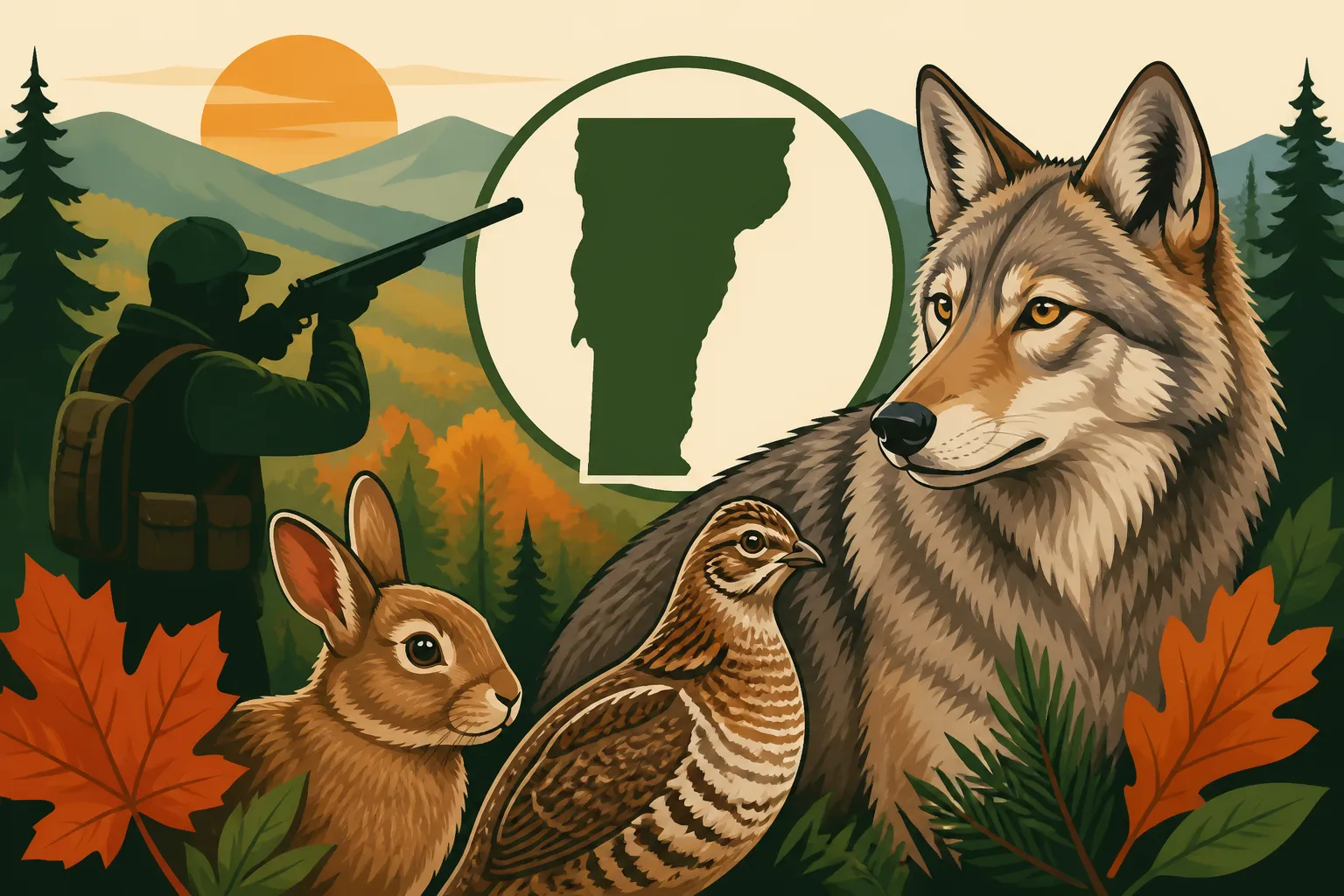
Small Game and Predator Hunting in Vermont
While deer and moose often grab the headlines, the truth is, a tremendous amount of satisfaction and challenge awaits hunters in Vermont's small game and predator pursuits. If you’ve ever felt the sting of the off-season blues, or simply want to extend your time afield beyond the big game rush, this comprehensive guide will walk you through everything you need to know to pursue everything from a wily snowshoe hare to a cunning coyote across the Green Mountain State.
Getting Started: Licenses, Regulations, and Essential Gear
Embarking on a small game or predator hunt in Vermont is generally less complex than big game, but it still requires a solid understanding of the rules and the right equipment to ensure a safe and successful experience. Many hunters cut their teeth on small game, and it’s an excellent way to learn the lay of the land, develop shooting skills, and simply enjoy the tranquility of the Vermont woods.
Understanding Vermont's Hunting License Requirements
Before you even think about stepping into the woods with a firearm or bow, you absolutely need to have the proper licensing. For most small game and predator hunting in Vermont, a basic hunting license is required. If you're planning on using a bow for certain species, an archery license might be necessary, and if you intend to use a muzzleloader, that's another specific tag. Always check the Vermont Fish & Wildlife Department’s current regulations. These rules can change from year to year, so don't rely on last season's memory. It’s not just about compliance; it's about being a responsible hunter and contributing to wildlife management.
For new hunters, the path typically involves completing a Hunter Education course. This isn't just a hoop to jump through; it's an invaluable opportunity to learn about firearm safety, ethics, wildlife identification, and conservation principles. Once you've got your Hunter Education certificate, you can purchase your Vermont hunting licenses and what they cost. This initial investment in education and licensing is what sustains Vermont's robust wildlife populations and provides future opportunities for all of us. Remember, carrying proof of your license on your phone is now an accepted practice, making it easier to stay legal in the field.
General Small Game and Predator Regulations
Vermont has specific seasons and bag limits for various small game and predator species, and it’s critical to know them inside and out. Unlike deer seasons which might have antler point restrictions or specific weapon rules for certain periods, many small game seasons are quite generous in length. For instance, squirrel and rabbit seasons often open in September and run well into winter, providing ample opportunities. Predator seasons, particularly for coyotes, can be open year-round with specific methods or nighttime restrictions.
It’s important to familiarize yourself with what is considered legal equipment for each species. For example, while you can use a .22 rifle for squirrels, you might need a shotgun for grouse, and perhaps a centerfire rifle for coyotes. Understanding these nuances prevents accidental violations and ensures a fair chase. Always keep in mind that landowner permission is paramount when hunting private land, regardless of the species. Even if the land isn't posted, it's always best to ask. A simple knock on the door can open up incredible hunting opportunities and foster positive hunter-landowner relationships.
Essential Gear for the Small Game Hunter
While you don't need all the specialized gear of a big game hunter, having the right equipment for small game and predators makes a huge difference. Footwear is paramount; you'll be doing a lot of walking, often through varied terrain. Good quality, comfortable boots, perhaps waterproof, are a must. Layering for Vermont's long hunting season is also key, as temperatures can swing wildly from crisp mornings to warm afternoons, or from mild fall to bitter winter. A good pair of binoculars, even a compact 8×32, can help spot a squirrel tucked high in a oak or a woodcock in thick cover.
Beyond clothing and footwear, consider your weapon. A .22 rifle is perfect for squirrels and rabbits, offering quiet shots and economical ammunition. For grouse and woodcock, a lightweight 12 or 20-gauge shotgun is ideal, choked for quick, close-range shots. For coyotes, a flat-shooting centerfire rifle like a .223 or .243 is often preferred, but shotguns with buckshot can also be effective in brushier country. Don't forget a sharp knife for field dressing, game bags if you're venturing far, and a good backpack to carry your essentials, including water, snacks, and a first-aid kit. Knowing how to pack for a Northeast Kingdom moose hunt might seem extreme for small game, but the principles of preparedness remain the same.
Chasing Bushytails and Cottontails: Squirrel and Rabbit Hunting
Squirrel and rabbit hunting are often the entry points for many hunters, and for good reason. They are plentiful, offer fast-paced action, and are excellent table fare. Plus, they teach you invaluable woodsmanship skills like tracking, still-hunting, and reading subtle signs.
Gray and Red Squirrel Tactics
Vermont is home to both gray squirrels and the smaller red squirrels. Gray squirrels are typically found in mature hardwood forests, particularly those with abundant oak, hickory, and beech trees. They are mast-eaters, so scouting for mast crops is key. In the early season, look for them feeding on green acorns or beechnuts. As fall progresses, they'll be busy burying nuts for winter. Red squirrels, on the other hand, prefer conifer forests and are often seen near pine, spruce, and hemlock trees, where they feed on cones. They're also known for their territorial chattering, which can sometimes give away their location.
The most common and effective methods for hunting gray squirrels involve either still-hunting or sitting. Still-hunting involves moving very slowly and deliberately through the woods, pausing frequently to scan trees for movement or listen for the rustling of leaves. A good strategy is to find a stand of mature oaks and simply sit quietly for a while, letting the woods settle down. Squirrels are incredibly active at dawn and dusk, so timing your hunt around these periods increases your chances. A .22 caliber rimfire rifle is the weapon of choice for squirrels, allowing for precise headshots that preserve the meat. Learning how early season squirrels give themselves away by their chattering, tail flicking, or gnawing sounds is a skill that comes with practice.
Hunting Cottontail Rabbits in Brushy Cover
Cottontail rabbits thrive in thick, brushy habitats – think overgrown fields, fencerows, clear-cuts, briar patches, and the edges of agricultural land. They are masters of concealment and will often sit tight until almost stepped on before bursting out of cover. Rabbit hunting is a fantastic way to experience fast-action shotgunning and get a good workout.
The most classic and enjoyable way to hunt cottontails is with a good rabbit dog, typically beagles. A pack of barking beagles hot on a rabbit's trail is an exhilarating experience. The dogs push the rabbit in a circle, and the hunter positions themselves to intercept it. If you don't have dogs, still-hunting through thick cover is effective. Walk slowly, kicking brush piles and pushing through briars. Rabbits will often bolt, providing quick shooting opportunities. A 12 or 20-gauge shotgun with a modified choke and birdshot (like #6 or #7.5) is perfect for this. When hunting a Champlain Valley dairy farm edge, these brushy areas around old barns or fencerows can be hotspots for rabbits.
The Elusive Snowshoe Hare: A Winter Pursuit
For those who embrace the colder months, snowshoe hare hunting offers a thrilling challenge in Vermont's winter wonderland. These adaptations to the snow, with their large, furry feet and seasonal coat changes, make them a truly unique quarry.
Snowshoe Hare Habitats and Habits
Snowshoe hares are creatures of dense, coniferous cover. Think thick spruce and fir forests, cedar swamps, clear-cuts with dense regrowth, and alder thickets. These dense environments provide them with both food and protection from predators. In winter, their white coats offer incredible camouflage against the snow, making them nearly invisible until they move. They are primarily nocturnal, but during the day, they will often "sit tight" in thick cover, sometimes creating small depressions in the snow known as "forms."
Hunting snowshoe hare often coincides with cold, snowy conditions, making for a robust outdoor experience. Fresh snow can actually be a boon for hunters, as it reveals tracks, providing clear evidence of hare presence and travel routes. Learning to read a green mountain deer yard might give you clues for hare, but generally, hares prefer thicker, wetter areas. The key is finding that dense, almost impenetrable cover that hares call home.
Running Beagles on Snowshoe Hare
Just like with cottontails, hunting snowshoe hare with beagles is a deeply ingrained tradition in Vermont. A well-trained pack of beagles can unravel the maze of hare tracks and push the animal out of its thick cover. The sound of a beagle's baying echoing through a snowy forest is one of the most iconic sounds of winter hunting. Unlike rabbits, which tend to make tighter circles, snowshoe hares often run wider loops, sometimes covering significant ground before circling back. This provides an exciting chase and requires hunters to anticipate where the hare might emerge.
Hunters typically position themselves along known hare travel lanes or escape routes, listening to the dog's progress. When the hare breaks cover, it's usually at a fast clip, requiring quick reflexes with a shotgun. A 12 or 20-gauge with #4 or #6 shot is effective. For those without dogs, still-hunting through the densest cover, slowly pushing through the thickets, can also yield results. It's a game of patience and perseverance, but the reward of a fresh snowshoe hare for the pot is well worth the effort. Consider studying up on running beagles on a Vermont snowshoe hare for a truly immersive experience.
The Upland Kings: Ruffed Grouse and American Woodcock
Upland bird hunting for ruffed grouse and American woodcock offers a distinct challenge, demanding quick reflexes, keen eyesight, and an understanding of specific habitats. These birds are cherished by many for their explosive flushes and challenging shots.
Ruffed Grouse: The King of the Forest
The ruffed grouse, often called the "king of game birds," is a woodland inhabitant found throughout Vermont's diverse forests. They prefer young, regenerating forests, aspen stands, mixed hardwoods with plenty of undergrowth, and areas near streams or swamps that offer dense escape cover. Early successional habitat is key. Their camouflage is incredible, allowing them to blend seamlessly with the forest floor until they explode into a thundering flush, often dodging trees and branches at high speed.
Hunting grouse typically involves walking through prime habitat with a shotgun. Many hunters use pointing dogs, like English setters or Brittany spaniels, which will "lock up" on a bird, signaling its presence and allowing the hunter to move in for the flush. Without a dog, still-hunting slowly and meticulously through grouse coverts, pausing frequently, can be effective. Listen for the distinct "drumming" sound of a male grouse in the spring, which, while not a hunting call, helps identify prime areas. When you're working a fall flock apart statewide with a bow, you might also stumble into these birds, so always be ready for the unexpected!
American Woodcock: The Timberdoodle's Migration
American woodcock, affectionately known as "timberdoodles," are migratory shorebirds that frequent wet, alder-filled bottomlands, young aspen thickets, and dense willow stands. They have long bills designed for probing soft earth for earthworms, their primary food source. Woodcock are unique because they are migratory, passing through Vermont during both spring and fall. Their presence is often transient, following weather patterns and food availability.
Hunting woodcock is very similar to grouse hunting, often taking place in the same coverts, though woodcock prefer wetter edges. The key difference is their migration. During the fall migration, especially after a cold front pushes birds south, a good covert can hold a surprising number of woodcock. They have a distinctive, erratic flight pattern when flushed, often twisting and turning through the trees, making for a challenging shot. Many hunters use pointing dogs to locate them. Understanding when woodcock migrate through Vermont is critical for timing your hunts. Finding their "singing grounds" in spring (where males perform aerial courtship displays) can help you identify fall hunting spots.
The Cunning Predators: Coyote Hunting in Vermont
Coyote hunting in Vermont offers a challenging, often exhilarating pursuit that appeals to hunters looking for a year-round opportunity to hone their skills and contribute to local wildlife management. These intelligent canines are abundant across the state, and their wary nature makes them a worthy adversary.
Understanding Coyote Behavior and Habitats
Vermont's eastern coyote is a formidable predator, adapting to a wide range of habitats, from dense forests to agricultural fields and even suburban fringes. They are opportunistic hunters, feeding on everything from deer fawns and small game like rabbits and voles to berries and carrion. Their movements are often dictated by food sources and breeding cycles. In farm country, they might frequent field edges, brushy draws, and woodlots adjacent to pastureland, preying on rodents or occasionally livestock. In the deep woods, they travel logging roads, ridge lines, and creek bottoms.
Coyotes are incredibly intelligent and have an uncanny ability to detect human presence. This means successful hunting often requires meticulous attention to wind, scent control, and concealment. They are most active during dawn, dusk, and throughout the night, though they can be seen moving at any time. When scouting with tools like the mapping features on GoHunt, you can identify potential travel corridors, pinch points, and areas with dense cover that coyotes might use for bedding or ambushing prey.
Effective Calling Strategies for Coyotes
Calling coyotes is arguably the most popular and exciting method. It involves using various calls to mimic prey in distress (rabbit, fawn, bird) or coyote vocalizations (howls, barks, pup distress) to lure them into range. There are several types of calls, including mouth calls (open reed, closed reed) and electronic calls, which offer a wide range of realistic sounds. Electronic calls like those from Foxpro or Primos are popular choices, allowing for volume control and sequence programming.
A typical calling setup involves finding a good vantage point that offers a clear view downwind, often along a ridge, open field, or clear-cut. Set up facing downwind if possible, or crosswind, with your back to thick cover to break up your silhouette. Call for 20-30 minutes, varying your sounds and volume. Be patient, as coyotes can approach cautiously. Often, they will circle downwind to get a scent, so it’s crucial to be aware of your surroundings and have your weapon ready. Using natural cover for concealment and setting up early, perhaps calling coyotes at first light, significantly increases your odds. Remember to always check Vermont's specific regulations on night hunting rules for Vermont coyotes, as there are restrictions.
Still-Hunting and Stand Hunting for Coyotes
While calling is exciting, still-hunting and stand hunting are also effective methods, particularly in areas with high coyote activity or during periods when calling pressure has made them wary. Still-hunting involves moving very slowly and quietly through known coyote travel routes, pausing frequently to scan and listen. This method works well in dense woods or along timbered fencerows, where coyotes might be traveling from one food source to another.
Stand hunting for coyotes often involves setting up near a carcass or a bait site (where legal). While baiting bears legally in Vermont is a common practice, baiting for coyotes generally follows different, often more restrictive, rules. Always confirm local and state regulations before setting up any bait. The key is finding an area with consistent coyote sign—tracks, scat, or denning activity—and setting up a ground blind or elevated stand before they become aware of your presence. This requires patience, but if you're in a travel corridor or near a den, it can be highly effective.
Beyond Deer: Trapping and Hunting Other Furbearers
Vermont offers opportunities to pursue a variety of other furbearers beyond coyotes, through both hunting and trapping. These pursuits not only provide challenging outdoor experiences but also contribute to the conservation and management of these species.
Bobcat and Fox: Elusive and Wary
Bobcats and foxes (red and gray) are beautiful, cunning furbearers that require significant skill and patience to pursue. Bobcats are incredibly elusive, preferring dense forests, rocky ledges, and thick swamps, and are rarely seen. Their populations are generally healthy and recovering in Vermont. Foxes, especially red foxes, are more adaptable and can be found in a mix of agricultural land, open fields, and woodlands.
Hunting bobcats is a serious challenge, often involving tracking in snow or utilizing calls similar to coyote calling, focusing on distress sounds. Due to their elusive nature, successful bobcat hunting is a rare feat. Fox hunting, however, is more accessible. Calling with a mouse squeaker or rabbit distress call can bring a curious fox into range, especially in open country or along field edges. Understanding where Vermont bobcats are rebounding can give you clues on where to focus your efforts. For both species, a clear knowledge of the Vermont fox and bobcat trapping season is essential if you're considering trapping.
Trapping as a Management Tool
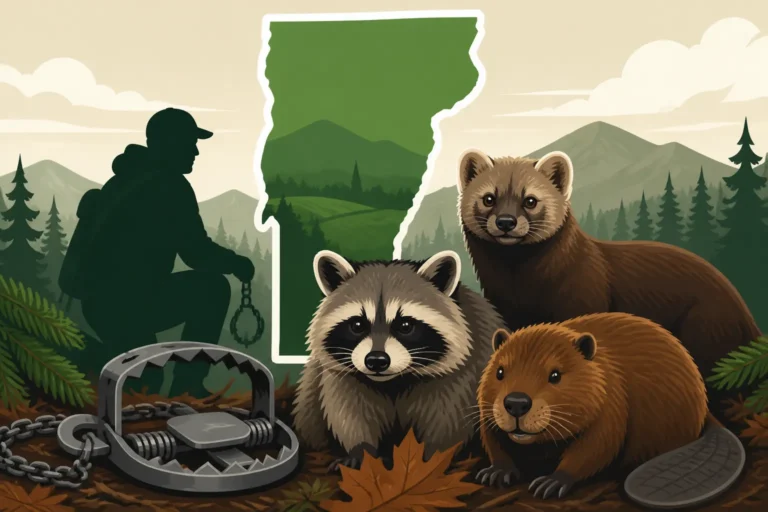
Trapping is a deeply historical and highly regulated practice in Vermont, targeting species like bobcat, fox, raccoon, skunk, fisher, beaver, and muskrat. It’s a vital tool for wildlife management, helping to control populations, reduce nuisance animal conflicts, and provide sustainable fur resources. Trappers undergo specific education and adhere to strict regulations regarding trap types, set locations, checking schedules, and reporting requirements.
For those interested in running a trapline in rural Vermont, it's not simply about setting a trap; it's a science and an art. It involves extensive knowledge of animal behavior, habitat, and scent control. Trappers must understand how to create effective sets that are humane and target specific species while minimizing the chance of catching non-target animals. It's a commitment that provides a deep connection to the land and a profound understanding of wildlife ecology. Always consult the Vermont Fish & Wildlife Department for the latest trapping license requirements and regulations before considering this pursuit.
Raccoons, Skunks, and Porcupines: Nighttime Adventures
Raccoons, skunks, and porcupines offer additional hunting and trapping opportunities, often in less conventional ways. Raccoons are abundant throughout Vermont, particularly near water sources and agricultural areas. They are primarily nocturnal, making night hunting with dogs a popular method. A good pack of coonhounds can tree a raccoon, providing an exciting chase.
Skunks are also nocturnal and can be trapped for their fur, though their potent defense mechanism makes them a unique challenge. Porcupines are slower, often found in trees, and can be hunted as a unique small game animal. While not traditionally sought after for meat, some hunters utilize them. For all these species, understanding their habits and habitats is key. Raccoons will often follow creek bottoms and farm field edges, while porcupines prefer coniferous and mixed forests. Always be mindful of local ordinances and firearm discharge regulations, especially when hunting at night or near populated areas.
Finding Your Hunting Grounds: Public and Private Land Access
No matter what small game or predator you're after, knowing where to hunt is paramount. Vermont offers a mix of public and private land opportunities, each with its own set of considerations and rules.
Navigating Vermont's Public Hunting Lands
Vermont boasts a significant amount of public land accessible to hunters, including vast tracts of the Green Mountain National Forest, numerous Wildlife Management Areas (WMAs), and various state forests. These lands offer diverse habitats and opportunities for small game and predator hunting. The Green Mountain National Forest's two districts, for example, provide extensive, wild areas where you can truly immerse yourself in the backcountry. WMAs, managed specifically for wildlife habitat, are often prime locations. Using the Fish and Wildlife app without cell service or relying on mapping tools like GoHunt and onX layers for Vermont land status can be incredibly helpful for identifying boundaries and navigating these expansive areas.
When hunting public land, always be mindful of other users, including hikers, mountain bikers, and other hunters. Blaze orange requirements are in place during certain seasons for big game, but wearing some visible orange while small game hunting is always a good idea for safety. Always check rules regarding vehicle access on Vermont public land and treestand rules on Vermont public land. Some areas may have specific restrictions or regulations, so it's wise to do your homework before heading out. For finding ground that sees fewer hunters, look for areas that require a longer walk-in or are less accessible from main roads.
Securing Access to Private Land
While public land offers great opportunities, a significant amount of Vermont is privately owned. Gaining access to private land can unlock prime hunting spots, especially for species like rabbits, foxes, and coyotes that thrive on farm edges and smaller woodlots. The key to securing private land permission in Vermont is respect, courtesy, and a clear understanding of Vermont trespass and permission law.
It’s always best to ask for permission well in advance of the season. A polite knock on the door, a clean appearance, and a clear explanation of what you intend to hunt (e.g., "I'd love to chase some rabbits in your brushy fields this fall") can go a long way. Offer to share some of your harvest, or perhaps help with a chore around the farm. Many landowners appreciate hunters who are respectful and considerate. Always ensure you have do you need written permission in Vermont? if the landowner prefers it, and abide by any specific requests they may have. Building a good relationship with a landowner can provide you with invaluable hunting opportunities year after year and can be far more productive than solely relying on public land.
Seasonal Hunting Opportunities in Vermont
Vermont's small game and predator seasons offer a variety of options throughout the year, allowing hunters to stay active afield well beyond the primary big game seasons. Knowing these windows is key to planning your adventures.
| Species | Typical Season Dates (Approximate) | Primary Method(s) | Ideal Habitat |
|---|---|---|---|
| Gray Squirrel | September – December | Still-hunting, Sitting, .22 rifle | Mature Hardwoods (Oak, Beech, Hickory) |
| Red Squirrel | September – December | Still-hunting, Sitting, .22 rifle | Conifer Forests (Pine, Spruce, Hemlock) |
| Cottontail Rabbit | September – March | Beagles, Still-hunting, Shotgun | Brushy Fields, Fencerows, Clear-cuts, Briar Patches |
| Snowshoe Hare | October – March (often snow-dependent) | Beagles, Track hunting, Shotgun | Dense Conifers, Cedar Swamps, Alder Thickets |
| Ruffed Grouse | September – December | Walking, Dogs, Shotgun | Young Forest, Aspen Stands, Mixed Hardwoods |
| American Woodcock | September – November (migratory) | Walking, Dogs, Shotgun | Wet Bottomlands, Alder Thickets, Young Aspen |
| Coyote | Year-round (with specific rules) | Calling, Still-hunting, Trapping | All habitats, especially field edges, deep woods |
| Red/Gray Fox | October – February (hunting/trapping) | Calling, Trapping | Mixed Farmland/Woodland, Open Fields |
| Bobcat | December – February (hunting/trapping) | Tracking, Trapping, Calling (rare) | Dense Forest, Rocky Ledges, Swamps |
| Raccoon | October – December (hunting/trapping) | Hounds (night), Trapping | Near Water, Agricultural Areas |
| Skunk | October – December (trapping) | Trapping | Agricultural Areas, Forest Edges |
| Porcupine | Year-round | Still-hunting, Spotting | Coniferous and Mixed Forests |
Note: Always consult the official Vermont Fish & Wildlife Department regulations for precise dates, bag limits, and specific rules for each season and weapon type.
Disclaimer
Please note that hunting regulations, seasons, and licensing requirements can change. Always consult the official Vermont Fish & Wildlife Department website or their printed regulations guide for the most current and accurate information before planning any hunting activity. Safety should always be your top priority in the field.