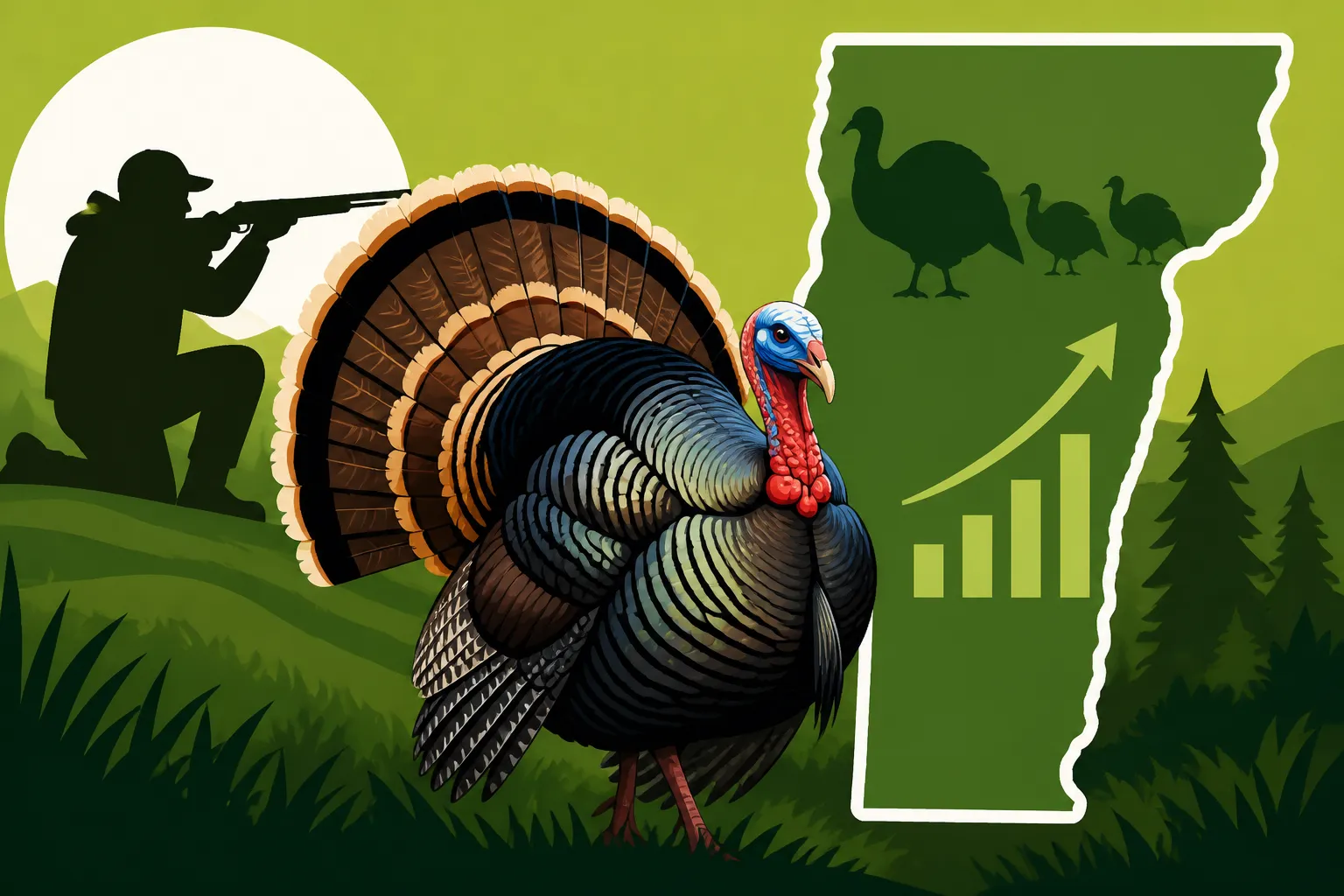
Vermont Turkey Population Estimate
It can feel a bit like a guessing game sometimes, can't it? You spend hours scouting, dreaming of that big tom, but deep down, you're wondering if there are even enough turkeys in the woods to make all that effort worthwhile. That nagging question about the health of Vermont's wild turkey population is real, and it can certainly impact your confidence heading into the woods. This guide isn't going to give you a census for every single gobbler, but it will help you understand how Vermont's turkey population is estimated, what those estimates mean for hunters, and how you can use this knowledge to become a more informed and successful hunter.
Understanding Vermont's Wild Turkey Population Estimates
When we talk about "population estimates" for wild turkeys here in Vermont, it’s not about counting every single bird. That would be an impossible task, even for the most dedicated wildlife biologists. Instead, it’s about understanding the overall health and trends of the species across the state and within specific regions or Wildlife Management Units (WMUs). For a hunter, this information isn't just academic; it’s incredibly practical. It helps set expectations, informs our scouting efforts, and can even influence where we decide to focus our hunting pressure.
Imagine planning a spring hunt. If you know that statewide numbers are generally strong, or if a particular WMU has consistently healthy turkey populations, it can give you a boost of confidence. Conversely, if you hear about a dip in numbers, perhaps due to a harsh winter or a poor nesting season, it might prompt you to scout even harder, adjust your calling strategy, or explore new areas. This knowledge moves us beyond simply hoping for the best and into making more strategic, data-informed decisions in the field. It’s about more than just numbers; it’s about understanding the rhythm of the wild and how it affects our pursuit.
The feeling of uncertainty about finding birds is a common frustration. You might have a favorite patch of woods that historically holds turkeys, but then one year, it just feels empty. Was it just bad luck on your part, or is there a larger trend at play? Population estimates help answer those bigger questions, giving context to our individual experiences. While your personal observations on a few acres can tell you a lot about that specific spot, the broader estimates from the Vermont Fish & Wildlife Department help connect those dots, providing a much larger picture of the bird's well-being across the state. This can prevent you from prematurely abandoning a good hunting spot after a slow morning, or it might encourage you to look deeper into why numbers might be down in your familiar haunts.
How Vermont Biologists Estimate Turkey Numbers
Vermont Fish & Wildlife doesn't just pull these numbers out of thin air. They employ several methods to get a comprehensive picture of the state's wild turkey population. It's a blend of boots-on-the-ground observation, citizen science, and careful analysis of hunter harvest data. Understanding these methods helps us appreciate the effort involved and how reliable these estimates can be. It's truly a collaborative effort that relies on both scientific rigor and the active participation of Vermont's outdoor community.
One of the primary tools used is the annual wild turkey brood survey. This is a fantastic example of citizen science in action, where everyday Vermonters, including hunters, landowners, and nature enthusiasts, report sightings of hens with poults during the summer months. By tracking how many poults (young turkeys) are seen with each hen, biologists can estimate reproductive success, which is a crucial indicator of future population health. A strong hatch means more young birds entering the population, which bodes well for hunting seasons a year or two down the line. A poor hatch, perhaps due to cold, wet spring weather, can signal a potential decline. These reports are carefully compiled and analyzed, painting a picture of how well the birds are reproducing across different parts of the state.
Another vital piece of the puzzle comes directly from us, the hunters. Harvest data, collected through mandatory deer and turkey reporting, provides valuable insights. When you tag and report a turkey, that information—including its sex, age (gobbler, jake, hen), and the WMU where it was harvested—contributes to this larger dataset. While harvest numbers aren't a direct count of the population, they serve as an index. If harvest numbers are consistently high, it suggests a healthy, robust population. If they start to decline, especially without a corresponding drop in hunter effort, it can indicate a potential decrease in turkey abundance. This is why accurately Vermont Turkey Harvest Numbers by WMU are so important; every reported bird helps inform management decisions. Tools like GoHunt can sometimes allow you to overlay harvest data with public land maps, helping you identify areas that historically see higher success rates or simply hold more birds.
Biologists also conduct their own field observations and habitat assessments. They spend time in the woods, observing turkey activity, identifying prime nesting and roosting areas, and evaluating the quality of food sources like mast crops. These direct observations, combined with data from brood surveys and harvest reports, create a multi-faceted approach to estimating the population. It's a complex undertaking, but it's essential for effective wildlife management and ensuring sustainable hunting opportunities for future generations. For those who want to dig deeper into the historical context, learning about How Turkeys Were Restored to Vermont provides a fascinating backstory to how these robust populations came to be.
Current Trends and Influencing Factors
Vermont's wild turkey population has seen its share of ups and downs, but generally, it remains quite healthy across much of the state, a testament to conservation efforts. However, "healthy" doesn't mean uniform; different regions experience different pressures and successes. Knowing these general trends can help you understand why your favorite woodlot might be quieter some years than others, and it definitely shapes the advice you hear about where the best opportunities lie. If you're wondering Where Vermont Turkeys Are Densest, the answer often involves looking at a combination of habitat and historical success.
Factors like mast crops, such as acorns and beech nuts, play a huge role. A bumper crop year for acorns means turkeys have an abundance of high-energy food going into winter, helping them stay healthy and survive until spring. Conversely, a poor mast year can lead to birds entering winter in poorer condition, making them more susceptible to harsh weather and predation. Speaking of weather, severe winters with deep, persistent snow can be incredibly hard on turkeys, especially poults and older birds. It makes foraging difficult and can increase mortality rates. Similarly, cold, wet springs can decimate poult survival, as young turkeys are very vulnerable to hypothermia in their first few weeks of life. These environmental variables are constantly at play, creating annual fluctuations in local populations, even when the statewide outlook remains strong.
Predation is another natural factor. While turkeys are resilient, predators like coyotes, bobcats, foxes, and even certain raptors (like great horned owls on roosted birds) all play a role in managing turkey numbers. A healthy ecosystem includes predators, and their populations also fluctuate, sometimes impacting turkey survival rates. Habitat changes, whether from logging practices that create new clearings and young growth, or from development that fragments existing woods, also influence where turkeys can thrive. Understanding Vermont Turkey Population Trends involves looking at this complex web of interactions.
It’s not just about what happens in Vermont either. Our turkeys are part of a larger ecological system, and while they aren't migratory in the way waterfowl are, regional factors can still play a part. Overall, the dedication of the Vermont Fish & Wildlife Department, along with the cooperation of hunters and landowners, has ensured that wild turkeys are a robust and cherished game species in the Green Mountain State. This consistent management strategy is why we can still enjoy seasons like the Spring Turkey Hunting in Vermont and the Fall Turkey Hunting Vermont's Statewide Archery Window with confidence that there are birds to pursue.
Applying Population Knowledge to Your Hunt
So, what does all this talk about population estimates and trends mean for your next hunt? It means you have a powerful tool in your arsenal – knowledge. Instead of just walking into the woods hoping for the best, you can make informed decisions that significantly increase your chances of success. It's about being strategic and understanding the landscape, both literally and figuratively.
First off, knowing the general population trends and Best Vermont WMUs for Turkeys can help you narrow down your search. If you hear reports of a particularly strong year for turkeys in the Champlain Valley, for example, it might encourage you to focus your scouting there, rather than blindly hitting a spot that's historically been slower. This isn't to say you should abandon your favorite spots entirely, but it can guide your initial reconnaissance efforts. Before even stepping foot in the woods, you can use digital mapping tools like GoHunt to research harvest data, public land access points, and habitat types that are known turkey magnets. Overlaying this information can highlight potential hotspots where the odds might be more in your favor.
Next, understanding what factors influence turkey populations empowers you to scout more effectively. If it was a tough winter with deep snow, you know to look for areas with good winter roosts and accessible food sources. If the spring hatch was poor, you might adjust your expectations for seeing jakes or smaller flocks in the fall. This deeper understanding of turkey biology and population dynamics can make your scouting more efficient, helping you identify areas that are more likely to hold birds based on current conditions, not just past experience. It’s about being adaptable, whether you are Calling an Early May Gobbler Off the Roost or trying to Work a Fall Flock Apart Statewide With a Bow.
Finally, this knowledge can simply make you a more patient and persistent hunter. If you know that turkey numbers are generally good, even if you’re having a slow day, you’re less likely to give up prematurely. You understand that hunting success is often a combination of skill, preparation, and sheer persistence. You'll be more inclined to keep Setting Up Against a Big Sugar Maple or trying new calling sequences. Conversely, if there's been a known dip in local populations, you might decide to temper your expectations, but still enjoy the experience of being in the woods, knowing that the challenge is greater. This mindset helps us appreciate the hunt, regardless of the outcome.
Here’s a quick overview of some common factors influencing turkey populations and what they mean for us hunters:
| Factor | Impact on Turkey Population | Hunter's Takeaway |
|---|---|---|
| Good Mast Crop (Acorns/Beech) | Higher winter survival, better condition | Focus scouting on areas with mature hardwoods; birds will be healthier. |
| Harsh Winter (Deep Snow) | Increased mortality, poorer condition | Look for protected areas with southern exposures and limited snow depth. |
| Cold, Wet Spring | Lower poult survival, fewer young birds | Adjust expectations for jake sightings; target adult birds more. |
| Habitat Fragmentation | Reduced range, isolated flocks | Use mapping tools to find larger, unbroken blocks of timber and good edge habitat. |
| Increased Predation | Localized impact on poult/hen survival | Focus on secure roosting sites and dense nesting cover. |
| Effective Management | Stable/growing populations | Trust in regulated seasons and bag limits; participate in surveys. |
Knowing these dynamics allows you to be a more proactive hunter, reading the landscape and conditions, rather than just reacting to what you find. It’s about leveraging all available information, including tools like GoHunt and local knowledge, to make your time in the Vermont woods as productive and enjoyable as possible. And for those just starting out or mentoring new hunters, understanding these basics is crucial for teaching responsible and successful hunting, especially during events like Hunting the Youth and Novice Turkey Weekend.
Disclaimer
This article is for general informational purposes only and does not constitute professional advice. Laws, prices and regulations vary by location and change over time. Consult a qualified professional for guidance on your specific situation.