Why Vermont’s Bear Population Keeps Growing
It can feel like you’re seeing more black bears in Vermont than ever before, and for many, that feeling isn’t just anecdotal. Whether you're a seasoned hunter traversing the deep woods, a farmer finding your cornfield raided, or a homeowner wondering who tipped over your bird feeder, the presence of these magnificent, intelligent animals is becoming increasingly noticeable. This guide dives deep into the fascinating reasons behind the continued growth and success of Vermont's black bear population, explaining the ecological factors, management strategies, and even human behaviors that contribute to their thriving numbers.
Vermont's Lush, Undisturbed Habitat
One of the most significant factors in the sustained growth of Vermont's black bear population is, quite simply, the incredible habitat our state provides. We are fortunate to have vast stretches of contiguous forestland, particularly in the Green Mountain spine and the rugged Northeast Kingdom. This isn't just a patchwork of trees; these are expansive, healthy ecosystems that offer everything a black bear needs to survive and flourish.
Imagine a bear waking from its winter slumber, emerging from a den tucked deep within a thick spruce grove in the foothills of the Green Mountains. It needs cover, not just for security, but for raising cubs, finding refuge from the summer heat, and of course, for foraging. Vermont's diverse woodlands—from the mature hardwoods laden with mast crops to the dense softwoods offering impenetrable bedding areas—are prime real estate for bears. These areas aren't just pretty to look at; they are dynamic ecosystems that provide a steady supply of natural food sources throughout the seasons. The sheer volume of this wild land, particularly public tracts like the Green Mountain National Forest and numerous Vermont Wildlife Management Areas, means bears have plenty of room to roam without constant human disturbance. This minimizes stress, allows for natural foraging patterns, and generally contributes to a healthier, less fragmented bear population.
The ongoing regrowth of forests in Vermont, after historical logging and agricultural clearing, has created ideal conditions for black bears. These regenerating woods often provide a mosaic of different age classes of trees, leading to a richer variety of food sources and cover. For example, younger successional forests might provide abundant berries and tender browse, while older stands yield crucial hard mast like acorns and beech nuts. This varied habitat is critical. If bears only had one type of forest to rely on, a bad mast year or a disease affecting a particular plant species could have a devastating impact. But here in Vermont, the diversity acts as a natural buffer, ensuring that even if one food source is scarce, others are often available, a testament to the resilience of our wild landscapes.
A Resilient and Adaptable Species
Beyond the favorable habitat, the black bear itself is an incredibly resilient and adaptable creature, a fact that plays a huge role in why their numbers continue to climb. These animals are masters of survival, capable of adjusting their behavior and diet to changing conditions, which is crucial in a place like Vermont where seasons bring dramatic shifts in food availability.
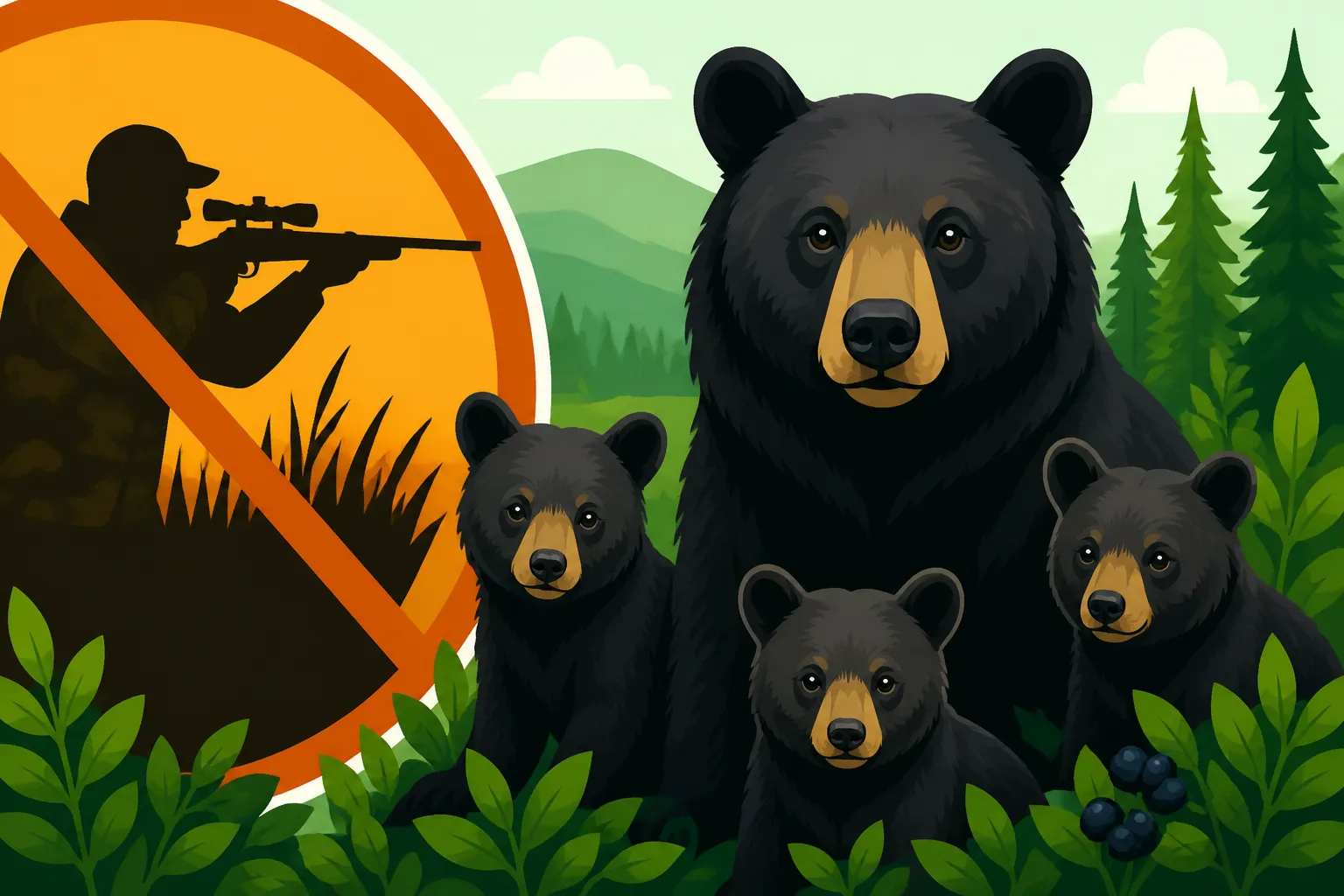
One of their most impressive traits is their reproductive success. A healthy sow in good habitat can produce multiple cubs, often two or three, sometimes even four. These cubs, born in the warmth and security of a winter den, have a relatively high survival rate, especially when their mother is well-fed and the environment provides adequate resources. Unlike some other large predators that might have smaller litters or face more significant threats to their young, black bear cubs, under the watchful eye of their experienced mother, have a good chance of reaching maturity. This consistent influx of new individuals into the population, year after year, compounds the growth trend. You can often see evidence of this when you spot a sow with cubs crossing a backroad or foraging at a distance in a field, a sure sign of a healthy, reproducing segment of the population. Understanding how these family units survive helps shed light on the overall Vermont Bear Population Estimate.
Then there's the black bear's incredibly flexible diet. They are true omnivores, meaning they'll eat pretty much anything nutritious they can get their paws on. While they absolutely love hard mast like acorns and beech nuts, which are critical for putting on fat reserves before winter, they don't rely solely on them. Throughout the spring and summer, their diet includes a huge variety of plants, berries, insects, and even carrion. They'll gorge on dandelions and clover in the spring, switch to raspberries and blueberries in mid-summer, and then hit the apple orchards and mast crops in the fall. This dietary adaptability means that even if a particular food source fails in a given year, bears can pivot to other options, preventing widespread starvation and ensuring they can still pack on the necessary calories for hibernation and reproduction. This resourcefulness makes them incredibly tough to put a dent in, even during lean years.
Changing Landscape of Human-Bear Interaction
The way humans interact with bears, both intentionally through conservation and unintentionally through our daily habits, also significantly influences why Vermont's bear population continues to grow. It’s a complex relationship, marked by successful wildlife management and the ongoing challenge of coexisting with a large, intelligent omnivore.
On the one hand, dedicated conservation efforts have been instrumental. For decades, the Vermont Fish and Wildlife Department has managed the bear population responsibly, ensuring healthy numbers while providing hunting opportunities. These efforts aren't just about protecting bears; they're about creating a balance within the ecosystem. The regulations around Vermont's Long Bear Season Explained, for example, are carefully crafted based on data and biological understanding of the species, allowing for a sustainable harvest that helps prevent overpopulation and reduce conflicts, rather than deplete the numbers. Hunters, who are often the most dedicated conservationists, play a vital role in this management, contributing financially through license fees and participating in data collection through reporting harvests. Many also use advanced tools like the GoHunt app to understand habitat and plan their outings, often encountering fresh bear sign that reaffirms the health of the population.
However, a less intentional, but equally impactful, aspect of human-bear interaction is the increasing availability of human-provided food sources. Bird feeders, unsecured garbage cans, pet food left outside, and even compost piles can become irresistible attractants for bears. While we might not mean to feed bears, these easily accessible, high-calorie meals provide an artificial boost to their diet, sometimes allowing bears to put on more weight than they would relying solely on natural forage. This can lead to earlier den emergence, healthier sows, and ultimately, more successful reproduction, as observed in Vermont Bear Den Study Findings. When bears learn that human dwellings equal easy food, they become bolder, lose their natural fear of people, and are drawn closer to residential areas. This doesn't just benefit the bears; it also leads to increased nuisance complaints and the unfortunate necessity of removing or, in some cases, dispatching problem bears, which is why educating the public about securing attractants is so critical.
Effective Wildlife Management and Data-Driven Decisions
Finally, a major contributor to Vermont's healthy and growing bear population is the proactive and science-based approach to wildlife management taken by the state. This isn't a hands-off approach; it's a carefully balanced strategy that combines regulated hunting, robust monitoring, and public education to ensure the long-term health of the species.
The Vermont Fish and Wildlife Department employs a dedicated team of biologists and wardens who constantly monitor the bear population. They gather data through various methods, including harvest reports from hunters, public sighting information, and scientific studies. This information, often compiled into comprehensive annual reports like the Vermont Bear Harvest Numbers by Season, allows them to track population trends, assess reproductive rates, and understand how various factors are influencing bear numbers. This scientific approach means that decisions about hunting seasons, permit allocations, and other management tools are not arbitrary; they are grounded in empirical evidence and aimed at maintaining a sustainable and thriving population that fits within the ecological carrying capacity of the land. For hunters using platforms like GoHunt, this data is often made accessible, allowing for more informed planning when heading into the woods.
Regulated hunting seasons are a cornerstone of this management strategy. While some might view hunting solely as a means of reducing populations, in Vermont's case, it's a tool used to manage growth, distribute bears, and mitigate human-bear conflicts. By setting specific seasons, bag limits, and legal methods, the department can influence how many bears are harvested and from which areas. For example, during the early season, hunters might focus on areas with high bear activity, while the late season offers opportunities for hunters to target bears that have not yet denned. Hunters pursuing bears in Vermont during seasons like Hunting Bear Through the Long September Season are not just harvesting an animal; they are participating in a critical aspect of wildlife management, helping to keep populations balanced and healthy.
Furthermore, public education plays an increasingly vital role. As bear populations grow and expand into more suburban or agricultural areas, human-bear encounters become more frequent. The department invests heavily in educating the public on how to coexist with bears—simple steps like securing garbage, removing bird feeders, and being aware while hiking or camping. This education reduces the likelihood of bears becoming habituated to human food, which is the primary driver of nuisance incidents. By empowering residents with knowledge and practical advice, they actively contribute to a future where bears can thrive in Vermont's wild spaces without leading to unnecessary conflicts or negative outcomes for either humans or wildlife. It’s all part of the big picture of stewarding our natural resources for generations to come.
Disclaimer
This article is for general informational purposes only and does not constitute professional advice. Laws, prices and regulations vary by location and change over time. Consult a qualified professional for guidance on your specific situation.