Vermont Bear Population Estimate
Many Vermonters, whether they’re seasoned hunters, avid hikers, or simply folks who appreciate our wild landscapes, often find themselves wondering about the true number of black bears roaming our beautiful state. It can certainly feel like you’re encountering more of them, especially during the spring and fall months, which naturally sparks questions about their population size and how Vermont actively manages this incredible species. This comprehensive guide will pull back the curtain on the current Vermont bear population estimate, delve into the various factors that influence these numbers, and illuminate the dedicated conservation and management efforts undertaken by the state to ensure our black bear population remains healthy and vibrant for generations to come.
Understanding Vermont's Black Bear Population
The elusive black bear ( Ursus americanus) holds a special place in Vermont's wilderness, a true symbol of our wild heart. But understanding their numbers isn't as simple as counting them from a helicopter. It's a complex blend of science, observation, and careful analysis.
Current Estimates and Historical Growth
When we talk about the Vermont bear population estimate, the Vermont Fish & Wildlife Department (VFWD) is our primary source of reliable information. They currently estimate the state's black bear population to be robust, typically falling within the range of 4,500 to 6,000 individuals. This isn't just a static number; it represents a dynamic, actively managed population that has experienced significant changes over the decades.
Looking back, it's a remarkable success story. In the mid-20th century, particularly around the 1970s, Vermont's black bear population was considerably lower, possibly numbering only around 1,500 to 2,000 bears. Habitat loss, unregulated hunting, and changing land use practices had taken their toll. However, concerted conservation efforts, more stringent hunting regulations, and a gradual reversion of agricultural lands back to forest cover provided the bears with the space and resources they needed to rebound. This historical perspective highlights the incredible resilience of these animals and the effectiveness of proactive wildlife management strategies in Vermont.
Today, this healthy and growing population means more opportunities for wildlife viewing, but also a greater need for human-bear coexistence. The increasing numbers underscore the success of management efforts, allowing us to boast a thriving population of Vermont Black Bears throughout much of the state.
Regional Distribution and Density
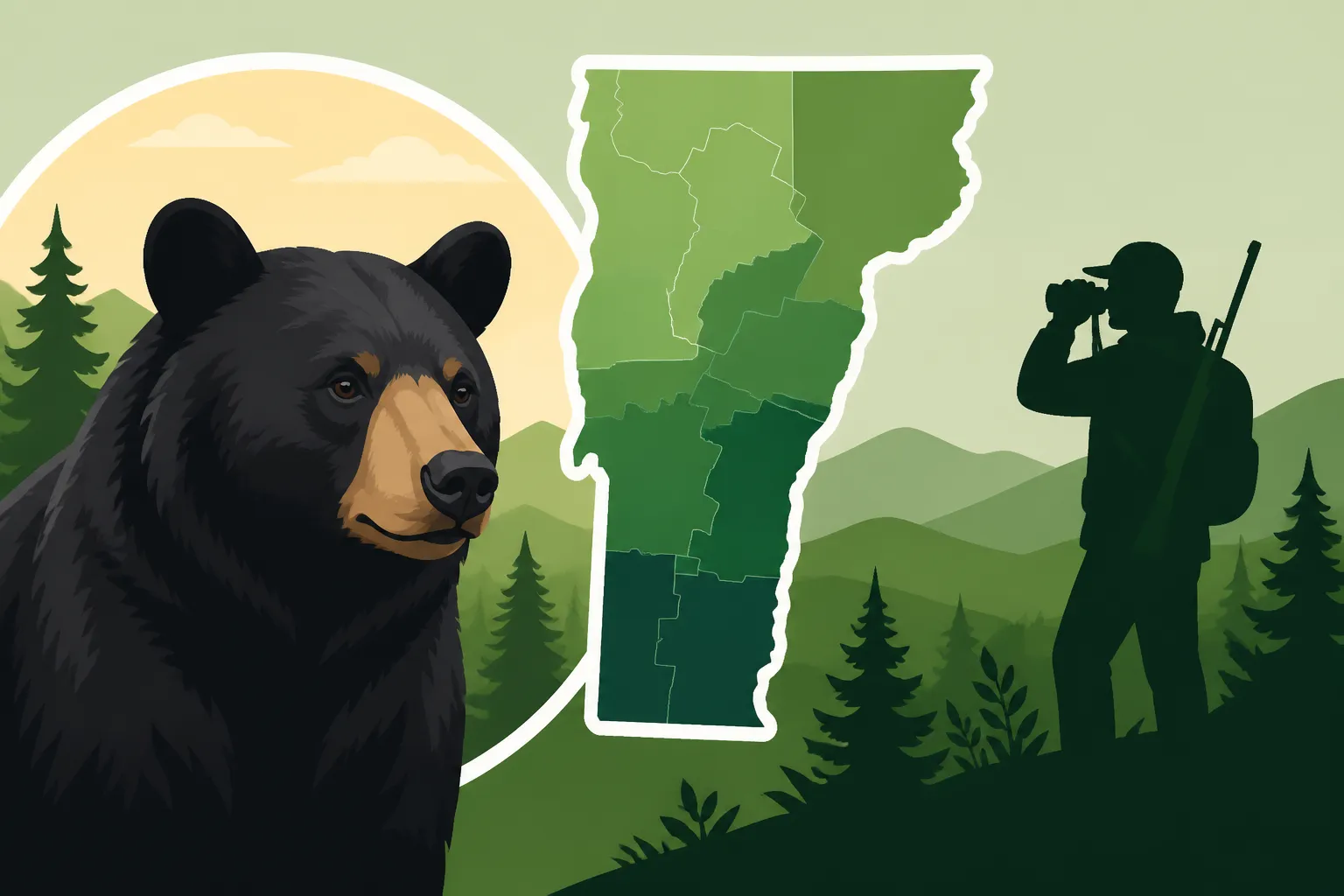
While the overall numbers are impressive, bears aren't evenly distributed across Vermont's varied terrain. Just like people, they prefer certain neighborhoods, and for bears, those neighborhoods are rich in food and cover. We see higher bear densities in areas that offer expansive, unfragmented forests, particularly those with abundant mast crops and minimal human disturbance.
The Northeast Kingdom and the Green Mountains are often cited as prime bear country, and for good reason. These regions boast vast tracts of public and private forest land, providing excellent foraging opportunities and plenty of secure denning sites. Areas like the Green Mountain National Forest and various Wildlife Management Areas (WMAs) are critical strongholds. You might find yourself on a remote logging road in Essex County or deep in the thick timber of southern Vermont, and suddenly you'll realize you're in prime bear habitat.
Conversely, areas with more intense human development or extensive agricultural lands might see fewer resident bears, though transient individuals are always on the move. Understanding these regional differences is crucial for both wildlife managers and for locals trying to minimize conflicts. It's all part of the fascinating story of Vermont Bear Density by Region.
Factors Influencing Bear Population Dynamics
The health and size of Vermont's black bear population aren't fixed; they're constantly influenced by a delicate dance of environmental conditions and human interaction. It's a complex web where a good acorn crop or a late spring frost can have ripple effects.
Habitat and Food Availability
The availability of natural food sources is arguably the single most critical factor influencing Vermont's bear population. Black bears are opportunistic omnivores, and their lives revolve around finding food to pack on fat reserves for winter denning. Mast crops—think acorns from oak trees, beech nuts, and hickory nuts—are incredibly important. A bumper crop year for these foods can lead to higher cub survival, better reproductive rates for sows, and bears going into hibernation in excellent condition. Conversely, a poor mast year can stress the population, leading to lower reproduction, increased cub mortality, and bears venturing closer to human settlements in search of sustenance.
Beyond mast, berries like blueberries, raspberries, and blackberries, as well as various wild fruits and sedges, play a significant role in their diet. When natural foods are scarce, bears are naturally drawn to easy calorie sources, which often means human-provided foods. Bird feeders, unsecured garbage, pet food left outside, and even compost piles become irresistible magnets. This not only puts bears at risk by habituating them to human presence but also creates dangerous situations for both bears and people. It's a crucial aspect of Why Vermont's Bear Population Keeps Growing is directly tied to our food management habits.
Maintaining vast, unfragmented forest habitat is also paramount. These areas provide the necessary cover for movement, foraging, and denning, allowing bears to thrive away from constant human disturbance.
Reproductive Rates and Cub Survival
The reproductive success of female black bears, or sows, is a cornerstone of population stability and growth. In Vermont, sows typically begin reproducing around 3-5 years of age and will usually breed every two to three years. After a gestation period, cubs are born in the winter den, usually in late January or early February. Litters typically consist of 2-3 tiny, helpless cubs.
Cub survival through their first year is absolutely critical to the overall population trajectory. Factors influencing this include the mother's health and ability to produce milk, the abundance of food resources in the spring and summer after they emerge from the den, and protection from predators (though adult black bears have few natural predators in Vermont). Severe winters can also impact cub survival if sows don't enter hibernation with enough fat reserves. Researchers conduct detailed investigations, sometimes as part of Vermont Bear Den Study Findings, to monitor these vital metrics.
A healthy population generally sees consistent reproductive cycles and good cub survival rates. When these rates dip, perhaps due to widespread food shortages or other environmental pressures, it signals to wildlife managers that adjustments in management strategies might be necessary to ensure the long-term health of the bear population.
Data Collection and Monitoring Methods
Accurately estimating a wild population as wide-ranging and elusive as black bears requires a multi-faceted approach. The VFWD employs a variety of scientific methods to gather the data needed to make informed management decisions.
Harvest Data Analysis
One of the most foundational and consistent sources of data for the Vermont Fish & Wildlife Department comes directly from hunters: the annual bear harvest. Every bear legally harvested in Vermont must be reported to the VFWD, and this process provides invaluable biological information. When a bear is registered, department staff collect crucial data points, including the bear's sex, weight, and the location of the harvest. Importantly, a tooth is also extracted, which allows biologists to accurately determine the bear's age by examining growth rings, similar to tree rings.
This detailed harvest data is then compiled and analyzed to provide insights into the population's age structure, sex ratio, reproductive health, and overall population trends. A consistent take of younger bears might indicate a growing population, while an increase in older bears could suggest slower recruitment. Many hunters use resources like GoHunt to track harvest data and identify population trends, reinforcing the importance of every reported bear for state wildlife managers. This data, published annually, paints a clear picture of Vermont Bear Harvest Numbers by Season and is a cornerstone of the state's bear management strategy.
Without the cooperation of hunters in reporting their harvest, a critical piece of the population puzzle would be missing, making effective management much more challenging.
Non-Invasive Surveys and Research
While harvest data is essential, it's not the only tool in the VFWD's kit. Non-invasive survey methods provide additional insights, especially into segments of the population that aren't typically harvested or into areas with less hunting pressure. One such method involves using hair snares. These strategically placed barbed wire corrals, baited with an attractant, collect hair samples from bears that pass through. The collected hair can then be genetically analyzed to identify individual bears, providing information on population size, density, and even genetic diversity without ever having to capture an animal.
Trail cameras, both those deployed by the VFWD and those used by dedicated citizen scientists, also contribute valuable observational data. These cameras capture images and videos of bears, helping to document their presence, movements, and activity patterns across different landscapes. This kind of data can confirm known bear ranges, identify new areas of bear activity, and even help monitor individual bears over time. The combination of direct harvest data and these non-invasive research techniques provides a much more comprehensive and accurate understanding of the Vermont Bear Population Estimate.
Management Strategies and Conservation
Managing a robust and sometimes expanding black bear population in a state like Vermont, where human development continues to push into traditional bear habitat, requires a thoughtful and balanced approach. The VFWD's strategies aim for ecological health and human safety.
Regulated Hunting Seasons
Regulated hunting is not just a recreational activity in Vermont; it is a scientifically sound and absolutely critical tool in the state's black bear management plan. The VFWD carefully sets hunting seasons, bag limits, and specific regulations to manage the bear population effectively, preventing overpopulation in certain areas and helping to mitigate human-bear conflicts. By allowing for a controlled harvest, particularly of younger bears, the VFWD can influence the population's growth rate and density, ensuring it remains within ecological and social carrying capacities.
Vermont offers a generous bear hunting season, often running from early September through November, with specific rules governing various periods, including the early bear season and an overlap with the rifle deer season. This extended period, known as Vermont's Long Bear Season Explained, is designed to spread out hunting pressure and provide ample opportunity for hunters to contribute to management goals. These seasons are adjusted based on the latest population data, harvest trends, and reproductive indicators. For instance, if cub survival dips, or if the population shows signs of stress, the department has the flexibility to modify season lengths or permit numbers to respond.
The goal is always sustainability, ensuring a healthy bear population thrives for future generations while minimizing negative interactions with people. Responsible hunters, often relying on data and insights from platforms like GoHunt, understand their role in this delicate balance.
Public Education and Conflict Mitigation
Effective bear management extends far beyond hunting seasons; it heavily relies on public cooperation and education. One of the most common refrains heard from wildlife biologists is: "A fed bear is a dead bear." This stark statement underscores the profound impact human-provided food sources have on bear behavior and survival. When bears become habituated to readily available calorie-rich food from garbage cans, bird feeders, pet food bowls, or even poorly managed compost piles, they lose their natural fear of humans. This leads to increased human-bear conflicts, property damage, and tragically, often results in the need to euthanize the bear for public safety.
The VFWD invests considerable effort in educating residents and visitors about proper attractant management. This includes advice on securing garbage in bear-resistant containers, bringing in bird feeders during spring and summer, cleaning barbecue grills, and never leaving pet food or food scraps outdoors. They also offer guidance on what to do during a bear encounter—never run, make yourself look big, make noise, and slowly back away. These efforts are crucial for preventing situations that put both people and bears in harm's way.
By empowering communities with knowledge and practical strategies, we can collectively work to reduce conflicts and allow bears to forage naturally in the wild, which is vital for their long-term health and for fostering a positive coexistence between people and Vermont Black Bears.
Coexisting with Vermont's Bear Population
As the black bear population continues to thrive in Vermont, encounters between humans and bears are becoming more common. This isn't necessarily a bad thing, but it does mean that everyone—residents and hunters alike—needs to be mindful of how their actions impact these magnificent animals.
Best Practices for Residents
Living in Vermont often means sharing your backyard, or at least your surrounding woods, with wildlife, including black bears. While it's exciting to see a bear in its natural habitat, we have a responsibility to minimize conflicts. The golden rule is simple: don't feed bears, whether intentionally or unintentionally. This means adopting some essential bear-proofing habits around your home.
Firstly, secure your garbage. Invest in bear-resistant garbage cans or keep your trash inside a garage or shed until collection day. If you compost, ensure your compost pile is truly bear-proof or consider an indoor composting system. Secondly, bird feeders, while lovely, are essentially bear fast-food. Bring them in from April through November, or at least hang them in a way that makes them absolutely inaccessible to bears. Remember, a bear can stand six feet tall and is an excellent climber. Thirdly, never leave pet food or BBQ grills uncleaned outside. Even a small amount of residual smell can attract a bear from a significant distance. These simple steps drastically reduce the likelihood of a bear becoming habituated to your property, which is crucial for the bear's safety and yours.
If you do encounter a bear, remember to remain calm. Never approach or corner a bear. Make yourself look as large as possible, make noise, and slowly back away. Running can trigger a chase response. Knowing how to react in these situations is key to safe coexistence.
The Hunter's Role in Stewardship
Hunters play a unique and vital role in the stewardship of Vermont's black bear population. Beyond simply participating in regulated harvests, ethical hunters are often the first line of defense in monitoring the health of the herd and reporting critical observations. When a hunter fills their bear tag, the mandatory reporting system provides invaluable data, contributing directly to the Vermont Bear Population Estimate. Each reported bear, its age, sex, and harvest location, helps biologists refine their understanding of the population's dynamics.
Furthermore, hunters are often passionate advocates for habitat conservation. The fees from hunting licenses and permits directly fund wildlife management and habitat restoration efforts across the state. This investment in public lands, like those you might scout when Scouting Vermont Public Land Before Season, benefits not just bears but all wildlife. Hunters often spend countless hours in the woods, observing bear sign, identifying food sources, and understanding bear behavior, all of which contribute to a deeper appreciation and knowledge of these animals.
By adhering to ethical hunting practices, respecting regulations (like those detailed in Hunting Bear Before the November Close or concerning Baiting Bears Legally in Vermont), and actively participating in the data collection process, hunters are instrumental in ensuring that Vermont's black bear population remains robust and healthy for many more years to come. Resources from organizations like GoHunt often provide insights that aid hunters in responsible and informed participation in these management efforts.
Tracking Vermont's Bear Population Trends
Understanding the nuanced ebb and flow of a wildlife population requires consistent monitoring. The VFWD meticulously tracks various metrics to ensure the bear population remains within healthy ecological bounds.
| Year | Estimated Bear Population Range | Reported Harvest | Key Factors / Trends |
|---|---|---|---|
| 1975 | ~1,500 – 2,000 | ~100 | Historical low, early conservation efforts |
| 1990 | ~2,500 – 3,500 | ~250 – 350 | Significant recovery, habitat improvements |
| 2005 | ~3,500 – 4,500 | ~400 – 500 | Steady growth, increased management focus |
| 2020 | ~5,000 – 6,000 | 887 (Record) | Peak population & harvest, notable food sources |
| 2023 | ~4,500 – 6,000 | ~650 – 750 | Managed stability, ongoing human-bear conflict efforts |
Note: Population estimates are ranges as precise counts are impossible; harvest numbers are reported by VFWD.
Disclaimer
Please note that hunting regulations, seasons, and population estimates can change. Always consult the most current Vermont Fish & Wildlife Department regulations and official publications before planning any hunting activities or making decisions based on wildlife information. This guide is for informational purposes only and should not be considered legal advice.