Vermont Deer Antler Growth Timeline
Every Vermont hunter has looked at a deer track in the mud or a rub on a tree and wondered about the buck that made it. We all dream of that big Green Mountain whitetail, and understanding exactly when and how those magnificent antlers grow can feel like deciphering a secret code. This guide aims to pull back the curtain on the fascinating, year-long journey of deer antler growth in Vermont, offering insights that can make you a more informed and ultimately, more successful hunter.
The Rhythmic Dance of Antler Development: An Annual Cycle
The growth and shedding of antlers is one of nature's most impressive annual cycles, a testament to the incredible regenerative power of a deer's body. Unlike horns, which are permanent bony growths, antlers are deciduous, meaning they are shed and regrown every single year. This cyclical process is driven by a complex interplay of hormones, genetics, and environmental factors, playing out right here in our Vermont woodlands.
From Pedicels to Velvet: Early Spring Growth
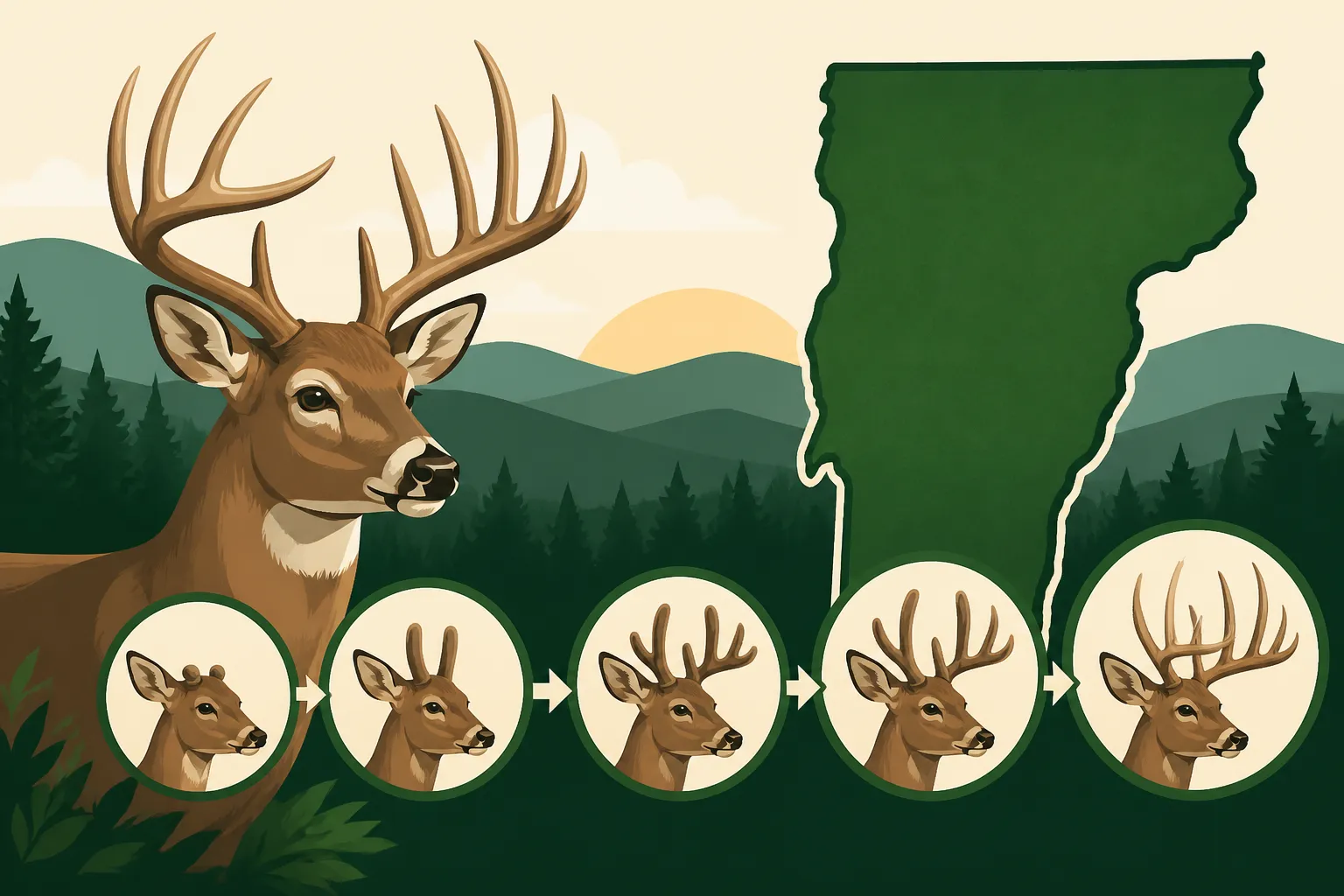
The journey of new antler growth typically begins shortly after the old antlers are shed, usually in late winter or early spring. You might be out Shed Hunting on Vermont Public Land and find last year's prize, only to realize that somewhere, that buck is already starting his new rack. What begins as two soft, fleshy bumps on the deer's skull, called pedicels, quickly develops into fuzzy, velvet-covered structures. This velvet isn't just a covering; it's a living tissue, rich with blood vessels, nerves, and skin, actively supplying nutrients and minerals to the rapidly growing bone underneath.
During this period, from late March through June, a buck's antlers are in their most vulnerable state. A bump or scrape can easily damage the delicate velvet, potentially leading to deformed antlers later in the season. You'll often see bucks in bachelor groups, their velvet racks still somewhat delicate, moving through early spring browse areas. They're trying to pack on as much nutrition as possible, which is absolutely critical for robust antler growth. The sheer speed of this growth is astounding; antlers are among the fastest growing tissues in the animal kingdom, sometimes adding an inch or more in a single day during peak periods.
The Mineral Matrix: Summer Hardening
As spring gives way to summer, the antlers continue to grow rapidly. By July and August, most bucks in Vermont will have a nearly fully formed antler structure, though it will still be encased in velvet. This is the stage where the soft, cartilaginous tissue within the velvet begins to calcify and harden, turning into dense bone. The buck’s body is pulling huge amounts of calcium, phosphorus, and other minerals from his diet to build this impressive structure.
During these warmer months, bucks are often quite secretive, seeking out thick cover and lush food sources to support their growth. You might catch a glimpse of a velvet buck in a hay field at dawn or dusk, but for the most part, they keep a lower profile. This hardening phase is vital for the integrity of the rack. A buck that is nutritionally stressed during this time, perhaps due to a poor mast crop the previous fall or a harsh winter, might show the effects in the size and quality of his antlers. It’s a direct reflection of the resources his body has available. If you're using an app like GoHunt to scout Finding Sign in Green Mountain Timber in the summer, look for those secluded feeding areas where bucks can put on mass uninterrupted.
Shedding the Velvet: Fall Revelation
The most dramatic phase of antler development occurs in late summer and early fall when the velvet is shed. This process is triggered by a hormonal shift, primarily a surge in testosterone as the breeding season approaches. The blood flow to the velvet is cut off, causing the tissue to dry, crack, and eventually peel away. Bucks will often rub their antlers vigorously against trees and shrubs, not just to remove the itchy, dying velvet, but also to mark their territory and polish the newly exposed bone.
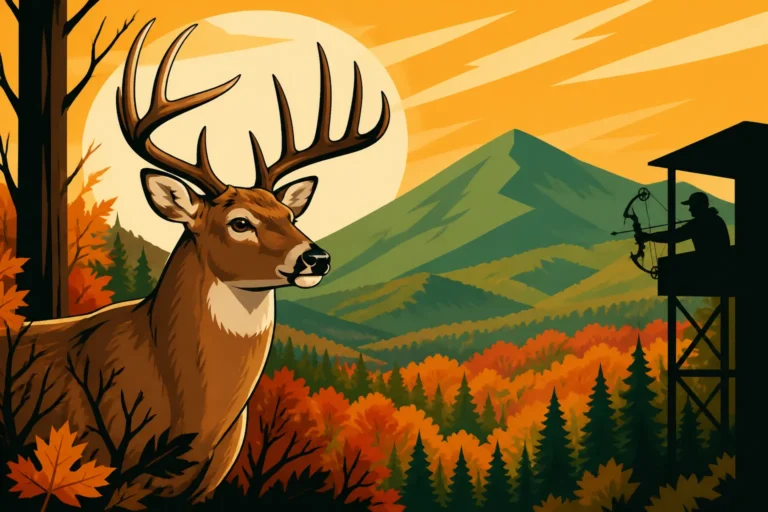
This shedding process typically happens over a few days in late August or early September in Vermont. It’s a thrilling time for hunters, as the true size and character of a buck’s rack are finally revealed. These fresh rub lines, often appearing overnight, are prime indicators of a buck's presence and activity. Understanding When the Vermont Rut Peaks means knowing that these hormonal changes are a prelude to increased buck movement and aggression. The sight of a freshly hard-horned buck, ready for the breeding season, is a classic image of the Vermont hunting season.
Decoding the Factors That Influence Antler Size and Form
While the annual cycle of antler growth is consistent, the actual size and shape of a buck's rack can vary wildly. It's not just random; several key factors play a pivotal role in determining whether a buck carries a basket rack or a true wall-hanger. Understanding these influences is crucial for anyone interested in White-Tailed Deer Across Vermont.
Age, the Undeniable Driver of Rack Potential
Without a doubt, age is the most significant factor in antler development. A buck simply needs time to reach his full potential. Young bucks, typically 1.5 to 2.5 years old, are still growing their bodies, and much of their energy is directed towards skeletal and muscular development rather than maximizing antler size. They might sport small spikes or modest forks.
As a buck matures into the 3.5 to 5.5 year age class, his body growth slows, and more energy can be shunted towards antler production. This is when you start seeing significant increases in beam length, tine length, mass, and overall symmetry. A 4.5-year-old buck, for instance, has often reached about 80-90% of his antler potential, while a 5.5-year-old or older buck may display his absolute peak. Vermont's deer herd management often aims to allow bucks to reach these older age classes, contributing to a healthier deer population with better genetics. Understanding Vermont Buck Age Structure can give you a better idea of what to expect in different parts of the state.
Nutrition and Habitat: Fueling the Growth Spurt
You can have the best genetics in the world, but without adequate nutrition, a buck will never grow the massive antlers he's capable of. Think of it like a finely tuned engine: it needs premium fuel. A deer's diet, especially during the spring and summer antler growing season, is paramount. Areas with abundant, high-quality forage rich in protein, minerals (particularly calcium and phosphorus), and vitamins will consistently produce larger-racked deer.
Vermont's diverse habitats offer varying levels of nutritional support. Rich agricultural lands in the Champlain Valley, with their corn, alfalfa, and soybeans, often provide a protein-packed diet that can lead to bigger bucks. In contrast, deer in more remote, heavily forested areas of the Green Mountains might face greater nutritional challenges, especially after a poor mast crop year. Factors like How Deep Snow Affects Vermont Deer Survival also impact a buck's overall health and, consequently, his ability to grow impressive antlers the following spring. Scouting for Late-Season Food Sources for Vermont Whitetails can reveal areas where deer are getting the nutrients they need, which often correlates to better antler growth. Using GoHunt to identify different land types and potential food sources is a great way to zero in on these areas.
Genetics and Hormones: The Blueprint and the Builder
While age and nutrition are huge, genetics provide the underlying blueprint for antler growth. Just like people inherit traits from their parents, deer inherit genetic predispositions for antler size, shape, and even abnormalities. Some bucks are simply born with the genetics to grow larger, more symmetrical racks, while others may inherently produce smaller, less impressive antlers, regardless of how good their nutrition is.
Hormones, primarily testosterone, are the chemical orchestrators of the entire antler cycle. Estrogen and growth hormones also play roles, particularly in velvet growth. The seasonal fluctuations in these hormone levels dictate when antlers begin to grow, when they harden, and when they are shed. A buck with consistently healthy hormone levels, often associated with good overall health and freedom from disease, is more likely to follow a robust antler growth timeline. It's a complex system, and all these factors—age, nutrition, genetics, and hormones—interact to produce the unique antlers we see on every Vermont buck.
Understanding the Timeline: Practical Implications for Vermont Hunters
Knowing the ins and outs of antler growth isn't just for wildlife biologists; it's genuinely useful information for hunters. It can guide your scouting efforts, inform your hunting strategies, and even add another layer of appreciation to the pursuit of whitetails in Vermont.
Scouting Clues Through the Antler Cycle
Your scouting doesn't start a week before opening day; it's a year-round endeavor, and the antler growth timeline provides critical clues. In late winter and early spring, after the bucks have shed, you can be out Scouting Vermont Public Land Before Season looking for shed antlers. This helps you identify the bucks that made it through winter and gives you an idea of the caliber of deer in a particular area. Finding a nice shed is a direct indicator of a buck that will likely be growing a new rack come spring.
As spring transitions to summer, while bucks are in velvet, focus your scouting on food sources. Bucks will gravitate towards lush, protein-rich forage to fuel their rapid antler development. Pay attention to agricultural fields, apple orchards, and areas with heavy browse. You might not see hard horns, but you'll know where bucks are spending their energy. Using GoHunt to overlay property boundaries and habitat types can really help visualize these prime feeding and bedding zones. When early fall arrives and bucks start shedding velvet, the appearance of fresh rubs on trees is an unmistakable sign of hard-horned bucks establishing their presence. These rubs indicate a buck's size, direction of travel, and often, their readiness for the rut. Learning to read these Scrape Lines Along a Logging Road early in the season can give you a huge advantage.
Hunting Strategies Based on Antler Status
The stage of antler development can also influence a buck's behavior, which in turn affects your hunting strategy. Early archery season, when some bucks are still cleaning velvet or have just finished, can see deer still in more relaxed bachelor groups, focused on feeding. This might mean setting up over persistent food sources or water.
As the season progresses into the general rifle season, and bucks are hard-horned and full of testosterone, their priorities shift towards breeding. This is when the rut activity really kicks in. Bucks become more aggressive, more mobile, and more susceptible to calls like rattling and grunting. Understanding Hunting the Rut in Early-to-Mid November means adapting your tactics from passive feeding patterns to active seeking behavior. During this time, bucks might travel long distances, checking scrapes and looking for does. Knowing that their antlers are now fully developed and ready for sparring plays into this behavior.
| Antler Stage | Typical Timing (Vermont) | Buck Behavior | Scouting Focus | Hunting Strategy |
|---|---|---|---|---|
| Shedding | Late Dec – March | Focused on survival, often in wintering yards | Shed hunting, identifying winter food sources | N/A (post-season activity) |
| Velvet Growth | March – August | Secretive, focused on high-quality forage | Early browse, agricultural fields, thick cover | Focus on food & water near bedding (archery) |
| Velvet Shedding | Late August – Early Sept | Increased rubbing, territorial marking, still feeding | Fresh rubs, scrape lines, primary food sources | Set up on fresh sign, transition routes |
| Hard Horns | Sept – Dec | Rutting behavior, sparring, seeking does, feeding | Rubs, scrapes, travel corridors, doe bedding | Rut calls, stand hunting travel routes, food plots |
Shed Hunting: The Post-Season Treasure Hunt
The antler growth timeline doesn't end when the season closes. For many, shed hunting is an integral part of their connection to the deer woods. Bucks in Vermont typically shed their antlers from late December through March, with the peak often occurring in late January and February, depending on factors like nutritional stress and the severity of winter. A harsh winter, where deer are expending more energy simply to stay warm and find food, might lead to earlier shedding.
Vermont Deer Wintering Yards Explained are often prime locations for finding sheds, as deer congregate there to survive the cold. While finding a match set is always the dream, even a single shed antler tells a story. It confirms a buck survived the previous hunting season and gives you a tangible piece of that year's growth. It's a fantastic way to stay connected to the land, get some fresh air, and gather intelligence for the next hunting season, as you map out potential bedding and feeding areas. Plus, it's just plain fun to find a trophy lying on the forest floor.
Disclaimer
This article is for general informational purposes only and does not constitute professional advice. Laws, prices and regulations vary by location and change over time. Consult a qualified professional for guidance on your specific situation.