Finding Sign in Green Mountain Timber
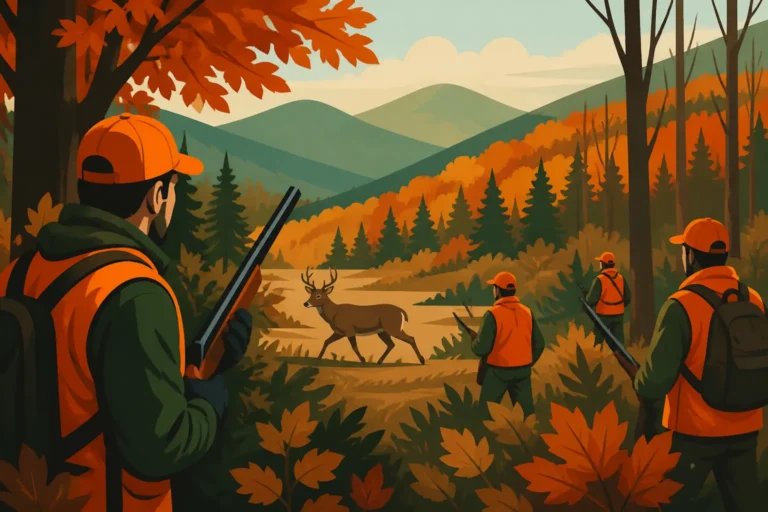
It can feel like you’re searching for a needle in a haystack when you’re trying to locate deer in the vast, dense Green Mountain timber. The sheer scale and ruggedness of Vermont’s backcountry can make finding tangible evidence of whitetail activity incredibly frustrating. This guide is here to walk you through the subtle, yet critical, clues deer leave behind, helping you decipher the wilderness and increase your chances of a successful hunt in these challenging environments.
Understanding the Green Mountain Timber Environment
Before you can truly start "reading" the woods, you need to understand the unique characteristics of Vermont's Green Mountain timber. It’s not just a collection of trees; it’s a dynamic ecosystem with distinct features that influence deer behavior, movement, and the very sign they leave behind. The topography, vegetation, and seasonal shifts all play a crucial role in how and where deer live, and consequently, where you’ll find their tracks, rubs, and beds.
Topography and Vegetation Challenges
The Green Mountains are known for their steep, often unforgiving terrain. You'll encounter dramatic elevation changes, deep ravines, and long, winding ridges. This isn't flat, open country where deer movement is easily predictable. Deer in these areas become masters of using elevation to their advantage, often traveling along benches, saddles, and ridge lines to conserve energy and escape predators. The vegetation itself is a mixed bag, offering both challenges and opportunities for the astute hunter. You'll find dense softwood thickets, often hemlock or spruce, which provide crucial thermal and bedding cover, especially during harsh winters. Interspersed are vast tracts of hardwoods—maple, beech, and oak—that become vital food sources when acorns and beechnuts drop.
Navigating this varied terrain means understanding that deer aren't just meandering; they're strategically moving between different types of cover and food sources. A steep, north-facing slope might be a deer yard in deep snow, offering shelter from the wind and heavy snowfall, while a sun-drenched, south-facing slope provides crucial browse and warms quickly in the morning. When you're Still-Hunting Green Mountain National Forest Timber, recognizing these subtle changes and how deer use them is paramount. The thick conifer stands can make visibility extremely limited, pushing deer into specific travel corridors or open pockets within the woods.
Seasonal Changes and Their Impact on Sign
Vermont's seasons dictate everything, and deer sign is no exception. What you look for in September is vastly different from what you'd seek in December. Early fall, as leaves begin to turn, is prime time to find fresh rubs and scrapes as bucks start to establish their dominance and prepare for the rut. This is when you're looking for Scrape Lines Along a Logging Road or on prominent points. As the rut progresses into November, activity intensifies, and deer become more focused on breeding. This is when understanding where bucks might be cruising for does, often in the transitional zones between thick cover and feeding areas, becomes critical.
Come late fall and early winter, once the leaves have dropped, visibility improves dramatically, but deer habits shift. Food sources become scarcer, and deer movements are more driven by finding remaining forage and seeking thermal cover, especially as snow accumulates. During the colder months, understanding How Deep Snow Affects Vermont Deer Survival is key, as deer will often coalesce into specific wintering areas or deer yards. Fresh tracks in the snow become the most obvious and valuable sign, revealing recent activity and travel patterns. Each season offers a different "story" told through the deer sign, and recognizing these seasonal nuances will help you interpret the woods more effectively.
Key Types of Deer Sign to Look For
When you're out in the Green Mountain timber, it's not enough to just walk through; you have to train your eyes to see the subtle indicators that deer leave behind. Each type of sign tells a part of the story, and piecing them together can reveal intricate movement patterns, feeding habits, and bedding locations. From the obvious tracks to the more subtle browse lines, every detail contributes to a complete picture of deer activity.
Tracks and Trails
Tracks are perhaps the most direct evidence of deer presence. In the soft forest floor of Green Mountain timber, especially after a rain or light snow, fresh tracks can be incredibly clear. Look for the classic cloven hoof print, typically pointed at the front and rounded at the heel. Pay attention to the size and depth of the tracks—larger, deeper tracks often indicate a bigger, heavier deer, potentially a mature buck. The direction of travel is also crucial. Following a fresh set of tracks can lead you directly to feeding areas, bedding sites, or watering holes. Don’t just look for individual tracks; actively seek out deer trails. These are paths of least resistance that deer use repeatedly, often worn smooth or clear of underbrush. They might run along contour lines, connect different types of timber, or lead from thick bedding areas to open feeding spots.
When discerning tracks, also look for "drag" marks left by the dewclaws or the hoof dragging slightly, indicating a heavier, older deer. If you're on a game trail that’s well-worn, it’s a high-confidence travel corridor. Consider how Hunting a Funnel Between Two Woodlots could maximize your chances if you find well-used trails converging there. In areas with rockier soil, tracks might be harder to find, but deer will still utilize established paths, so look for disturbed leaves, bent grass, or even slight indentations in the dirt. Snow, of course, simplifies things immensely, as deer tracks become unmistakable. Always try to determine the freshness of tracks—sharp edges and clear details mean they were left recently, while softer, melted, or leaf-filled tracks are older.
Rubs and Scrapes
Rubs and scrapes are the calling cards of bucks, particularly during the pre-rut and rut phases. A rub is where a buck has stripped the bark off a tree, typically a sapling or small tree, using its antlers. They do this to remove velvet, strengthen their neck muscles, and deposit scent from glands on their forehead. Look for rubs along travel corridors, especially on the edges of thick cover or leading into feeding areas. Fresh rubs will have light, moist wood exposed, while older rubs will be dried and discolored. A "rub line" – a series of rubs leading in a general direction – is a gold mine, indicating a buck's preferred travel route. The height and diameter of the rubbed tree can also give you an idea of the buck's size.
Scrapes are depressions in the ground where a buck has pawed away leaves and debris, often urinated, and sometimes chewed on an overhanging branch (called a "licking branch"). Bucks use scrapes to communicate their presence to does and other bucks, depositing scent from forehead glands on the licking branch and interdigital glands in their hooves. Scrapes are often found under low-hanging branches, along field edges, or, in timber, on flat spots along ridge tops or at the intersection of trails. They are most active during Hunting the Rut in Early-to-Mid November. A large, fresh scrape with a well-worked licking branch indicates a dominant buck is actively using that area. Just like rubs, the freshness of a scrape is key. The soil will be exposed, sometimes damp, and the licking branch might show signs of recent chewing.
Beds and Feeding Areas
Finding a deer bed is like finding their living room. Deer beds are oval-shaped depressions in the leaves or snow, typically the size of a deer, where an animal has rested. They often choose locations that offer a combination of security, thermal cover, and good visibility or scent-checking opportunities. In Green Mountain timber, you'll often find beds nestled into thick conifer stands, on the leeward side of a ridge to escape wind, or on small benches halfway up a slope, allowing the deer to see and smell anything approaching from below. If the bed is fresh, the leaves will still be pressed down, potentially with body heat still radiating, or if in snow, a clear depression with melt around the edges. Discovering Where Vermont Bucks Bed in Thick Cover can be a game-changer for your hunting strategy.
Feeding areas are identified by signs of browsing. Deer are browsers, not grazers, meaning they nip off the ends of twigs, leaves, and small plants. Look for clipped twigs and saplings, especially on species like maple, oak, and beech, or even coniferous species like hemlock when other food is scarce. You might see jagged tears on broken branches, distinguishing deer browsing from the clean cut of a rabbit or other small game. During mast years, when acorns or beechnuts are plentiful, you'll find deer feeding heavily in those areas, indicated by disturbed leaves, shell fragments, and deer droppings. Droppings themselves are excellent indicators of recent feeding activity—fresh droppings are dark, moist, and clumped, while older ones are dry, lighter, and scattered. Knowing where to find these crucial food sources is vital for success, particularly in the challenging environment of Reading a Green Mountain Deer Yard during the lean winter months.
| Type of Sign | What It Looks Like | What It Tells You |
|---|---|---|
| Tracks | Cloven hoof prints in mud, snow, or soft soil. | Deer presence, direction of travel, size of animal, freshness of movement. |
| Trails | Worn paths through vegetation, often clear of debris. | Established travel corridors, regular deer routes between areas. |
| Rubs | Bark scraped off saplings or small trees, exposing lighter wood. | Buck activity, territorial marking, rutting phase, direction of travel. |
| Scrapes | Bare patch of ground pawed clear, often with an overhanging "licking branch" chewed or rubbed. | Buck communication, breeding activity, specific buck using the area. |
| Beds | Oval depressions in leaves or snow, often in thick cover. | Deer bedding locations, preferred resting spots, cover preferences. |
| Browse | Clipped or torn ends of twigs, saplings, or leaves. | Deer feeding habits, presence of preferred forage, active feeding areas. |
| Droppings | Pellets or clumped scat, varying in size and consistency. | Deer presence, freshness of activity, recent diet. |
Advanced Scouting Techniques in Green Mountain Timber
Finding deer sign isn't just about walking randomly through the woods; it's about strategic, intelligent scouting that leverages modern tools and a deep understanding of deer behavior in their specific environment. The Green Mountains demand a proactive approach, especially when dealing with such vast and rugged terrain. Incorporating advanced techniques can significantly reduce your effort while maximizing your insights.
Using Mapping Tools and Aerial Imagery
Gone are the days when a paper map and compass were your only allies (though they're still essential backups!). Today's hunters have powerful digital mapping tools at their fingertips. Apps like GoHunt allow you to scrutinize aerial and topographical maps from your computer or phone, even before you lace up your boots. You can identify potential funnels—narrow strips of cover that force deer movement—saddles, which are low points along ridges that deer often cross, and areas of dense thermal cover that look perfect for bedding. With GoHunt, you can layer satellite imagery over topo maps, giving you an unparalleled view of the terrain. Look for changes in timber type, transition zones from hardwoods to softwoods, old logging roads, and natural barriers like rock outcroppings or steep ravines that could dictate deer travel.
Before you ever step foot in the woods, spend hours studying these maps. Mark potential hotspots, plan your entry and exit routes, and identify areas that might hold deer based on cover, water, and food sources. For example, you might spot a bench system on a steep hillside that's not obvious from the ground, or a clear-cut from years ago that's now grown into thick, young cover. This aerial reconnaissance is crucial for Scouting Vermont Public Land Before Season, allowing you to prioritize which areas to check on foot. By learning to "read" these Reading Aerial Photos for Green Mountain Deer, you're not just looking at trees; you're looking at potential deer highways, restaurants, and bedrooms.
Interpreting Wind and Thermals
In the mountainous terrain of the Green Mountains, wind and thermals are not just factors; they are the factors that dictate deer movement and how you should approach an area. Thermals are air currents that rise as the sun warms the earth and fall as it cools. In the morning, as the sun rises, air warms and flows uphill. In the evening, as the air cools, it flows downhill. Deer are acutely aware of these shifts and use them to their advantage to detect predators. When you're trying to locate deer, or even just scout for sign, understanding the prevailing wind direction and the thermal activity is non-negotiable. Approaching a suspected bedding area with an unfavorable wind will almost guarantee you get busted, scattering the deer and making them warier.
Always try to approach a suspected bedding area or a fresh rub line from downwind, ideally with a crosswind or even a thermal working in your favor. This means starting your scout early in the morning, focusing on hunting higher elevations, or waiting until late afternoon to explore valley bottoms. A small wind checker bottle is an invaluable tool, allowing you to constantly monitor air currents. Even on a seemingly still day, subtle air movement can betray your presence. Learning Wind and Thermals in Steep Green Mountain Terrain is a skill developed over time and through experience, but it’s critical for success in Vermont's challenging environment. Pay attention to how a ridge or valley funnels air, and plan your routes accordingly.
Post-Season and Pre-Season Scouting
The best time to scout for deer sign in Green Mountain timber isn't always right before opening day. Post-season and pre-season scouting offer unique advantages that can be incredibly insightful. Post-season scouting, immediately after the hunting seasons close and before heavy snows set in, is fantastic because the deer patterns you observe are fresh and indicative of how they survived the hunting pressure. All the leaves are off the trees, offering maximum visibility to spot old rubs, scrapes, and clear trail systems that would be hidden by foliage during the summer. You can cover ground aggressively, knowing you won't disrupt current hunting opportunities, and learn where the deer spent their winter, potentially even finding shed antlers.
Pre-season scouting, a month or two before the season, is also crucial. This allows you to verify if the patterns from the previous year are holding true and to locate any new food sources, water, or bedding areas that have developed. While foliage can obscure some older sign, you'll start to see early indicators of current year's activity, such as fresh browse or early rubs. This is when you're looking for Hunting a Ridge-Top Saddle for Rutting Bucks and ensuring those areas are still active. The goal is to gather as much intelligence as possible without alerting the deer to your presence, giving you a comprehensive understanding of their habits and movements before you carry a weapon into the woods.
Disclaimer
Hunting is an inherently dangerous activity. Always prioritize safety, adhere to all Vermont Fish & Wildlife Department regulations, and obtain proper licenses and permits. The information provided here is for educational purposes and general guidance only. Conditions in the field can change rapidly, and hunters must always exercise their own judgment and take responsibility for their actions.