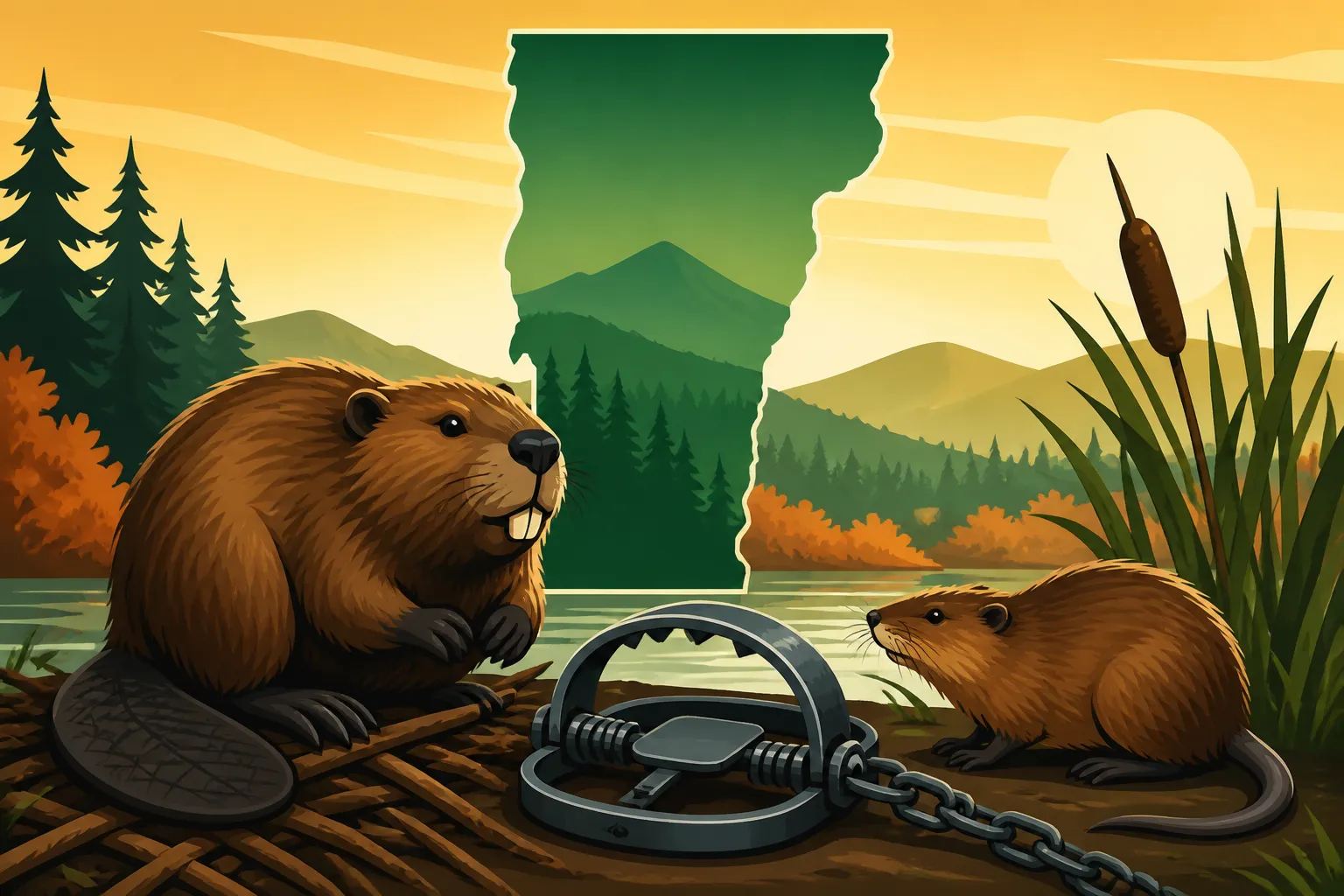
Trapping Vermont Beaver and Muskrat
Trapping for beaver and muskrat in Vermont can feel like navigating a maze of regulations, elusive furbearers, and ever-changing water levels. Many seasoned trappers and newcomers alike grapple with understanding the nuances of legal sets, identifying the most productive habitat, and ensuring a humane, successful season. This guide aims to demystify the process, offering a comprehensive look at what it takes to ethically and effectively trap beaver and muskrat in the Green Mountain State, from understanding the rules to mastering your sets.
Understanding Vermont's Furbearer Regulations for Beaver and Muskrat
Before you even think about setting steel in Vermont's waterways, it's absolutely crucial to get intimately familiar with the state's furbearer regulations. Vermont takes its wildlife management seriously, and there are specific rules in place to ensure ethical, sustainable trapping practices. Ignoring these can lead to fines, license revocation, and a lot of frustration, so let's dig into the details.
Licensing and Permitting Requirements
To legally trap beaver and muskrat in Vermont, you'll need to hold a valid Vermont trapping license. This isn't just a formality; it's your entry ticket to participating in furbearer management. If you're a new trapper, you'll also typically need to complete a trapper education course, which covers everything from safety and ethics to trap types and pelt preparation. This course is invaluable, not just for the legal requirement, but for giving you a solid foundation in responsible trapping.
Licenses can be purchased online through the Vermont Fish and Wildlife Department's portal, or in person at one of the many authorized license agents across the state. It's always a good idea to secure your license well in advance of the season opener, to avoid any last-minute rushes. Remember, always carry proof of your license while afield – a digital copy on your phone is usually acceptable, but having a physical copy tucked away is never a bad idea. For more detailed information on securing your permits, you can check out resources like Vermont Trapping License Requirements.
Season Dates and Bag Limits
Vermont's trapping seasons for beaver and muskrat are carefully set by the Vermont Fish and Wildlife Department (VFWD) to align with population dynamics, pelt quality, and other biological factors. These dates can vary slightly year to year, so always consult the most current VFWD Hunting, Fishing, and Trapping Guide. Generally, beaver seasons typically open in late October or early November and can run into March, often with different zones or periods, especially on larger public lands. Muskrat seasons usually open around the same time and might run a bit longer, often extending through spring.
Unlike some other game species, there are typically no daily or seasonal bag limits for beaver and muskrat in Vermont. The goal of furbearer management for these species is often to control populations where they might cause damage or to allow for harvest opportunities, rather than to restrict take to specific numbers. However, this doesn't mean it's a free-for-all; ethical considerations and local population health should always guide your efforts. While beaver and muskrat seasons are quite long, other furbearers like fox and bobcat have their own distinct windows, which you can learn about in guides such as Vermont Fox and Bobcat Trapping Season.
Legal Trapping Methods and Equipment Restrictions
Vermont has clear rules about the types of traps you can use and how you can set them. For beaver, common legal traps include body-gripping traps (often called conibears) in sizes like the 280 or 330, and appropriately sized foot-hold traps (e.g., #3 or #4 coilspring or longspring). Snares are also legal but come with specific regulations regarding cable diameter, break-away devices, and placement. All traps must be tagged with your name and address or your conservation ID number.
There are also critical setback requirements to be aware of. For instance, body-gripping traps exceeding a 5-inch jaw spread, when set on land, often need to be a certain distance from public trails or roads. These restrictions are in place to minimize the risk of catching non-target animals, including pets. It’s absolutely vital to understand these dimensions and locations. For muskrat, smaller traps like the 110 conibear or smaller foot-hold traps (#1 or #1.5) are common and highly effective. Knowing these rules ensures you're trapping legally and responsibly, protecting both wildlife and public safety.
Beaver Trapping Strategies in Vermont
Beaver are nature's engineers, constantly altering the landscape with their dams and lodges. This makes them predictable in their habits, but also challenging to trap effectively, especially in varied Vermont terrain. A successful beaver trapper understands their behavior and knows how to place a trap where it will be most effective and humane.
Identifying Prime Beaver Habitat and Sign
Beaver thrive in slow-moving water, which means Vermont's extensive network of rivers, streams, ponds, and wetlands, particularly the beaver flowages they create, are prime habitat. You'll find them anywhere there's a reliable water source and an abundance of woody vegetation like aspen, birch, maple, and willow for food and construction material. These spots can be found on public lands, including many of Vermont's Wildlife Management Areas, and with landowner permission, on private tracts as well.
When scouting for beaver, you're looking for clear, unmistakable signs of their activity. Freshly cut woody browse with characteristic chisel marks, often sharpened to a point, is a dead giveaway. Look for dams — active dams will be well-maintained, with fresh mud and sticks. Lodges, which are large mounds of sticks and mud, will have open entrances underwater. You'll also spot distinct runs or slides leading into the water, scent mounds (small piles of mud and debris often topped with castor from their glands), and canals they dig to access food further from the main water body. Tools like the GoHunt mapping app can be incredibly useful for pinpointing potential beaver habitat and identifying access points on public or private land. Detailed scouting is the foundation of any successful trapping endeavor, much like preparing for any hunting season as discussed in Scouting Vermont Public Land Before Season.
Effective Trap Sets for Beaver
Once you've located active beaver sign, the next step is to choose and execute the right trap set. The goal is to place the trap in a high-traffic area where a beaver is almost guaranteed to encounter it, ensuring a quick and humane dispatch.
- Dam Break Sets: This is a classic. Beavers are obsessive about maintaining their dams. By carefully creating a small break in an active dam, you create a natural funnel. Place a large body-gripping trap, like a Conibear 330 or 280, directly in this channel, fully submerged. The beaver will inevitably come to repair the breach, swimming directly into your trap. Make sure the trap is securely anchored with rebar or heavy stakes.
- Run Sets: Beaver create well-used underwater runs or channels, especially where they exit the water onto a bank or slide. Submerge a body-gripping trap in these runs, ensuring it's positioned correctly for a head-on catch. Foot-hold traps can also be effective here, set just under the surface on a slide, often with a drowning wire setup to ensure the beaver quickly drowns.
- Scent Mound Sets: Beavers use scent mounds to communicate. These are often found along the edges of ponds or streams, near lodges. By placing a foot-hold trap adjacent to a natural or man-made scent mound and applying a high-quality castor lure, you can entice a curious beaver to investigate. Again, a drowning setup is critical.
- Lodge Sets: In some areas and under specific regulations, setting traps at the underwater entrance to a beaver lodge can be highly effective, especially if you know the main travel routes. However, this is often more complicated and requires careful consideration of safety and local rules.
- Channel and Canal Sets: Beaver often dig canals to float timber from feeding areas to their lodge. These narrow channels are perfect funnels for body-gripping traps.
No matter the set, always prioritize safety. Body-gripping traps are powerful; use setting tools and safety grippers. Drowning rigs are essential for ethical trapping, ensuring quick dispatch and preventing the animal from escaping or suffering. You can observe beaver activity, such as described in Hunting a Beaver Flowage Edge at Dusk, to identify these prime trapping locations.
Handling and Processing Beaver
Once you've made a catch, safely handling a beaver is important. While generally docile, they are powerful animals. Approaching them carefully and ensuring they are fully dispatched before handling is paramount. For larger traps, a dispatch tool like a .22 short can be effective and humane.
Field dressing a beaver typically involves removing its castor glands (valuable for lure making) and sometimes its meat, which is edible and prized by many trappers. Skinning a beaver, especially a large one, is a substantial task. The hide is thick and requires a sharp knife and a bit of practice. Beaver pelts are traditionally "rouned" or stretched into a round shape. After skinning, the pelt needs to be fleshed to remove all fat and membrane, then stretched on a proper beaver hoop or board and dried. Proper preparation is crucial for maximizing the value of the pelt, whether you plan to sell it to a fur buyer like Groenewold Fur & Wool Company or process it for personal use. A well-prepared beaver pelt can fetch a decent price, but the market fluctuates annually, so checking current prices is always wise.
Muskrat Trapping Techniques in Vermont
Muskrats are smaller, semi-aquatic rodents that often inhabit similar watery environments as beaver but have their own distinct habits and preferences. Trapping muskrats is a fantastic way to hone your skills, as they are abundant and their trapping often requires finesse and attention to detail.
Locating Muskrat Hotspots
Muskrats thrive in marshes, slow-moving rivers, ponds, and even roadside ditches – essentially any shallow, vegetated water body with abundant aquatic plants for food and shelter. Unlike beaver, they don't typically build large dams or lodges in the open water. Instead, they dig dens into banks (bank dens) or construct "push-ups" in marshes – small domes of vegetation over an underwater feeding platform. You'll often find them coexisting with beaver in larger flowages but favoring the shallower, reedy edges.
Look for their distinctive sign: trails or "runs" through emergent vegetation in shallow water, piles of chewed cattails or other aquatic plants on feeding platforms, and the aforementioned push-ups. Fresh droppings can also indicate active areas. Their activity is often most pronounced at dawn and dusk. Mapping tools, including those that overlay wetland data, can be very helpful in identifying potential muskrat hotspots, especially when planning to explore different areas, such as those near Hunting a Lake Champlain Marsh.
Setting Traps for Muskrats
Muskrats are less powerful than beaver, so smaller traps are appropriate. The Conibear 110 (or similar body-grip traps in the 4×4 or 4.5×4.5 inch range) and small foot-hold traps (like a #1 longspring or coilspring) are the go-to choices. The key to successful muskrat trapping, like beaver, is placing the trap where the animal has to go.
- Feedbed Sets: Muskrats are creatures of habit. They'll often have specific spots where they bring food to eat. Submerge a trap directly in front of these feeding platforms or push-ups. You can bait these sets with a piece of apple, carrot, or corn on a stick above the trap.
- Runway Sets: Muskrats create discernible trails through shallow water and dense vegetation. Place a Conibear 110 directly in these runs, ensuring it's submerged and oriented correctly for a quick catch. These are often blind sets, relying on the muskrat's predictable travel.
- Den Entrance Sets: If you can locate an active bank den, placing a submerged trap just outside the underwater entrance can be very effective. Again, ensure proper drowning methods are in place.
- Pocket Sets: While more commonly used for mink, a pocket set can be adapted for muskrat. Dig a small pocket into a bank at the waterline, bait it with apple or carrot, and place a small foot-hold trap at the entrance.
Always secure your traps, especially foot-holds, with a drowning wire setup that guides the muskrat into deeper water quickly. This ensures a humane harvest and prevents escapes. You can compare these methods to how other furbearers are trapped by looking at Vermont Muskrat and Mink Trapping Trends.
Processing Muskrat Pelts
Muskrats, being much smaller than beaver, are generally easier and quicker to skin. The process is similar: skinning, fleshing, and stretching. Muskrat pelts are typically "cased skinned," meaning they are peeled off inside-out like a sock, leaving the fur on the outside. The pelt is then fleshed to remove any fat and membrane.
After fleshing, the pelt is stretched on a wire stretcher or a thin wooden board, ensuring it's symmetrical and smooth. Proper stretching and drying are crucial for getting a good price from fur buyers. While muskrat pelts don't fetch as high a price individually as beaver, their abundance can make them a significant part of a trapper's harvest. Many trappers also enjoy muskrat meat, considering it a lean and flavorful wild game, so don't overlook that aspect of the harvest.
Responsible Trapping Practices and Conservation
Trapping is a deeply rooted tradition in Vermont, and it plays a vital role in wildlife management. However, with the privilege of trapping comes significant responsibility. Upholding ethical standards and understanding the broader ecological context is paramount.
Ethical Trapping and Quick Dispatch
The core of ethical trapping revolves around minimizing suffering for any animal caught. This means regular trap checks – Vermont regulations typically require traps to be checked at least once every 24 hours. The quicker a trapped animal is found, the less stress it experiences.
Beyond frequent checks, knowing and employing quick, humane dispatch methods is critical. For body-grip traps, proper placement often results in instantaneous dispatch. For foot-hold traps, using a drowning setup is essential for semi-aquatic animals like beaver and muskrat, ensuring they expire rapidly and humanely. Additionally, always strive to avoid non-target catches. Understanding the habits of other species in your area and adjusting your trap types and sets can help reduce unintended captures. This also means being mindful of what you're leaving behind in the woods – no litter or discarded bait.
Respecting Landowners and Public Access
Much of Vermont is private land, and respecting property owners is non-negotiable. Always obtain explicit permission before setting traps on private property. A simple conversation, asking in person, goes a long way. Some landowners may require written permission, and it's always best practice to have it, just as it is for hunting, as detailed in articles like Do You Need Written Permission in Vermont?. Showing respect, being transparent about your intentions, and leaving no trace will go a long way in building positive relationships and securing future access.
On public lands, be aware of specific regulations. Some areas, like certain portions of Vermont Wildlife Management Areas, might have special rules or restrictions. Always consult the VFWD guide and any posted signs. Be mindful of other users – hikers, dog walkers, and other outdoor enthusiasts may not understand trapping, so place traps discreetly and safely, away from high-traffic trails. Your actions reflect on all trappers, so be a good ambassador for the sport.
The Role of Trapping in Wildlife Management
Trapping beaver and muskrat isn't just about harvesting furs; it's a critical tool in wildlife management. Beaver populations, while valuable, can create significant damage to roads, timber, and agricultural land through their damming activities. Trapping helps to manage these populations, preventing overpopulation in certain areas and mitigating conflicts with human interests. This active management is essential for maintaining healthy ecosystems and reducing economic losses.
Similarly, muskrat populations can fluctuate, and regulated trapping helps maintain their numbers within healthy ecological bounds. By participating in regulated trapping, you contribute to a sustainable harvest that supports both the furbearer populations and the broader ecosystem. It's a hands-on way to engage with conservation, ensuring that these valuable natural resources remain viable for future generations, while also addressing issues like Vermont Beaver Population and Damage.
Comparing Beaver and Muskrat Trapping
Understanding the differences between beaver and muskrat trapping can help you optimize your efforts. Here's a quick comparison:
| Feature | Beaver Trapping | Muskrat Trapping |
|---|---|---|
| Primary Habitat | Ponds, slow rivers, large flowages, created dams | Marshes, ditches, small ponds, shallow river edges |
| Primary Food | Woody vegetation (aspen, birch, willow) | Aquatic vegetation (cattails, reeds, lily pads) |
| Key Sign | Dams, lodges, large chews, scent mounds, deep runs | Push-ups, bank dens, chewed vegetation, narrow runs |
| Common Traps | Conibear 330/280, #3/4 foot-holds, snares | Conibear 110, #1/1.5 foot-holds |
| Common Sets | Dam breaks, deep runs, lodge entrances, scent mounds | Feedbed sets, runways, bank den entrances, pocket sets |
| Processing | Large, round pelt; extensive fleshing; castor glands | Small, cased pelt; easier fleshing; meat often consumed |
Remember, while the general principles of trapping apply to both, tailoring your approach to each species' specific behaviors and habitats will yield the best results.
Disclaimer
Please note: Regulations for hunting, fishing, and trapping in Vermont can change. Always consult the most current Vermont Fish and Wildlife Department regulations before engaging in any trapping activities. This guide is for informational purposes only and does not supersede state laws or regulations.