Vermont Beaver Population and Damage
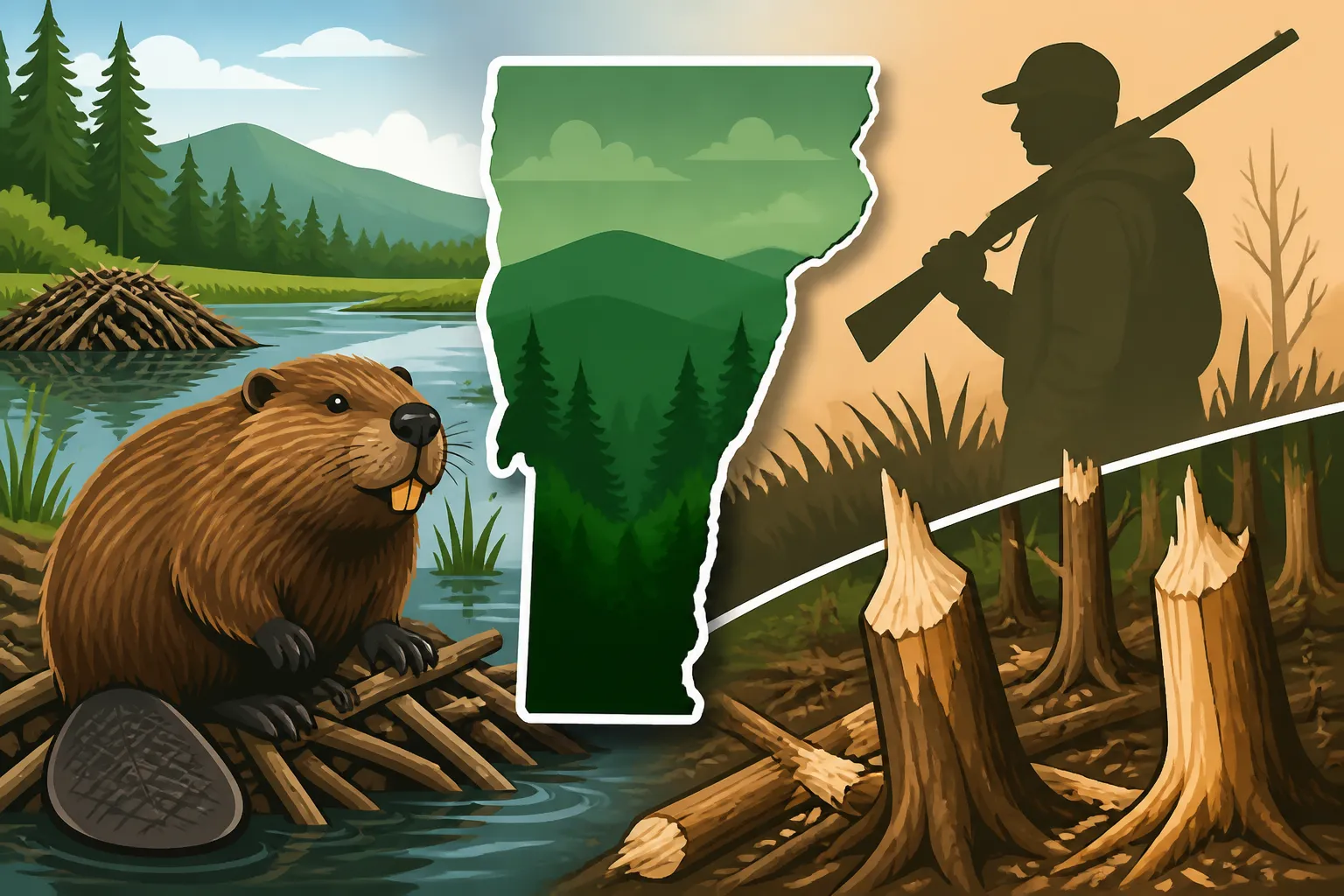
For many landowners, farmers, and even those who simply enjoy the natural beauty of Vermont's waterways, the industrious nature of beavers can present a real challenge. Their relentless dam-building transforms landscapes, leading to flooded fields, blocked culverts, the felling of valuable trees, and significant alterations to our precious stream ecosystems. While beavers are a keystone species and a testament to successful wildlife recovery, their impacts can be incredibly frustrating to deal with. This guide aims to offer a comprehensive look into understanding Vermont's beaver population, recognizing the specific types of damage they cause, and exploring the most effective strategies for managing these impacts in a realistic and sustainable way.
Understanding Vermont's Resilient Beaver Population
The North American beaver, Castor canadensis, is an undeniable symbol of wildlife resilience here in Vermont. Once nearly extirpated from much of their historical range due to unregulated fur trapping, these remarkable engineers have made a significant comeback across the Green Mountain State. Their return is a conservation success story, yet it also brings them into more frequent contact, and sometimes conflict, with human interests.
Historical Comeback and Current Distribution
It's hard to imagine, but for a long period, beaver populations in Vermont were critically low. Through reintroduction efforts and natural recolonization from neighboring states and Canada, they slowly but surely began to reclaim their ancestral territories. Today, they are a common sight (or more often, a common sign of activity) in virtually every corner of Vermont where there's suitable water and woody vegetation. From the remote reaches of the Northeast Kingdom, with its expansive bogs and intricate stream networks, to the agricultural valleys of the Champlain Basin and the dense forests of the Green Mountains, beavers have found a niche. They thrive in slow-moving rivers, streams, ponds, and even ditches, constantly seeking to create the ideal aquatic habitat that suits their needs. This widespread distribution means that almost any landowner with a water source on their property could potentially encounter beaver activity, and understanding their presence is the first step in effective management.
Beaver Ecology and Behavior
Beavers are primarily nocturnal, which is why you often see their work—freshly cut trees, new dams, lodges—but rarely the animals themselves during daylight hours. Their most defining characteristic, of course, is their dam-building. This isn't just a hobby; it's an instinctual behavior driven by a fundamental need for deep, safe water. A deep pond provides protection from predators, easy access to food during winter when ponds freeze over, and a secure underwater entrance to their lodge. They use branches, mud, rocks, and even fencing material if they can get it, to construct incredibly strong dams that can raise water levels by several feet, sometimes seemingly overnight.
Their diet consists mainly of cambium (the soft, inner bark of trees) and a variety of aquatic plants. They prefer fast-growing deciduous trees like aspen, willow, birch, and alder, but will readily fell maples, apple trees, and even some conifers if other options are scarce. This tree-cutting behavior is dual-purpose: it provides food, especially for caching underwater for winter, and construction material for their dams and lodges. Beavers live in family units, typically consisting of an adult pair, yearlings, and kits. This social structure means that where you find one beaver, you likely find several, and their collective efforts can exponentially increase the rate of landscape alteration. Their territorial nature helps regulate their population spread, but new beavers will quickly move into suitable habitat if an existing family unit is removed, making ongoing management a necessity in areas prone to damage.
The Multifaceted Damage Caused by Vermont's Beavers
While their engineering prowess is fascinating, the consequences of beaver activity can be significant, particularly for human infrastructure, agriculture, and existing forest ecosystems. The scale of damage can range from minor inconveniences to severe economic losses and environmental shifts.
Flooding and Water Management Issues
The most immediate and often most destructive impact of beaver dams is flooding. When a beaver builds a dam across a stream or ditch, it creates a new impoundment, backing up water into areas that were once dry. This can inundate valuable agricultural fields, particularly hayfields and corn plots, making them unusable for cultivation or harvest. Imagine a farmer watching their entire hay crop slowly submerge under a newly formed beaver pond; it's a heartbreaking and financially devastating scenario. Vermont Deer Damage Permits for Farmers are sometimes a pathway for specific wildlife issues, and while beavers aren't deer, the principle of agricultural damage is real for both.
Beyond agriculture, flooding can affect private property, submerging septic fields, residential lawns, and even basements. On public and private forest lands, logging roads and trails can become impassable, hindering timber operations or recreational access. Perhaps most critically, beaver dams frequently clog culverts that are designed to channel water under roads and driveways. When a culvert gets blocked, water has nowhere to go but over the road, leading to severe erosion, washouts, and expensive repairs. These issues aren't just an annoyance; they can disrupt daily life, emergency services, and local economies.
Tree Damage and Habitat Alteration
Beavers are expert lumberjacks, and their tree-felling can be indiscriminate. While they prefer softer woods, they will readily take down prized fruit trees in an orchard, valuable timber species like sugar maple or ash, and ornamental trees around homes. They don't always fell a tree completely; sometimes they girdle it, stripping the bark around the trunk, which effectively kills the tree by cutting off its nutrient supply. This damage can occur quickly, with a beaver felling a substantial tree in a single night.
The habitat alteration that results from beaver activity is a double-edged sword. On one hand, the creation of beaver ponds increases wetland habitat, which can be incredibly beneficial for waterfowl, amphibians, and a variety of aquatic insects and fish. These new wetlands contribute to biodiversity and can even help filter water. However, on the other hand, the prolonged flooding of forested areas can kill mature trees, creating what are sometimes referred to as "ghost forests" of standing dead timber. This dramatically changes the local ecosystem, favoring wetland-dependent species over forest dwellers. For a forester or landowner managing a woodlot for timber production, a beaver pond can mean the loss of decades of growth and future revenue.
Practical Strategies for Managing Beaver Damage
When you find yourself dealing with beaver damage, a range of management strategies are available, from peaceful coexistence to more active intervention. The best approach often depends on the scale of the problem, the specific type of damage, and your comfort level with different methods.
Non-Lethal Approaches: Flow Devices and Exclusion
Sometimes, the goal isn't to remove the beaver, but to simply manage their impact enough to mitigate the damage. This is where non-lethal strategies come into play, primarily involving "flow devices" or "exclusion." Flow devices, often called "beaver deceivers" or "pond levelers," are ingenious systems designed to discreetly lower the water level of a beaver pond without destroying the dam itself. These typically involve a perforated pipe inserted through the dam, protected by a cage, allowing water to flow out at a controlled rate. The beavers, not sensing the outflow, continue to maintain their dam at the desired level without realizing the water is being bypassed. These devices can be highly effective for managing localized flooding, but they require careful installation, ongoing maintenance, and can be quite an investment in time and materials.
Exclusion methods involve physically preventing beavers from reaching valuable trees or culverts. Wrapping the base of individual trees with heavy-gauge wire mesh (like hardware cloth) can protect them from gnawing. For culverts, installing sturdy fences or grids at the entrance can prevent beavers from blocking them with their damming materials. While these methods are labor-intensive up front, they offer a long-term, non-lethal solution for specific problem areas. For instance, if you have a cherished apple orchard, a few hours spent installing wire around the trunks could save you years of growth.
Lethal Control: Trapping and Removal
There are situations where non-lethal methods are either impractical, too costly, or simply insufficient to address the severity of the damage. In these cases, lethal control through trapping and removal becomes a necessary option. Beaver are classified as furbearers in Vermont, and their populations are managed through regulated trapping seasons. Trapping allows for the direct reduction of beaver numbers in problematic areas, offering immediate relief from their activities. Anyone looking to trap beaver must possess the appropriate Vermont Trapping License Requirements and understand the specific season dates and bag limits for Vermont's Small Game and Furbearers, including beaver.
Trapping can be done by landowners themselves if they are properly licensed and trained, or by hiring a professional trapper or Nuisance Wildlife Control Operator (NWCO). Common traps used for beaver include Conibear-style body-gripping traps, which provide a quick and humane kill, and foothold traps, often set in water to drown the animal. Learning the nuances of Running a Trapline in Rural Vermont effectively and ethically takes skill and experience. While trapping provides an immediate solution, it's important to remember that beavers are highly mobile and quickly recolonize suitable habitat. This means that removal often needs to be an ongoing management effort, especially in high-quality beaver habitat. Before you head out or plan any large-scale management, always check the current regulations through resources like the Vermont Fish & Wildlife Department website, or consider using a comprehensive platform like GoHunt to stay on top of season dates and specific rules for your area. If you're thinking about managing beaver on your own land, tools like the GoHunt app can be invaluable for understanding property boundaries and identifying potential flowage areas that might be attracting these industrious critters.
Navigating Regulations and Seeking Assistance
Dealing with wildlife, even when they're causing damage, always involves understanding and adhering to local regulations. Vermont has specific rules in place regarding beaver management, and knowing these is crucial before taking any action.
Permits, Seasons, and Legalities
As furbearers, beavers are managed by the Vermont Fish & Wildlife Department. This means there are specific seasons during which they can be legally trapped. Outside of these seasons, any lethal removal generally requires a special permit, often referred to as a "nuisance permit" or "damage permit," issued by the department. These permits are typically granted when beaver activity is causing significant damage to private property, public infrastructure, or agricultural lands and non-lethal methods are not feasible. It's imperative to consult the current Vermont Fish & Wildlife regulations or their website for the most up-to-date information on seasons, bag limits, and permit requirements. Remember, simply removing a dam without proper authorization can be illegal and may lead to fines, depending on the severity and location of the dam. The cost of a Vermont Trapping License Cost is typically very reasonable, but permits for nuisance wildlife might have additional administrative fees. Understanding Vermont beaver and muskrat trapping trends can also provide insights into how regulations might be shaped by population dynamics.
Here’s a quick overview of typical beaver damage and management options:
| Type of Damage | Common Impacts | Management Strategy | Notes on Application |
|---|---|---|---|
| Flooding of Land | Submerged crop fields, pastures, forests, septic systems | Flow devices (pond levelers), dam removal, trapping | Requires diligent monitoring; dam removal often needs permits |
| Tree Destruction | Felled timber, fruit trees, ornamental landscape trees | Wire caging (exclusion), selective trapping | Focus on high-value trees; trapping targets problematic individuals |
| Road & Culvert Blockage | Road washouts, impassable routes, infrastructure damage | Culvert protectors (exclusion), dam removal, trapping | Immediate action often needed for public safety; permits may be required for dam removal |
| Habitat Alteration | Creation of new wetlands, changes to stream flow | May be beneficial in some contexts; trapping for control | Consider the broader ecological impact and specific landowner goals |
When to Call for Professional Help
For many landowners, especially those facing extensive flooding or complex dam structures, bringing in professional help is often the most effective and safest course of action. Licensed Nuisance Wildlife Control Operators (NWCOs) are trained professionals who specialize in resolving human-wildlife conflicts. They have the expertise, equipment, and knowledge of regulations to handle beaver problems efficiently and legally. They can assess the situation, recommend the best course of action (whether it's installing a flow device, trapping, or a combination), and often take care of the necessary permitting processes.
The Vermont Fish & Wildlife Department is also an invaluable resource. They can offer advice, connect you with local NWCOs or experienced trappers, and provide guidance on permits. Don't hesitate to reach out to them if you're unsure about how to proceed or if the problem feels overwhelming. For specific regional advice or to find licensed professionals, the Vermont Fish & Wildlife Department is your primary resource. You can also often find community forums or groups, sometimes even accessible through platforms like GoHunt, where local trappers and landowners share insights and recommendations. Planning a hunt or scouting a new area? The mapping features available on platforms like GoHunt can help you identify potential beaver activity near water sources, which can be a key indicator for other wildlife as well, including where deer might be moving to utilize areas like a Beaver Flowage Edge at Dusk or a Beaver Flowage on Public Land. Even if you're not planning to Trapping Vermont Furbearers, understanding the signs of beaver activity can inform your general knowledge of the local ecosystem.
Ultimately, managing beaver populations and their impacts is an ongoing process here in Vermont. It requires a blend of understanding beaver ecology, applying practical solutions, and respecting wildlife regulations. By being informed and proactive, you can protect your property and coexist more harmoniously with these incredible, albeit sometimes challenging, native engineers.
Disclaimer
This article is for general informational purposes only and does not constitute professional advice. Laws, prices and regulations vary by location and change over time. Consult a qualified professional for guidance on your specific situation.