Why Vermont’s CWD Testing Keeps Coming Back Clean
There's a deep-seated worry that haunts the deer woods across North America, a silent threat that can devastate deer populations and change hunting forever: Chronic Wasting Disease (CWD). For those of us who cherish Vermont's rich hunting heritage and the health of our deer, the question of CWD is always there, lurking in the back of our minds. Fortunately, year after year, Vermont's CWD testing continues to come back clean, offering a tremendous sense of relief and a testament to the proactive efforts of our state and its dedicated hunting community. This guide will dive into why Vermont has managed to stay CWD-free, the robust measures in place, and how every hunter plays a vital role in maintaining this crucial status.
What is Chronic Wasting Disease and Why Is It Such a Threat?
Imagine a disease that slowly, relentlessly, attacks the brain and nervous system of deer, moose, and elk, leading to emaciation, abnormal behavior, and ultimately, death. That's CWD in a nutshell. It's a prion disease, similar to Mad Cow Disease, and it's always fatal. Unlike many other wildlife diseases, CWD isn't caused by bacteria or a virus; it's caused by misfolded proteins called prions. These prions are incredibly resilient, able to persist in the environment for years, even after an infected animal is gone. They can contaminate soil, plants, and even other animals, making it incredibly difficult to eradicate once it takes root in a population.
The insidious nature of CWD is what makes it so terrifying for wildlife managers and hunters alike. An infected animal might not show any signs for months, or even years, quietly shedding prions into the environment through saliva, urine, and feces. By the time symptoms appear – the tell-tale "wasting" away, neurological issues, excessive thirst, and drooling – the disease has likely already spread to other animals and contaminated the landscape. The thought of losing our healthy deer herd to such a devastating illness is a prospect no Vermont hunter wants to contemplate, which is why the continued clean test results are so important.
The Impact on Deer Populations and Hunting Culture
If CWD were to establish itself in Vermont, the ripple effects would be profound. First and foremost, we would likely see a decline in deer populations. Not only would deer succumb to the disease directly, but the stress and management actions taken to control it could also impact herd health and dynamics. Imagine stricter hunting regulations, potentially forcing hunters to harvest animals differently or limiting opportunities in certain areas. It could change the very fabric of deer hunting in our state.
Beyond the biological impact, CWD carries a heavy psychological weight. Hunters would naturally be concerned about the safety of consuming venison from infected areas, even if studies suggest a low risk of transmission to humans. This concern alone could lead to reduced hunter participation, which in turn impacts funding for wildlife conservation (as license sales are a primary source of revenue). The communal aspect of hunting, the pride in a healthy harvest, and the feeling of stewardship over our wildlife resources would all be diminished. It's not just about managing a disease; it's about protecting a way of life, and that's why Vermont's sustained vigilance is so critical.
Vermont's Proactive Stance: Strategies Keeping Us Clean
Vermont has not waited for CWD to arrive at its doorstep. Instead, the state has implemented a robust, multi-pronged strategy designed to prevent its introduction and quickly detect it if it ever does appear. This proactive approach, spearheaded by the Vermont Fish and Wildlife Department, combines rigorous testing, strict regulations, and continuous monitoring. It's a testament to the dedication of our wildlife professionals and a crucial reason why our test results remain clean.
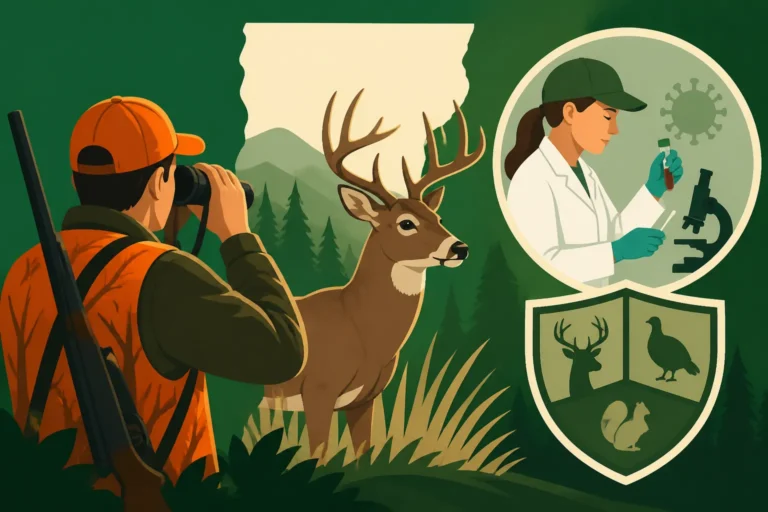
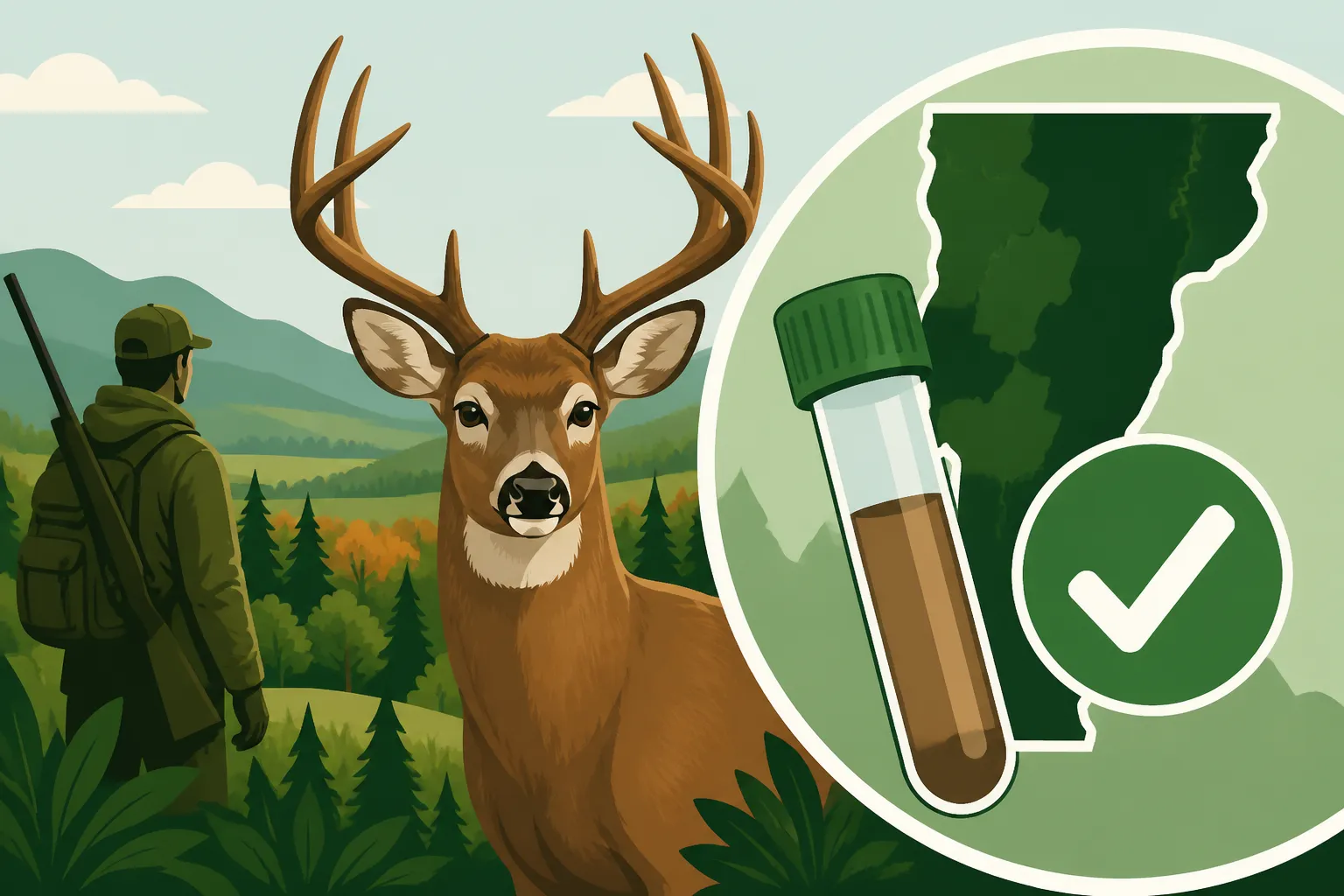
The cornerstone of this effort is the ongoing CWD surveillance program. Each hunting season, the department collects thousands of samples from harvested deer across the state. These samples, typically lymph nodes, are then sent to specialized laboratories for analysis. The sheer volume of testing is impressive and provides a high level of confidence that if CWD were present, it would be detected. This intensive sampling effort is largely dependent on hunter cooperation, as hunters voluntarily submit heads or samples at designated check stations or collection points. Without this partnership, the surveillance program simply wouldn't be possible. You can find more details on these efforts by looking into Vermont's CWD Surveillance Program.
Rigorous Testing and Surveillance
The state's surveillance program isn't just about collecting a lot of samples; it's about strategic collection. While samples are collected statewide, certain areas, especially those bordering states with CWD detections or areas with higher deer densities, might receive increased attention. This targeted approach maximizes the chances of early detection.
When you bring your deer to a check station, or utilize a designated drop-off site, you're not just registering your harvest; you're contributing directly to the health of the entire deer herd. The process for sampling is quick and efficient, often involving a trained technician taking a small tissue sample. These samples are then meticulously cataloged and sent for analysis. It takes time, but the results are invaluable in confirming Vermont's CWD-free status. The department regularly publishes its findings, allowing the public to see the evidence of our state's clean record. Staying informed about these efforts is crucial, and resources like GoHunt can sometimes offer insights into state-specific monitoring programs and how hunters can participate.
Strict Regulations to Prevent Introduction
Even with comprehensive testing, prevention remains the most effective defense against CWD. Vermont has put in place stringent regulations to minimize the risk of the disease crossing our borders. One of the most critical rules addresses the importation of deer carcasses from out of state.
| Carcass Importation Rule | Explanation | Impact on Hunters |
|---|---|---|
| Whole Carcasses Prohibited | Hunters cannot bring whole deer, elk, or moose carcasses from any state or province where CWD has been detected into Vermont. This is because the highest concentration of prions is often found in the brain, spinal cord, lymph nodes, and spleen. | If you hunt out of state, you must process your animal before returning to Vermont. Only specific parts (deboned meat, clean skull plate, antlers, hide, finished taxidermy) are allowed. |
| Specific Parts Allowed | Only deboned meat, antlers, clean skull plates (with no brain tissue attached), hides, and finished taxidermy mounts are permitted for import. | This means extensive field dressing and butchering is required if you hunt in a CWD-positive area and wish to bring game back into Vermont. Plan accordingly with processing facilities or your own butchering skills. |
| No Urine-Based Lures | Vermont has also banned the use or possession of natural urine-based lures, which could potentially carry CWD prions. | Hunters need to switch to synthetic scents or other attractants. This requires adjusting your strategy but removes a potential pathway for prion introduction. |
These regulations are not meant to inconvenience hunters; they are science-based measures designed to protect our local deer herd. It's a small price to pay for maintaining our CWD-free status. Hunters traveling to states like New York, New Hampshire, or provinces like Quebec need to be especially mindful of Moving a Deer Carcass Into Vermont rules, as these are our closest neighbors and potential vectors. Equally important is understanding Vermont's Ban on Natural Deer Lures Explained, as these seemingly innocuous products could pose a hidden risk.
Community Vigilance and Hunter Education
While state agencies lead the charge with testing and regulations, the ultimate success of Vermont's CWD prevention efforts hinges on the active participation and education of its hunting community. Every hunter is an eyes and ears on the ground, a first line of defense against the introduction and spread of CWD. This shared responsibility is a cornerstone of responsible hunting and a point of pride for Vermonters.
Hunter education goes far beyond simply learning firearm safety. It instills an understanding of wildlife biology, conservation principles, and the critical role hunters play in managing healthy populations. The Vermont Hunter Education program emphasizes the importance of CWD awareness, teaching new hunters about the disease, how to identify suspicious behavior in deer, and the proper protocols for carcass handling. This continuous education ensures that knowledge about CWD prevention isn't just for wildlife biologists but is disseminated throughout the entire hunting community. For those new to the sport, taking part in Vermont Hunter Education Requirements is the first step in becoming a responsible steward of our wildlife.
The Role of Hunters in Prevention
Hunters are arguably the most important component in keeping Vermont CWD-free. Here's how every hunter can contribute:
- Be Vigilant: Pay attention to the deer you see, both harvested and alive in the woods. If you observe any deer exhibiting unusual behavior – extreme emaciation, stumbling, drooling, or an unnatural lack of fear of humans – report it immediately to the Vermont Fish and Wildlife Department. Don't assume it's "just an old deer" or something else. Early reporting could be key to containing an outbreak.
- Comply with Carcass Regulations: If you hunt out of state, know and strictly follow Vermont's carcass importation rules. Debone your meat, clean your skull plate, and leave prohibited parts behind. This isn't just a suggestion; it's a legal requirement and a critical measure. Ignorance of the rules is not an excuse when the health of our deer herd is at stake.
- Support Testing Efforts: Cooperate fully with Fish and Wildlife personnel at check stations or when submitting samples for CWD testing. Understand that these efforts are for the greater good of the resource we all value.
- Responsible Carcass Disposal: If you process a deer at home, ensure proper disposal of any parts not used. Burying them deeply or double-bagging and sending to a landfill are generally recommended, especially if there's any uncertainty about the animal's health.
- Stay Informed: Keep up-to-date with the latest CWD information from the Vermont Fish and Wildlife Department. Conditions and regulations can change, and staying informed is part of being a responsible hunter. Services like GoHunt can provide relevant news and updates on regulations in various states, which is helpful if you hunt beyond Vermont's borders.
Understanding Our Neighbors: The Regional Picture
While Vermont has remained clean, CWD is present in several neighboring states and provinces. This makes our vigilance even more critical. Knowing where the closest confirmed cases are, such as those that have appeared in parts of Quebec or New York, helps underscore the constant threat and the importance of our preventative measures. Vermont's Closest Confirmed CWD Case information is readily available and demonstrates the proximity of the threat. This is why the carcass importation rules are so strict; it’s not about keeping hunters from bringing home their trophies, but about preventing potentially infected materials from entering our ecosystem. The more hunters understand the regional landscape of CWD, the more they appreciate the necessity of Vermont's strict protocols.
Looking Ahead: Continued Efforts and What You Can Do
The ongoing clean slate for CWD in Vermont is a cause for celebration, but it's not a reason for complacency. Chronic Wasting Disease is a persistent threat, and maintaining our CWD-free status will require continuous effort, adaptation, and unwavering commitment from everyone who cares about Vermont's wildlife. The vigilance of today directly impacts the health of the deer herd for generations to come.
Our wildlife management strategies are constantly evolving, and the Vermont Fish and Wildlife Department regularly reviews its CWD prevention plans based on new scientific understanding and the spread of the disease in other areas. This adaptive management approach means that regulations or testing protocols might be adjusted in the future to ensure we remain as effective as possible. For instance, the department uses data gleaned from programs like How Fish and Wildlife Counts the Deer Herd and Vermont Deer Herd Size to inform their surveillance strategies, ensuring they're sampling representative populations.
Sustained Vigilance and Adaptation
One of the greatest challenges with CWD is its long incubation period and the difficulty in detecting it in early stages without specialized testing. This means that a clean test one year doesn't guarantee future immunity, but it does mean our current surveillance is effective. Continued robust testing is essential.
Another area of adaptation might involve changes to hunting seasons or bag limits if CWD were ever detected. While we certainly hope that never happens, wildlife managers would need to consider strategies like targeted removal of deer in affected areas to try and contain the spread. This could have implications for hunters, emphasizing why staying informed through official channels and engaging with the Fish and Wildlife Department is so important. When you see new proposals for season changes or reporting requirements, understand that they are often rooted in these broader conservation goals. Vermont Deer Reporting Requirements already play a critical role in data collection that could be vital in a CWD scenario.
Your Enduring Commitment to Vermont's Wildlife
As a hunter, your commitment to ethical practices extends to protecting the health of the entire ecosystem. Here’s how you can continue to be a champion for Vermont’s CWD-free status:
- Support Conservation: Your hunting license fees are a direct investment in wildlife management and disease surveillance. Continue to purchase your licenses and permits, knowing that a portion directly funds efforts like CWD testing.
- Educate Others: Share your knowledge about CWD prevention with fellow hunters, friends, and family. The more people who understand the threat and the preventative measures, the stronger our collective defense will be.
- Report Concerns: Never hesitate to report any deer exhibiting suspicious symptoms to the Vermont Fish and Wildlife Department. You can be the critical link in preventing a widespread outbreak.
- Practice Safe Carcass Handling: Whether you've hunted in Vermont or out-of-state, always handle deer carcasses responsibly. If you gut a deer in the field, leave the internal organs at the kill site. If you're processing at home, dispose of waste properly to avoid potential environmental contamination.
- Engage with the Department: Attend public meetings, read departmental publications, and provide feedback when opportunities arise. Your voice as a concerned hunter is valuable in shaping future conservation policies.
By working together, supporting science-based management, and remaining vigilant, we can continue to protect Vermont's deer herd and ensure that future generations can enjoy the incredible hunting opportunities our state provides.
Disclaimer
This article is for general informational purposes only and does not constitute professional advice. Laws, prices and regulations vary by location and change over time. Consult a qualified professional for guidance on your specific situation.