Moving a Deer Carcass Into Vermont
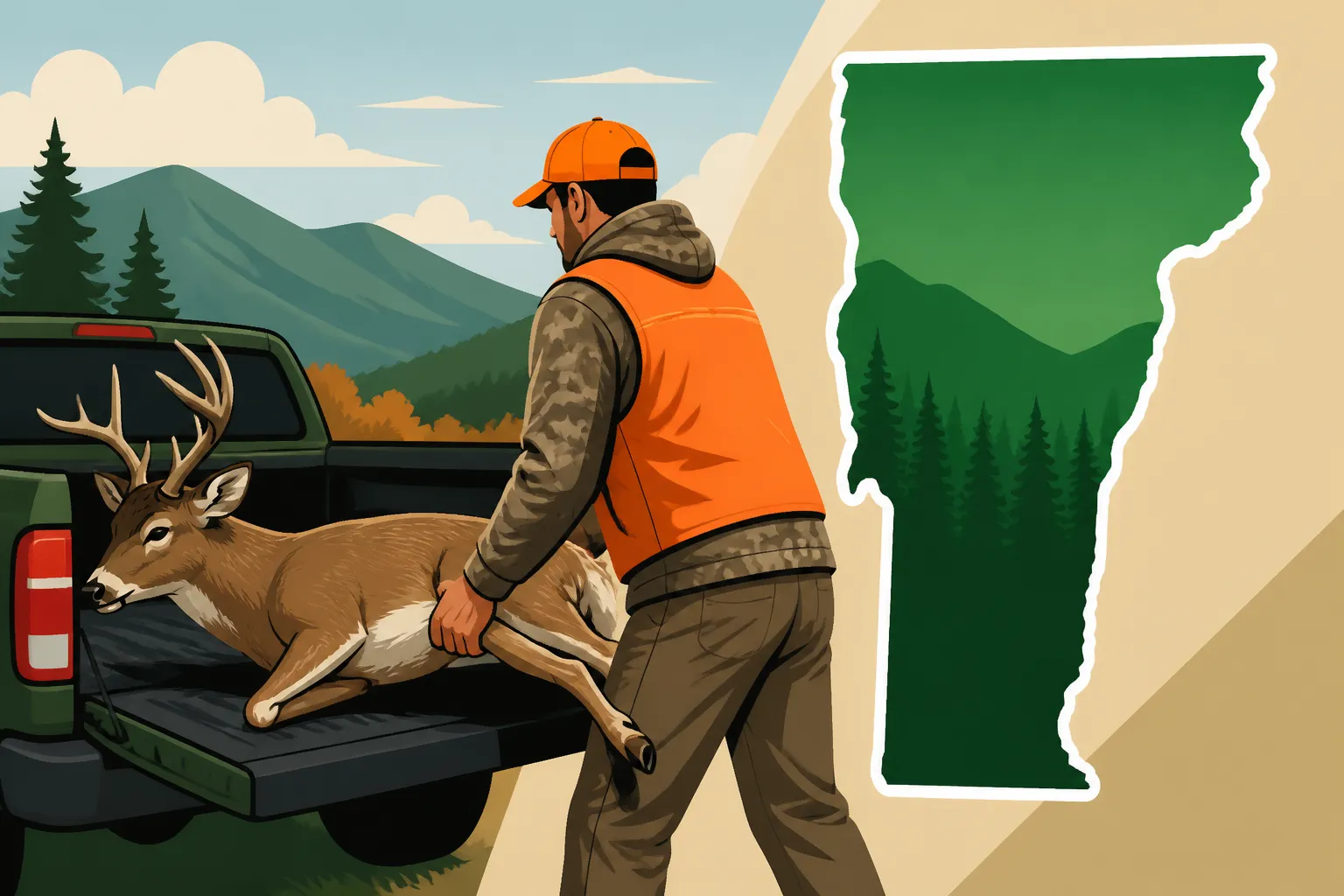
There’s nothing quite like the satisfaction of a successful hunt, especially when you’ve ventured out of state to pursue a big whitetail, a hefty mule deer, or even an elk. You’ve put in the time, made the shot, and now you’re looking at your prize. But then, a familiar worry might start to creep in: how do you get this animal, this hard-earned bounty, back into Vermont without running afoul of the regulations? It's a common dilemma, and navigating the rules for importing deer carcasses can feel confusing and restrictive. This guide is designed to help you understand exactly what you need to do, and why, to ensure your out-of-state hunting success transitions smoothly back to the Green Mountain State.
The Critical "Why" Behind Vermont's Carcass Import Rules
Let's face it, nobody enjoys extra rules and regulations, especially when you're tired from a hunt and eager to get your game home. However, Vermont’s strict rules about bringing deer (and other cervid) carcasses into the state aren't meant to be a nuisance; they are a vital line of defense against a devastating neurological disease called Chronic Wasting Disease (CWD). This disease is a huge threat to deer, moose, and elk populations, and once it takes hold in a wild herd, it's incredibly difficult, if not impossible, to eradicate. Vermont is proud to currently be a CWD-free state, and these carcass import restrictions are a cornerstone of that prevention effort.
Understanding Chronic Wasting Disease
CWD is caused by abnormal proteins called prions, which can persist in the environment for years and are highly resistant to conventional disinfection methods. These prions accumulate in the brain and nervous system, leading to a slow, progressive degeneration that is always fatal for the infected animal. The scariest part? It can spread through direct animal-to-animal contact, but also indirectly through contaminated soil, plants, and even feed. The prions are most concentrated in certain parts of an infected animal, like the brain, spinal cord, lymph nodes, and spleen. This is precisely why Vermont, along with many other states, has implemented specific rules about what parts of a deer carcass can cross its borders. You can learn more about Vermont's efforts to keep CWD out by reading about Vermont's CWD Prevention Rules.
Why Vigilance is Paramount for Vermont Hunters
Imagine the heartache if CWD were to ever establish itself in Vermont's deer herd. It would impact not only the health of our wildlife but also the future of hunting in our state, potentially leading to reduced herd numbers, hunting restrictions, and mandatory testing. We've seen the devastating effects in other regions, and frankly, it's a future we absolutely must avoid here in Vermont. While the state actively runs a Vermont CWD Testing Program on harvested deer each season, preventing the disease from entering the state in the first place is the most effective strategy. This means that every hunter who brings a deer back from an out-of-state hunt plays a critical role in protecting our local herds. Knowing that Vermont's Closest Confirmed CWD Case is in Quebec, the proximity makes these measures even more urgent.
What Parts of a Deer Carcass You Can (and Can't) Bring into Vermont
This is where the rubber meets the road. It's crucial to know exactly what is permitted to cross the state line and what isn't. The rules are designed to minimize the risk of CWD prions entering Vermont while still allowing hunters to bring home their venison and trophies. Essentially, anything that might contain significant concentrations of CWD prions is restricted.
Allowed Carcass Parts
You can bring certain parts of a deer, elk, or moose carcass into Vermont from any state or province, regardless of its CWD status. These are the parts deemed low-risk for CWD transmission:
- Boned-out meat: This means any meat that has been completely removed from the bone. This is generally the safest way to transport venison.
- Cleaned skull plate (antlers attached): The skull plate must be free of all brain tissue, hide, and other soft tissues. Essentially, it should be bone-dry and clean.
- Antlers: If they are detached from the skull, they are fine.
- Hides/capes: These are allowed as long as they are free of any head or spinal cord material. If you plan to cape your deer for a shoulder mount, ensure you meticulously remove any nervous tissue.
- Teeth: Individual teeth are allowed.
- Finished taxidermy mounts: Once fully processed and mounted, there's no risk.
Prohibited Carcass Parts
Conversely, these are the parts you absolutely cannot bring into Vermont from any out-of-state cervid kill, regardless of where it was harvested:
- Whole carcasses: This is the most common mistake. You cannot bring an entire deer, even if it's field-dressed.
- Spinal column/backbone: This is a high-risk area for CWD prions.
- Brain: Another extremely high-risk tissue.
- Skull (if not cleaned): Any skull with brain or soft tissue remaining is prohibited.
- Lymph nodes: These glands, found throughout the body, are also high-risk.
- Spleen: Considered a high-risk organ.
- Eyes: These are also considered risky.
To make things a little clearer, here’s a breakdown in a table format:
| Carcass Part | Allowed into Vermont? | Important Conditions |
|---|---|---|
| Boned-out Meat | YES | Must be completely removed from bone and soft tissues. |
| Antlers (detached) | YES | No restrictions. |
| Cleaned Skull Plate | YES | Must be free of all brain tissue, hide, and other soft tissues. |
| Hides/Capes | YES | Must be free of all head and spinal cord material. |
| Teeth | YES | Individual teeth are permitted. |
| Finished Taxidermy | YES | Fully processed and mounted. |
| Whole Carcass | NO | Prohibited. |
| Spinal Column | NO | Prohibited. |
| Brain | NO | Prohibited. |
| Uncleaned Skull | NO | Prohibited if any brain or soft tissue remains. |
| Lymph Nodes | NO | Prohibited. |
| Spleen | NO | Prohibited. |
| Eyes | NO | Prohibited. |
Practical Steps for Out-of-State Hunters to Ensure Compliance
Knowing the rules is one thing, but actually implementing them in the field can sometimes feel daunting. However, with a little preparation, you can ensure a smooth process for bringing your game back to Vermont. It really comes down to proper field dressing and processing at your hunt location.
Field Dressing and Initial Carcass Preparation
The key here is to process your deer at the kill site or at a local facility in the state you're hunting. You need to get that deer broken down into its permissible parts before you even think about driving back to Vermont. This means:
- Field Dress Immediately: As always, field dress your deer promptly to begin the cooling process. This is good practice for venison care, especially when Field Dressing a Deer in Cold Weather.
- Bone Out the Meat: This is the most crucial step. Carefully remove all the meat from the bone. This will involve separating muscle groups from the backbone, ribs, and leg bones. Take your time to ensure all meat is completely free of bone and connective tissues that might harbor CWD prions. You might consider bringing a larger boning knife and some sturdy game bags specifically for this purpose.
- Prepare the Skull Plate/Cape: If you're bringing the skull plate (for antlers) or a cape for taxidermy, you must clean it thoroughly. For a skull plate, ensure all brain matter is removed. You can often do this with a sturdy stick, a hose, or even a pressure washer if available at your processing site. For a cape, ensure no spinal cord or brain material remains attached to the hide. Many hunters choose to cape their animal and then discard the head and spinal column at a permitted facility in the state where the animal was harvested.
Utilizing Local Processing Facilities
If you’re hunting in a state with a strong hunting culture, there will likely be plenty of local meat processors or taxidermists who are well-versed in CWD regulations. These businesses can be incredibly helpful:
- Professional Processing: Many hunters choose to have their deer professionally processed in the state where they hunted. This ensures the meat is properly boned out and packaged, ready for transport. This option takes the guesswork out of compliance.
- Taxidermy Services: If you want a shoulder mount, a local taxidermist can skin the head and neck, ensuring the cape is properly prepared and free of any prohibited tissues. They can then handle the skull/spinal column according to their state’s regulations.
- Waste Disposal: These facilities are also equipped to handle the disposal of the prohibited carcass parts safely and legally, preventing any risk of CWD spread.
Remember, the goal is to leave all prohibited parts in the state where the deer was harvested. Planning ahead by knowing if there’s a processor near your hunting area can save you a lot of stress. You can consult resources like GoHunt for information on hunting regulations and services in various states, which can sometimes include processor directories.
Staying Informed and Finding Official Resources
Regulations, especially around wildlife diseases, can change. What was true last year might have been updated this season. It’s absolutely essential to stay current with Vermont’s official rules to avoid any issues. Relying on outdated information or hearsay is a recipe for trouble.
Where to Find the Latest Information
The Vermont Fish & Wildlife Department (VFWD) is your primary and most reliable source for all regulations concerning Vermont's CWD Prevention Rules and carcass importation. Their website should be your first stop before and after any out-of-state hunt.
- Official Website: Always check the VFWD website for the most up-to-date guidelines. Look for sections on CWD, deer hunting regulations, and carcass import rules. They often provide clear diagrams or lists of what is and isn't allowed.
- Regulation Booklets: Pick up a physical copy of Vermont's hunting regulations wherever licenses are sold. While these are updated annually, always cross-reference with the website for any mid-season changes.
- Contact VFWD: If you're ever in doubt, the best course of action is to directly contact the Vermont Fish & Wildlife Department. A quick phone call or email can save you a lot of grief and ensure you're compliant. Don't guess when it comes to disease prevention.
The Importance of Personal Responsibility
Ultimately, the responsibility for compliance falls on the individual hunter. Ignorance of the law is not an excuse. Taking the extra steps to process your deer correctly out-of-state, or to utilize a local processor, might seem like a hassle, but it’s a small price to pay for protecting Vermont's incredible wildlife resources. Whether you're planning a trip to hunt deer in New York, New Hampshire, or farther afield, always factor in the time and resources needed for proper carcass preparation. Platforms like GoHunt can assist in researching different state regulations and connecting with hunting services, but always verify directly with the state's wildlife agency. By doing so, you're not just following a rule; you're actively contributing to the health and longevity of hunting for everyone in Vermont. And once you've successfully brought your boned-out venison home, you can focus on the enjoyable parts, like Butchering a Deer at Camp or preparing that delicious wild game.
Disclaimer
Please note that hunting regulations, including those related to Chronic Wasting Disease and carcass importation, can change. Always consult the official Vermont Fish & Wildlife Department website and their most current regulations prior to any hunting trip or when transporting game. This guide is for informational purposes only and should not be considered legal advice.