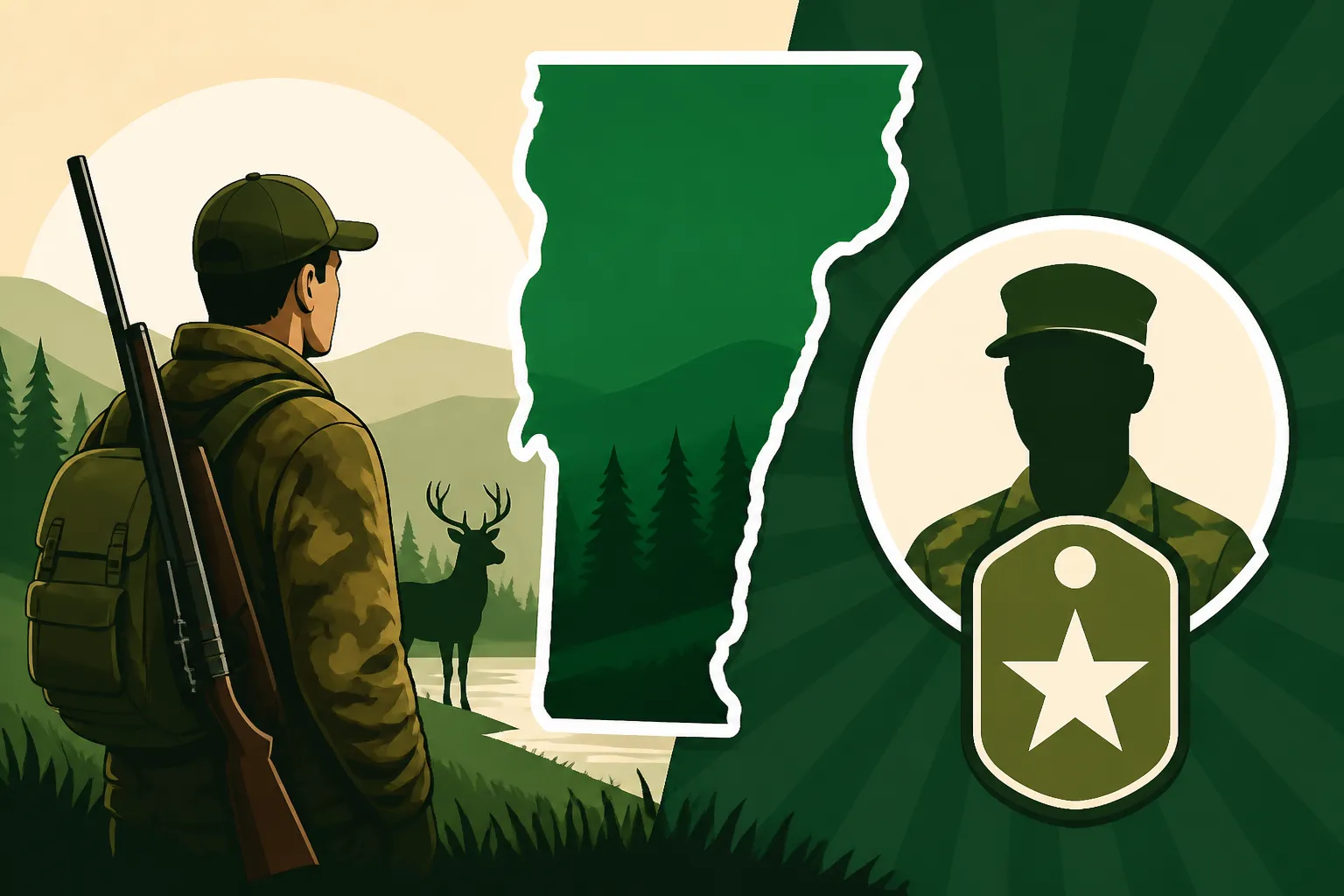
Vermont Military Hunting License Discounts
It can feel like a labyrinth trying to figure out all the different hunting license options in Vermont, especially when you're looking for specific benefits like those offered to military personnel. The fees and requirements can be daunting, and navigating bureaucracy is the last thing you want to do when all you really want is to get out into the woods. This guide is here to untangle that process, offering a clear, empathetic look at the special hunting license discounts and programs available for our active-duty military, veterans, National Guard members, and reservists in the Green Mountain State.
Eligibility for Vermont's Military Hunting License Programs
Vermont deeply appreciates the service and sacrifice of its military members, and this appreciation extends to special provisions for hunting and fishing licenses. However, understanding who qualifies for what can sometimes feel like deciphering a complex code. It's not a one-size-fits-all situation, so let's break down the specific criteria to see where you fit in.
Who Qualifies for Free Permanent Licenses
One of the most significant benefits Vermont offers is a free permanent license for certain eligible individuals. This isn't just a discount; it's a comprehensive license that covers hunting, fishing, and trapping, removing the annual fee burden entirely. To qualify for this generous program, you must be a Vermont resident and a veteran who has a service-connected disability rating of 60% or more. This benefit is a small, but meaningful, way to acknowledge the profound impact of your service. It's designed to make getting out into nature, which can be incredibly therapeutic, as accessible as possible.
Additionally, active-duty military personnel who are Vermont residents and are home on official leave can also receive a free license. This is often a short-term benefit, allowing those actively serving to enjoy a quick hunt or fishing trip during their limited time off without worrying about the cost. It’s a welcome gesture, recognizing that finding time for recreation is vital, especially when you’re facing the demands of military service. These free licenses streamline the process, ensuring that precious leave time isn't wasted on administrative tasks or budget concerns.
Resident Active Duty and National Guard Benefits
For Vermont residents serving in the active military (but not necessarily on official leave at the moment of purchase) or members of the Vermont National Guard, the state also offers resident license options that are typically much more affordable than non-resident fees. While not always free like the disabled veteran or active-duty-on-leave permits, these resident rates are a substantial saving. It means that whether you’re deployed overseas or serving stateside, if Vermont is your home of record, you’re still considered a resident for licensing purposes, which provides access to all the standard resident permits, including a Vermont Resident License Options.
This is a critical distinction because standard non-resident licenses can be quite expensive, and for many military families, every penny counts. By offering resident rates, Vermont ensures that those who call the state home, even when their service takes them elsewhere, can still afford to enjoy their outdoor traditions. It’s a policy that helps maintain connections to home and provides a sense of normalcy, which is incredibly important for military members and their families. This applies to a wide range of licenses, from general hunting to specific archery or muzzleloader tags.
Non-Resident Active Duty Stationed in Vermont
What if you're not a Vermont resident but you're stationed here? This is a common scenario for many active-duty personnel. The good news is that Vermont extends a significant benefit to you as well. If you are an active-duty military member who is permanently stationed in Vermont, you are eligible to purchase hunting, fishing, and trapping licenses at the resident rate. This means you don't have to pay the much higher non-resident fees, even if your home state is somewhere else entirely.
This policy acknowledges the unique situation of military families who often relocate and build temporary lives in new communities. It allows you to integrate into the local outdoor community and take full advantage of Vermont's rich hunting opportunities, from chasing whitetails in the Green Mountains to calling turkeys in the spring. For example, if you're looking to take part in Spring Turkey Hunting in Vermont, you'll find the resident permit much more accessible. This benefit essentially levels the playing field, ensuring that your military service in Vermont grants you the same access to the state's natural resources as a long-term resident.
Proof of Service and Residency Requirements
No matter which category of military benefit you fall under, proving your eligibility is a non-negotiable step. The Vermont Fish & Wildlife Department requires specific documentation to confirm your military status and, where applicable, your residency and disability rating. For active-duty personnel, a valid military ID card is usually the primary form of identification. If you are on official leave, you might need to present your leave papers or a letter from your commanding officer confirming your status and leave dates.
For veterans, especially those seeking the permanent disabled veteran license, a copy of your DD-214 (Certificate of Release or Discharge from Active Duty) is essential, along with official documentation from the U.S. Department of Veterans Affairs (VA) verifying your service-connected disability rating. This VA documentation needs to clearly state that your disability is 60% or greater. For residency, a valid Vermont driver's license or state ID is typically required, demonstrating that Vermont is your established home. If you are a non-resident active-duty member stationed in Vermont, you'll need to provide your military orders or a letter from your command showing your permanent duty station in the state, in addition to your military ID. It’s always a good idea to call ahead to the Vermont Fish & Wildlife Department or check their website to ensure you have all the most up-to-date and correct documents before applying, saving you a frustrating trip.
Navigating Vermont's Specific Military Hunting License Options
Once you understand the eligibility, the next step is to get familiar with the specific licenses and how they work. Vermont offers a range of options, each tailored to different situations, ensuring that military members can enjoy hunting, fishing, and trapping throughout the state. Understanding the nuances of these licenses is key to making the most of your time outdoors.
The "Permanent" License for Disabled Veterans
The free permanent license offered to Vermont resident disabled veterans with a 60% or more service-connected disability is truly a lifelong benefit. This isn't just a basic hunting license; it's an all-encompassing permit that covers hunting, fishing, and trapping. This means you don't need to purchase separate stamps or additional permits for these activities, making it incredibly convenient and comprehensive. It's a significant financial relief, removing the recurring cost of annual licenses, which can add up over the years.
Imagine never having to worry about purchasing Vermont Hunting Licenses and What They Cost again, whether you're heading out for deer season or trying your luck with some brook trout. This permanent status means you receive a physical card that serves as your license for life, though you might still need to acquire specific tags for certain game animals, such as deer or moose, following the state's game management rules. It's designed to simplify access and provide continuous opportunities for outdoor recreation, acknowledging the unique challenges faced by disabled veterans.
Active Duty Leave Licenses
For active-duty Vermont residents who are home on official leave, the free license is a fantastic, albeit temporary, perk. This license typically covers a specific period corresponding to your official leave dates, allowing you to hunt and fish during that window. It’s an ideal solution for those brief but cherished periods when you can reconnect with family and enjoy the Vermont outdoors. This program ensures that when you do get a break from your duties, the state is doing its part to make that time enjoyable and accessible, without the added expense of a license.
While the exact duration will depend on your leave papers, it's generally understood to cover a standard hunting or fishing trip. It’s not meant to be a year-round license, but rather a focused benefit for those specific times when you’re back home. This is particularly useful if your leave coincides with popular seasons, allowing you to join friends or family for a hunt without any hassle. Make sure to have your military ID and official leave documentation handy when applying, as these will be essential for verifying your eligibility for this temporary but valuable benefit.
Resident License Purchase for Stationed Non-Residents
If you're an active-duty military member permanently stationed in Vermont but not a legal resident of the state, you have the unique opportunity to purchase any regular resident hunting, fishing, or trapping license. This is a considerable advantage because non-resident licenses for hunting big game, in particular, can be significantly more expensive. For example, a non-resident hunting license can cost several times more than a resident one. This benefit allows you to fully participate in Vermont’s hunting seasons, whether you’re interested in pursuing deer, bear, or turkeys, at a much more affordable rate.
This means you can access the same opportunities as long-time Vermonters, like applying for antlerless permits in specific Wildlife Management Units (WMUs) or participating in general seasons. It simplifies your ability to plan and enjoy local hunts, removing a common barrier for military families who are temporarily relocated. If you're looking to explore Public Hunting Land in Vermont or scout out some potential spots, this resident-rate license opens up those possibilities without the heavy financial burden of a typical non-resident tag.
Understanding License Costs and Application
Comparing the costs and understanding the application process is crucial. While the specifics can change, here’s a general breakdown of how military discounts often compare to standard fees in Vermont. Keep in mind that "free" is the ultimate discount!
| License Type | Standard Resident Cost (Approx.) | Standard Non-Resident Cost (Approx.) | Eligible Military Benefit |
|---|---|---|---|
| Hunting (Annual) | $26 | $100+ | Free (Disabled Vet/Active Duty on Leave); Resident Rate (Stationed Non-Resident) |
| Fishing (Annual) | $26 | $50+ | Free (Disabled Vet/Active Duty on Leave); Resident Rate (Stationed Non-Resident) |
| Combination (Hunt/Fish) | $43 | $140+ | Free (Disabled Vet/Active Duty on Leave); Resident Rate (Stationed Non-Resident) |
| Archery Endorsement | $18 | $18 | Free (Disabled Vet/Active Duty on Leave); Resident Rate (Stationed Non-Resident) |
| Muzzleloader Endorsement | $18 | $18 | Free (Disabled Vet/Active Duty on Leave); Resident Rate (Stationed Non-Resident) |
| Turkey Permit (Spring) | $23 | $23 | Free (Disabled Vet/Active Duty on Leave); Resident Rate (Stationed Non-Resident) |
Note: These are approximate costs and can change. Always check the official Vermont Fish & Wildlife Department website for the most current fees.
For disabled veterans and active duty on leave, the application for a free license will typically involve an in-person visit to a Vermont Fish & Wildlife office or an authorized license agent, as your documentation needs to be verified. For non-resident active duty stationed in Vermont, you can often apply online through the state's portal, but be prepared to upload or present your military orders confirming your duty station. Always remember to carry your proof of military service and valid identification when applying and, of course, while hunting.
Applying for Your Vermont Military Hunting License
The thought of dealing with paperwork and bureaucratic processes can be a real headache, especially when you're just trying to enjoy the outdoors. Vermont has made strides to simplify the application process for its military members, but knowing the specific steps and what to expect can save you a lot of time and frustration. Let's walk through how to get your hands on those hard-earned benefits.
The Application Process Step-by-Step
Applying for your military hunting license in Vermont can generally be done in a few ways, depending on your specific eligibility. If you're a disabled veteran seeking the permanent free license, or an active-duty member on leave, an in-person application is often the most straightforward route. This allows a Vermont Fish & Wildlife representative or an authorized license agent to directly verify your military ID, VA disability documentation, or leave orders. You can find these agents at many general stores, sporting goods shops, and town clerks' offices throughout the state. It's always a good idea to call ahead to confirm they process military-specific licenses and to ask what forms of payment they accept, though for free licenses, obviously, payment isn't the concern.
For active-duty non-residents stationed in Vermont who qualify for resident rates, the online portal is a convenient option. The Vermont Fish & Wildlife Department provides a secure online system where you can purchase Vermont Hunting Licenses and What They Cost and various permits. You'll likely need to create an account if you don't have one and then select the appropriate resident license. During the process, there will be prompts to verify your eligibility, which may include uploading scanned copies of your military ID and official orders proving your permanent duty station in Vermont. While platforms like GoHunt are fantastic for scouting and planning your hunt, they typically don't process the actual license purchase itself for Vermont; that's handled directly through the state's official channels.
Required Documentation Checklist
To ensure a smooth application process, having all your documentation organized beforehand is absolutely critical. There’s nothing worse than getting to the counter or halfway through an online application only to realize you’re missing a key piece of paper.
Here’s a checklist to help you gather what you need:
- For Disabled Veterans (60%+ service-connected disability, VT Resident):
- Valid Vermont Driver’s License or State ID
- Original or Certified Copy of your DD-214
- Official documentation from the U.S. Department of Veterans Affairs confirming a service-connected disability of 60% or greater.
- For Active Duty on Official Leave (VT Resident):
- Valid Vermont Driver’s License or State ID
- Valid Military ID Card
- Official leave papers or a letter from your commanding officer verifying your leave dates.
- For Active Duty Permanently Stationed in Vermont (Non-Resident):
- Valid Military ID Card
- Official military orders or a letter from your command verifying your permanent duty station is in Vermont.
- Your home state driver's license or ID (for identification purposes).
Having these documents readily available, whether physical copies for an in-person visit or digital scans for an online application, will drastically reduce potential delays and make the entire process much more efficient. Double-checking ensures you won't have to make multiple trips or re-do your online submission.
Renewals and Maintaining Eligibility
For those with the permanent disabled veteran license, the beauty is that it’s permanent – no annual renewal required for the base hunting, fishing, and trapping privileges. However, it's essential to remember that you might still need to acquire specific tags for certain species, like an antlerless deer permit or a moose permit, each year according to standard state regulations. The process for applying for the Vermont Moose Lottery Application Process, for example, remains the same for everyone, even if your base hunting license is permanent.
For active-duty non-residents purchasing resident-rate licenses, you will need to renew your license annually. Each year, when you go to purchase your new license, you’ll likely need to re-verify your active-duty status and your permanent duty station in Vermont. This is a standard procedure to ensure that only currently eligible personnel are receiving the benefit. Keep your military ID and updated orders handy for these annual renewals. The good news is that once you’ve done it once, the process becomes much more familiar in subsequent years. Maintaining your eligibility simply means continuing to meet the criteria for your specific benefit category, and being prepared to show proof when asked.
Maximizing Your Vermont Hunting Experience with Military Benefits
Receiving a military discount or a free license in Vermont is a fantastic perk, but it's just the first step. To truly make the most of your hunting opportunities, it’s essential to integrate these benefits into a broader hunting strategy. This means understanding how your license works with various seasons and regulations, and knowing where to find additional support.
Planning Hunts with Your Specialized License
Having your license secured means you can now dive into the exciting part: planning your hunts! Vermont offers diverse hunting opportunities across multiple seasons, and your military license will be your ticket to participate. If you’re a disabled veteran with a permanent license, you have the flexibility to hunt during any open season without worrying about recurring license fees. This might allow you to explore different methods, like trying Bowhunting Vermont's Expanded Archery Season in September, which offers unique challenges and rewards, or focusing on Muzzleloader Deer Hunting in Vermont later in the year.
For active-duty personnel stationed in Vermont who are purchasing resident licenses, you can plan your hunts just like any other resident. This means you can participate in early season deer hunts, the regular rifle season, and even the late muzzleloader season. You might use online mapping tools, like those offered by GoHunt, to scout potential locations on Public Hunting Land in Vermont or even identify private land where you might seek permission. Understanding the specific dates, bag limits, and legal weapons for each season is crucial, and your resident license allows you to access all this information as a local hunter would.
Resources and Support for Military Hunters
Beyond the direct license benefits, there are numerous organizations and resources dedicated to supporting military members and veterans in their outdoor pursuits. Groups like Disabled American Veterans (DAV), Wounded Warrior Project, or local veterans' organizations often have programs or connections that facilitate hunting and fishing trips for those who have served. These organizations not only offer companionship but can also provide gear, guided hunts, and mentorship, making the experience even more enriching. They understand the unique challenges and therapeutic benefits of spending time in nature.
The Vermont Fish & Wildlife Department itself is a valuable resource. Their website is a comprehensive hub for all regulations, season dates, and educational materials, including Vermont Hunter Education Requirements. Don't hesitate to reach out to their local offices or game wardens with specific questions; they are there to help ensure a safe and legal hunting experience. Many times, they can direct you to specific programs or answer nuanced questions about regulations.
Important Regulations and Safety Considerations
While your military license grants you access, it's paramount to remember that all Vermont hunting regulations apply equally to every hunter, regardless of their service status. This includes adhering to blaze orange requirements during certain seasons, respecting private property boundaries, and following ethical hunting practices. For instance, understanding Vermont's CWD Prevention Rules is important for all deer hunters to help protect the state's healthy deer herd.
Safety is always the top priority. Hunter education is mandatory for most first-time hunters in Vermont, and even experienced hunters can benefit from a refresher. Always know your target and what's beyond it, handle firearms responsibly, and understand the terrain you're hunting in. If you're Scouting Vermont Public Land Before Season, pay attention to access points, potential hazards, and how to safely retrieve game. Participating in programs like the Vermont Youth and Novice Weekend Rules can be a great way to introduce younger family members to hunting in a mentored, safe environment.
Where to Get More Information and Support
Navigating hunting regulations and benefits can sometimes feel like a solo mission, but you don't have to go it alone. There are plenty of reliable resources available to ensure you have all the up-to-date information and support you need to make your Vermont hunting experience enjoyable and compliant.
Official Vermont Fish & Wildlife Resources
The absolute best and most accurate source for all information regarding Vermont hunting licenses, seasons, and regulations is the official Vermont Fish & Wildlife Department website. This portal is regularly updated with the latest laws, application procedures, and fee schedules. You can find detailed guides on everything from Vermont's New Archery-During-Rifle Overlap Rule to specific bag limits for various species. They also provide contact information for regional offices, where you can speak directly with knowledgeable staff who can answer specific questions about military benefits or required documentation.
Don't rely solely on word-of-mouth or outdated forums; always cross-reference information with the official state website. It's the only way to guarantee you're operating with the most current and correct understanding of the law. They also often publish annual hunting and trapping guides which are invaluable resources, covering everything from season dates to legal hunting methods. These guides are usually available for download or can be picked up at license agent locations.
Veteran and Military Hunter Organizations
There’s a strong and supportive community for military hunters, and connecting with these organizations can provide invaluable resources and camaraderie. National groups such as Heroes on the Water, Freedom Hunters, or local Vermont-specific veteran organizations often host events, provide gear, or organize guided hunts specifically for active-duty military and veterans. These organizations understand the unique bond military members share and the therapeutic power of the outdoors. They can be excellent avenues not just for hunting opportunities but also for building lasting friendships and support networks.
These groups often have experienced mentors who can help you navigate new hunting areas, learn new techniques, or simply enjoy the peace and quiet of the Vermont wilderness in good company. A quick online search for "Vermont veteran hunting groups" or checking with your local VA office can often point you to relevant local chapters or events. Engaging with these communities can enhance your hunting experience far beyond just the act of pulling a trigger; it's about connection, healing, and shared passion for the outdoors.
Disclaimer
The information provided in this guide is for general informational purposes only and is subject to change. While we strive to provide accurate and up-to-date content, hunting regulations, license costs, and eligibility criteria are determined by the Vermont Fish & Wildlife Department and can be updated without prior notice. Always consult the official Vermont Fish & Wildlife Department website or contact them directly for the most current and authoritative information before making any hunting plans or purchasing licenses.