Vermont’s New Archery-During-Rifle Overlap Rule
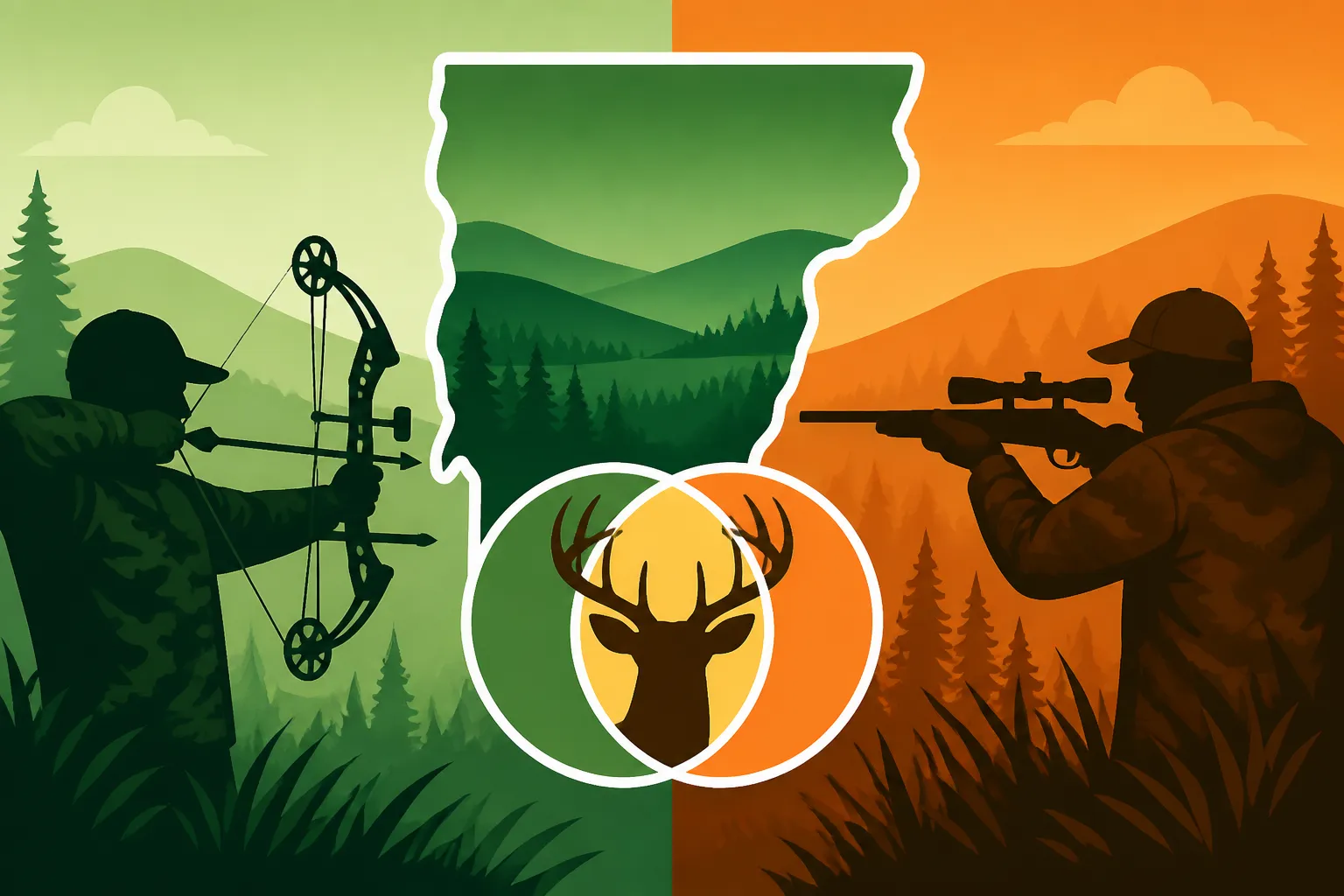
Let's face it, for years, the idea of bowhunting during Vermont's November rifle season felt like something from a parallel universe. Many of us have grown accustomed to distinct hunting periods, each with its own rhythm and set of expectations. The thought of blending the quiet, intimate world of archery with the often more boisterous presence of rifle hunters brought up a mix of excitement, confusion, and a fair bit of "how in the world is that going to work?" for many. This guide aims to thoroughly unpack Vermont's new archery-during-rifle overlap rule, helping you understand the specifics, navigate the challenges, and ultimately make the most of this expanded opportunity.
Understanding the Historical Context of Vermont's Hunting Seasons
For generations, Vermont's hunting seasons have been designed with clear, distinct boundaries between weapon types. This wasn't just arbitrary; it was built on a foundation of safety, tradition, and wildlife management principles. But like everything else, hunting regulations evolve, adapting to new data, changing hunter demographics, and the desires of the sporting community.
Why Seasons Were Traditionally Separate
The separation of hunting seasons by weapon type, especially for deer, has long been a cornerstone of wildlife management in Vermont and many other states. One of the primary drivers behind this historical separation was safety. The thought of archers, often clad in camouflage and relying on stealth and close proximity, sharing the woods with rifle hunters, whose projectiles travel much farther and often necessitate different hunting tactics, raised significant concerns. The idea was to minimize potential risks by keeping these hunting styles in separate temporal lanes. This wasn't to say one method was inherently safer than the other, but rather that the interaction of the two could introduce variables that were best avoided.
Beyond safety, separate seasons also served important wildlife management goals. By segmenting the harvest pressure, wildlife biologists could better manage deer populations. For instance, an early archery season often targets a less pressured deer herd, while the later rifle season typically coincides with the peak of the rut, allowing for a concentrated harvest of bucks and often antlerless deer through specific permits. These distinct periods allowed the Vermont Fish & Wildlife Department to tailor management strategies, focusing on specific harvest objectives for different parts of the year. It also played into the cultural aspects of hunting. Many hunters appreciated the distinct experiences each season offered: the solitude and challenge of archery in the crisp fall woods, followed by the camaraderie and excitement of the November rifle hunt. Each season had its own allure, its own traditions, and its own unspoken rules among its participants.
The Shift Towards Modernized Regulations
However, the hunting landscape isn't static. In recent decades, a growing number of hunters, particularly archers, expressed a desire for more flexibility and expanded opportunities. Many experienced bowhunters felt confident in their ability to safely and ethically hunt during the rifle season, provided appropriate safety measures were in place. The argument was often rooted in maximizing the time afield, especially for those with busy schedules who found the limited archery window restrictive. This increasing demand for flexibility became a significant factor for wildlife agencies to consider.
Moreover, wildlife management itself has become increasingly data-driven. Biologists continuously monitor deer populations, harvest rates, and habitat conditions. As deer populations fluctuate and management goals shift, agencies look for innovative ways to achieve those goals while also meeting the needs of hunters. Learning from other states that have successfully implemented archery-during-rifle overlaps provided a valuable blueprint. States across the country have demonstrated that with proper regulations – particularly regarding blaze orange requirements and clear communication – such overlaps can be implemented safely and effectively. This research and observation gave Vermont officials the confidence to explore a similar path, aiming to provide more hunting opportunities without compromising safety or sound wildlife management principles. It's a move that reflects a broader trend of modernizing hunting regulations to ensure they remain relevant and appealing to today's hunters.
Deciphering the New Archery-During-Rifle Overlap Rule
The introduction of the archery-during-rifle overlap rule marks a significant change for Vermont hunters. It's crucial to understand the precise details, from the timing and location to the specific equipment requirements, to ensure compliance and a safe, enjoyable hunting experience. It's not just "business as usual" with an extra bow in the woods; there are specific parameters to follow.
Key Dates and Designated Areas
The most important aspect of this new rule, as with any hunting regulation, is knowing when and where it applies. The Vermont Fish & Wildlife Department has established that archers can hunt deer during the first nine days of the November rifle season. For example, looking at the 2024 calendar, this means the period from Saturday, November 9th, through Sunday, November 17th, will see both rifle and archery hunters sharing the woods. This is a critical window to mark on your calendar if you plan to take advantage of this new opportunity. This is a statewide regulation, meaning it applies to all Wildlife Management Units (WMUs) where deer hunting is permitted, offering widespread opportunity across the Green Mountain State.
It’s always a good practice to double-check these dates annually, as regulations can sometimes shift slightly based on the calendar year. You can find the most up-to-date information directly on the Vermont Fish & Wildlife Department's official website or in their annual hunting guide, which often gets released in late summer or early fall. Websites and apps like GoHunt can also be incredibly helpful resources for quickly referencing current regulations, season dates like the official Vermont Rifle Season Dates, and even specific WMU boundaries. Staying informed is your first line of defense against any potential misunderstandings or violations. Remember, ignorance of the law is never an excuse, especially when it comes to hunting regulations designed for safety and conservation.
Legal Equipment for Bowhunters During the Overlap
While the season overlap is new, the requirements for legal archery equipment largely remain consistent with Vermont's existing archery regulations. This means that archers must use a bow with a draw weight of at least 40 pounds at a 28-inch draw or at peak draw for a compound bow. Both compound bows and traditional recurves or longbows are permitted. In a move that brings more inclusivity to bowhunting, crossbows are also allowed for archers with a valid archery license. This ensures that hunters with physical limitations or those who simply prefer crossbows can also participate in this expanded opportunity. It’s a good idea to confirm your crossbow meets specific draw weight and safety requirements set by the state, typically found in the annual hunting guide.
When it comes to arrows and broadheads, the rules are also consistent. Arrows must be at least 20 inches in length and fitted with broadheads that have at least two cutting edges and are at least 7/8 inch wide. Mechanical broadheads are absolutely permitted, as long as they meet these minimum width requirements when deployed. The key here is ensuring your equipment is not only legal but also ethical and capable of making a clean, humane kill. Always ensure your broadheads are razor-sharp before heading afield. While these equipment rules mirror the regular archery season, it's worth taking a moment to review them thoroughly before the overlap begins, especially if you're new to the specific requirements for Legal Weapons During Vermont Rifle Season or need a refresher on approved broadheads.
Safety Protocols and Best Practices for the Overlap
The success and continuation of Vermont's new archery-during-rifle overlap rule hinge entirely on the commitment of all hunters to prioritize safety. This means understanding and adhering to new regulations, particularly regarding visibility, and fostering a culture of mutual respect and awareness in the woods. This isn't just about following rules; it's about protecting ourselves and our fellow hunters.
Mandatory Blaze Orange Requirements for Bowhunters
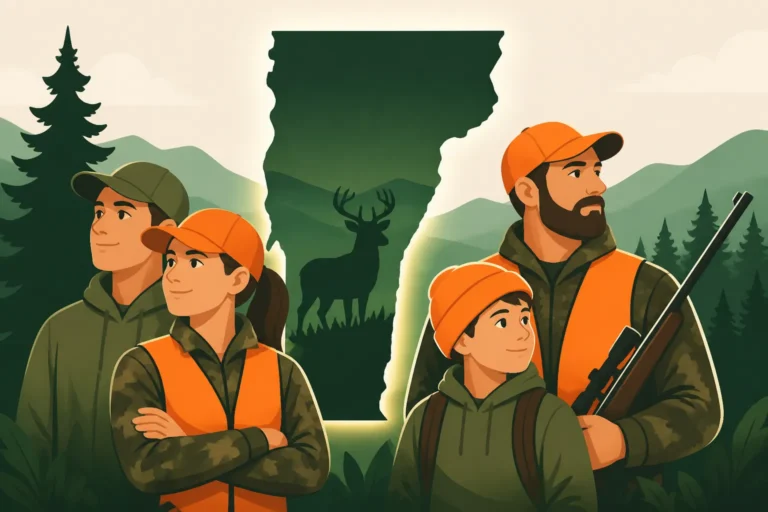
This is perhaps the most significant change and the most crucial safety measure for bowhunters participating in the overlap. Historically, archers in Vermont have been able to hunt in full camouflage, relying on stealth and blending into their surroundings. However, during the rifle season, all hunters are required to wear blaze orange or pink. The new rule explicitly states that bowhunters hunting during the rifle season overlap must adhere to these same blaze orange requirements. This means wearing at least 500 square inches of solid fluorescent orange or pink above the waist, visible from all sides. This includes a hat, a vest, or other outer clothing.
We understand this might feel a bit counter-intuitive for seasoned archers who pride themselves on being unseen. The thought of trading your meticulously chosen camo for a vibrant orange vest can be a frustrating pill to swallow, especially when you're used to getting in close. However, this regulation is not meant to hinder your hunt; it's designed to save lives. It's about maximizing visibility in an environment where high-velocity projectiles are being used. You can find specific details on How Much Blaze Orange Vermont Requires, including acceptable materials and placement, in the official hunting regulations. Some hunters might find comfort in exploring Blaze Pink Options Under Vermont Law as an alternative, which offers the same safety benefits while providing a slightly different aesthetic. Ultimately, your visibility is paramount when sharing the woods with rifle hunters, and this rule is non-negotiable for your safety and the safety of others.
Communication and Awareness in the Woods
Beyond simply wearing the right gear, safe overlap hunting demands a heightened sense of awareness and, where appropriate, communication with fellow hunters. The woods, particularly on public lands or smaller private tracts, will likely feel busier than a typical archery season. It's crucial to acknowledge this increased presence and adjust your mindset accordingly. Always assume there are other hunters in the area, even if you don't see or hear them. This mindset helps prevent assumptions and promotes caution.
When you encounter other hunters, especially rifle hunters, a simple wave, a nod, or a quiet verbal acknowledgement can go a long way in establishing a sense of shared responsibility. If you're setting up a ground blind or stand, be mindful of property lines and potential lines of sight, especially if you're on public land adjacent to private parcels. Utilize modern mapping tools like GoHunt or onX to identify property boundaries and public access points. While these apps can't show you exactly where every hunter is, they provide invaluable context for the landscape, helping you navigate and make informed decisions about your hunting location. This awareness extends to your movements as well. Be deliberate and observant, checking for blaze orange before moving through thick cover, and always identifying your target and what lies beyond it. The goal is to create a harmonious environment where everyone can enjoy their hunt safely, even with different weapon types in play.
Strategic Considerations for Bowhunting During Rifle Season
Hunting with a bow during Vermont's rifle season overlap presents a unique challenge. The deer behavior you might be accustomed to from the regular archery season will likely change dramatically under the pressure of rifle hunters. Adapting your strategy is key to success and making the most of this extended opportunity.
Understanding Deer Behavior Under Pressure
When rifle season opens, especially the first few days, deer behavior shifts almost immediately. The increased human activity, noise, and scent pressure from more hunters in the woods typically push deer into their thickest, most secluded sanctuaries. They become more nocturnal, moving primarily under the cover of darkness, and will be much more wary during daylight hours. Gone are the leisurely morning strolls through open timber you might see in early October. Instead, expect deer to be hunkered down, relying heavily on their senses and the densest cover available to them.
This means that your focus should shift to these pressure points and escape routes. Instead of looking for traditional food sources in open fields, concentrate on transitional areas leading to thick swamps, impenetrable clear-cuts, or steep ravines where few rifle hunters are willing to venture. Deer will use these areas as security cover and travel corridors. Look for fresh sign in these overlooked spots: rubs, scrapes, and tracks indicating recent movement. Often, the deer that survive the initial rifle season push are the smart, older deer that instinctively seek out the nastiest, most difficult-to-access terrain. Learning to read a Green Mountain Deer Yard can provide crucial insights into where deer will seek refuge when pressure is on. By understanding these shifts in behavior, you can position yourself in areas where deer feel safe enough to move, even during daylight hours.
Stand Placement and Hunting Tactics
Given the altered deer behavior, your typical stand placement strategies from early archery season will likely need a significant overhaul. Forget the open-timber funnel or the field edge stand that worked so well in September. During the rifle season overlap, your stands should be placed deep within dense cover, along escape routes, or overlooking bedding areas that offer security. Think about pinch points between thickets, small draws in heavy evergreen stands, or benches high on a ridge where deer will navigate to avoid human traffic below. These are the places deer will move through, albeit cautiously, during the day.
Ground blinds can be incredibly effective during this period, especially when brushed into thick cover. They offer concealment that a treestand might not in extremely dense areas, and they allow for quick adjustments if deer are moving differently than anticipated. Still-hunting, or slow, deliberate sneaking through the woods, can also be a highly productive tactic, allowing you to cover ground and intercept deer that are slowly moving between bedding and feeding areas, or being pushed by other hunters. This is where your camouflage, despite the blaze orange requirements, still plays a role in breaking up your outline. For a deeper dive into these strategies, explore Bowhunting During Vermont's Rifle Season and Hunting a Bow During the Rifle Season Overlap, which offer excellent insights into adapting your archery methods for this unique period. The key is to be where the deer feel safe, not where you typically expect to find them in less pressured conditions.
Advantages and Challenges of the New Overlap
Every regulatory change brings both opportunities and hurdles. Vermont's new archery-during-rifle overlap is no exception. Understanding these pros and cons is essential for setting realistic expectations and maximizing your chances of success while mitigating potential frustrations.
The Benefits for Vermont Bowhunters
One of the most immediate and obvious benefits of this new rule is the extended hunting opportunity it provides. For dedicated bowhunters, an additional nine days in the woods during prime deer activity, coinciding with the peak of the rut in many areas, is a huge win. This expanded window means more chances to be out pursuing deer, which for many, is the ultimate goal. It offers flexibility that wasn't there before, allowing hunters to schedule hunts around work, family, and other commitments that might have previously limited their time during the traditional archery season.
Furthermore, this overlap can create unique strategic advantages. The presence of rifle hunters can, surprisingly, work in a bowhunter's favor. Deer pushed by rifle hunting pressure will often move more during daylight hours, albeit in thicker cover and along specific escape routes. A savvy bowhunter, positioned correctly on these travel corridors, can intercept these displaced deer. Imagine a large buck, spooked from its bed by a rifle hunter, slowly making its way through a dense cedar swamp and walking right into your archery lane. This scenario, while requiring careful planning and positioning, is now a real possibility. This rule effectively allows for a longer, more dynamic hunting experience, potentially leading to increased success rates for persistent and adaptable archers.
Potential Difficulties and How to Mitigate Them
While the opportunities are exciting, it's crucial to acknowledge the potential difficulties that come with this new overlap. The most prominent challenge is the increased hunter density, particularly on public lands. November rifle season traditionally brings out the highest number of hunters, and adding bowhunters to that mix means the woods will likely feel more crowded. This can lead to less solitude, more noise, and the constant awareness that other hunters are nearby, which can certainly detract from the quiet, immersive experience many archers cherish. It also increases the potential for accidental interference or, in the worst-case scenario, safety incidents if rules are not strictly followed.
Another challenge is the mental shift required. Bowhunting typically involves a high degree of stealth and quiet, but during rifle season, you'll be operating in a much more active environment. This demands a higher level of vigilance and patience. You might have to contend with more noise from other hunters moving, shooting, or talking, which can test your focus. To mitigate these issues, thorough scouting and pre-season preparation are absolutely vital. Focus on Scouting Vermont Public Land Before Season to identify less-pressured areas, either deep within public tracts or on smaller, overlooked parcels that rifle hunters might bypass. Using mapping tools to find remote corners of public land can make a huge difference. Additionally, communicating with landowners if you hunt private property is essential; they can advise on areas that see less pressure. By anticipating these challenges and planning accordingly, you can still find pockets of solitude and success during this unique overlap.
Essential Gear and Preparedness
Successfully navigating Vermont's new archery-during-rifle overlap isn't just about understanding the rules; it's also about being properly equipped and mentally prepared. The specific conditions of this season demand a thoughtful approach to gear and a strong commitment to ethical hunting.
Specialized Gear for Overlap Hunting
When you're out bowhunting during the rifle season, your gear choices become even more critical. First and foremost, as discussed, blaze orange or pink is absolutely non-negotiable. While your core camouflage layers will still provide concealment, ensure your outer layer meets the 500 square inch requirement. Consider a high-quality blaze orange vest that can be easily worn over your existing hunting clothes, along with a blaze orange hat. These items need to be durable and visible from all angles, ensuring you stand out distinctly against the fall foliage. Some hunters opt for a comfortable harness system that integrates blaze orange, offering both safety and practicality.
Beyond visibility, consider the diverse weather conditions you might encounter in mid-November in Vermont. The temperatures can swing wildly from crisp mornings to surprisingly warm afternoons, or plummet into freezing rain and snow. Therefore, a robust layering system is paramount. You'll want good base layers that wick moisture, insulating mid-layers for warmth, and a waterproof, breathable outer shell. This approach, detailed further in guides like Layering for Vermont's Long Hunting Season, will keep you comfortable and focused, regardless of what Mother Nature throws your way. Don't forget durable, waterproof boots suitable for rugged, possibly snowy or muddy terrain. Finally, a reliable headlamp with fresh batteries, a comprehensive first-aid kit, and a fully charged cell phone (with a power bank) or a satellite communicator for remote areas are vital for safety and emergencies. Apps like GoHunt, with their offline map capabilities, become indispensable when cell service is spotty in the backcountry.
Mental Preparedness and Ethical Considerations
The mental aspect of hunting during the rifle season overlap cannot be overstated. It requires a significant shift in mindset for many bowhunters. The quiet solitude of early archery season will likely be replaced by a more active, and potentially louder, environment. This means practicing patience and maintaining focus, even when you hear distant shots or other hunters moving through the woods. It's easy to get frustrated or distracted, but staying calm and committed to your strategy is key. Understanding the Vermont Hunter Education Requirements can reinforce the safety principles needed in this environment.
Ethical considerations are also heightened. With more hunters in the woods, the potential for encountering wounded game or having your hunt interrupted increases. Always prioritize a clean, ethical shot within your effective range. If you do make a hit, be prepared for a thorough and diligent tracking job, even if it means waiting for quieter conditions or the next morning. Knowing how to properly track a deer is always important, but during this busy period, it's even more crucial to ensure a quick and humane recovery. If you encounter another hunter on a blood trail, communicate clearly and respectfully, and consider offering assistance if appropriate. Upholding the highest ethical standards not only honors the animal but also contributes positively to the perception of bowhunting during this new, shared season. Respect for the game, the land, and your fellow hunters will define the success of this overlap.
| Rule Category | Key Requirement | Notes |
|---|---|---|
| Season Dates | First 9 days of November rifle season | Refer to current year's VT Fish & Wildlife regulations for exact dates (e.g., Nov 9-17 in 2024) |
| Applicable Areas | Statewide (all WMUs where deer hunting is permitted) | Applies across all public and private lands with proper permission |
| Weapon Type | Legal Archery Equipment (bows, crossbows) | Draw weight minimums apply (40 lbs), arrows 20" minimum, broadheads 7/8" minimum width. |
| Blaze Orange/Pink | Mandatory: 500 sq. inches above the waist | Must be visible from all sides, includes hat and outer garments. |
| Hunting License | Valid Vermont Hunting License + Archery Endorsement | Ensure all licenses and tags are up-to-date before hunting. |
| Deer Tags | Standard statewide deer tags and antlerless permits apply | Follow all tag allocation rules for the WMU you are hunting. |
| Safety Mindset | Heightened awareness of other hunters; target identification | Always identify your target and what is beyond it; communicate with other hunters when feasible. |
Disclaimer
The information provided in this guide is for informational purposes only and is not a substitute for official hunting regulations. Hunters are responsible for knowing and complying with all current Vermont Fish & Wildlife Department laws and regulations. Always consult the most recent official Vermont Hunting Guide or the Vermont Fish & Wildlife Department website for the most accurate and up-to-date information.