Reporting a Poacher in Vermont
It's a sinking feeling, isn't it? That moment you realize someone isn't just making a mistake, but actively breaking hunting laws in Vermont. Whether you've stumbled upon an illegal bait site, witnessed someone hunting out of season, or seen evidence of over-the-limit takes, that knot in your stomach is a valid response. It's frustrating to see our shared wildlife resources disrespected, and it often leaves ethical hunters wondering what to do. This guide is here to walk you through exactly how to report a poacher in Vermont, ensuring your concerns are heard and our wildlife is protected.
The Unseen Threat: Defining Poaching and Its Impact in Vermont
Poaching isn't just a minor infraction; it's a serious wildlife crime that undermines conservation efforts, fair chase principles, and the health of our deer, moose, bear, and turkey populations. For ethical hunters who spend countless hours scouting, practicing, and abiding by the law, witnessing poaching feels like a betrayal of the hunting heritage we all cherish. It’s an act that steals from all of us and disrespects the very resources we strive to manage sustainably.
Understanding what constitutes poaching is the first step in addressing it. It goes beyond simple mistakes; it involves deliberate violations of hunting, trapping, and fishing laws, often driven by greed or a blatant disregard for regulations. These actions don't just affect individual animals; they can impact population dynamics, spread diseases, and tarnish the public perception of all hunters.
Identifying What Constitutes a Violation
Vermont has clear, well-established hunting regulations designed to ensure sustainable harvest and ethical conduct. When someone intentionally disregards these rules, they are poaching. Common violations can range widely, and recognizing them is crucial for effective reporting. For instance, hunting outside of legal shooting hours, which often means before civil twilight or after civil dusk, is a prevalent issue. This can be especially frustrating when you're diligently following public land hunting hours.
Another frequent violation involves hunting during closed seasons or without the proper permits. While we all eagerly await the various openers, like the Vermont Expanded Archery Season Dates or the Vermont Regular Archery Opening Day, some individuals disregard these dates entirely, taking game when it's vulnerable or out of season. Exceeding bag limits, such as taking more than the legal number of deer or turkeys, is also a serious offense. This could involve someone taking an extra doe outside of their allocated antlerless permits, or perhaps harvesting more than the Vermont Spring Turkey Bag Limit for Residents.
Illegal methods of take are also considered poaching. This includes using prohibited weapons, hunting from a motorized vehicle, or employing artificial light (spotlighting) to stun or locate game at night. We’ve also seen concerning issues with baiting, particularly for deer, which is generally illegal in Vermont. Even seemingly minor infractions, like failing to comply with Vermont Deer Reporting Requirements within the specified timeframe, can fall under wildlife violations. Understanding what blaze orange requirements mean is also key, as ignoring these safety rules could lead to other unsafe practices.
Then there's the critical issue of trespass. Respecting private property is paramount, and hunting without permission on posted land is a direct violation of Vermont Trespass and Permission Law. This can create lasting animosity between landowners and the entire hunting community, making it harder for everyone to secure access in the future.
The Far-Reaching Consequences of Wildlife Crime
The harm caused by poaching extends far beyond the individual animal taken. When poachers act outside the law, they disrupt the delicate balance of wildlife populations that the Vermont Fish & Wildlife Department works tirelessly to manage. For instance, taking antlerless deer outside of designated seasons can disproportionately impact breeding populations, leading to fewer fawns in subsequent years. This directly affects the overall Vermont Deer Herd Size and can compromise the success of future generations of hunters.
Beyond biological impacts, poaching fundamentally undermines the principle of fair chase. It provides an unfair advantage and devalues the skill, effort, and ethical standards upheld by the vast majority of hunters. This creates a negative perception of hunting in the broader public eye, making it harder to garner support for conservation efforts that rely on hunting license sales and excise taxes on gear. When the public hears about poaching incidents, it often views all hunters through that tainted lens, which is deeply unfair to the many who adhere to the highest ethical standards.
Economically, poaching also has a tangible cost. Law enforcement resources are diverted to investigate these crimes, taking away from other crucial conservation work. Furthermore, illicit markets for wild game or parts of animals can spread diseases and create a shadow economy that benefits no one but the criminals themselves. Ensuring that everyone adheres to regulations, like the strict rules regarding Vermont's Urine-Based Lure Ban which aims to prevent the spread of CWD, is vital for the long-term health of our wildlife. The integrity of our wildlife management system, our conservation funding, and our public image as hunters all suffer when poaching is allowed to persist unchecked.
Your Role in Protecting Vermont's Wildlife: How to Report Effectively
Witnessing a wildlife crime can be unsettling, but knowing how to report it effectively empowers you to become a vital part of the solution. Your quick, accurate, and safe reporting can provide law enforcement with the crucial details they need to apprehend offenders and protect Vermont's precious natural resources. It's not about being a "snitch"; it's about being a responsible conservationist who believes in the rules that preserve our hunting traditions for generations to come.
The key to successful reporting lies in two main areas: gathering as much pertinent information as possible without putting yourself at risk, and then relaying that information through the proper channels in a timely manner. Every detail, no matter how small it may seem to you, could be the missing piece a game warden needs.
Crucial Information to Collect Safely
When you encounter what you believe to be a poaching incident, your first priority should always be your personal safety. Do not confront the suspected poacher. Maintain a safe distance and observe without drawing attention to yourself. Once you are safe, begin to collect as much specific information as you can. Think like an investigator; every piece of data is valuable.
Try to capture the "who, what, when, where, and how."
- Who: What did the person look like? Gender, hair color, approximate age, build, clothing description. Did they have a hat, glasses, or other distinguishing features?
- What: What kind of animal was involved? Species, number of animals, condition (e.g., live, dead, wounded). What kind of equipment were they using (rifle, bow, spotlight, specific calls)? Were there any unique characteristics about the vehicle (make, model, color, license plate number – partial or full, any damage or stickers)?
- When: The exact date and time of the observation. Was it dark, dawn, daylight, dusk?
- Where: This is incredibly important. The specific location is paramount. Use landmarks, road names, mile markers, GPS coordinates if you have them. Was it on public land, near a specific property boundary, or adjacent to a particular farm? Tools like GoHunt or other mapping applications can be invaluable for pinpointing exact coordinates and marking the spot where you saw the activity.
- How: Describe the illegal activity itself. Were they shooting from a road? Using a spotlight? Disguising an animal? Did they attempt to hide evidence?
It's helpful to write down everything you remember as soon as you're in a safe location. Details can fade quickly, especially if you're feeling stressed or upset. Even if you can only get a few pieces of this information, it's better than nothing. Remember, you are providing a tip, not conducting an investigation.
Here's a quick reference table for what to document:
| Category | Details to Look For | Why it Helps |
|---|---|---|
| Suspect Info | Gender, age, hair, build, clothing, distinguishing marks | Helps law enforcement identify and locate individuals. |
| Vehicle Info | Make, model, color, license plate (state/number), damage, stickers | Crucial for tracking down suspects and often their primary mode of transport for illegal activity. |
| Location | GPS coordinates, road names, landmarks, property lines | Guides wardens directly to the scene of the crime or evidence. Using tools like GoHunt can provide precise locations. |
| Time & Date | Exact time and date of observation | Establishes a timeline for investigation and helps verify illegal timing (e.g., hunting before or after Vermont Public Land Hunting Hours). |
| Activity | Specific illegal acts (shooting from road, baiting, spotlighting, multiple animals) | Provides the core evidence of a violation and helps establish intent. |
| Evidence | Photos/videos (taken safely), tracks, spent casings, carcasses | Tangible proof that can corroborate your report and aid prosecution. |
Channels for Reporting Poaching in Vermont
Once you have gathered your information, it's time to report it. Vermont offers several channels to make this process accessible and, importantly, confidential. Your identity can be protected, alleviating fears of retaliation and encouraging more people to step forward.
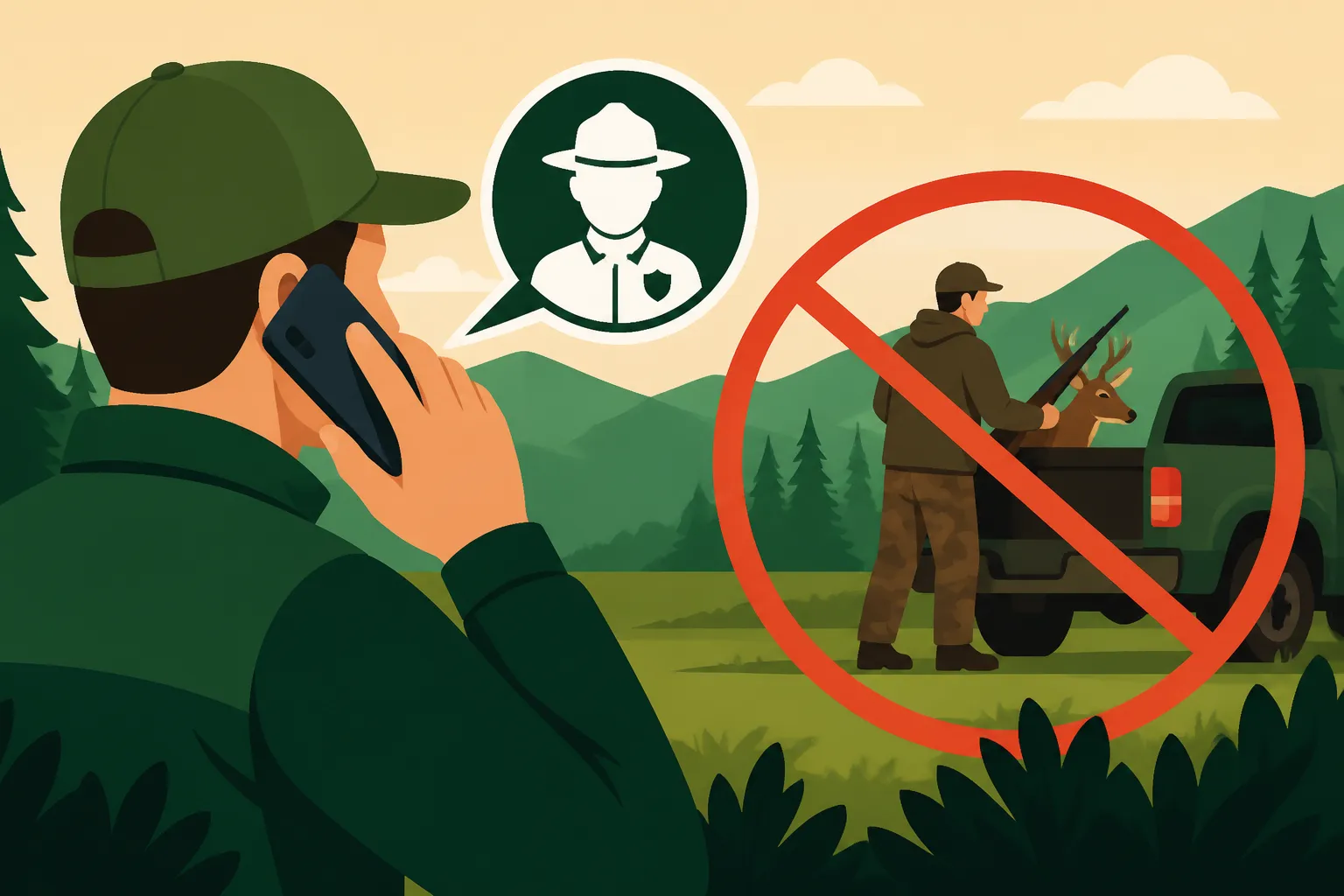
The primary avenue for reporting wildlife violations in Vermont is Operation Game Thief. This program is specifically designed to facilitate confidential reporting of poaching and other wildlife crimes. You can call their toll-free hotline, which operates 24/7. This is often the quickest and most direct way to get a game warden involved. The number for Operation Game Thief is prominently displayed on the Vermont Fish & Wildlife Department website and in the annual hunting regulations booklet. They understand the sensitivity of these situations and are trained to collect information efficiently while protecting your anonymity.
Another direct method is to contact a Vermont Fish & Wildlife Warden directly. If you know the warden for your specific area, you might have their contact information. However, if not, you can call the main Vermont Fish & Wildlife Department office during business hours, and they can connect you with the appropriate warden or direct you to the Operation Game Thief hotline. For serious, in-progress violations that pose an immediate public safety risk, you should always contact the Vermont State Police (VSP) by dialing 911. While game wardens are law enforcement, VSP has a broader immediate response capability and can dispatch officers quickly to critical situations.
Some states also offer online reporting forms, which can be useful for non-emergency situations where you have detailed information to convey. Always check the official Vermont Fish & Wildlife Department website for the most up-to-date reporting options. Remember, the goal is to get the information into the hands of someone who can act on it, and all these channels are designed to do just that.
What Happens After You File a Report
After you’ve bravely made that call or filled out a report, it’s natural to wonder what happens next. The process isn't always immediate or highly visible, and it's important to set realistic expectations. Wildlife crime investigations can be complex and often require time, patience, and careful evidence gathering. Just because you don't see immediate action doesn't mean your report wasn't taken seriously or isn't being investigated.
When you submit a report, especially through Operation Game Thief, it is typically routed to the appropriate Fish & Wildlife Warden in the area where the incident occurred. That warden will then assess the information you provided. If there's enough detail and credibility, they will initiate an investigation. This might involve visiting the location, looking for physical evidence (like a scrape line along a logging road where an illegal bait pile might be), interviewing potential witnesses, or conducting surveillance. They might also cross-reference vehicle descriptions with state records.
In some cases, if you provide contact information and express willingness, a warden might follow up with you to clarify details or ask additional questions. However, often due to the nature of ongoing investigations and to protect sources, you may not receive frequent updates. Wardens are often working with limited resources and juggling multiple cases, so persistence and thoroughness on their part are key. Your report becomes one piece of a larger puzzle. If an arrest is made or charges are filed, the details may eventually become public record, but this can take time. Ultimately, your report contributes to the overall enforcement effort, and even if it doesn't lead to an immediate arrest, it helps build a clearer picture of illegal activity patterns, which can inform future enforcement strategies and allocation of resources. This continuous effort is crucial to upholding the integrity of hunting seasons and respecting the rules, such as those regarding Vermont Legal Firearms for Deer Hunting.
Fostering a Culture of Conservation: Prevention and Community Vigilance
Reporting poaching is a reactive measure, but fostering a culture of conservation among all outdoor enthusiasts is a proactive one. Every ethical hunter and angler plays a critical role in preventing wildlife crimes by understanding and adhering to regulations, educating others, and being the eyes and ears of our wild spaces. We’re all stakeholders in Vermont’s rich natural heritage, and ensuring its longevity requires collective effort.
It's not just about knowing the rules for your specific hunt, like how to manage your permits under Vermont's Dual Antlerless Permit Rule, but also about understanding the spirit of those laws. When we value fair chase, respect bag limits, and prioritize the health of the herd, we contribute to a stronger, more resilient wildlife population and a more positive image for hunting in general.
Leveraging Technology for Documentation and Awareness
In today’s digital age, technology offers powerful tools that can help both prevent and document wildlife violations. Mapping applications, for example, have become indispensable for hunters to navigate public lands, identify property boundaries, and understand terrain. A robust mapping tool like GoHunt can be used not only for scouting a promising funnel between two woodlots but also for precisely marking the location of suspicious activity or evidence of poaching. You can drop a pin, add notes, and even attach photos or videos, creating a timestamped, geo-referenced record that can be shared with law enforcement.
Beyond simply marking locations, these apps can also help you understand legal access points, clearly define where Vermont State Forest Hunting Rules apply, and track your movements. This personal accountability helps you avoid accidental trespass or unintentional violations. Furthermore, many state fish and wildlife departments offer their own apps, like the Vermont Fish and Wildlife App, which often include digital copies of regulations, reporting features, and even the ability to report a deer through Vermont's App after a legal harvest. Familiarizing yourself with these digital resources makes you a more informed and effective steward of our wildlife.
Social media also plays a role, though caution is advised. While it's tempting to share images or stories of suspected poaching, direct reporting to law enforcement is always the most effective first step. However, online communities can be platforms for sharing information about responsible hunting practices, discussing ethical dilemmas, and fostering a collective sense of vigilance that supports wardens in their critical work.
Upholding Ethical Standards in Vermont's Hunting Community
Ultimately, the most effective deterrent to poaching comes from within the hunting community itself. When ethical standards are not just laws but deeply held values, poaching becomes an anomaly rather than a common occurrence. Organizations like the Vermont Federation of Sportsmen's Clubs and local hunting groups often promote ethical conduct and hunter education, helping new hunters understand not just the rules, but the "why" behind them. This foundation is essential, starting with the Vermont Hunter Education Requirements that all new hunters must complete.
Being an ethical hunter means being an ambassador for our sport. It means taking pride in fair chase, respecting the animals we pursue, and abiding by all regulations. When we see a fellow hunter struggling with a decision, it's an opportunity for mentorship and education, not judgment. Sometimes, a "poacher" is simply an uneducated hunter making a mistake, and a quiet, respectful conversation about the rules – for example, the nuances of Bowhunting During Vermont's Rifle Season – could prevent future violations.
However, when confronted with deliberate criminal behavior, standing silent is not an option for true conservationists. Reporting such acts isn't "tattling" on a peer; it's protecting the reputation of all legitimate hunters and safeguarding the very resources we cherish. It reinforces that the vast majority of us are dedicated to sustainable practices and won't tolerate those who undermine our collective efforts. By being vigilant, reporting violations, and upholding a strong ethical code, we ensure that Vermont's hunting heritage remains strong and vibrant for generations to come.
In Vermont, the penalties for wildlife violations can be significant, including substantial fines, loss of hunting privileges, and even jail time, depending on the severity of the offense. Knowing the potential Vermont Wildlife Violation Penalties reinforces why it's so important to follow the rules and why reporting those who don't is crucial.
Disclaimer
The information provided in this article is for general guidance and informational purposes only. It does not constitute legal advice. Hunting regulations and laws are subject to change. Always consult the official Vermont Fish & Wildlife Department website or printed regulations for the most current and accurate information before engaging in any hunting activities. If you suspect a wildlife violation, contact Operation Game Thief or the Vermont Fish & Wildlife Department directly.