Vermont Moose Permit Cost for Nonresidents
It's no secret that the dream of hunting Vermont moose captures the imagination of many a hunter, especially those coming from out of state. However, figuring out the exact financial commitment, particularly the cost of a non-resident moose permit, can feel like trying to track a ghost through a thick fog. This comprehensive guide is here to cut through that confusion, giving you a clear, empathetic look at the financial realities and steps involved in pursuing a Vermont moose as a non-resident.
Understanding the Vermont Moose Lottery System for Nonresidents
First things first, it's crucial to understand that securing a Vermont moose permit isn't as simple as walking into a store and buying one. Vermont manages its moose population carefully through a highly sought-after lottery system, designed to balance hunting opportunities with the health of the herd. For non-residents, this means your journey begins not with a guaranteed tag, but with an application.
The Reality of Limited Permits
Vermont's moose herd, while robust in certain regions like the Northeast Kingdom, is carefully monitored. Concerns like the impact of winter ticks have led to a conservative approach to permit allocation. This directly affects how many opportunities are available, especially for non-residents. The number of permits issued annually for the Vermont Moose Permit Lottery is quite limited, and only a small percentage of those are allocated to non-residents. This makes drawing a permit a significant achievement, akin to winning a small lottery. The state is strategic with its numbers, for example, considering Vermont's Eighty-Five 2026 Moose Permits in specific areas to manage population density. It's a system built on opportunity, not availability, making every permit drawn incredibly valuable.
The Application Process for Non-Residents
Applying for a Vermont moose permit requires careful attention to detail and deadlines. You’ll need a valid Vermont hunting license before you can even apply for the moose lottery. This means you'll first need to look into Vermont Nonresident License Options and secure your base hunting license. Once that's in hand, you'll then be eligible to submit your application for the moose lottery. The Vermont Fish & Wildlife Department's online portal is typically where all applications are handled. It’s imperative to mark your calendar for the Vermont Moose Lottery Application Deadline, as missing it means missing out on any chance for the year. This initial step, while straightforward, is where the first financial commitment comes in, long before you even know if you'll be hitting the woods for a moose.
The Actual Cost of a Nonresident Moose Permit
Now, let's get down to the brass tacks of what you'll actually pay for that coveted moose permit if your name is drawn from the lottery. It’s important to distinguish between the application fee and the permit fee itself.
Application Fees Versus Permit Fees
When you first submit your application for the Vermont moose lottery, there's a non-refundable application fee. This fee is relatively modest and helps cover the administrative costs of running the lottery. Whether you get drawn or not, that application fee is a sunk cost. Think of it as your entry ticket into the game.
However, if you are one of the lucky few non-residents whose name is drawn, then — and only then — will you pay the much more substantial permit fee. This fee grants you the legal right to hunt a moose in Vermont during the specified season, within the designated Wildlife Management Unit (WMU). The permit itself is what allows you to embark on your hunt, and its cost reflects the rarity and desirability of this opportunity.
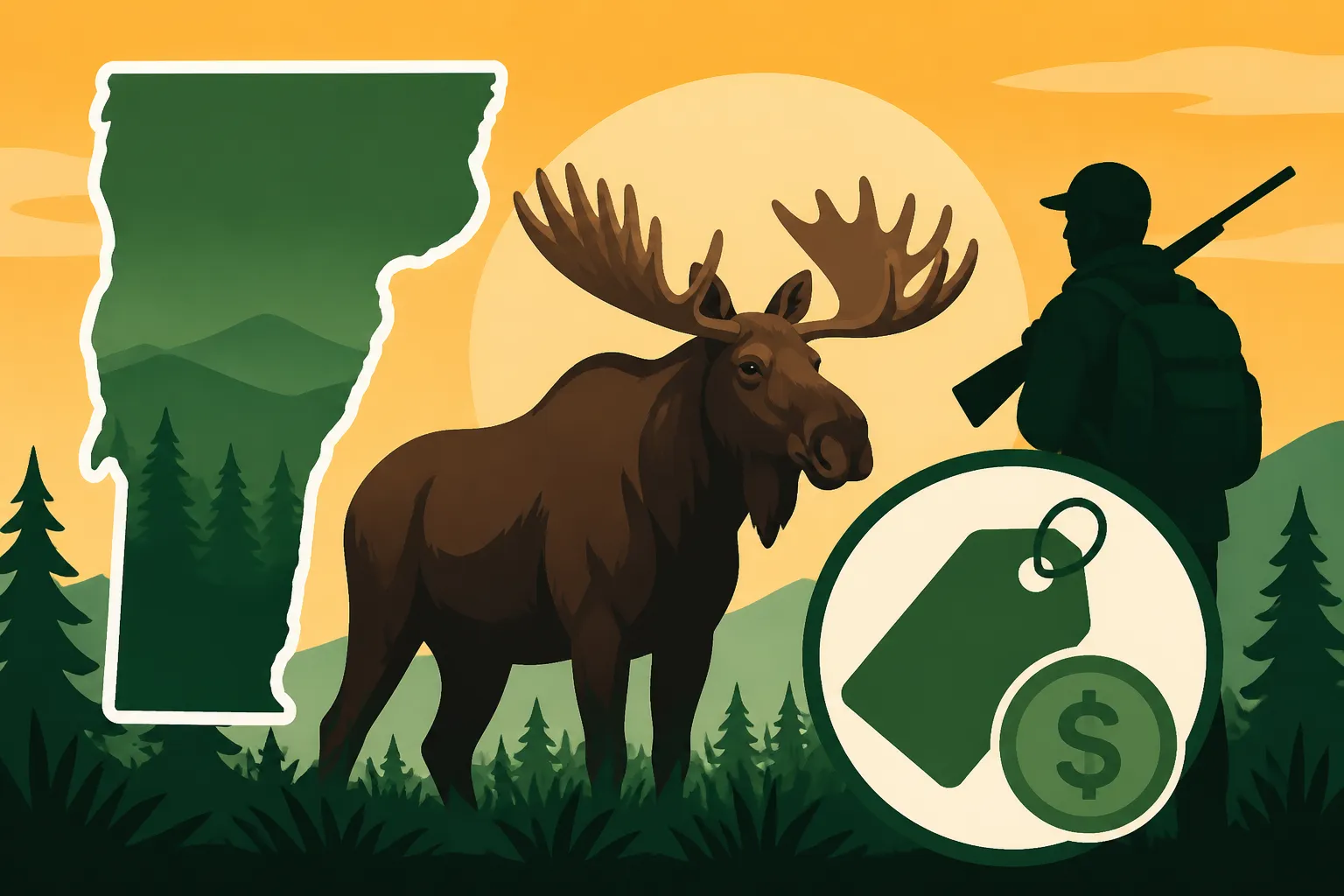
As of my last check, the application fee for all applicants, residents and non-residents alike, typically hovers around $25. If, by some stroke of luck and persistence, your name is pulled from the hat, the nonresident moose hunting permit itself carries a significantly higher cost, generally around $350. So, while your initial outlay is small, be prepared for the full sticker shock if you're successful!
Here’s a quick breakdown:
| Item | Cost (Approximate) | Notes |
|---|---|---|
| Lottery Application Fee | $25 | Non-refundable, paid by all applicants (resident & nonresident). |
| Moose Permit (If Drawn) | $350 | Paid ONLY if you are successfully drawn in the lottery. |
Why Nonresident Costs Are Higher
You might wonder why non-resident permits carry a higher price tag compared to resident permits. This is a common practice across many states and is primarily due to a few key reasons. First, resident hunters contribute to the state's conservation efforts through various taxes, license purchases, and ongoing economic activity within Vermont. Non-residents, while also contributing when they visit, don't have the same sustained local impact. Second, higher non-resident fees help manage demand and ensure that residents, who often have fewer options to hunt moose in their home states, have a reasonable chance at drawing a permit in their own backyard. It’s a way to prioritize local conservation funding and opportunity for the state’s taxpayers, while still welcoming outside hunters to experience the unique challenge of Moose Hunting Vermont's Northeast Kingdom.
Beyond the Permit: Other Costs to Consider for a Vermont Moose Hunt
Securing the permit is a huge hurdle, a truly exciting moment. But anyone who has ever pursued a big game animal like a moose knows that the permit cost is just the beginning of the financial journey. Planning for these additional expenses is crucial to avoid unpleasant surprises and ensure you have the resources for a successful, enjoyable, and safe hunt.
Travel and Lodging Expenses
Vermont, especially the prime moose habitat in the Northeast Kingdom, can be a considerable distance for many non-residents. Factor in the cost of fuel for your vehicle, especially if you’re hauling a camper or an ATV. If you're flying, consider airfare, car rental, and potential baggage fees for your hunting gear. Once you arrive, you’ll need a place to stay. Options range from rustic cabins and campsites to hotels or even AirbnBs in towns like Island Pond or Newport. These costs can quickly add up, easily surpassing the permit fee, depending on the length of your stay and your preferred level of comfort. Don't underestimate the time and money spent getting to and from your hunting grounds, particularly in a state with such varied and sometimes remote terrain.
Specialized Gear and Equipment
Moose hunting isn't like deer hunting; it often demands a different level of preparation and specialized gear. You'll likely need a heavy-duty pack capable of hauling out large quarters of meat, a robust knife for field dressing, and potentially a game cart or even an ATV if you anticipate needing to extract an animal from challenging terrain. Don't forget durable, waterproof boots suitable for wet, rugged, and sometimes boggy conditions. Packing for a Northeast Kingdom Moose Hunt is an entirely different beast than a whitetail trip. You might also consider investing in high-quality optics, like powerful binoculars or a spotting scope, to glass the vast clear-cuts and distant ridges common in moose country. Even seemingly small items like a reliable headlamp, extra batteries, and a comprehensive first-aid kit are essential investments.
Meat Processing and Taxidermy
Once you've successfully harvested a moose, the work—and the costs—continue. A moose is an enormous animal, yielding hundreds of pounds of meat. You'll need a plan for processing it. This could involve professional butchering services, which can be quite expensive due to the sheer volume of meat. If you plan to process it yourself, you’ll need supplies like game bags, a good bone saw, and plenty of cooler space, potentially even a rental freezer if you’re far from home. Additionally, if you're hoping to preserve the memory with a trophy, taxidermy fees for a moose mount are substantial, often thousands of dollars. Be sure to understand the specific rules for Field Dressing a Moose in the Northeast Kingdom and how to handle the carcass properly for transport, especially if crossing state lines, to comply with CWD prevention rules. And if you're lucky enough to get one down in a truly remote area, the challenge (and potential cost of assistance) of Getting a Moose Out on a Logging Road can be immense.
Navigating the Application Process and Increasing Your Chances
Applying for a moose permit can feel like a shot in the dark, but there are ways to maximize your knowledge and strategic approach, even in a pure lottery state like Vermont. Understanding the mechanics and leveraging available resources can make a big difference in your overall experience.
Step-by-Step Application Guide
The process for Applying for a Vermont Moose Permit is fairly straightforward once you have your base hunting license. You’ll typically visit the Vermont Fish & Wildlife Department's official website. Look for the "Licenses & Permits" section and navigate to the moose lottery application. You'll fill out your personal information, indicate your residency status, and pay the non-refundable application fee. The application usually opens in the spring, with a deadline generally in early to mid-June. The draw then typically occurs in July. It’s vital to double-check all information before submitting, as errors can lead to disqualification. Make sure you understand Which WMU Vermont's 2026 Moose Permits Cover, as you might be able to select a preferred zone, although this doesn't guarantee you'll be drawn for it.
Leveraging Data and Information
While Vermont doesn't use a preference point system for its moose lottery, which means every applicant has an equal chance each year regardless of past applications, staying informed is still key. Knowing the general draw odds, even if they're low, can help manage expectations. Resources like GoHunt offer platforms that track application periods, historical draw results, and permit allocations for various states, including Vermont. While it won't give you a "leg up" in the draw itself, it provides a centralized place to verify deadlines and understand the overall landscape of the Vermont Moose Lottery Application Process. This kind of detailed information helps you make an informed decision on whether to apply, what specific WMUs are being offered, and what the historical success rates have looked like. It’s about being as prepared as possible for that hopeful phone call or email saying you’ve been drawn for Hunting a Drawn Moose Zone in the Northeast Kingdom.
The Role of Research and Scouting
Even if you’re a non-resident, putting in some "digital scouting" before applying can be beneficial. Understanding the general habitat of Vermont moose, which often relates to areas impacted by Vermont Moose Population Decline Since the 1990s, gives you insight into the types of terrain you might hunt. Reviewing past harvest reports from the Vermont Fish & Wildlife Department can show you which WMUs have historically produced moose. While actual boots-on-the-ground scouting might be impractical before you even have a permit, utilizing online mapping tools like GoHunt's mapping features or other mapping applications can help you visualize the terrain, identify potential access points, and understand property boundaries. This research helps you choose a WMU wisely if that option is presented during the application, or at the very least, mentally prepare for the type of hunt you'll embark on if you are successful.
Disclaimer
Please note: Hunting regulations, permit costs, and application deadlines are subject to change. Always consult the official Vermont Fish & Wildlife Department website or contact them directly for the most current and accurate information before planning your hunt.